
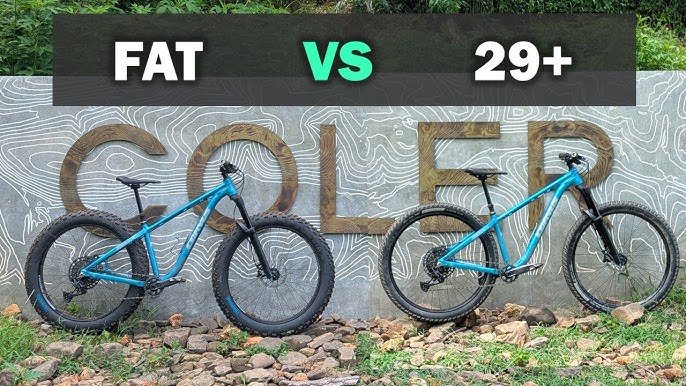
Are you ready to conquer the toughest terrains with your fat bike? Choosing the right tires is crucial to enhance your ride and boost your confidence.
Imagine gliding smoothly over sand, snow, or rocky paths without a hitch. The secret lies in selecting the perfect fat bike tires tailored to your needs. You’ll discover the essential factors to consider, ensuring you make the best choice for your adventures.
By the end, you’ll feel empowered to transform your biking experience and tackle any challenge with ease. Let’s dive into the world of fat bike tires and unlock your bike’s true potential.

Credit: leoguarbikes.com
Fat Bike Tire Basics
Choosing fat bike tires involves considering terrain type and tire width for optimal performance. Wider tires offer better grip on snow and sand. Tread patterns vary, impacting traction and speed, so select based on your riding surface.
Key Features Of Fat Bike Tires
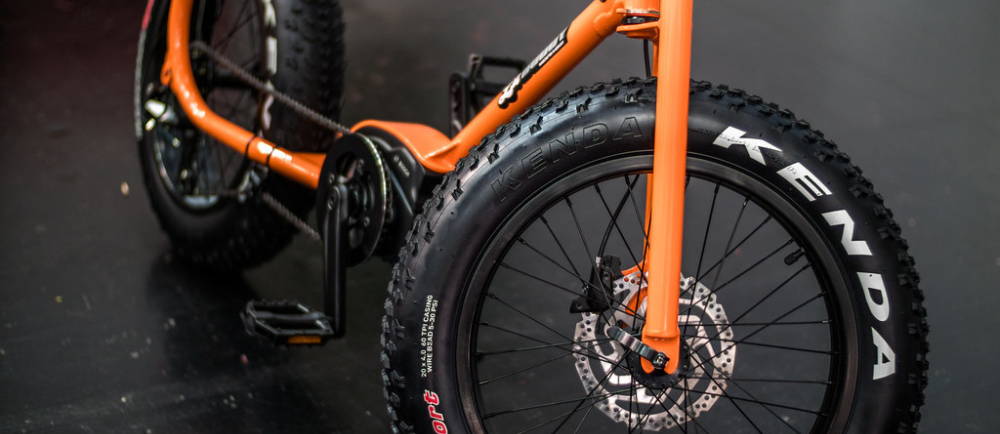
Fat bike tires are wider than regular bike tires. They range from 3.8 to 5 inches wide. The wide size helps on soft surfaces like snow and sand. These tires have low pressure, making them more comfortable. They grip better on loose surfaces. Treads can vary from smooth to very knobby. Knobby treads are good for rough trails. Some fat bike tires are tubeless. Tubeless tires prevent flats and reduce weight.
Benefits Of Fat Bike Tires
Fat bike tires offer several advantages. They improve balance on tricky surfaces. Riders feel more stable on snow and mud. These tires cushion bumps better than thin tires. This makes rides smoother and more fun. They also let you ride in more places. You can explore trails and beaches easily. Fat bike tires are versatile and tough. They last long and handle rough conditions well.
Tire Size Considerations
Selecting the right fat bike tires involves considering width, tread pattern, and terrain compatibility. Wider tires offer better flotation on snow and sand, while aggressive tread ensures grip on muddy trails. Balancing these factors improves the riding experience and enhances safety.
Width Options
Fat bike tires come in different widths. Wider tires offer better stability. They are great for sandy or snowy surfaces. Narrower tires are lighter and faster. They work well on paved roads. Consider where you will ride most often. Choose a width that fits your riding style.
Diameter Choices
Tire diameter affects bike handling. Common diameters are 26-inch and 27.5-inch. Larger diameters roll over obstacles easily. Smaller diameters offer quick turns. Think about your comfort and control. Pick a diameter that suits your needs.
Tread Patterns
Tread patterns play a crucial role in selecting fat bike tires. For snowy trails, opt for wider, aggressive treads to enhance grip. On rocky terrains, choose tires with blocky patterns for durability and control.
Types Of Tread
Fat bike tires come with different tread patterns. Some have deep, knobby treads. These are good for muddyor snowysurfaces. Others have smoother treadsfor hard-packed trails. A mix of knobby and smoothtreads can be versatile.
Choosing The Right Tread For Terrain
Pick tires based on where you ride. For rocky surfaces, choose tires with deep treads. They grip better. On sandy areas, smoother treads can help. They allow easier movement. Mixed terrain needs versatile tires. These tires adapt to different surfaces. Always consider the tread that fits your favorite trails.
Material And Construction
Choosing fat bike tires involves understanding material and construction. Opt for durable rubber with reinforced sidewalls. Consider tread patterns suited for snow, sand, or rocky terrains.
Rubber Compounds
Different rubber compounds affect tire grip. Soft compounds stick better to surfaces. They wear out faster. Hard compounds last longer. They slip more on wet roads. Choose wisely based on your riding style. Consider the terrain too. Some compounds resist punctures better. This can be useful for rocky trails.
Sidewall Strength
Sidewall strength is crucial. Strong sidewalls prevent tire damage. They are important for rough terrains. Weak sidewalls can lead to tire tears. Check sidewall thickness before buying. Thick sidewalls offer better protection. They may add weight to the tire. Balance strength and weight for best performance. Fat bike tires need robust sidewalls.
Inflation And Pressure
Fat bike tires need the right PSI. PSI means pounds per square inch. Lower PSI helps with bumpy roads. Higher PSI is good for smooth trails. Check your bike manual for best PSI. Too low or high PSI can cause problems.
Pressure changes how your bike rides. Low pressure makes the ride smoother. It’s great for rocky paths. High pressure is better for fast rides. It helps on flat surfaces. Find the right balance for your ride.

Credit: leoguarbikes.com
Seasonal Considerations
Choosing fat bike tires involves considering seasonal conditions. Winter demands wide tires for grip on snow and ice. Summer requires narrower tires for smoother rides on hard terrain.
Winter Riding
Fat bike tires are great for winter rides. They grip snow and ice well. Wide tires offer better balance. The rubber stays soft in the cold. Pick tires with deep treads for snow. This helps with traction. Studded tires work on ice. They stop slipping. Always check the tire pressure. Low pressure gives more grip. Keep your rides safe and fun.
Summer Riding
Summer needs different tires for fat bikes. Choose tires with smaller treads. They roll fast on dirt and sand. Harder rubber lasts longer in the sun. Check for puncture protection. This helps on rocky paths. Keep tire pressure a bit higher. It makes rides smoother. Enjoy sunny rides with the right tires.
Brand Comparisons
Choosing fat bike tires requires considering terrain, weather, and riding style. Compare brands for durability, traction, and weight. Read reviews for insights on performance and reliability.
Popular Brands
Many brands make great fat bike tires. Maxxisand Surlyare well-known. They offer strong and durable tires. Schwalbealso makes trusted tires. Their tires are popular for winter rides. Vee Tire Cois another brand to consider. They have a wide range of options. Look for tires that suit your needs. Some brands focus on grip. Others focus on speed.
Price Vs. Quality
Higher-priced tiresoften last longer. They may have better grip too. Budget optionscan be good for beginners. But they may wear out faster. Consider how often you ride. Investingin quality tires can save money in the long run. Check reviews to see what others think. Sometimes, mid-range tires offer a good balance. Look for sales or discounts. This can help you get better quality for less money.
Expert Tips
Choosing the right fat bike tires depends on terrain, weather, and personal preference. Consider tread patterns for grip on snow or sand. Ensure tire width matches your riding conditions for optimal performance.
Maintenance Advice
Keep your fat bike tires clean. Remove dirt and mud regularly. Check the tire pressure often. Low pressure can cause damage. Look for any punctures or tears. Fix them quickly to avoid problems. Use a soft brush to clean the tires. Avoid harsh chemicals. They can harm the rubber. Store your bike in a cool, dry place. Heat can damage the tires. Always inspect the tires before a ride. It keeps you safe.
Customization Ideas
Choose different tire colors to match your bike. Add reflective strips for safety. Consider unique tread patterns for style. Some treads work better on sand. Others are good for snow. Pick tires that fit your riding style. Think about the terrain you ride on most. Custom tires can make your bike special. They also improve your ride.
Credit: upway.co
Frequently Asked Questions
What Size Fat Bike Tires Are Best?
Choosing the right tire size depends on terrain and riding style. For snowy or sandy trails, wider tires offer better stability. Typically, fat bike tires range from 3. 8 to 5 inches wide. Consider your local trails and personal preferences to select the ideal tire size for your needs.
How Do Tire Tread Patterns Affect Performance?
Tread patterns significantly impact grip and speed. Aggressive treads provide better traction on loose or muddy surfaces. Smooth treads are suitable for hard-packed trails, enhancing speed. Consider your usual riding conditions to choose a tread pattern that balances grip and rolling efficiency effectively.
Are Tubeless Fat Bike Tires Worth It?
Tubeless tires reduce punctures and improve ride quality. They allow lower air pressures for better traction and comfort. While they may cost more upfront, their benefits in terms of reliability and performance often outweigh the initial investment. Evaluate your riding terrain to decide if tubeless is right for you.
What Is The Ideal Tire Pressure For Fat Bikes?
Tire pressure varies based on terrain and rider weight. Lower pressure offers better traction on soft surfaces like snow or sand. Generally, fat bike tires operate between 8 to 20 PSI. Experiment with pressure within this range to find the best performance for your riding conditions.
Conclusion
Choosing the right fat bike tires transforms your ride experience. Consider terrain and weather conditions before you decide. Focus on tire width and tread patterns for better grip. Check materials for durability and comfort. Understand your riding style and needs.
Consult experts or reviews for trusted insights. A wise choice ensures safety and fun on the trails. Enjoy the adventure with confidence and control. Happy riding!



