
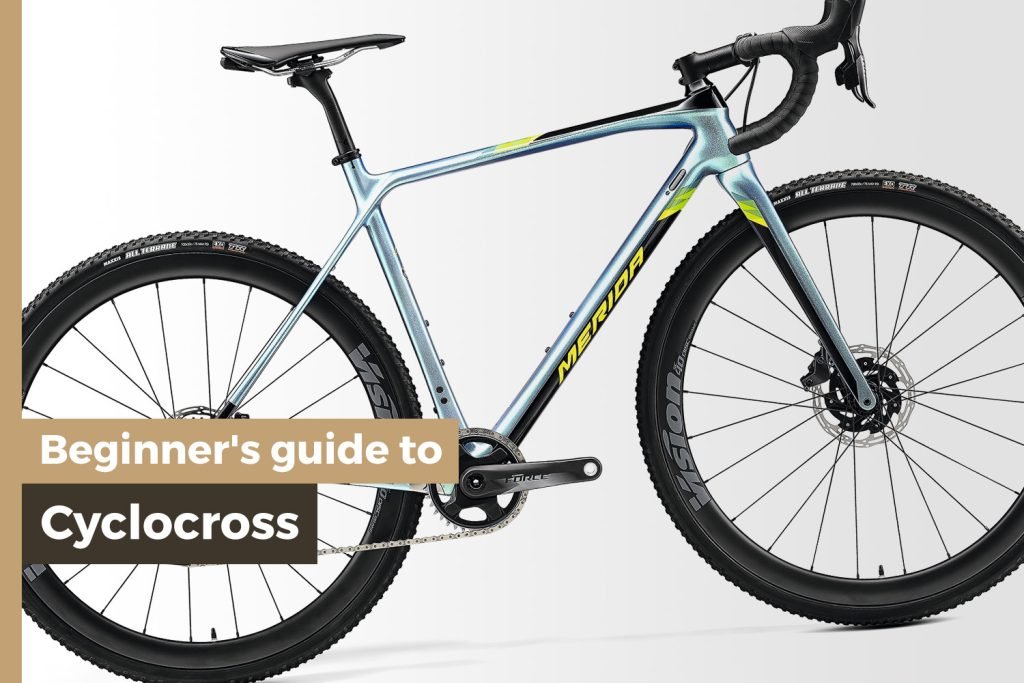
Choosing your first cyclocross bike can feel overwhelming. There are so many options, features, and terms that might confuse you.
But don’t worry—this guide will help you find the perfect bike that fits your needs and skill level. By the end, you’ll feel confident about making a smart choice that keeps you comfortable and excited to ride. Ready to discover how to pick a cyclocross bike that works just for you?
Let’s dive in.
Cyclocross Bikes Basics
Cyclocross bikesare designed for mixed surfaces like dirt, grass, and pavement. They have knobby tiresthat provide extra grip on rough paths. The frames are lightweight but strong, helping riders move quickly and carry the bike over obstacles.
These bikes use a higher bottom bracketthan regular road bikes. This gives more clearance to avoid hitting rocks or roots. They also have wider tire clearanceto fit bigger tires that absorb bumps well.
The geometryof cyclocross bikes is different too. It offers better control and stability on tricky terrain. The handlebars are usually flat or have a slight curve to help with handling.
- Knobby tires for traction on mud and dirt
- Lightweight, strong frame for easy carrying
- Higher bottom bracket for obstacle clearance
- Wider tire clearance for bigger tires
- Geometry that improves control and balance
Frame Material Options
Choosing the right frame material affects weight, durability, and ride comfort. Aluminum frames are light and stiff, while steel offers strength and a smooth ride. Carbon frames are lightest but often cost more, making them less ideal for beginners.
Aluminum Frames
Aluminum framesare light and affordable. They offer good speed and are easy to handle. These frames resist rust and need less care. They feel stiff, which helps in fast riding but can be a bit rough on bumpy roads.
Carbon Fiber Frames
Carbon fiber framesare very light and strong. They absorb shocks well, making rides smooth. These frames cost more but improve speed and comfort. They are popular for serious riders who want top performance.
Steel Frames
Steel framesare heavier but very tough. They provide a smooth ride and can fix bends easily. Steel is slower than aluminum or carbon but lasts a long time. It is good for beginners who want a durable bike.
Bike Geometry And Fit
Choosing the right bike sizeis key for comfort and control. A bike that fits well helps you ride longer without pain. Stand over height matters; there should be a small gap between you and the top tube. Reach and stack affect how stretched out or upright you feel. Test different sizes to find what suits you best.
Comfort or performance? Balance both. A comfy bike lets you enjoy rides without strain. But performance geometry helps with speed and handling. Cyclocross bikes usually lean toward performance but still offer some comfort. Beginners should not sacrifice comfort entirely for speed.
- Check saddle height for knee comfort
- Handlebar position affects back and neck comfort
- Try different bikes to feel the difference
- Adjust seat and bars to improve fit

Credit: www.reddit.com
Tire Types And Sizes
Tread patternsaffect how well tires grip different surfaces. Smooth treads work best on hard, dry roads. Knobby treads give better grip on mud and loose dirt. Mixed tread designs offer a balance for varied terrain. Choose a tread that fits the paths you will ride most.
Widthaffects comfort and control. Narrow tires (around 33mm) are faster on smooth surfaces. Wider tires (35-40mm) provide more grip and absorb bumps better. Wider tires also help in muddy or rough conditions by preventing sinking.
| Tire Type | Tread Pattern | Best For | Width Range |
|---|---|---|---|
| Slick | Smooth | Hardpack and road | 30-33mm |
| Semi-knobby | Mixed tread | Mixed terrain | 33-38mm |
| Knobby | Deep knobs | Mud and loose dirt | 35-40mm |
Brake Systems Explained
Brake systems are key for safe rides on cyclocross bikes. Choosing the right brakes helps control speed and handle rough paths with ease. Disc brakes often offer better stopping power in wet or muddy conditions.
Disc Brakes
Disc brakesoffer strong stopping power, even in wet or muddy conditions. They work by pressing brake pads onto a metal disc attached to the wheel hub. This system gives better controland consistent brakingon rough terrain. Maintenance is a bit more complex but worth it for cyclocross riders.
Rim Brakes
Rim brakesapply pressure directly to the wheel rim. They are lighter and simpler to fix. These brakes work well on dry roads and are usually cheaper. However, their performance drops in mud or rain, making them less ideal for tough cyclocross courses.
Gear And Drivetrain Choices
Choosing the right gear and drivetrain helps beginners handle different terrains easily. Bikes with simpler gears offer easier shifting and less maintenance. A reliable drivetrain ensures smooth rides on muddy or rough cyclocross courses.
Single Vs Multiple Gears
Single gear bikes are simple and easy. They are great for flat roads. Multiple gears help on hills. They give more control over speed. Beginnersmay find single gear easier to use. Multiple gears need more learning. Think about your riding places. Choose what fits best.
Shifting Systems
Shifting systems let you change gears. Some bikes have manual shifters. Others are automatic. Manual shifters give more control. Automatic is simple but less precise. Beginners can start with automatic. It’s easier. Manual is good for more experienced riders. Decide based on your comfort level. Try both if possible.
Budgeting Your Purchase
Cyclocross bikes for beginners usually cost between $500 and $1500. It’s essential to find a bike that fits your needs and budget. Quality materials are crucial, even in entry-level bikes. Aluminum frames are common in this price range. They are lightweight and durable. Some bikes may have carbon forks to absorb shocks. This feature can make your ride smoother.
Finding a bike that balances cost and quality is important. A more expensive bike often has better components. But a cheaper bike can still be great for a beginner. Look for reliable brakes and sturdy wheels. These parts affect safety and comfort. Consider buying used if your budget is tight. A used bike might offer better quality for less money.

Credit: www.reddit.com
Essential Accessories
Protective gearis a must for cyclocross beginners. It keeps riders safe and comfortable during rides. Wearing a helmetprotects the head from injuries. Gloves improve grip and protect hands from falls. Knee and elbow padshelp avoid scrapes and bruises. Cycling glasses shield eyes from dust, mud, and branches. Bright clothing increases visibility on the trail.
Maintenance tools help keep the bike in good shape. Carry a multi-toolfor quick fixes. A mini pumpor CO2 inflator is handy for tire inflation. Spare inner tubes and tire levers are essential for fixing flats. A small chain lubricantkeeps the chain running smooth. Carrying a clean clothhelps wipe off mud and dirt after rides.
Test Riding Tips
Test riding a cyclocross bike helps find the right fit and feel. Pay attention to comfortand control. The bike should feel stable and easy to handle. Check how it reacts on different surfaces like dirt, gravel, and pavement.
Look for good brakesthat respond quickly. Tires should grip well but not slow you down. Make sure the saddle height fits your legs for smooth pedaling.
Try shifting gears to see if they change smoothly. A bike that shifts well saves energy and makes riding easier.
| Common Beginner Mistakes |
|---|
|

Credit: road.cc
Frequently Asked Questions
What Features Matter Most In Cyclocross Bikes For Beginners?
Beginners should focus on lightweight frames, reliable brakes, and wider tires for better grip. A comfortable geometry ensures easier handling and control on rough terrain.
How To Choose The Right Cyclocross Bike Size?
Measure your height and inseam to find the correct frame size. Many brands provide sizing charts to match your measurements with their bike models.
Are Disc Brakes Better For Beginner Cyclocross Bikes?
Yes, disc brakes offer superior stopping power and better performance in wet or muddy conditions. They provide consistent braking and enhance safety for new riders.
What Tire Width Suits Beginner Cyclocross Bikes?
Tires between 32mm and 40mm wide provide a good balance of speed and traction. Wider tires improve stability on varied surfaces common in cyclocross racing.
Conclusion
Choosing the right cyclocross bike starts with knowing your needs. Focus on comfort, fit, and budget first. Think about where you will ride and how often. Check the bike’s weight and tire type carefully. Test ride if possible to feel the difference.
Remember, a good bike makes riding fun and safe. Take your time and choose wisely. Your perfect cyclocross bike is out there waiting. Enjoy the ride!



