
Imagine cruising down a scenic trail on your e-bike, feeling the wind in your hair and the thrill of speed. But then, you need to slow down or stop suddenly.
The quality of your brakes can make all the difference in that moment. Choosing the right brakes for your e-bike isn’t just a technical decision; it’s about your safety, comfort, and overall riding experience. You might wonder, with so many options available, how do you decide which brakes suit your needs best?
This guide will walk you through everything you need to know, ensuring that you make a choice that keeps you safe and confident on every ride. Discover the secrets to selecting brakes that match your e-bike and riding style perfectly, and learn why the right brakes are essential for your peace of mind and enjoyment on the road. Dive into the details and arm yourself with the knowledge to make the best decision for your e-bike adventures.
Types Of E-bike Brakes
Selecting the right e-bike brakes is essential for safety. Disc brakes offer strong stopping power and work well in wet conditions. Rim brakes are lighter and more affordable, suitable for casual riders. Consider your riding style and environment to choose the best brakes for your e-bike.
Mechanical Disc Brakes
Mechanical disc brakes use cables to control the brake pads. They are affordable and easy to maintain. Suitable for casual riders who need reliable brakes. They are effective in all weather conditions. Adjustment might be needed over time.
Hydraulic Disc Brakes
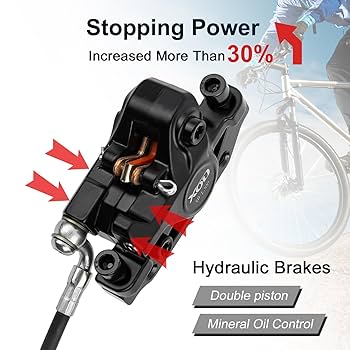
Hydraulic disc brakes offer smooth and powerful stopping. They require less force to activate. Ideal for steep hills and fast rides. Maintenance is less frequent but more complex. More expensive but preferred by serious riders.
Rim Brakes
Rim brakes are lightweight and simple. They work by pressing pads against the wheel rim. Cost-effective and easy to repair. Less effective in wet conditions. Popular for lighter e-bikes and casual use.
Regenerative Braking Systems
Regenerative braking systems convert braking energy into battery power. They extend battery life and efficiency. Complex but eco-friendly. Often found in high-end models. They help in reducing wear on brake pads.
Factors To Consider
Different terrains need different brakes. Flat roads need simple brakes. Mountain paths need strong brakes. Choose brakes that fit your riding path.
E-bikes carry heavy loads. Strong brakes handle heavy weight better. Check the bike’s load capacity. Pick brakes that match the weight you carry.
Brakes need care. Some brakes are easy to fix. Others need special tools. Disc brakes need more care than rim brakes. Choose brakes you can maintain easily.
Brakes come at different prices. High-quality brakes cost more. But they last longer. Pick brakes that fit your budget. Remember, safety is important.
Performance And Efficiency
Good brakes stop the bike quickly. Disc brakesare strong and reliable. They work well in all conditions. Hydraulic brakesgive smooth control. They need less effort to use.
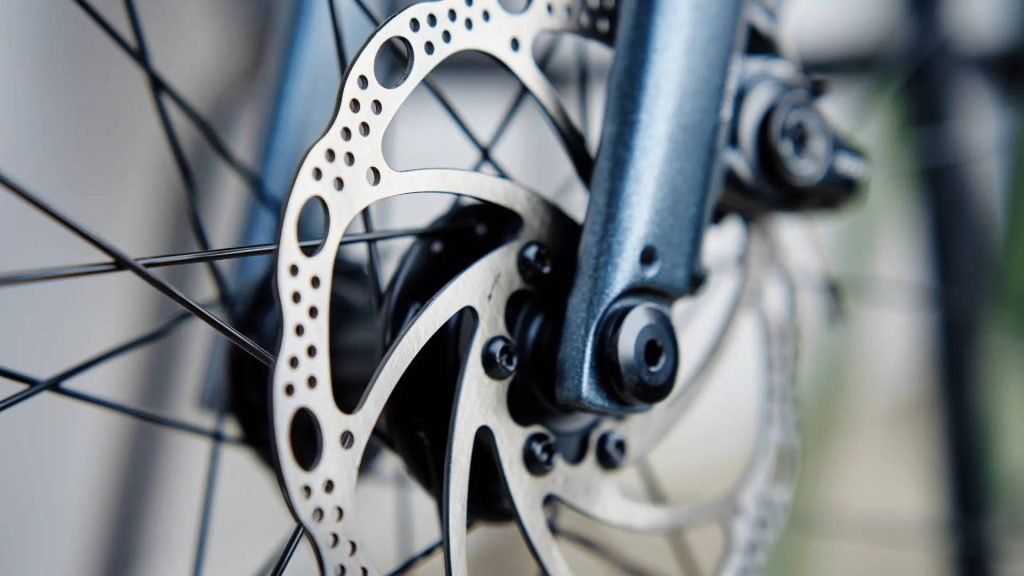
Brakes can get hot. Heat dissipationis important. It keeps brakes working well. Metal rotorshelp cool the brakes. Ventilated rotorsare even better. They have holes for air to pass through.
Weather changes can affect brakes. Waterproof brakeswork in rain. They keep grip strong. Anti-rust coatingsprotect brakes from rust. This helps them last longer.

Credit: www.reddit.com
Installation And Compatibility
Evaluating brake installation for e-bikes involves checking compatibility with existing components. Ensure brake systems fit wheel size and frame design. Verify compatibility to maintain safety and performance.
Frame Compatibility
E-bike frames vary in design. Check the frame’s mounting points. Ensure the brakes fit these points. Measure the frame’s size and width. Choose brakes that match these measurements.
Ease Of Installation
Some brakes are easy to install. Look for brakes with simple instructions. Ensure you have the right tools. Check if you need extra parts. Choose brakes that don’t need special tools.
Brake Lever Compatibility
Brake levers must fit your handlebars. Measure the handlebar’s diameter. Check if the levers match this size. Choose levers that are easy to grip. Ensure levers are comfortable for your hands.
Safety And Reliability
Braking distance is crucial for e-bike safety. Shorter distances mean safer stops. Choose brakes that offer quick response. Disc brakes are often more effective than rim brakes. Look for high-quality materials that ensure consistent performance.
Durability ensures brakes last longer. Strong materials like stainless steel resist wear. Regular maintenance can extend brake life. Check for rust resistance and weatherproofing features. Durable brakes reduce replacement costs and ensure safe rides.
Fail-safe mechanisms prevent brake failure. Some brakes have dual systems for extra safety. Look for designs that work even if one part fails. Hydraulic systems often offer better reliability. Ensure proper installation for maximum safety. Fail-safe brakes protect riders in emergencies.
Credit: www.amazon.ca
Expert Tips For Choosing Brakes
Consider brake type, terrain, and weight when selecting brakes for e-bikes. Disc brakes offer strong stopping power for varied conditions. Hydraulic systems provide smoother control and less maintenance.
Consulting Professionals
Consult with experts to learn about brake systems. Professionals can guide you well. They know the best brakes for different e-bikes. Always ask questions if unsure. This helps in making the right choice.Test Rides
Do a test ride to feel the brakes. Check if they stop smoothly. Feel if they are too hard or soft. Brakes should not make noise. They should feel safe. Always test on different roads. This ensures they work well everywhere.Understanding Manufacturer Specifications
Read the manufacturer’s guide for details. It explains how the brakes work. Look for important features like brake type and size. Ensure they fit your e-bike model. This helps in making the right decision. Always follow the guidelines for safety. `Maintenance And Upkeep
Selecting the right brakes for e-bikes ensures safety and optimal performance. Consider durability, stopping power, and compatibility with your e-bike model. Regular maintenance enhances brake longevity and reliability.
Regular Inspections
Check brake cables for wear and tear. Ensure they are tight and secure. Look for any rust or dirt on the cables. Rust can weaken the brakes. Dirt can make them less effective. Inspect brake levers and ensure they work smoothly. Check for cracks or damage.
Cleaning And Adjustments
Keep brakes clean for best performance. Use a soft cloth to wipe them. Remove any dust or grime. Adjust brake pads if they are too far from the rim. Ensure they touch the rim evenly. Test brakes after cleaning and adjusting.
Replacing Brake Pads
Brake pads wear down over time. Replace them when they become thin. New pads should be installed correctly. Ensure they align with the rim. Test brakes after replacing pads. Make sure they stop smoothly and quickly.

Credit: www.amazon.ca
Frequently Asked Questions
What Type Of Brakes Are Best On An Ebike?
Hydraulic disc brakes are the best for ebikes. They provide powerful, consistent stopping power in all conditions. They require less maintenance than mechanical brakes. Choose them for better performance and safety.
Are Hydraulic Brakes Better On An Ebike?
Hydraulic brakes offer superior stopping power and control on eBikes. They perform well in wet conditions and require less maintenance. Riders enjoy a smoother braking experience with hydraulic systems. Although more expensive, they enhance safety, making them a popular choice for eBike enthusiasts.
How Do I Know What Brakes To Get For My Bike?
Check your bike’s manual or consult the manufacturer for brake compatibility. Visit a local bike shop for expert advice. Consider your riding style and terrain. Opt for disc brakes for mountain biking and rim brakes for road cycling. Ensure the brakes fit your bike’s mounting system.
Are V Brakes Better Than Discs?
V brakes are lighter and cost-effective, ideal for casual riding. Disc brakes offer superior stopping power and performance, especially in wet conditions. Choose V brakes for simplicity; opt for discs for enhanced safety and durability. Evaluate your biking needs for the best choice.
Conclusion
Choosing the right e-bike brakes is crucial for safety. Consider your riding style and environment. Disc brakes offer strong stopping power. Rim brakes are lighter and often cheaper. Hydraulic brakes provide smooth control. Mechanical brakes are easier to maintain. Always check compatibility with your e-bike model.
Quality matters; invest in trusted brands. Regular maintenance ensures optimal performance. Don’t rush the decision. Take time to research and compare options. Test different brakes if possible. Your safety depends on it. Make informed choices. Ride with confidence knowing your brakes will perform well.
Safe riding starts with proper brake selection.



