
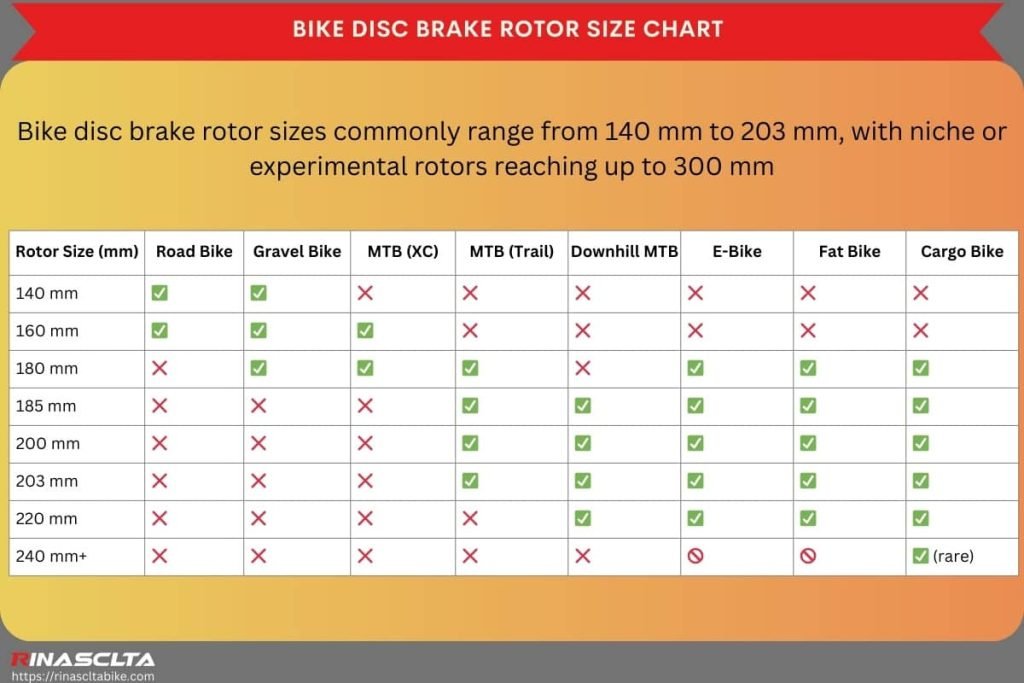
When it comes to ensuring your vehicle’s safety and performance, choosing the right brake rotor size is crucial. Your vehicle’s braking system is its lifeline, and understanding how to select the perfect brake rotor size can make all the difference in your driving experience.
Whether you’re a car enthusiast looking to upgrade your ride or simply someone seeking peace of mind on the road, this guide is tailored for you. Imagine driving with confidence, knowing your brakes will respond effectively every time you need them.
By the end of this article, you’ll have the knowledge to make informed decisions that can enhance your vehicle’s safety and performance. Don’t leave your safety to chance; read on to discover how to choose the perfect brake rotor size for your needs.
Importance Of Brake Rotor Size
The size of brake rotors is crucial for safe driving. Bigger rotors can stop cars faster. Smaller rotors might not be as strong. Choosing the right size helps your car stop smoothly.
Here are some factors to consider when choosing:
- Car Type:Larger cars need bigger rotors.
- Driving Style:Fast drivers may need larger rotors.
- Weather Conditions:Wet roads require better stopping power.
- Budget:Bigger rotors might cost more.
Picking the right rotor size keeps you safe. It also helps the car perform well. Always check the car manual for advice.

Credit: www.youtube.com
Factors Influencing Rotor Size
Selecting the right brake rotor size involves considering vehicle weight, driving style, and wheel size. Larger rotors offer better heat dissipation and stopping power, ideal for heavy vehicles. Smaller rotors can be suitable for lighter vehicles and daily driving.
Vehicle Type And Usage
The type of vehicle affects rotor size choice. Trucks need larger rotors for weight. Smaller cars use smaller rotors. Usage matters too. Daily drivers can use standard rotors. Racing cars need performance rotors. Choose based on vehicle and use.
Driving Conditions
Roads change rotor needs. City driving demands quick stops. Highway driving needs smooth stopping. Off-road requires durable rotors. Consider terrain and speed. Match rotor size to driving conditions.
Performance Requirements
Performance impacts rotor choice. High-speed driving needs larger rotors. Heavy braking demands bigger rotors. Standard driving uses regular-sized rotors. Assess performance needs for choosing right size.
Types Of Brake Rotors
Standard rotors are common in many cars. They are often made from cast iron. They provide good braking for everyday driving. These rotors are usually affordableand easy to replace. They are ideal for normal driving conditions. Standard rotors may not handle high heat well. They can wear out if used in performance driving.
Drilled rotors have holes drilled into them. This helps in coolingthe rotors. They prevent water build-upduring wet conditions. Drilled rotors can crack under extreme stress. They are suitable for regular driving. These rotors look stylish on cars.
Slotted rotors have slots on their surface. These slots help remove gas and dustfrom brake pads. They improve braking performancein tough conditions. Slotted rotors are durablebut can wear down pads faster. They are often used in racingcars.
Performance rotors are designed for high-speed driving. They can handle extreme heatand stress. These rotors provide superior braking. They are made from special materialsto last longer. Performance rotors are more expensivethan other types. They are perfect for sports carsand racing.
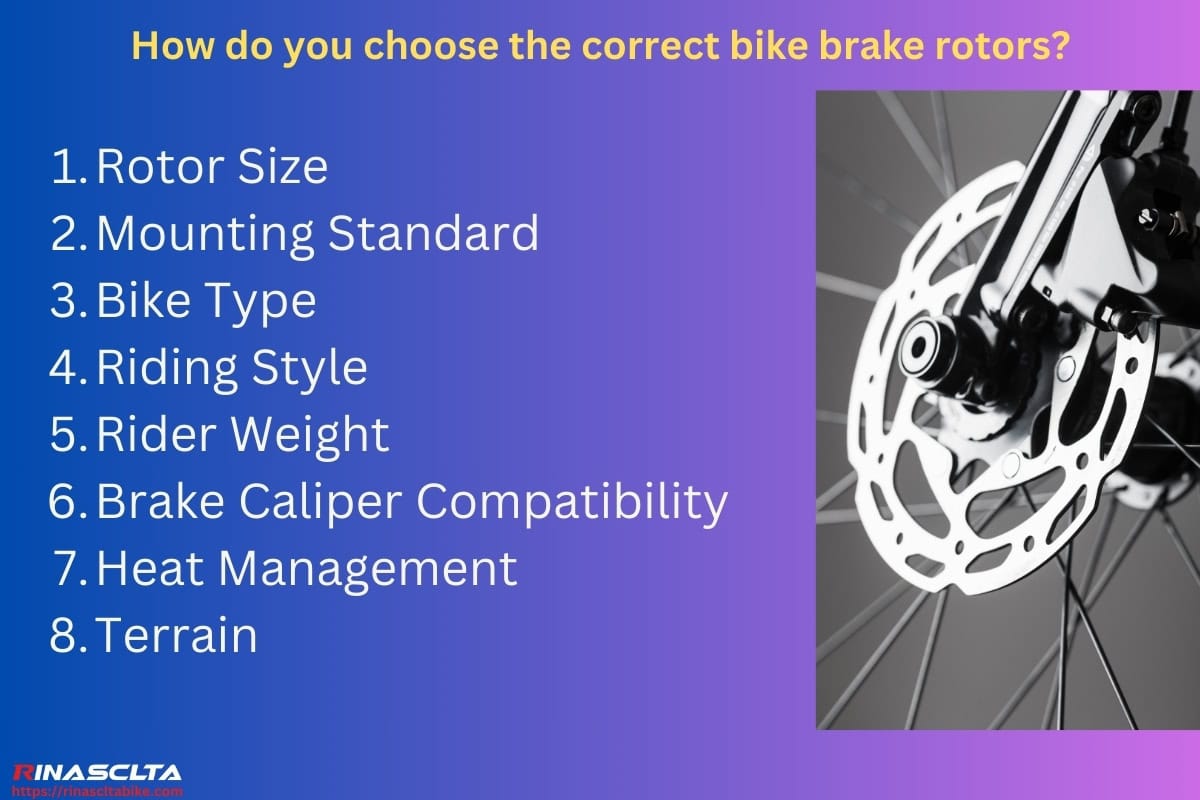
Credit: rinascltabike.com
Measuring Brake Rotor Size
Measure the diameter from one edge to the other. Use a ruler or tape measure. Check the thickness with a caliper. These tools help get accurate numbers. Ensure the rotor is clean before measuring.
- Ruler: Measures the diameter easily.
- Tape Measure: Flexible for larger sizes.
- Caliper: Best for thickness measurement.
Ensure tools are precise. They should be in good condition. This ensures correct readings.
Comparing Rotor Sizes
Small rotors fit small cars and bikes. They make the vehicle light. Small rotors cool quickly, which is good for short drives. But they may not stop heavy vehicles well.
Large rotors are for big trucks and fast cars. They stop heavy vehicles quickly. But large rotors make the vehicle heavier. This can use more fuel.
- Small Rotors:Light and cool quickly, but less stopping power.
- Large Rotors:Better stopping, but heavy and use more fuel.
Expert Tips For Selection
Choosing the right brake rotor size enhances vehicle performance and safety. Consider your driving style and vehicle specifications. Larger rotors often improve braking power, while smaller ones may suit lighter vehicles.
Consulting With Professionals
Experts know bestabout brake rotors. They can guide you well. Talk to a mechanic or car expert. They will tell you the right size. It is important to get this right. Wrong size can cause problems. Your car might not stop well. Safety is very important. Ask questions if unsure. Experts are there to help you.
Considering Future Modifications
Think about future changesto your car. Bigger wheels need bigger rotors. You may want to upgrade later. Plan now for future changes. Buy rotors that fit future needs. This saves money and time later. Rotors should match your driving style. Heavy braking needs strong rotors. Always keep safety in mind.
Common Mistakes To Avoid
Understanding your vehicle’s needs helps in selecting the right brake rotor size. Avoid relying solely on appearance; consider performance. Matching rotor size to driving style prevents unexpected issues and enhances safety.
Ignoring Compatibility
Ignoring compatibilitycan cause problems with brake rotors. The rotor size must match your car’s requirements. Using the wrong size can make brakes less effective. It can also cause damage to other parts. Always check your car’s manual for the right size. This helps ensure safety and good performance.
Overlooking Quality
Overlooking qualitycan lead to short rotor life. Cheap rotors may save money now but cost more later. They can wear out faster and need replacements. Choose rotors made from good materials. This ensures they last longer and perform well. Safety should always come first when picking parts for your car.
Credit: www.silveradosierra.com
Maintenance And Care
Selecting the right brake rotor size ensures optimal vehicle performance and safety. Consider factors like your driving style and vehicle type. Larger rotors often provide better braking power, while smaller ones suit lighter vehicles.
Regular Inspections
Check your brake rotors every few months. Look for any scratchesor cracks. These can make your brakes less safe. Always listen for squeakyor grinding sounds. These sounds mean your rotors might need help. If you see any problems, tell a grown-up right away. Keeping them in good shape can help you stay safe.
Cleaning And Replacement
Clean your brake rotors with a soft cloth. Use a special brake cleanerspray. Never use oil or water. They can make the rotors slippery. If rotors are too old or damaged, they need replacing. A grown-up should replace them for you. New rotors help your bike or car stop better. Always use the right size for your vehicle.
Frequently Asked Questions
How Do I Know What Size Brake Rotors I Need?
Check your vehicle’s manual for specifications. Measure the rotor diameter or consult a trusted mechanic. Ensure compatibility with your vehicle model.
What Is The 30 30 30 Rule For Brakes?
The 30 30 30 rule for brakes refers to a recommended maintenance schedule. Inspect brake pads every 30,000 miles, replace them if worn, and check brake fluid. Regular checks ensure safety and optimal performance. Follow this rule to maintain your vehicle’s braking system effectively and avoid potential hazards.
How Do I Find Out What Size Brake Disc I Need?
Check your vehicle’s manual for brake disc size specifications. Measure the disc diameter with a caliper. Verify the dimensions with your car model details online or consult a mechanic. Ensure compatibility by comparing part numbers when purchasing replacements. Always choose high-quality discs for optimal performance and safety.
How To Measure Rotors For Replacement?
Use a micrometer to measure rotor thickness. Ensure it’s above the manufacturer’s minimum specification. Check for uneven wear or grooves. Inspect the rotor’s surface for rust or damage. Replace if measurements or wear exceed limits.
Conclusion
Choosing the right brake rotor size is crucial for safe driving. Start by understanding your vehicle’s needs and how you drive. Match rotor size to your car’s specifications for optimal performance. Larger rotors might be better for high-speed driving. Smaller ones suit daily commutes and lighter vehicles.
Consult with experts if unsure. Consider your budget and quality options. Regular maintenance ensures longevity and efficiency. Properly sized rotors enhance braking efficiency and safety. Make informed choices for a smoother, safer ride. Prioritize quality and compatibility for peace of mind on the road.



