
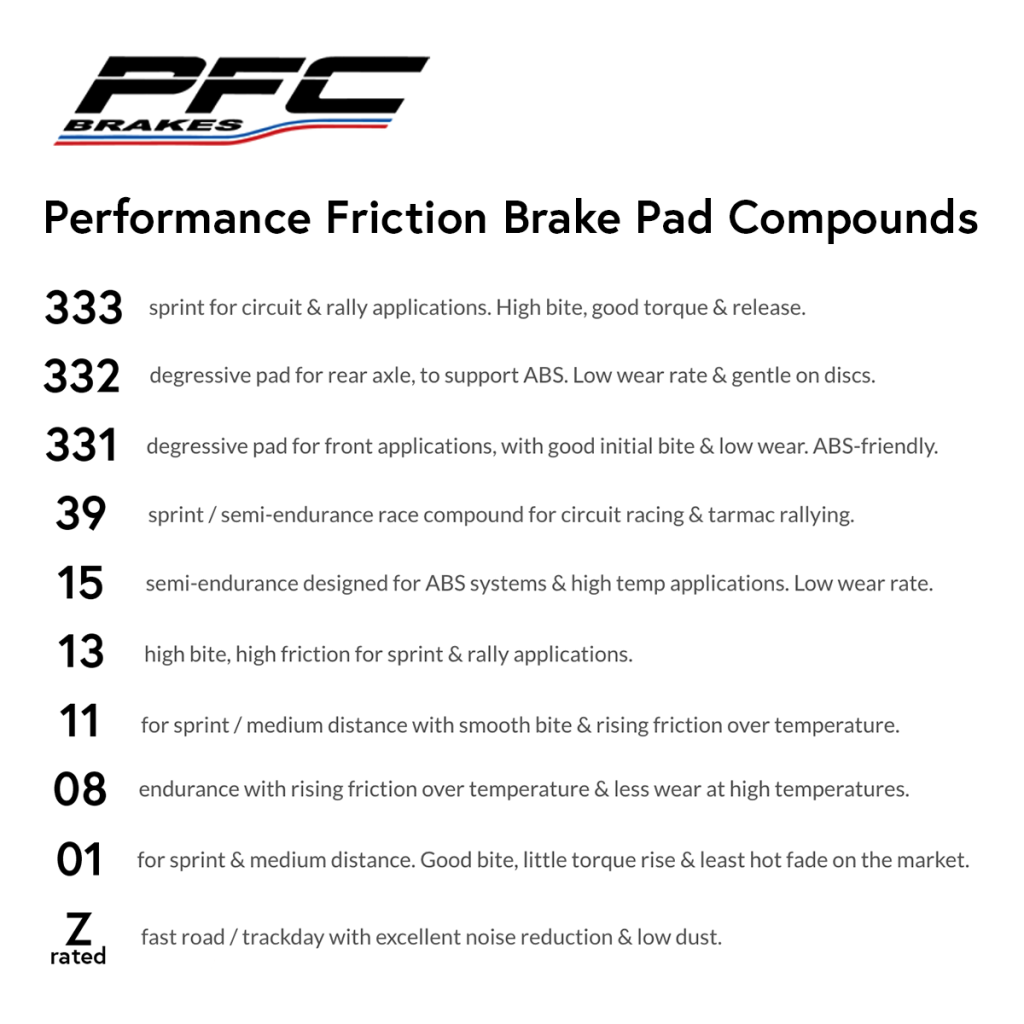
Choosing the right brake pad compound can feel overwhelming, especially when faced with technical jargon and endless options. Yet, the choice you make directly impacts your vehicle’s performance, safety, and your overall driving experience.
Imagine driving smoothly, confidently, and safely, knowing that your vehicle responds perfectly every time you hit the brakes. This isn’t just a possibility; it’s what you can achieve with the right brake pad compound. In this guide, we’ll break down the complexities and give you clear, actionable insights into selecting the best brake pad compound for your needs.
You’ll discover how to make an informed decision that enhances your driving experience and keeps you safe on the road. Keep reading to unlock the secrets to optimal braking performance and ensure your vehicle is equipped with the best.
Credit: www.wilwood.com
Types Of Brake Pad Compounds
Organic brake pads are made from natural materials. They include rubber, glass, or fiber. These pads are soft and quiet. They wear out quickly and create more dust. Organic pads are cheaper than others. They are best for light vehicles. They are not ideal for heavy-duty use.
Semi-metallic pads have metal and organic materials. They are durable and strong. These pads work well in high temperatures. They make more noise than organic pads. Semi-metallic pads are used in performance vehicles. They offer good stopping power. They are heavier than other types.
Ceramic pads have ceramic fibers and filler materials. They are quiet and last long. These pads produce less dust. They perform well in many conditions. Ceramic pads are costly compared to others. They are suitable for everyday driving. They are not great for extreme conditions.
Performance Characteristics
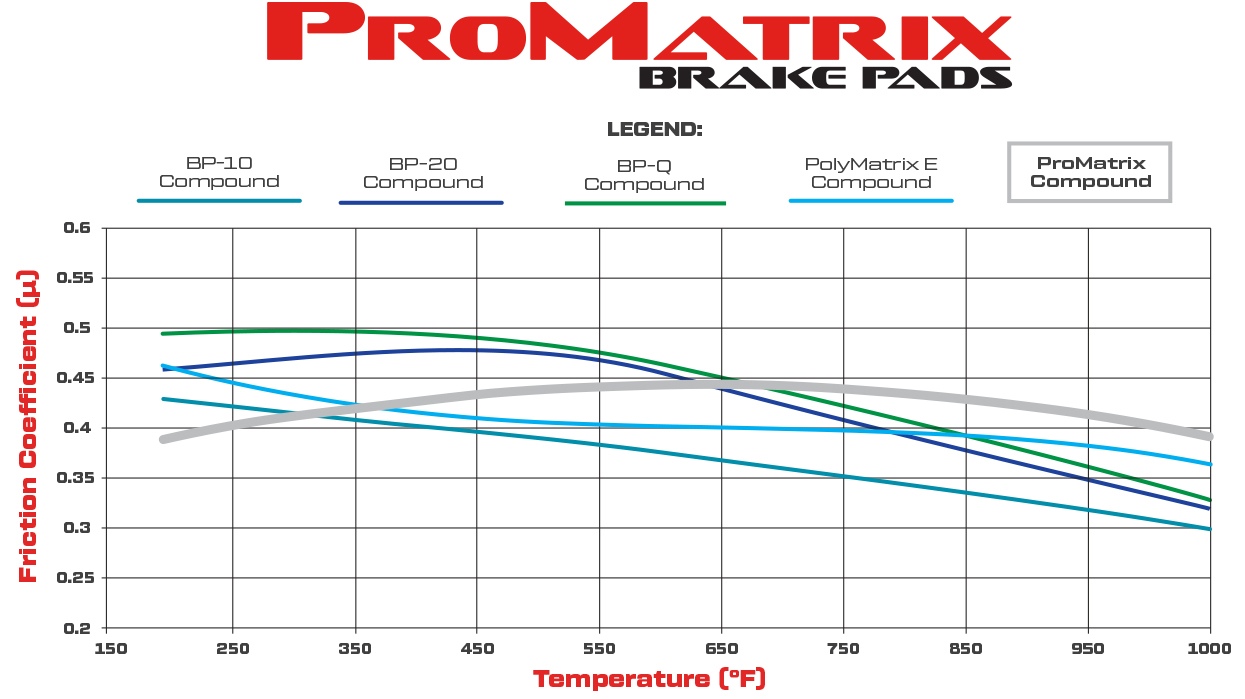
Selecting the right brake pad compounds involves understanding their performance characteristics. Consider factors like stopping power, durability, and heat resistance to ensure safe and effective braking. Evaluate the driving conditions and style to match the compound’s features with your needs.
Heat Resistance
Brake pads face intense heatduring use. Good brake pads handle this heat. They don’t lose their grip easily. High heat can cause damage. Choose pads that resist heat well.
Friction Levels
Friction is key for braking. More friction means better stopping power. Choose pads with strong friction levels. They help your car stop faster. It’s crucial for safety.
Noise And Vibration
Some brake pads can be noisy. Noise is annoying. Vibration can be felt in the car. Choose pads that reduce noise and vibration. Quiet pads are more comfortable.
Driving Conditions And Needs
Choosing the right brake pad compounds depends on your driving conditions and needs. Consider factors like vehicle type, driving style, and weather. Different compounds offer varying levels of performance, wear, and noise, so selecting the appropriate one ensures safety and efficiency.
City Driving
City driving demands brake pads that offer smooth and quiet operation. Frequent stops require pads that resist wear and provide consistent performance. Look for composite or ceramic materials which are ideal for this environment. They ensure durability and comfort during daily commutes.
Highway Use
Highway use needs brake pads with excellent heat dissipation. Pads must handle high speeds and long-distance braking. Semi-metallic pads are a good choice here. They provide strong stopping power and heat resistance. These pads work well for long drives.
Performance And Racing
Racing demands high-performance brake pads. They must deliver maximum grip and control. Choose carbon-based pads for ultimate performance. They offer quick response and high friction. Perfect for racing circuits and track days.
Maintenance And Longevity
Selecting the right brake pad compounds ensures longer lifespan and reduced maintenance. Consider factors like driving style and vehicle type. Choose materials that balance performance and durability for optimal results.
Wear And Tear
Brake pads face constant pressure and friction. This wears them down. Different compounds wear at different rates. Harder compounds last longer but can be noisy. Softer compounds are quieter but wear faster. Understanding wear can help in choosing the right compound.
Replacement Frequency
Brake pads need regular checks. Frequent replacement keeps brakes effective. Some compounds need changing every 20,000 miles. Others last up to 70,000 miles. Choose a compound based on driving habits. City driving needs more frequent changes.
Cost Considerations
Cost varies by compound type. Ceramic pads are more expensive but last longer. Organic pads are cheaper but wear quickly. Factor in long-term costs. Sometimes, spending more saves money over time. Consider initial price and replacement frequency together.
Environmental Impact
Selecting brake pad compounds with eco-friendly materials reduces harmful emissions. Consider organic options to minimize environmental impact.
Material Sustainability
Brake pads can be made from various materials. Some materials are more sustainable than others. Organic compounds are often less harmful to the environment. They are made from natural fibers and resins. Ceramic materials are also a good choice. They last long and produce less dust. Metallic pads are durable but can be noisy. They can also wear out rotors faster. Choosing sustainable materials helps protect the planet.
Emissions And Waste
Brake pads can create emissions and waste. Dust from pads can pollute the air. Ceramic brake pads produce less dust. This makes them a cleaner option. Some pads contain harmful metals like copper. These metals can wash into water bodies. Choosing low-emission pads helps reduce this impact. Recycling used brake pads can also minimize waste. Always consider the environmental effects of your brake pads.
Credit: bikecomponents.ca
Expert Recommendations
Beginnersshould choose brake pads that offer smooth and quietperformance. Focus on durabilityand ease of use. These pads are often made from organic compounds. They wear less on the brake system. Organic padsare gentle on rotors. They provide reliable stopping power for daily drives.
Experienced driversmight prefer semi-metallicor ceramic compounds. These offer better heat managementand friction. They suit high-speed and aggressive braking. Semi-metallic padshave metal particles. They are durable and perform well under pressure. Ceramic padsare quiet and produce less dust. They are ideal for sports cars and high-performance driving.

Credit: competitionmotorsport.com
Frequently Asked Questions
What Is The 30 30 30 Rule For Brakes?
The 30 30 30 rule for brakes involves maintaining 30 psi air pressure, ensuring brakes apply within 30 seconds, and inspecting every 30 days for optimal performance. This rule helps ensure efficient braking and safety in vehicles, particularly trucks and heavy machinery.
Regular checks prevent brake failures and enhance road safety.
What Stops Better, Semi-metallic Or Ceramic?
Ceramic brakes offer quieter and smoother stopping. Semi-metallic brakes provide better performance under high temperatures and heavy usage. Choose ceramic for everyday driving and semi-metallic for high-performance needs.
How Do I Know What Brake Pads Should I Get For My Car?
Consult your car’s manual for specifications. Check online for your vehicle’s make and model. Seek advice from a professional mechanic or visit an auto parts store for recommendations. Ensure compatibility with your driving style and budget.
Which Is Better, Resin Or Semi-metallic Brake Pads?
Resin brake pads offer quieter performance and better grip in wet conditions. Semi-metallic pads are more durable and provide superior heat resistance, making them ideal for aggressive braking. Choose resin pads for smoother rides and semi-metallic for performance and longevity.
Your choice depends on your driving style and needs.
Conclusion
Choosing the right brake pad compound matters. Safety and performance depend on it. Consider your driving style and environment. Are you driving in the city? Or on the track? Different compounds suit different needs. Organic pads are quieter. Ceramic pads last longer.
Semi-metallic pads offer strong stopping power. Balance cost and performance. Test the options if unsure. Consult a professional for advice. Make an informed decision. Your brakes should match your driving demands. Stay safe on the road. Prioritize your vehicle’s needs.
A suitable brake pad choice enhances your driving experience.



