
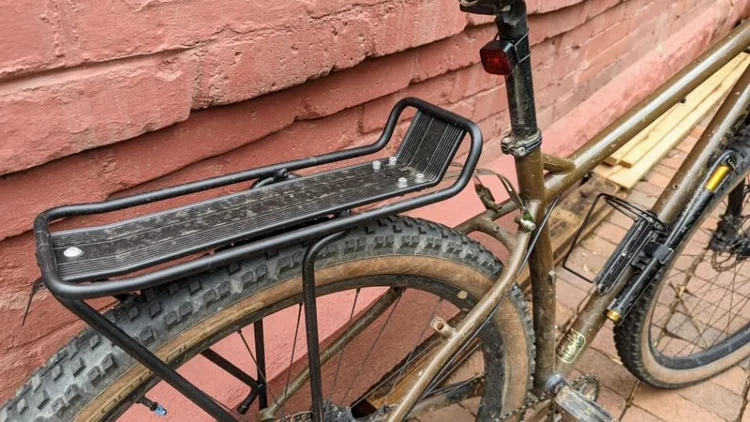
Are you gearing up for your next big adventure on two wheels? Whether you’re planning a weekend getaway or a cross-country journey, having the right bike rack can make all the difference.
Choosing the perfect bike rack for touring is not just about convenience; it’s about ensuring your beloved bike travels safely and securely. You don’t want to face unexpected hurdles or damage during your trip, right? In this guide, you’ll discover everything you need to know to make an informed decision.
We’ll break down the key features, types, and tips that will help you select a bike rack that fits both your bike and your touring needs. Keep reading to unlock the secrets to hassle-free bike transportation, so you can focus on enjoying the ride ahead!
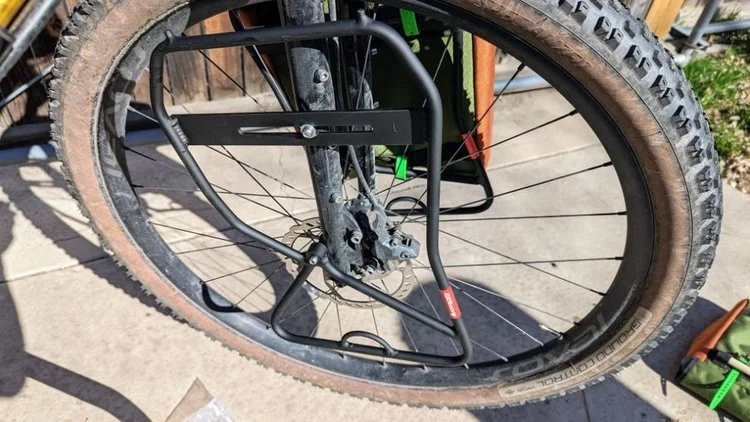
Credit: www.treelinereview.com
Types Of Bike Racks
These racks sit on top of your car. They keep bikes safe and out of the way. Installing them might be tricky. Bikes are lifted high to secure. This rack is great for cars with a strong roof.
Hitch racks attach to the back of the car. They are easy to use and install. Bikes are closer to the ground. These racks are good for heavy bikes. Some can carry more than two bikes.
These racks strap onto the trunk. They are lightweight and simple. They work well for many car types. These racks are budget-friendly. Removing them is easy when not in use.
Platform racks hold bikes securely. They keep bikes steady and safe. Loading bikes is easy with these racks. They work well with different bike sizes. The design is sturdy and strong.

Credit: www.amazon.com
Assessing Compatibility
Different vehicles need different bike racks. Cars, trucks, and SUVs are not the same. Trunk-mounted racks work well for sedans. Hitch racks are better for SUVs and trucks. Always check the rack’s weight limit. Ensure it matches your vehicle’s capacity. Some racks need a hitch receiver. Confirm your vehicle has one. Roof racks require crossbars. Verify if your vehicle supports them.
Not all racks fit every bike frame. Standard frames are easy to fit. Non-standard frames need special racks. Women’s and kid’s bikes may need adapters. Check if your bike has a thick frame. Ensure the rack can hold it securely. Some racks have adjustable arms. These help with odd-shaped frames. Always test the fit before buying. A good fit keeps your bike safe during travels.
Capacity And Weight Limits
Choosing between a rack for one bike or more is important. Single bike racks are usually lighter. They are also simpler to use. But they may not be enough for friends and family trips. Multiple bike racks hold more bikes. This means you can take more bikes on tours. Think about how many bikes you need to carry.
Check the weight limit of the rack. Each rack has a different limit. Make sure it can hold your bike’s weight. Some racks carry heavy bikes easily. Electric bikes are heavier. Choose a rack that can support them. Always look at the weight capacity before buying. This keeps your bikes safe during the trip.
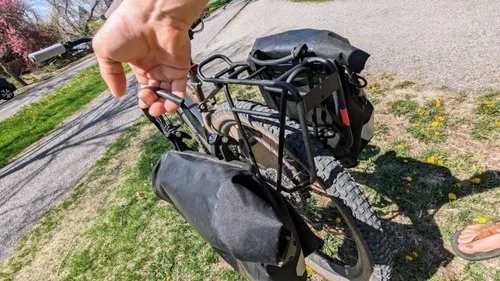
Credit: www.treelinereview.com
Ease Of Installation
Choosing a bike rack should be simple. Easy installation is key. Some racks need many tools. Others are tool-free. Look for racks that need no extra tools. They save time and are easier to use.
Tool-free Options
Some racks are easy to set up. Tool-free racks are handy. They have simple parts. You can attach them quickly. No need for screwdrivers or wrenches. Check for a secure fit. It should hold your bike firmly.
Time Efficiency
Fast installation is important. Quick setup saves time. Some racks take only minutes. Others take longer. Choose a rack that is fast to install. This gives you more time to enjoy your ride.
Security Features
Choose a bike rack with sturdy locking mechanisms to keep your bike safe during tours. Look for racks with adjustable security features. This ensures flexibility and protection against theft.
Locking Mechanisms
Bike racks need strong locking mechanisms. This keeps bikes safe. Many racks come with built-in locks. These locks are hard to break. Always check the lock quality. Some locks use keys. Others use codes. Choose what you find easy.
Anti-theft Measures
Protecting your bike from theft is important. Some racks have extra features. These stop thieves. Look for racks with strong metal. This makes it tough to cut. Some racks have alarms. Alarms make noise if someone tries to steal. These features keep your bike safe.
Durability And Materials
Selecting a bike rack for touring involves considering durability and materials. Opt for racks made from strong metals like aluminum or steel. These materials ensure longevity and can withstand various weather conditions.
Weather Resistance
Bike racks must withstand rain, sun, and wind. Rust-proof materials last longer. Stainless steel and aluminum are great choices. Coatings like powder or zinc help protect. These keep the rack looking new. Check for UV resistance too. This stops fading from sunlight.
Material Quality
Strong materials hold bikes safely. Steel is strong but heavy. Aluminum is light but can be less sturdy. Look for racks with reinforced joints. This adds extra strength. Avoid plastic parts as they can break. Quality materials ensure a safe journey.
Cost Considerations
Choosing a bike rack doesn’t mean spending a lot of money. Many racks offer good quality at a lower price. Look for racks made of sturdy materials. They should handle your bike safely. Some racks are easy to install without tools. This saves time and money. Foldable racks are great. They save space when not in use. Always check for sales or discounts. This helps keep costs down.
Premium racks come with extra features. They often have better security locks. This keeps bikes safer. Some have adjustable arms. This helps fit different bike sizes. Anti-sway technology is common. It stops bikes from moving too much. Look for racks with easy loading systems. This makes putting bikes on simple. Premium racks often last longer. They use high-quality materials. This makes them a good investment.
User Reviews And Recommendations
User reviews can offer real insights on bike rack durability and ease of use. Recommendations often highlight racks suitable for varied touring needs, ensuring a secure fit for bikes.
Expert Opinions
Experts suggest checking the material of the bike rack. Steel racks are strong and last long. Aluminum racks are light and easy to carry. Experts also recommend checking the weight limit. Ensure it can hold your bike safely. Installation is another point. Choose a rack that’s easy to put on and take off.
Customer Feedback
Customers often praise racks that are easy to use. They like racks that fit different bike sizes. Durability is a big deal for many. People prefer racks that don’t rust. Feedback shows that adjustable racks get high marks. Easy storage is a plus. Customers appreciate racks that fold when not in use.
Maintenance Tips
Choosing the right bike rack for touring involves considering capacity, compatibility, and ease of installation. Look for durable materials and secure attachment systems to ensure stability during travel. Prioritize racks that accommodate your specific bike model and touring needs for a hassle-free journey.
Regular Checks
Check the bolts and screwson your bike rack often. Make sure they are tight and secure. Inspect the rack for rustor damage. Look for cracks or weak spots. Test the stabilityby gently shaking the rack. Ensure it doesn’t wobble. A stable rack keeps your bike safe. Use a flashlight to check the hidden areas. Sometimes dirt builds up there.
Cleaning Guidelines
Clean your bike rack with warm water and mild soap. Avoid strong chemicals. They can damage the rack’s surface. Use a soft cloth to wipe it down. Rinse thoroughly to remove soap residue. Dry the rack completely with a towel. Moisture can cause rust. Make sure the rack is dry before storing. Regular cleaning keeps the rack looking new. It’s important for long-term use.
Frequently Asked Questions
What Types Of Bike Racks Are Best For Touring?
For touring, consider racks that are durable, lightweight, and easy to install. Popular types include rear racks, front racks, and pannier racks. They offer ample space for gear and balance the bike’s weight effectively.
How Do I Choose The Right Size Bike Rack?
To choose the right size, consider your bike’s frame and tire size. Measure the available mounting points and ensure the rack fits securely. Check compatibility with your bike model for a safe and snug fit.
Are There Specific Materials Best For Bike Racks?
Yes, materials like aluminum and steel are ideal. Aluminum is lightweight and rust-resistant, while steel offers durability and strength. Choose based on your touring needs and budget.
Can Bike Racks Affect Bike Handling?
Yes, bike racks can impact handling. Ensure balanced weight distribution to minimize any negative effects. Choose racks designed for stability and consider lighter loads for better control.
Conclusion
Choosing the right bike rack is essential for a smooth tour. Think about your bike type and the touring length. Consider weight capacity and ease of use. Ensure compatibility with your vehicle. Check for durability and security features. Look for racks that fit your budget but don’t compromise quality.
Reading reviews can help make informed decisions. Remember, a good bike rack enhances your touring experience. It keeps your bike safe and secure. So, plan well, and enjoy your adventure with peace of mind. Safe travels!



