
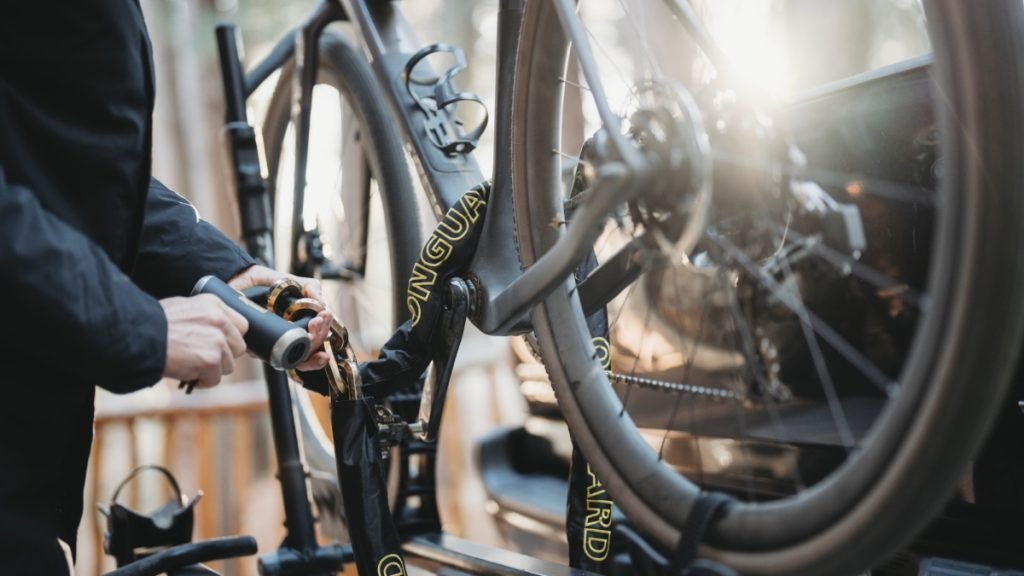
Choosing the right bike lock thickness can be the key to keeping your beloved bicycle safe and sound. If you’ve ever had that sinking feeling of finding your bike missing, you know just how important this decision is.
But with so many options out there, how do you pick the perfect thickness that balances security with convenience? It’s easy to feel overwhelmed, but don’t worry. This guide is here to help you make a confident choice. By understanding what thickness means for your lock, you’ll be able to protect your bike more effectively.
Ready to find out how to keep your bike secure and your peace of mind intact? Let’s dive in and discover what thickness is best suited for your needs.
Importance Of Bike Lock Thickness
Bike locks protect your bike from thieves. Thicker locks offer better security. Thin locks are easier to break. You should choose wisely.
Thick locks resist cutting tools. Thieves struggle with bolt cutters. This makes your bike safer. Check the lock’s thickness before buying.
Consider the lock’s weight. Thick locks are heavy. They may be hard to carry. Balance security with comfort.
Materials matter too. Steel locks are strong. Plastic locks are weak. Choose a lock with good materials.
Use locks with keys or codes. Key locks are reliable. Code locks offer flexibility. Decide which fits your needs.
Always lock your bike properly. Secure both wheels and frame. Place the lock high for best security.
Credit: www.cyclingnews.com
Factors Influencing Lock Thickness
Material strength affects lock thickness. Stronger materials need less thickness. Steel is often used. It’s very strong. Some locks use alloys. They mix metals for strength. Strong materials mean better protection. Thinner locks can still be tough.
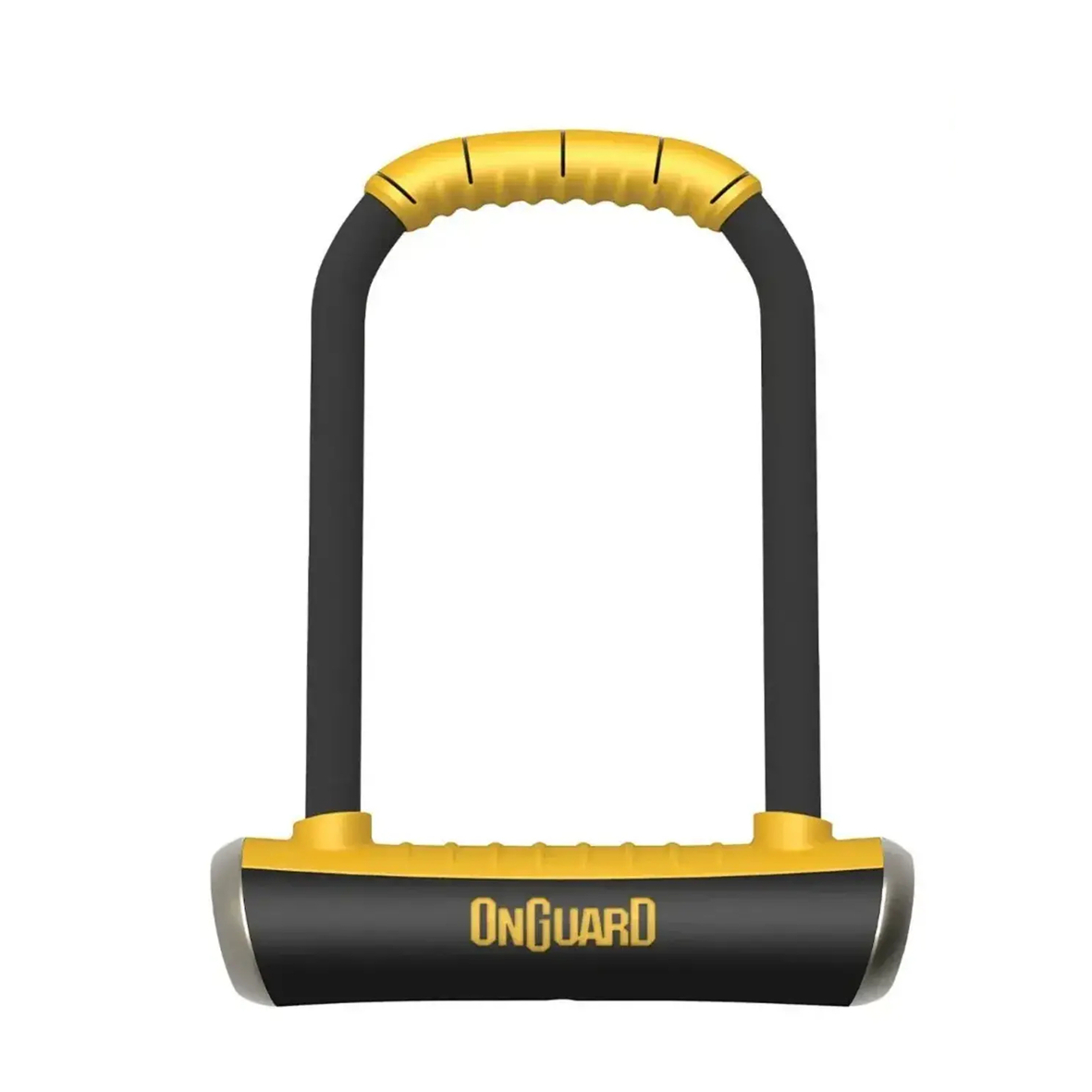
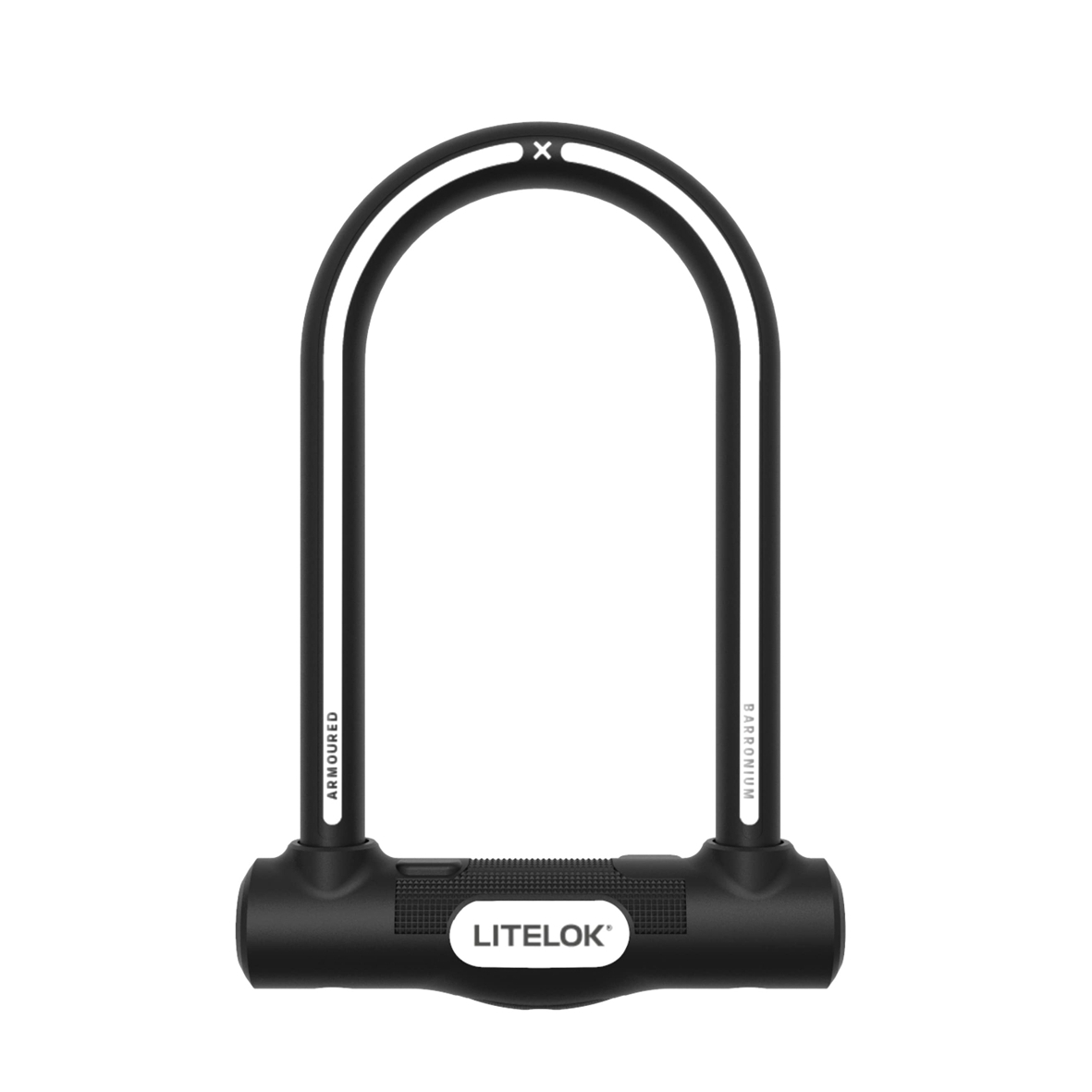
Different locks have different types. U-locks are usually thick. They are very secure. Chain locks vary in thickness. Thicker chains are harder to cut. Cable locks are thinner. They are flexible but less secure. Lock type matters for protection.
Where you use the lock is important. For home, thicker locks are best. They provide better security. For short trips, thinner locks can work. They are easier to carry. Choose thickness based on need. Think about safety and convenience.
Common Thickness Options
Choosing the right bike lock thickness is crucial for security. Thicker locks offer better protection against theft. Opt for a thickness that balances portability and safety to match your needs.
Lightweight Locks
Lightweight locks are easy to carry. They usually have a thickness of 5-7mm. These locks are good for quick stops. Bicycles are safe in low-risk areas. Lightweight locks are not very strong. They are easy to cut with tools. Use them for short trips only. Always keep an eye on your bike. Lightweight locks are best for kids’ bikes.
Medium Security Locks
Medium security locks are stronger. Their thickness ranges from 8-12mm. They offer better protection. These locks are harder to cut. Suitable for city use. They provide good security for daily commuting. Medium locks balance weight and safety. They are reliable for moderate-risk areas. A smart choice for regular cyclists.
Heavy-duty Locks
Heavy-duty locks are the strongest. Their thickness is over 13mm. They are very hard to cut. These locks protect bikes in high-risk areas. They are heavier to carry. Best for expensive bikes. Heavy-duty locks offer maximum security. Perfect for long-term parking. Safety comes first with these locks.
Credit: www.cyclingnews.com
Comparing Lock Types
Cable locks are light and flexible. They are easy to carry. But, they are not very strong. Thieves can cut them easily. Use them for short stopsor in safe areas. They are not good for high crime places.
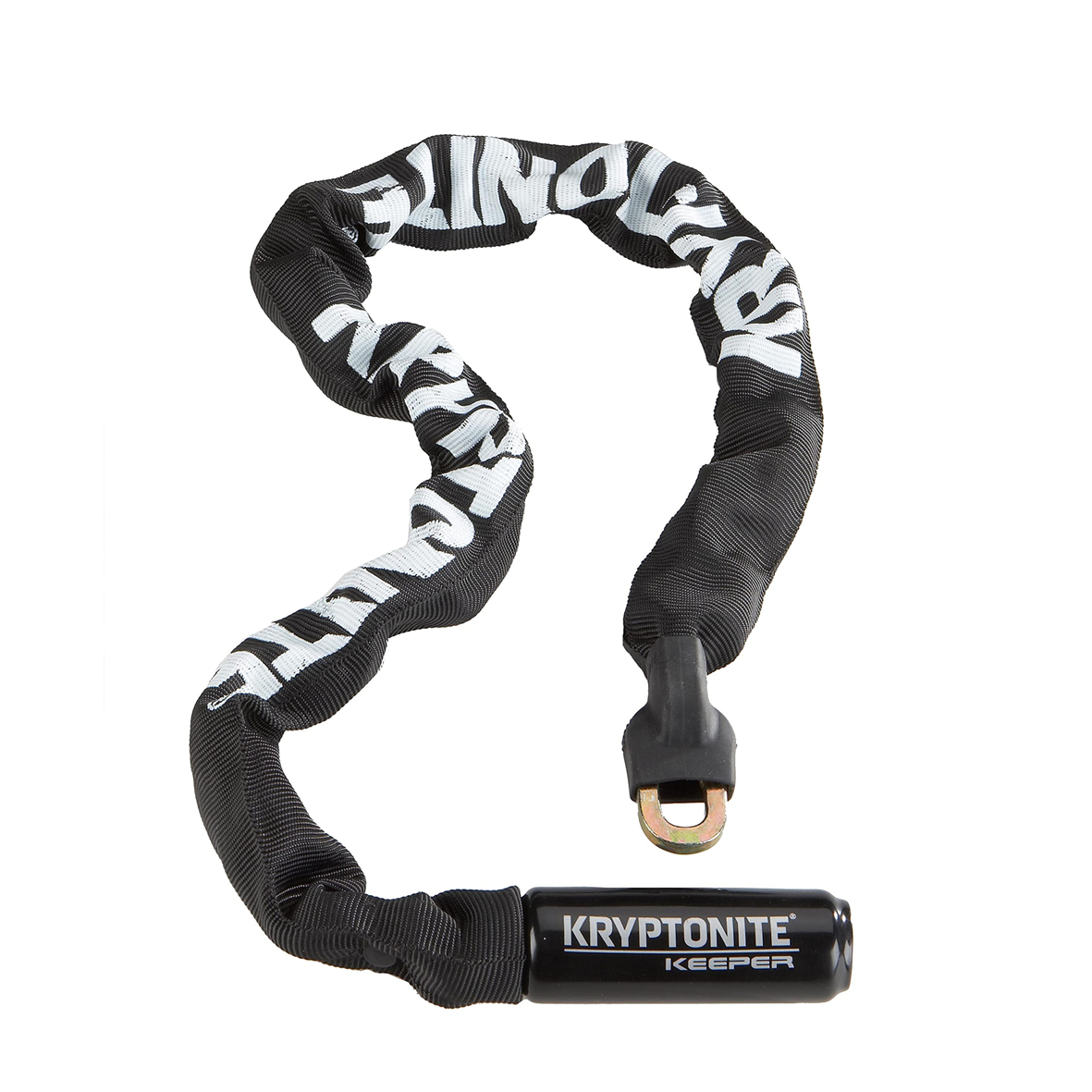
Chain locks are strongerthan cable locks. They have a heavy chain. The chain is hard to cut. They are good for long stops. But, they are heavy to carry. Use them in places with more risk.
U-locks are very secure. They are hard to break. Thieves find them tough to open. They are strong and reliable. They are not very flexible. Use them in busy or unsafe areas.
Folding locks are compact and portable. They fold up into a small size. Easy to carry in a bag. They are stronger than cable locks. Not as strong as U-locks. Good for medium security needs.
Evaluating Security Needs
Choosing the right bike lock thickness is crucial for security. Consider the risk level in your area. Thicker locks offer more protection but may be heavier.
Urban Vs. Rural Areas
In cities, theft risk is high. Choose a thicker lock for safety. Urban areas need more protection. Rural areas are less risky. A thinner lock might work there. Think about where you park your bike.
Duration Of Bike Parking
Short parking times need less security. A thinner lock is fine. For long hours, use a thicker lock. Thieves have more time if you leave your bike long. Thicker locks keep your bike safer for many hours.
Value Of The Bicycle
Expensive bikes need strong locks. A thick lock keeps them safe. Cheap bikes might need less protection. But, even a cheap bike should be locked. Protect what you value, even if it’s not expensive.
Balancing Security And Portability
Choosing the right bike lock thickness is crucial for ensuring both security and ease of transport. Thicker locks offer better protection but can be heavy and cumbersome to carry. Finding the balance between security and portability helps in selecting the most suitable lock for your needs.
Weight Considerations
Bike lockscome in different sizes and weights. A thicker lock is often heavier. This can make it harder to carry. But, it may keep your bike safer. A heavier lock can stop thieves. Think about how far you will carry your lock. A big lock might not be best for long rides. Choose a lock that feels right for you.
Ease Of Transport
Light locks are easier to carry. They can fit in bags or on your bike. Some locks have clips. Clips help attach the lock to your bike. This makes it easier to bring along. Check if the lock fits your backpack or bike. It should be easy to use every day.
Tips For Optimal Locking
Choosing the right bike lock thickness is key to deterring theft. Thicker locks offer greater security, making it harder for thieves to cut through. Balance thickness with portability for everyday use.
Proper Locking Techniques
Choose a lock with strong materials. Steel is a good choice. Loop the lock through the bike frame. Make sure to include the rear wheel. Lock bikes to fixed objects. Avoid flimsy poles and fences. Check if the lock fits tightly. A tight lock is harder to break.
Securing High-risk Areas
Use multiple locks for more security. Combine a U-lock with a chain lock. Secure your bike in busy spots. Thieves avoid crowded areas. Lock your bike near security cameras. Cameras can deter thieves. Choose well-lit areas for parking. Light helps prevent theft.
Additional Security Measures
Choosing the right bike lock thickness is crucial for security. Thicker locks offer better protection against thieves. Consider a lock with a thickness of at least 12mm for optimal safety.
Using Multiple Locks
Multiple locks make bikes safer. Thieves dislike spending more time on locks. Use a U-lock and a chain lock together. Make sure locks are strong and hard to break. Lock both wheels and the frame. This prevents thieves from taking parts. Variety helps confuse thieves. Different types of locks add extra security. More locks mean more safety for your bike.
Tracking Devices
Tracking devices help find stolen bikes. A small device hides on the bike. GPS signals show where the bike is. Alerts come to your phone if the bike moves. Thieves can’t hide stolen bikes easily. Trackers are easy to use. They fit on most bikes. Peace of mind comes with tracking devices. You can find your bike fast and easy.
Credit: www.cyclingnews.com
Frequently Asked Questions
How Thick Should My Bike Lock Be?
A bike lock should be at least 12-15mm thick for optimal security. Thicker locks offer better protection against theft. Choose a lock made from hardened steel for durability. Always prioritize quality and strength to safeguard your bike effectively.
What Level Of Bike Lock Do I Need?
Choose a lock based on your bike’s value and where you park. High-value bikes need strong U-locks or chains. For daily urban use, consider a robust U-lock. Secure quick-release parts like wheels with cable locks. Always prioritize security in high-theft areas.
How To Pick A Good Bike Lock?
Choose a U-lock or chain lock for strong security. Ensure it fits your bike and is made of hardened steel. Consider locks with anti-theft features and a high-security rating. Opt for a lock with a durable design to withstand weather conditions.
Always lock your bike to a fixed, immovable object.
How To Choose Lock Size?
Measure the door’s thickness and backset. Choose a lock that matches these dimensions. Consider security rating and compatibility with existing hardware. Ensure the lock fits the aesthetic of the door and is suitable for its location, like exterior or interior use.
Compare brands for quality and warranty options.
Conclusion
Choosing the right bike lock thickness is crucial for security. Thicker locks offer more safety but can be heavier. Consider your neighborhood’s safety level. Balance between security and convenience is key. For areas with high theft risk, opt for thicker locks.
Lightweight locks work better in safer spots. Remember, no lock is unbreakable, but a good thickness deters thieves. Consider your bike’s value and your budget. Keep these factors in mind to protect your bike effectively. Prioritize what suits your lifestyle and cycling needs.
A well-chosen lock gives peace of mind. Safe cycling!



