
Imagine cruising down a winding path on your bike, feeling the wind on your face and the thrill of the ride. Suddenly, you need to stop, but your brakes don’t respond the way you expect.
Scary, right? The importance of choosing the right bike brakes cannot be overstated. They are essential for your safety and control, transforming your biking experience from nerve-wracking to exhilarating. As you consider which bike brakes are best for your needs, you might feel overwhelmed by the variety of options available.
But don’t worry, because this guide is here to help you make an informed choice. Whether you’re an adrenaline junkie hitting mountain trails or a casual rider enjoying city streets, your brakes should give you confidence and peace of mind. Dive into this article to discover the crucial factors that will steer you towards the perfect bike brakes. Your ride deserves nothing less than reliability and precision, ensuring every journey is as smooth and secure as possible. Let’s uncover the secrets to choosing bike brakes that will keep you safe and enhance your cycling adventures.
Types Of Bike Brakes
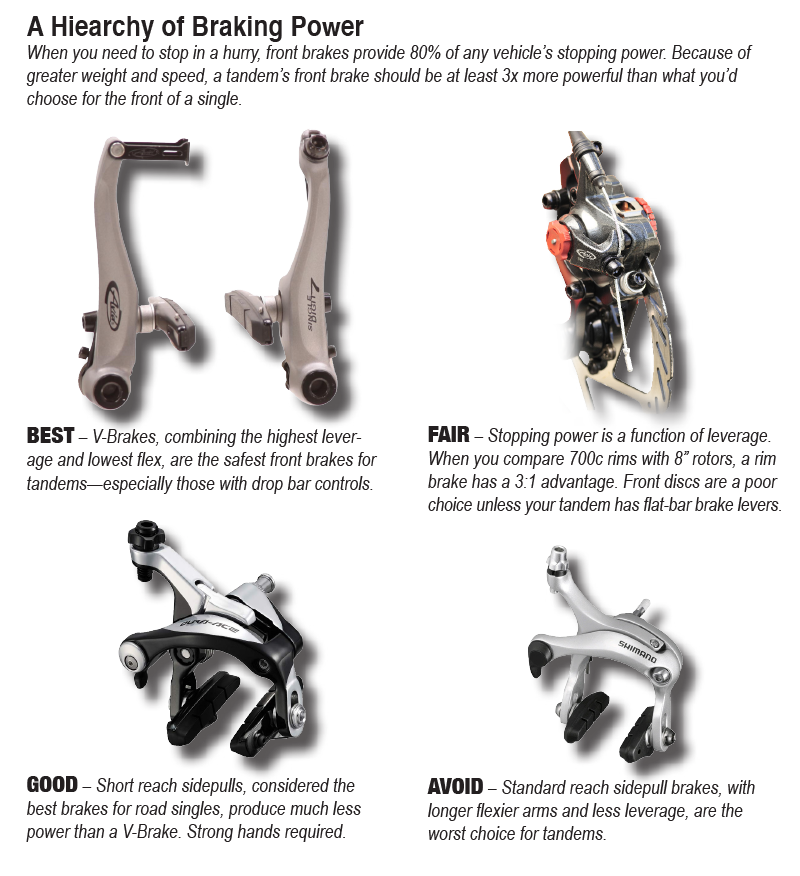
Rim brakes are common on many bikes. They use pads that press against the rim to stop. These brakes are light and easy to repair. They perform well in dry conditions but may slip when wet. Rim brakes are cost-effective and simple to adjust. They are ideal for road bikes and casual cycling.
Disc brakes offer strong and reliable stopping power. They work in all weather conditions, including rain. These brakes use a rotor attached to the hub. They are heavier and cost more than rim brakes. Disc brakes are perfect for mountain biking. They require regular maintenance to perform well.
Drum brakes are sealed and low-maintenance. They have brake shoes inside a drum attached to the hub. These brakes are less affected by weather. They are heavier than other types, making them less common on racing bikes. Drum brakes are suitable for city bikes and commuting.
Coaster brakes are simple and easy to use. Pedal backward to engage these brakes. They are common on kids’ bikes and some cruisers. No brake levers are needed, keeping handlebars clean. Coaster brakes work well for casual biking. They provide a smooth and controlled stop.
Factors To Consider
Different terrains need different brakes. Mountain biking needs strong brakes. City riding prefers light brakes for easy stops. Consider your riding style. Fast riders need brakes that stop quickly. Casual riders need smooth brakes. Choose brakes that match your ride.
Weather affects brake performance. Wet conditions need brakes that grip well. Dry weather allows more brake options. Cold weather can impact brake function. Choose brakes that work in your weather. Reliable brakes keep you safe.
Some brakes need regular checks. Others work well with less care. Busy riders need low-maintenance brakes. Regular maintenance helps brakes last longer. Easy-to-maintain brakes save time and effort.
Brake prices vary widely. Set a budget before shopping. High-quality brakes may cost more. Affordable brakes can still offer good performance. Balance cost with brake features. Choose brakes that fit your budget.
Comparing Braking Performance
Selecting the right bike brakes depends on understanding braking performance. Consider stopping power, weather conditions, and maintenance needs. Disc brakes offer strong performance in wet conditions, while rim brakes are lighter and easier to maintain.
Stopping Power
Bicycle brakes need strong stopping power. Good brakes stop the bike quickly. Disc brakes are known for their powerful stopping. Rim brakes can be less powerful but are lighter. Choose brakes that give the best power for your riding style.
Modulation
Modulationmeans control over braking pressure. Smooth modulation helps riders slow down gently. Disc brakes often have better modulation. Rim brakes might feel less smooth. For gentle stops, good modulation is key.
Durability
Brakes should last a long time. Durabilityis important for riders. Disc brakes usually last longer. Rim brakes might need more frequent changes. Strong and durable brakes save money over time.

Credit: www.thecyclisthouse.com
Installation And Compatibility
Consider brake compatibility with your bike’s frame and fork design. Ensure the brakes fit well for optimal performance. Proper installation is crucial for safety and efficiency.
Frame And Fork Compatibility
Choosing the right brakes is important. Check your bike’s frame and fork. They must be compatible with the brake type. Some frames fit only specific brakes. Measure the space available. Ensure the brakes fit without touching tires or frame. Disc brakes need special mounts on the frame. Rim brakes use different mounts. Compatibility ensures safety and performance.
Ease Of Installation
Easy installation saves time and effort. Many brakes come with simple instructions. Look for brakes with included tools. Some brakes require special tools. Check if you need a professional to install them. Quick-release systems make removal easy. Ensure the brakes align correctly for smooth stopping. Proper installation enhances safety and reduces wear.
Expert Tips For Choosing Brakes
Selecting the right bike brakes ensures safety and performance. Consider brake type and terrain compatibility. Evaluate ease of maintenance and durability for long-lasting use.
Consulting With Professionals
Talking to bike experts is very helpful. They know a lot about different brake types. They can explain how each type works. Ask them about brake durabilityand safety. It’s good to learn about brake materials. Experts can tell you which materials last longer. They can also suggest brakes that fit your biking style. Visiting a bike shop can be a great idea. You can see brake models up close.
Testing Before Buying
Try brakes before buying them. Testing helps you know if they are comfortable. Check if brakes stop the bike quickly. It’s important to feel safe when biking. Testing gives you a chance to see how brakes work in real life. Some brakes are easier to use than others. Make sure to test different brake types.
Credit: www.emotorad.com
Maintenance And Care
Selecting the right bike brakes is crucial for safety and performance. Consider your riding style and terrain. Ensure compatibility with your bike model for optimal function.
Regular Inspections
Check your bike brakes often. Look for wear and tear on brake pads. Ensure brake cables are not frayed or rusted. Tighten loose bolts. Test the brakes by pressing them. They should stop the wheels quickly. If they squeak, adjust them. Inspect the brake levers. They should feel firm when pressed. Always keep an eye on brake fluid levels in hydraulic brakes.
Cleaning And Lubrication
Keep brakes clean for better performance. Use a damp cloth to wipe off dirt. Avoid using oil on brake pads. Lubricate the brake cables lightly. This helps them move smoothly. Clean the rims and rotors with rubbing alcohol. This removes grease and grime. Never use soap on disc brakes. It can make them slippery.

Credit: www.bikeradar.com
Frequently Asked Questions
How Do I Know What Brakes To Get For My Bike?
Check your bike’s manual for brake specifications. Consider the type of riding and terrain. Choose between disc or rim brakes based on performance needs. Visit a local bike shop for expert advice. Ensure compatibility with your bike’s frame and wheels for optimal safety and efficiency.
Which Type Of Bike Brake Is Best?
Disc brakes offer the best performance and reliability. They provide better stopping power and work well in wet conditions. Hydraulic disc brakes are preferred for their smooth modulation and reduced maintenance. For casual riders, rim brakes are lighter and more affordable but less effective in adverse conditions.
Which Is Better, V-brake Or Disc-brake?
Disc brakes offer better performance in wet conditions and steep descents. V-brakes are lighter and easier to maintain. Choose based on your cycling needs and terrain.
Which Brake Should I Use On My Bike?
Use the front brake for more stopping power, especially downhill. Use the rear brake for stability. Combine both for effective braking. Ensure brakes are well-maintained and suited for your bike type. Practice safe braking techniques to enhance control and safety while riding.
Conclusion
Choosing the right bike brakes is essential for safe riding. Consider your biking needs and terrain. Disc brakes offer strong stopping power, ideal for mountain trails. Rim brakes are lighter and suit road bikes well. Check brake compatibility with your bike model.
Regular maintenance is crucial for brake performance. Clean and adjust them frequently. Test the brakes before every ride. This ensures safety and reliability. Seek expert advice if unsure about your choice. A good brake system enhances your biking experience. Make informed decisions for a smooth and safe journey.
Happy cycling!



