
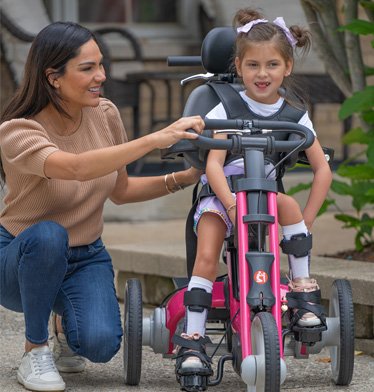
Choosing the right adaptive bike can change how you move, explore, and enjoy your surroundings. But with so many options out there, it’s easy to feel overwhelmed.
You want a bike that fits your needs perfectly, offers comfort, and gives you confidence every time you ride. In this guide, you’ll discover simple steps to find the adaptive bike that works best for you. Keep reading, and soon you’ll be ready to ride with ease and freedom.
Credit: www.rifton.com
Benefits Of Adaptive Bikes
Adaptive bikes help people with different abilities enjoy cycling. They make biking easier and safer.
These bikes support users by changing the bike to fit their needs. They offer freedom and fun outdoors.
Improved Mobility
Adaptive bikes help users move around more easily. They support those who find regular bikes hard to use.
This means users can travel short or long distances without help. They gain more independence.
Better Physical Health
Riding an adaptive bike is good exercise. It helps build strength and improves heart health.
Users can enjoy fresh air and stay active. This boosts their overall well-being.
Enhanced Safety Features
Adaptive bikes come with safety options like extra supports and stability aids. These help prevent falls.
They allow users to ride with more confidence. Safety features protect riders and reduce accidents.
Custom Comfort
These bikes adjust to fit the rider’s size and needs. This makes riding more comfortable for everyone.
Comfort helps riders stay on the bike longer. It reduces pain and strain during rides.
Social Inclusion
Adaptive bikes help people join group rides and activities. They encourage social interaction and fun.
Riding together builds friendships and community. Everyone can enjoy biking regardless of ability.

Credit: ferlafamilybikes.com
Types Of Adaptive Bikes
Adaptive bikes help people with different abilities enjoy cycling. They come in many styles to fit needs and preferences.
Choosing the right type depends on balance, strength, and how you want to ride. Here are common types of adaptive bikes.
Handcycles
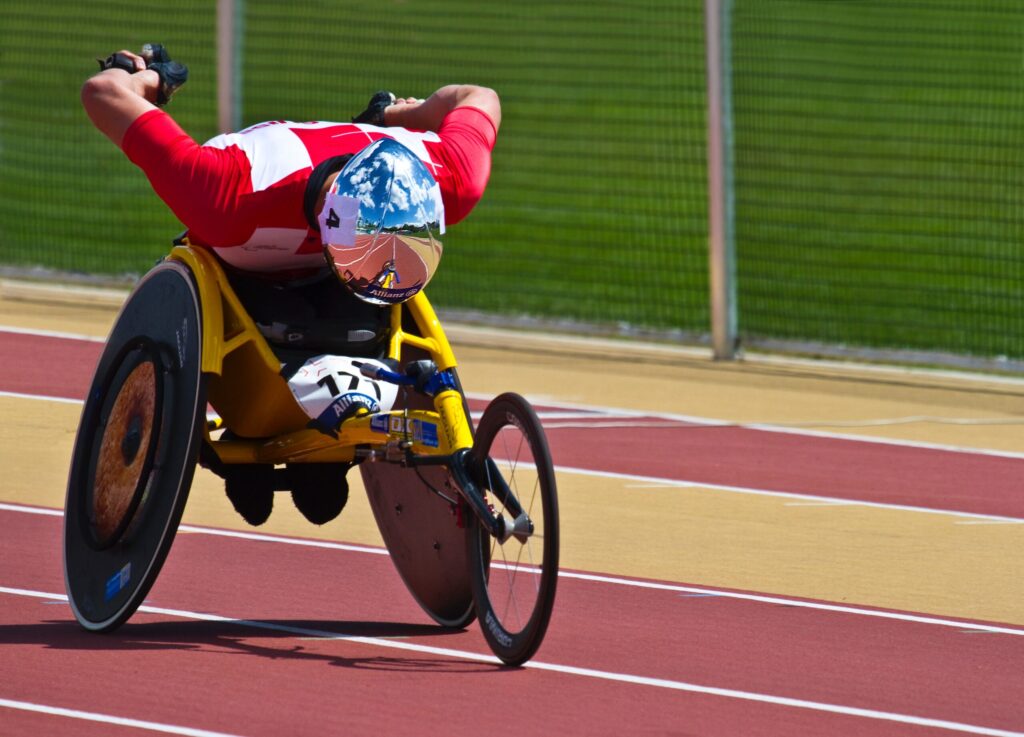
Handcycles are powered by hand pedals instead of foot pedals. They are good for people with lower body disabilities.
These bikes offer good upper body exercise and can be used on roads or trails. They come in different speeds and styles.
Tricycles
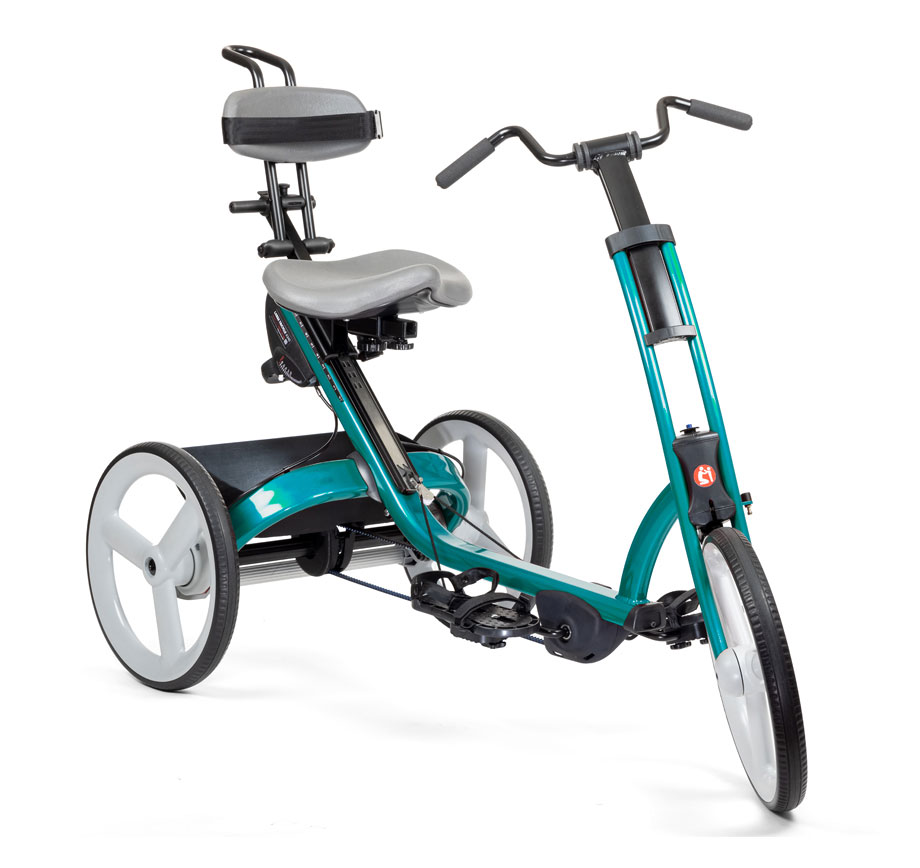
Tricycles have three wheels, which gives more balance and stability. They are helpful for riders who have trouble keeping balance.
These bikes allow riders to sit comfortably and pedal with their feet. Some models have extra support or adjustable seats.
Tandem Bikes
Tandem bikes are made for two riders. One person pedals in front and the other at the back.
They are good for riders who need assistance but still want to enjoy cycling with a partner.
Recumbent Bikes
Recumbent bikes have a reclined seat that supports the back and hips. Riders pedal with their legs in front of them.
They are comfortable for long rides and reduce stress on joints. These bikes can have two or three wheels.
Assessing Rider Needs
Choosing the right adaptive bike starts with understanding the rider’s needs. Knowing these needs helps find a bike that fits well and is safe.
Each rider is unique. Looking at their abilities and daily activities guides the best bike choice.
Physical Abilities
Check the rider’s strength, balance, and coordination. These affect what type of bike works best.
Some riders may need extra stability or help with pedaling. Others might need hand-powered bikes.
- Assess muscle strength in legs and arms
- Test balance and coordination skills
- Consider any joint or mobility limits
- Decide if pedal assistance is necessary
Comfort And Support
Comfort is key to enjoy riding. Look for seats and handlebars that support the rider’s posture.
Good support reduces fatigue and prevents injuries during rides.
- Choose adjustable seats and backrests
- Consider padded seats for longer rides
- Look for easy-to-reach handlebars
- Check if footrests or straps are needed
Intended Use
Think about where and how the bike will be used. Different places need different bike features.
Consider if the rider will use the bike for exercise, travel, or fun outings.
- Use on smooth paths or rough terrain?
- Short rides or long distances?
- Need for storage or carrying items?
- Will the bike stay indoors or outside?
Key Features To Consider
Choosing the right adaptive bike can improve comfort and independence. Look at important features to find one that fits your needs.
Focus on frame design, adjustability, stability, and control systems. These aspects affect how well the bike works for you.
Frame Design And Size
The frame should match your body size and the type of riding you plan to do. A well-sized frame helps with comfort and control.
Look for frames made from strong, lightweight materials. This makes the bike easier to handle and lasts longer.
Adjustability
An adaptive bike must fit your body well. Adjustable parts allow you to customize the bike as you grow or if your needs change.
- Seat height and angle
- Handlebar height and width
- Pedal position and type
- Backrest and support adjustments
Stability And Safety
Check the bike’s stability features. A stable bike reduces the risk of falls and helps you feel secure.
| Feature | Benefit |
|---|---|
| Wide wheelbase | Improves balance |
| Low center of gravity | Prevents tipping |
| Reflectors and lights | Increase visibility |
| Strong brakes | Offer reliable stopping power |
Control Systems
Choose control systems that match your physical abilities. Easy-to-use controls improve riding experience and safety.
Common control system types:
- Hand pedals for arm power
- Foot pedals with straps
- Electric assist for extra help
- Custom controls for limited mobility
Testing And Fitting
Choosing the right adaptive bike requires careful testing and fitting. This ensures comfort and safety for the rider.
Trying out different bikes and getting professional help can make a big difference in finding the best fit.
Trial Rides
Taking trial rides helps you feel how the bike handles and fits your needs. Test rides show how well you can control the bike.
- Check the seat comfort and support
- Test the reach to pedals and handlebars
- Try different terrains if possible
- Notice how stable and balanced the bike feels
- Ask about adjusting parts during the trial
Professional Fitting Services
Experts use measurements and experience to adjust the bike to your body. This service improves riding comfort and efficiency.
| Fitting Aspect | Purpose |
| Seat Height | Allows proper leg extension |
| Handlebar Position | Reduces strain on arms and back |
| Pedal Alignment | Ensures smooth pedaling motion |
| Support Accessories | Improves balance and safety |
Budget And Financing Options
Choosing an adaptive bike means thinking about your budget. Bikes come in many prices. Knowing your options helps you find the right one.
Financing can make buying easier. There are ways to get help with the cost. Learn about price ranges and ways to pay.
Price Ranges
Adaptive bikes vary in price. Basic models cost less. More features and custom fits make the price higher.
- Entry-level bikes start around $500 to $1,000
- Mid-range bikes often cost $1,000 to $3,000
- High-end or custom bikes can be $3,000 or more
Think about what features you need. Set a budget before you shop. This helps you focus on bikes in your range.
Insurance And Grants
Insurance sometimes covers adaptive bikes. Check your policy to see if it helps pay. You may need a doctor’s note.
Grants are another way to get money. Many groups offer grants for adaptive bikes. These can lower your cost or cover it fully.
- Contact local disability organizations for grant info
- Ask your healthcare provider about insurance coverage
- Search online for adaptive bike funding programs
Maintenance And Support
Choosing an adaptive bike means thinking about how to keep it working well. Proper care extends the life of the bike and keeps it safe to use.
Support from the seller or manufacturer is important. It helps solve problems and keeps the bike in top shape.
Upkeep Tips
Regular checks and simple fixes help your bike last longer. Look at key parts to avoid bigger problems.
- Inspect tires for wear and proper pressure
- Clean the chain and apply lubricant
- Check brakes for good response and pad wear
- Tighten loose bolts and screws
- Adjust seat and handlebars for comfort
- Store the bike indoors to avoid rust
After-sales Service
Good after-sales service helps keep your bike ready to ride. Know what support options are available before buying.
| Service Type | Description | Typical Duration |
| Warranty | Repair or replace parts with defects | 1 to 3 years |
| Maintenance Plan | Regular tune-ups and inspections | Monthly or yearly |
| Customer Support | Help with questions and troubleshooting | During business hours |
| Spare Parts | Availability of replacement parts | Varies by model |
Credit: www.mhw-bike.com
Frequently Asked Questions
What Is An Adaptive Bike And Who Needs It?
An adaptive bike is designed for individuals with physical or mobility challenges. It offers customized support and stability. It helps users enjoy cycling safely and comfortably. Adaptive bikes accommodate various disabilities, enhancing independence and physical activity.
How To Determine The Right Adaptive Bike Size?
Measure the rider’s height and leg length accurately. Check the bike’s size chart for the best fit. Proper sizing ensures comfort and safety. Consult with a specialist or retailer for personalized advice.
What Features Should I Look For In Adaptive Bikes?
Look for adjustable seats, handlebars, and pedal positions. Consider stability options like three or four wheels. Check for easy transfer features and safety accessories. Features should match the rider’s specific needs and abilities.
Are Adaptive Bikes Suitable For All Terrains?
Many adaptive bikes are designed for various surfaces like pavement, trails, or grass. Choose a model with appropriate tires and suspension. Terrain suitability depends on the bike’s design and the user’s skill level.
Conclusion
Choosing the right adaptive bike is important for your comfort. Consider your specific needs carefully. Think about the bike’s features and how they match your lifestyle. Test different models if possible. Listen to expert advice and read user reviews. Make sure the bike fits your budget without compromising quality.
Discuss options with friends or family who have experience. Remember, the perfect bike should feel right for you. Take your time and make a thoughtful decision. Your adaptive bike should enhance your mobility and bring joy to your rides. Enjoy the journey ahead!



