
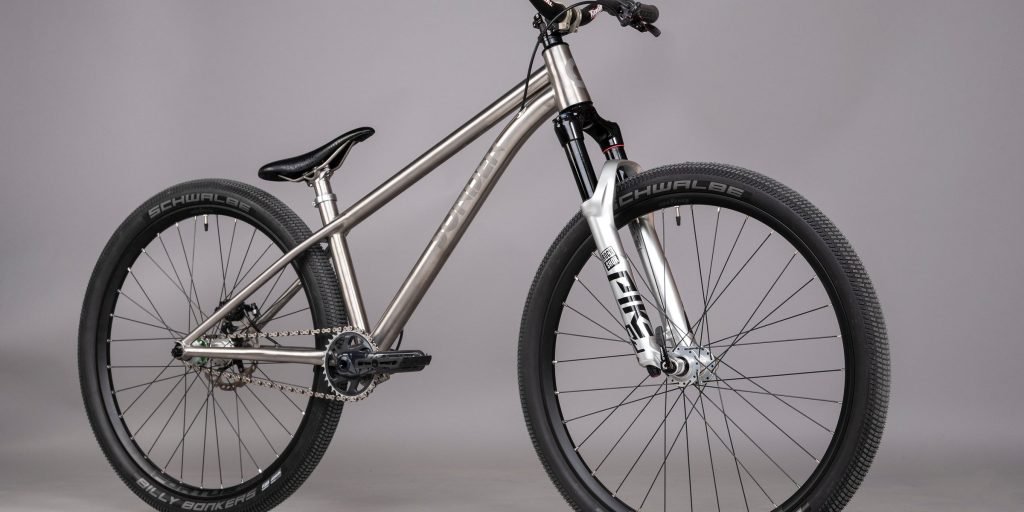
Choosing the right dirt jump bike can feel like standing at the edge of a thrilling adventure. You know that feeling, right?
The excitement of soaring through the air, the rush of adrenaline as you nail that perfect jump. But wait—before you can master those tricks, you need a bike that’s built for the ride. This isn’t just about picking any bike; it’s about finding the one that fits you like a glove.
You want a bike that feels like an extension of your body, boosting your confidence and elevating your skills. In this guide, we’ll explore the key features to look for, ensuring you make a choice that keeps you safe and lets you unleash your full potential. Ready to find your perfect match? Let’s dive in.
Key Features Of Dirt Jump Bikes
Dirt jump bikes are built for tricks and jumps on dirt tracks. They have special parts that help riders control and land safely. Knowing the key features helps you pick the right bike for your style.
We will look at four main features: frame materials and geometry, suspension, wheel size and tires, and braking systems. Each plays a big role in how the bike rides and performs.
Frame Materials And Geometry
The frame is the bike’s body. Common materials are aluminum and chromoly steel. Aluminum is light and stiff. Chromoly steel is strong and a bit heavier. Both work well for dirt jumping.
Geometry means the shape and angles of the frame. Dirt jump bikes have a short top tube and steep head angle. This design makes the bike easy to control in the air and on landings.
Suspension Types And Benefits
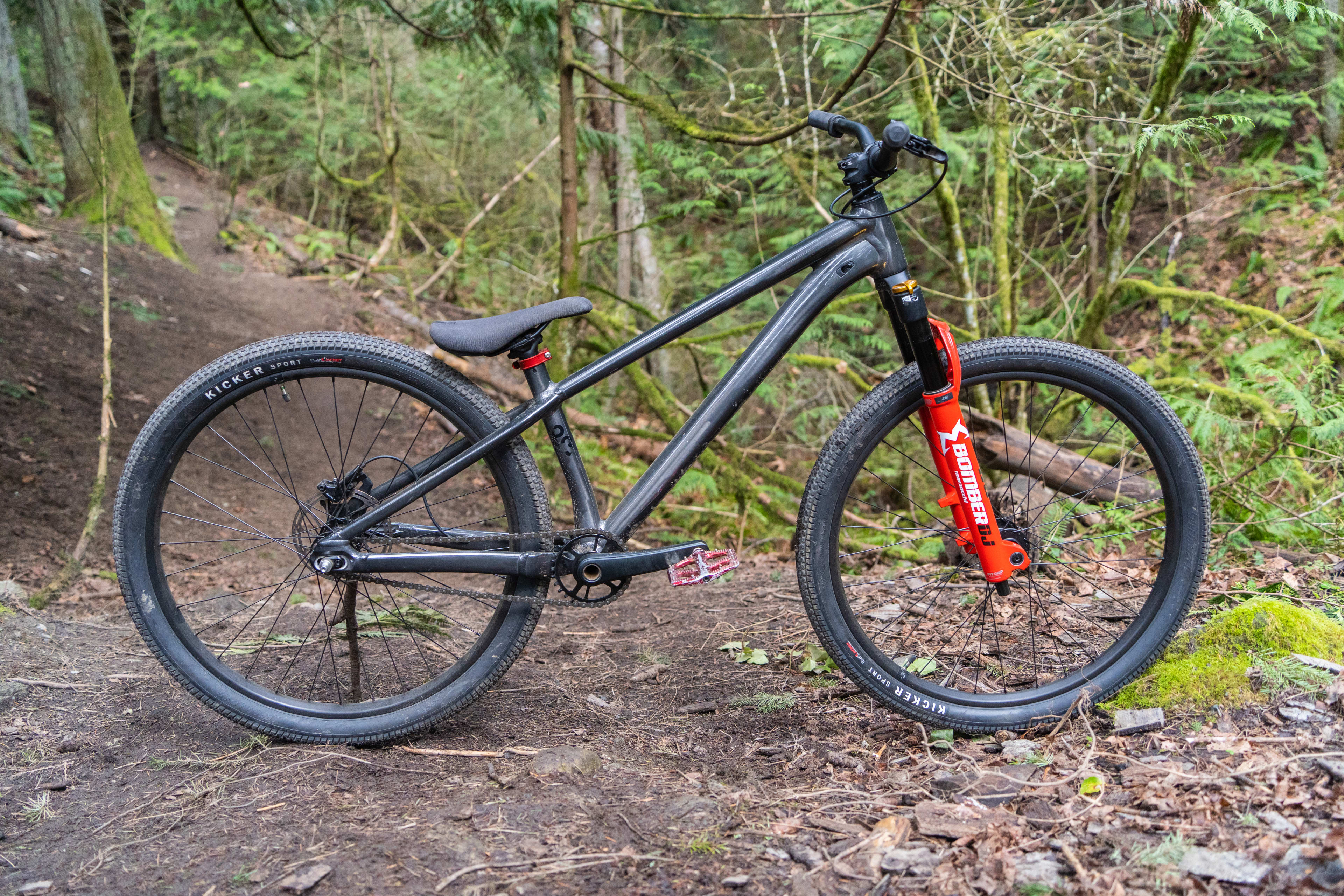
Suspension helps absorb shocks from landing jumps. Most dirt jump bikes have a hardtail frame, meaning no rear suspension. A front suspension fork is common but with limited travel, usually 80-100mm.
- Hardtail frames are lighter and easier to maintain.
- Front suspension softens landings and keeps control.
- Too much suspension travel can reduce pedaling efficiency.
Wheel Size And Tire Choice
Dirt jump bikes usually have 26-inch or 27.5-inch wheels. Smaller wheels are quick and nimble. Bigger wheels roll over obstacles easier and offer more speed.
| Wheel Size | Advantages | Disadvantages |
| 26-inch | Light and quick | Less roll over bumps |
| 27.5-inch | Smoother ride | Heavier than 26-inch |
Tires should have a tread that grips dirt but does not slow you down. Wider tires give more control and comfort on rough tracks.
Braking Systems
Good brakes help you control speed and stop quickly after jumps. There are two main types: rim brakes and disc brakes.
- Rim brakes are lighter and cheaper but less powerful.
- Disc brakes offer strong stopping power in all conditions.
- Hydraulic disc brakes have smoother control than mechanical ones.
Sizing Your Dirt Jump Bike
Choosing the right size dirt jump bike is important for safety and control. A well-sized bike helps you ride better and feel comfortable.
This guide explains how to find the right frame size and adjust the seat and handlebar positions.
Finding The Right Frame Size
The frame size affects how well you can control your dirt jump bike. A frame that is too big or too small can make riding hard.
To find the right size, stand over the bike frame. You should have 1 to 2 inches of space between you and the top tube.
- Measure your height to match bike frame size charts
- Check stand-over clearance for comfort and safety
- Test the bike by sitting and checking reach to handlebars
Adjusting Seat Height And Handlebar Position
Seat height and handlebar position affect your riding style and comfort. Adjust them to fit your body and riding needs.
Lower seat height helps with tricks and jumps. Handlebar height and angle affect control and posture.
- Set the seat low enough to allow easy leg movement
- Adjust handlebars so you can reach them without stretching
- Change handlebar angle for better grip and control
Choosing Components
Picking the right parts for your dirt jump bike helps you ride better. Each component affects your control and comfort.
Focus on parts that fit your style and the type of jumps you want to do. Good choices make your bike strong and easy to handle.
Cranksets And Pedals
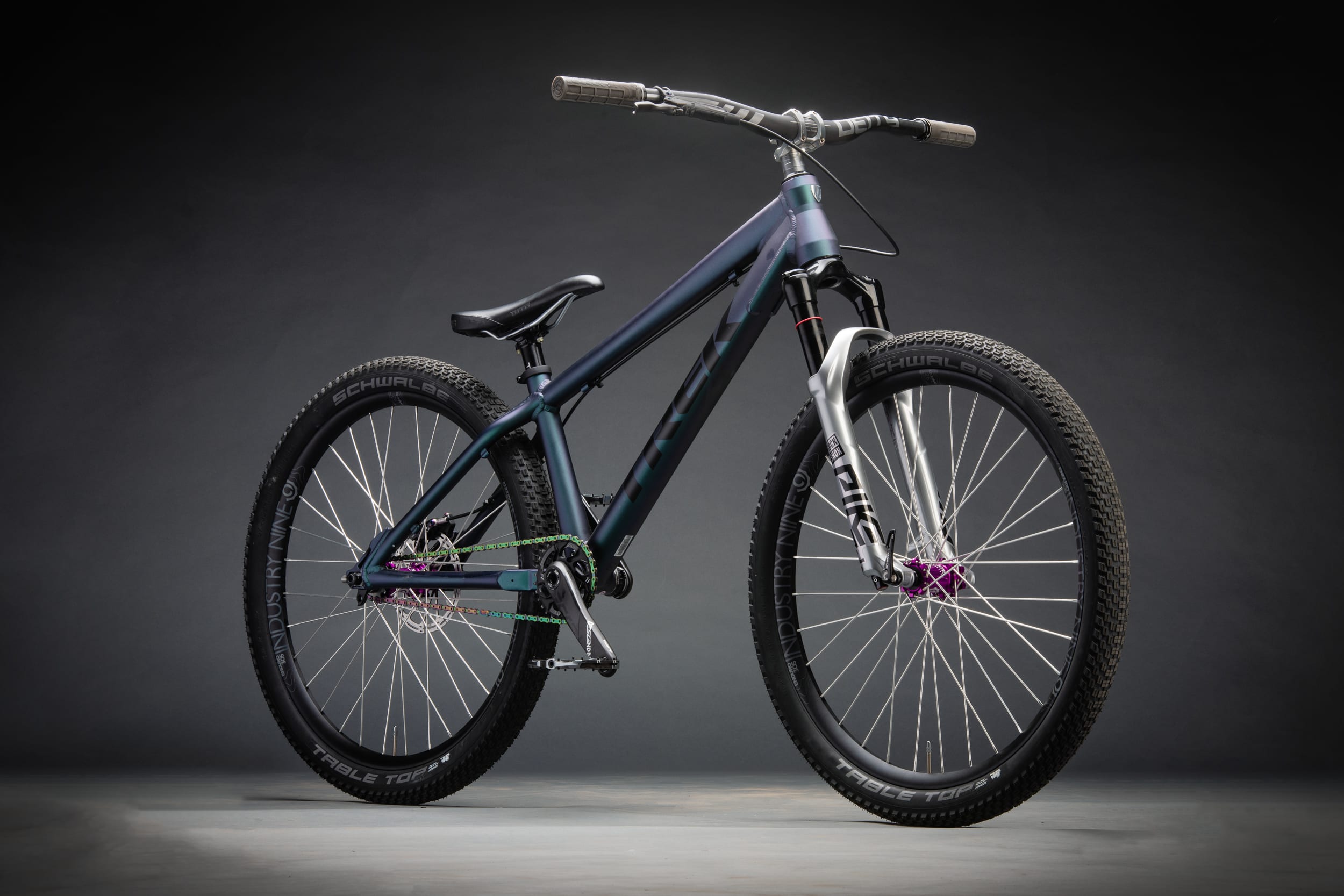
Cranksets connect your pedals to the bike and help you pedal smoothly. Choose strong and light crank arms for jumping.
Pedals need good grip to keep your feet steady. Flat pedals with pins or grip tape are popular for dirt jumping.
- Use aluminum or steel cranksets for durability
- Choose flat pedals with pins for better foot grip
- Check that crank length fits your leg size
Gearing Options
Dirt jump bikes usually have one gear to keep things simple and strong. Single-speed setups reduce weight and maintenance.
Some riders prefer a wider gear range for different jump styles. Choose a gear ratio that helps you pedal fast and jump high.
- Single-speed gears are lighter and easier to fix
- Choose a gear ratio around 28-32 teeth on the front chainring
- Smaller rear cogs make pedaling easier but slower
Handlebars And Grips
Wide handlebars give you better control when jumping. Look for bars with a rise that fits your riding style.
Grips should be soft but firm to reduce hand fatigue. Good grips help you hold the bars tightly during tricks.
- Choose handlebars about 720-760mm wide for control
- Pick grips with a soft rubber or silicone feel
- Consider lock-on grips for easy installation and security
Credit: www.bikemag.com
Budget Considerations
Choosing the right dirt jump bike depends a lot on your budget. Bikes come in many price ranges. It is important to find one that fits your money and needs.
You should think about what features you want. This helps you avoid spending too much or buying a low-quality bike.
Entry-level Vs. High-end Bikes
Entry-level bikes cost less but may have simpler parts. High-end bikes offer better materials and durability. Your choice depends on how often you ride and your skill level.
- Entry-level bikes are good for beginners and occasional riders.
- High-end bikes suit experienced riders and frequent use.
- Entry-level may need upgrades sooner.
- High-end bikes usually last longer and perform better.
Balancing Quality And Cost
| Aspect | Entry-Level | High-End |
| Price Range | $300 – $700 | $1000 – $2500 |
| Frame Material | Aluminum or basic steel | Lightweight alloy or carbon |
| Components | Standard brakes and gears | High-performance parts |
| Weight | Heavier | Lighter |
| Maintenance | More frequent repairs | Less frequent repairs |
Think about what fits your budget and riding style. It is okay to start with an entry-level bike. You can upgrade parts as you improve.
Popular Brands And Models
Choosing the right dirt jump bike means picking a reliable brand and model. Many brands offer bikes made for different skill levels.
We will look at popular models for beginners and advanced riders. This helps you find a bike that fits your needs.
Top Picks For Beginners
Beginner dirt jump bikes focus on control and safety. These bikes are easier to handle and build confidence.
Popular beginner brands offer durable frames and simple designs. These models help you learn jumps and tricks safely.
- Specialized P.3– Lightweight and easy to control
- Commencal Absolut– Strong frame with smooth handling
- Norco Charger– Reliable and good value for starters
Models For Advanced Riders
Advanced riders need bikes with better components and stronger frames. These bikes handle big jumps and rough landings.
Top brands offer models with high-end parts and lightweight materials. These bikes improve performance on tough trails.
- GT La Bomba– Built for aggressive jumps and tricks
- Santa Cruz Jackal– Durable frame with precise control
- Transition PBJ– High-quality parts for serious riders
Maintenance Tips For Dirt Jump Bikes
Keeping your dirt jump bike in good shape helps it last longer. Regular care keeps the bike safe and ready to ride.
This guide covers routine checks and common repairs to keep your dirt jump bike running smoothly.
Routine Checks And Upkeep
Check your bike before and after every ride. Look for loose bolts, worn parts, and dirt buildup.
Clean your bike regularly to avoid damage from mud and dust. Use a soft brush and water.
- Inspect tire pressure and adjust if needed
- Check brakes for proper function
- Look for cracks or dents on the frame
- Lubricate the chain to reduce wear
- Tighten all nuts and bolts
Common Repairs And Upgrades
Fix problems early to avoid bigger damage. Replace worn brake pads and tires when needed.
Upgrades can improve your bike’s performance. Common upgrades include better suspension and stronger wheels.
- Replace brake pads every few months
- Swap tires based on riding style and terrain
- Upgrade to a stronger chain and cassette
- Install better pedals for more control
- Consider suspension tuning for smoother jumps
Safety Gear For Dirt Jumping
Dirt jumping is an exciting sport that needs careful protection. Wearing the right safety gear helps prevent injuries.
This guide covers the essential protective equipment you need. It focuses on helmets and pads to keep you safe.
Essential Protective Equipment
Protective gear is vital for dirt jumpers. It reduces the risk of serious harm during falls or crashes.
- Full-face helmet to protect your head and face
- Knee pads to shield your knees from impacts
- Elbow pads to guard your elbows from scrapes and bruises
- Gloves for better grip and hand protection
- Body armor or chest protectors for added safety
Choosing The Right Helmet And Pads
Pick a helmet that fits snugly and meets safety standards. Look for certification labels like ASTM or CPSC.
| Gear | Key Features | Why It Matters |
| Helmet | Full-face, certified, well-ventilated | Protects head and face from impacts |
| Knee Pads | Thick padding, adjustable straps | Prevents knee injuries during falls |
| Elbow Pads | Flexible, durable shell | Guards elbows from cuts and bruises |
| Gloves | Good grip, padded palms | Improves control and protects hands |
Credit: www.bikemag.com

Credit: www.cruceroclick.com
Frequently Asked Questions
What Size Dirt Jump Bike Should I Choose?
Choose a bike size based on your height and riding style. Most dirt jump bikes come in 24-inch or 26-inch wheels. Smaller frames offer better control for tricks, while larger frames provide stability for bigger jumps.
Which Frame Material Is Best For Dirt Jump Bikes?
Aluminum frames are popular for dirt jump bikes due to their lightweight and strength. Steel frames offer durability but are heavier. Choose based on your budget and riding preference.
Should I Get Front Suspension On My Dirt Jump Bike?
Most dirt jump bikes have rigid forks for better control and less weight. Front suspension is generally unnecessary unless you ride rougher trails or want extra comfort.
How Important Are Bike Components For Dirt Jumping?
High-quality components like brakes, tires, and drivetrain improve performance and safety. Invest in durable parts that can withstand impact and provide reliable handling on jumps.
Conclusion
Choosing the right dirt jump bike takes time and thought. Focus on the bike’s size, weight, and durability. Think about your skill level and the type of jumps you want. Test different bikes if possible to find what feels best.
A good bike helps you enjoy the ride and stay safe. Take your time and choose wisely for the best experience. Dirt jumping can be fun with the right bike under you. Keep practicing and have fun on every jump!



