
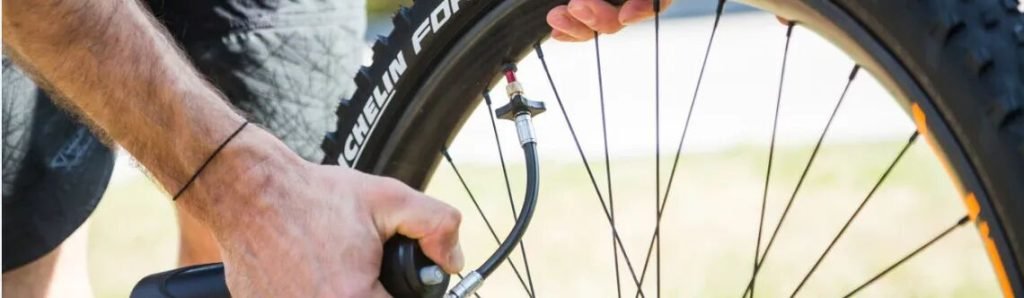
Making sure your child’s bike tires have the right pressure is more important than you might think. When tires are too flat or too hard, it can make riding uncomfortable and even unsafe for your little one.
But don’t worry—checking tire pressure is simple, and you don’t need any special skills or tools to do it. You’ll learn easy steps to check and maintain the perfect tire pressure, so your kid’s bike rides smoothly every time. Keep reading to discover how a quick tire check can make a big difference in your child’s biking fun and safety!
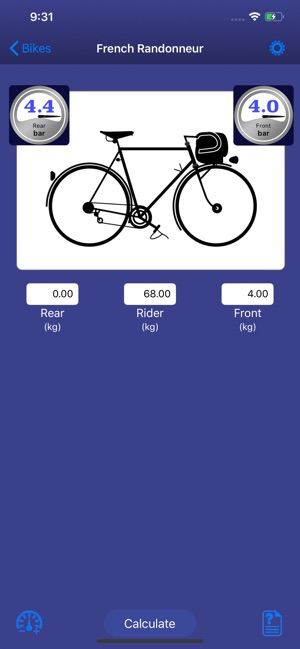
Credit: apps.apple.com
Why Tire Pressure Matters
Tire pressure is important for kids’ bikes. It helps the bike work well and keeps kids safe.
Checking tire pressure often is a simple way to keep the bike ready to ride.
Impact On Safety
Proper tire pressure helps the bike stay stable. It reduces the risk of falls and accidents.
Low pressure can cause the tire to slip or get stuck. High pressure might make the ride bumpy and hard to control.
Effect On Ride Comfort
The right tire pressure makes riding smooth. It absorbs bumps and stops the bike from shaking too much.
Too little air makes the tire feel soft and slow. Too much air makes the ride harsh and tiring for kids.
Tire Longevity
Keeping tire pressure right helps the tire last longer. It stops early wear and damage.
Under-inflated tires wear out the sides fast. Over-inflated tires wear out the center quickly.
- Check tire pressure before each ride
- Use a simple pressure gauge for accuracy
- Follow the pressure range on the tire sidewall
Tools Needed
Checking the tire pressure on a kid’s bike is important for safety and fun. You need some simple tools to do this job right.
These tools help you measure and adjust the tire pressure to the correct level. Let’s look at what you need.
Types Of Tire Pressure Gauges
Tire pressure gauges come in different types. Each type shows the air pressure in the bike tire in a special way.
Here are some common types of tire pressure gauges:
- Stick Gauge:A small rod slides out to show pressure numbers.
- Dial Gauge:A round dial with a needle points to the pressure.
- Digital Gauge:A screen shows the exact pressure in numbers.
Choose a gauge that is easy to read and fits the bike’s valve type. Most kids’ bikes use Schrader valves.
Where To Find A Pump
You need a pump to add air to the bike tires. Pumps come in different sizes and styles.
You can find bike pumps in many places. Here are some common options:
- Sporting goods stores
- Bike shops
- Online stores
- Some gas stations and convenience stores
Look for a pump that fits the valve on the kid’s bike. A pump with a pressure gauge is helpful for easy checking.
Locate The Valve Stem
Knowing where the valve stem is helps check tire pressure easily. The valve stem is a small tube on the tire where you add or remove air.
Finding the valve stem on a kids’ bike can be quick if you know what to look for. This guide explains common valve types and tips for easy access.
Common Valve Types On Kids’ Bikes
Kids’ bikes usually have one of two valve types. Each type looks and works a little differently.
| Valve Type | Description | How to Spot It |
| Schrader Valve | Thicker, like a car tire valve | Wide metal tube with a pin in the middle |
| Presta Valve | Thinner, with a small lock nut on top | Longer thin tube with a screw-on cap |
Tips For Easy Access
- Turn the bike so the valve stem points up.
- Clear dirt or mud around the valve before checking.
- Use a flashlight in low light to see the valve better.
- Remove any valve caps by twisting them off gently.
- Keep the bike steady to avoid pushing the valve stem in.
These tips make it easier to find and use the valve stem. This helps keep kids’ bike tires at the right pressure for safe riding.
Check Recommended Pressure
Checking tire pressure on a kids’ bike helps keep the ride safe and smooth. Proper pressure stops flats and makes pedaling easier.
It is important to know the right pressure before pumping air into the tires. This guide shows how to find it and understand it.
Finding The Pressure Range
Look on the sidewall of the bike tire to find the pressure range. It is usually written in PSI or BAR units.
The range shows the minimum and maximum air pressure the tire can hold safely. Use a pump that can reach this range.
- Pressure range example: 20-40 PSI
- Do not go below the minimum pressure
- Do not exceed the maximum pressure
Understanding Psi Numbers
PSI stands for pounds per square inch. It measures how much air pressure is inside the tire.
Higher PSI means harder tires. Lower PSI means softer tires. Both affect how the bike rides and grips the ground.
- Too high PSI can cause a bumpy ride
- Too low PSI can make tires flat or hard to pedal
- Keep PSI within the recommended range for best results
Measure Tire Pressure
Checking tire pressure on a kids’ bike is important for safety and fun rides. Proper pressure keeps the tires firm and helps the bike roll smoothly.
To measure tire pressure, you need a pressure gauge. This tool shows if the tire has the right amount of air inside.
Using A Pressure Gauge Correctly
First, remove the valve cap from the bike tire. Then, press the pressure gauge firmly onto the valve stem. Make sure no air escapes while you do this.
Hold the gauge steady and wait for the reading. Some gauges show the number on a dial, others on a digital screen. After reading, put the valve cap back on.
Interpreting The Reading
Check the recommended tire pressure on the side of the bike tire. This is usually in pounds per square inch (PSI). The number on the gauge should match this range.
If the pressure is too low, add air with a pump. If it is too high, press the valve to release some air. Keep the pressure within the suggested limits for a safe ride.
- Low pressure makes the ride bumpy and tires wear fast
- High pressure can cause a hard ride and tire damage
- Correct pressure improves control and tire life
Adjusting Tire Pressure
Keeping the right tire pressure helps kids’ bikes ride smoothly and safely. Too much or too little air can cause problems. Learning how to add or release air is simple.
Check the tire pressure regularly to keep the bike in good shape. This guide shows easy ways to adjust the pressure for a better ride.
How To Add Air
Adding air to the tires makes the ride faster and easier. Use a pump that fits the valve on the bike tire. Follow these steps to add air safely.
- Remove the valve cap from the tire.
- Attach the pump head firmly to the valve.
- Start pumping air into the tire slowly.
- Check the pressure with a gauge if available.
- Stop pumping when the tire feels firm but not hard.
- Remove the pump and replace the valve cap.
How To Release Air
Releasing air helps if the tire is too hard. Soft tires give better grip but can slow the bike. Use these tips to let air out safely.
| Step | Action |
|---|---|
| 1 | Remove the valve cap carefully. |
| 2 | Press the small pin inside the valve to release air. |
| 3 | Check the tire firmness regularly. |
| 4 | Stop releasing air when the tire feels right. |
| 5 | Put the valve cap back on the valve. |
When To Check Tire Pressure
Checking the tire pressure on a kid’s bike is very important. Proper pressure keeps the bike safe and fun to ride.
Knowing the right time to check helps avoid flat tires and improves the bike’s performance.
Before Every Ride
Always check the tire pressure before your child rides the bike. Tires can lose air over time, even if the bike is not used.
Checking before each ride makes sure the tires have enough air for a smooth and safe ride.
- Use a tire pressure gauge to check the air level.
- Compare the reading with the number on the tire sidewall.
- Pump air if the pressure is too low.
- Do not overinflate the tires.
Seasonal Considerations
Air pressure changes with the weather. Cold air makes tires lose pressure, and warm air can increase it.
Check tire pressure more often during seasonal changes. This helps keep the bike ready to ride all year.
- In winter, check tires more frequently because cold air shrinks.
- In summer, watch for overinflation from heat.
- Store the bike indoors to slow pressure loss.
- Adjust pressure according to the season for best ride comfort.
Credit: greensafaris.com
Common Mistakes To Avoid
Checking tire pressure on kids’ bikes is important for safety and fun. Many parents make mistakes that can cause problems. Knowing what to avoid keeps bikes in good shape.
This guide covers common errors about tire pressure. Avoiding these mistakes helps your child ride smoothly and safely every time.
Overinflation Risks
Putting too much air in the tires can cause trouble. Overinflated tires feel hard and may not grip the ground well. This can lead to falls or damage.
- Tires become too stiff and uncomfortable.
- Increased chance of tire bursting on rough roads.
- Less contact with the ground lowers stability.
- Wears out the tire faster in certain spots.
- Can damage the bike rim if pressure is very high.
Ignoring Pressure Signs
Many do not check tires often or miss signs of low or high pressure. This mistake can make rides unsafe or tiring for kids.
| Sign | What It Means | Action |
| Soft tire | Underinflated | Add air to recommended level |
| Hard tire | Overinflated | Let some air out carefully |
| Uneven wear | Wrong pressure or alignment | Check pressure and adjust |
| Frequent flats | Low pressure or damage | Inspect tire and inflate |

Credit: leoguarbikes.com
Frequently Asked Questions
How Often Should I Check Tire Pressure On Kids’ Bikes?
Check tire pressure on kids’ bikes at least once a week. Regular checks ensure a smooth ride and prevent flats. Adjust pressure according to the recommended range on the tire sidewall for safety and comfort.
What Is The Ideal Tire Pressure For Kids’ Bikes?
Ideal tire pressure for kids’ bikes usually ranges between 20-40 PSI. Always refer to the bike tire’s sidewall for exact numbers. Proper pressure enhances control, reduces wear, and makes riding safer for children.
How Do I Use A Tire Pressure Gauge On Kids’ Bikes?
Remove the valve cap and press the gauge firmly on the valve stem. Read the displayed pressure and compare it to the recommended PSI. Inflate or deflate the tire to achieve the correct pressure.
Can I Use A Car Tire Pump For Kids’ Bikes?
Yes, you can use a car tire pump if it has a suitable valve adapter. Most kids’ bikes use Schrader valves, compatible with car pumps. Always inflate slowly to avoid over-pressurizing the tire.
Conclusion
Checking tire pressure on a kids’ bike keeps rides safe and fun. Use a simple gauge to measure the air inside the tires. Keep the pressure within the range shown on the tire sidewall. Too low or too high pressure can cause problems while riding.
Make it a habit to check before every ride. This small step helps the bike run smoothly and lasts longer. Kids will enjoy their rides more with properly inflated tires. Safe and easy to do. A little effort goes a long way.



