
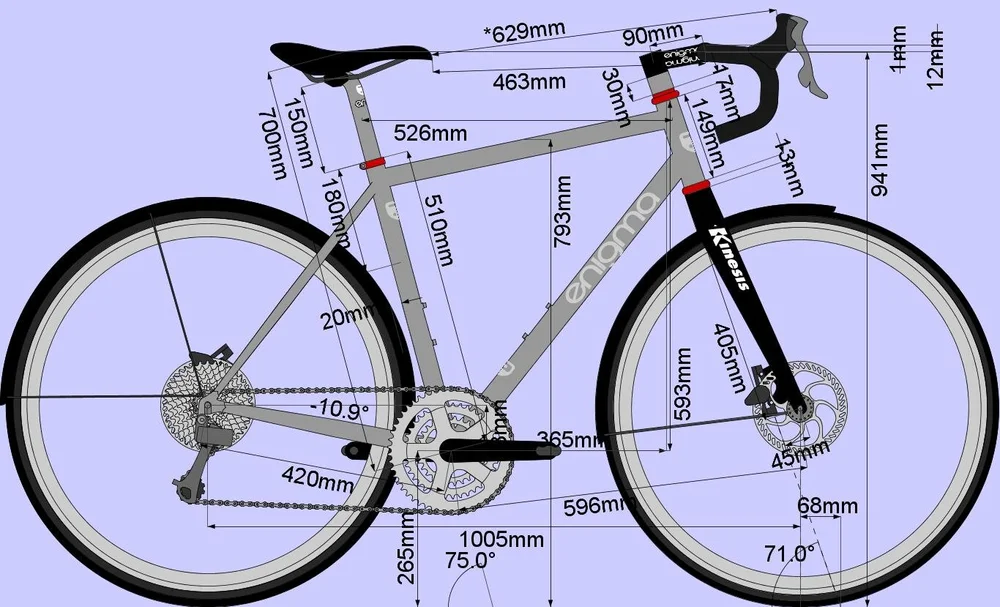
Are you looking for the perfect women-specific bike that fits your body just right? Understanding frame geometry is the key to finding a bike that feels comfortable and boosts your performance.
But how do you know if the frame suits your unique shape and riding style? You’ll discover simple steps to check frame geometry, so you can choose a bike designed specifically for you. Keep reading to unlock the secrets that will transform your ride and make every pedal stroke feel effortless.
Importance Of Frame Geometry
Frame geometry affects how a bike fits and rides. It shapes your comfort and control.
Women-specific bikes use different frame geometry to match female body shapes. This helps improve the riding experience.
Impact On Comfort And Performance
Correct frame geometry reduces strain and improves balance. It helps you ride longer and faster with less effort.
- Proper reach and stack keep your posture relaxed.
- Seat tube angle affects how your legs move during pedaling.
- Top tube length changes how stretched out you feel.
- Head tube angle influences steering and control.
Differences In Women-specific Designs
Women-specific bikes have smaller frames and adjusted angles. They also use shorter top tubes and narrower handlebars.
| Feature | Standard Bikes | Women-Specific Bikes |
| Top Tube Length | Longer | Shorter |
| Seat Tube Angle | Standard | Slightly Steeper |
| Handlebar Width | Wider | Narrower |
| Crank Length | Longer | Shorter |
| Frame Size | Varies | Smaller Sizes |
Key Frame Geometry Measurements
Checking frame geometry is important for women-specific bikes. It helps find the right fit and comfort. Different measurements affect how the bike handles and feels.
Here are key frame geometry parts to check before buying or adjusting a bike designed for women.
Top Tube Length
Top tube length is the distance from the seat tube to the head tube. It affects how stretched out you feel while riding. A shorter top tube suits riders with shorter arms or torsos.
Seat Tube Angle
The seat tube angle is the angle of the seat tube relative to the ground. It affects your pedaling efficiency and hip position. A steeper angle moves you forward, which can help with power.
Head Tube Length
Head tube length is the vertical length of the front part of the frame. It controls the handlebar height. A longer head tube raises the bars for a more upright and comfortable ride.
Chainstay Length
Chainstay length is the distance from the bottom bracket to the rear wheel axle. It affects the bike’s stability and responsiveness. Shorter chainstays make the bike more agile.
- Short chainstay: quick handling, easier turns
- Long chainstay: more stability, smoother ride
- Women’s bikes often have chainstay lengths matched to rider size
Tools For Measuring Frame Geometry
Checking frame geometry helps women find the right bike fit. Proper tools make this easier and more accurate.
This guide shows simple tools to measure frame geometry for women-specific bikes.
Using A Tape Measure
A tape measure is a basic tool for checking bike frame size. It helps measure the length and height of different parts.
- Measure the top tube length from the seat tube to the handlebar.
- Check the seat tube length from the bottom bracket to the top of the seat tube.
- Measure the standover height to ensure comfortable clearance.
- Note the chainstay length for rear wheel fit.
Employing A Digital Angle Finder
A digital angle finder helps measure the angles of the frame. This tool offers precise readings for frame geometry.
| Frame Angle | Why Measure |
| Head Tube Angle | Affects steering and handling |
| Seat Tube Angle | Determines rider position and comfort |
| Fork Rake Angle | Influences stability and cornering |
Bike Fitting Apps And Software
Apps and software use photos or videos to analyze frame geometry. They help you adjust the bike for a better fit.
Common features of fitting apps include:
- Overlaying measurement guides on bike images
- Calculating angles and distances automatically
- Saving data for comparison between bikes
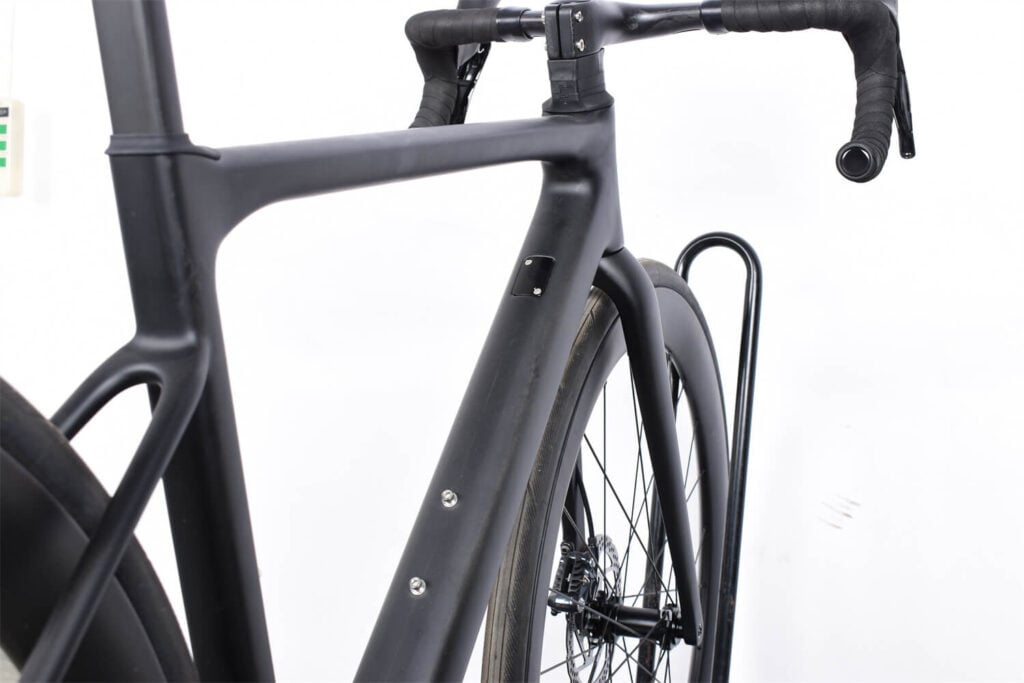
Credit: haidelibikes.com
Step-by-step Geometry Checking Process
Checking frame geometry is important for women-specific bikes. It helps you find the right fit and comfort. This guide shows how to check geometry in simple steps.
Follow the process carefully to measure the bike’s frame size and angles. This ensures the bike matches your body and riding style.
Preparing The Bike
Place the bike on a flat surface to get accurate measurements. Make sure the tires are fully inflated. Remove any accessories that may block measurement points.
- Clean the frame to see all parts clearly.
- Set the bike upright using a stand or lean it against a wall.
- Check that the seat and handlebars are in their usual riding positions.
Measuring Critical Dimensions
Use a tape measure or ruler to find key frame dimensions. Measure each carefully and write down the numbers.
| Dimension | How to Measure |
| Top Tube Length | Measure from the center of the seat tube to the center of the head tube horizontally. |
| Seat Tube Length | Measure from the center of the bottom bracket to the top of the seat tube. |
| Head Tube Angle | Use a protractor to measure the angle between the head tube and the ground. |
| Chainstay Length | Measure from the center of the bottom bracket to the rear axle. |
| Standover Height | Measure the distance from the ground to the top tube at the midpoint. |
Recording And Comparing Data
Write down all measurements in a clear format. Compare these numbers to the manufacturer’s specs or your previous bike data.
- Check if the top tube length fits your torso length.
- Look for a seat tube length that allows comfortable leg extension.
- Compare head tube angles to understand steering behavior.
- Ensure chainstay length suits your riding style and stability needs.
- Use standover height to confirm safe clearance when standing over the bike.
Adjusting Geometry For Better Fit
Women-specific bikes have unique frame geometry to fit female riders better. Adjusting this geometry helps improve comfort and riding efficiency. Small changes in bike setup can make a big difference in your ride.
This guide covers key adjustments to make your bike fit you well. Focus on saddle height and position, handlebar height and reach, and choosing the right frame size.
Changing Saddle Height And Position
Setting the right saddle height helps prevent knee pain and improves pedaling power. The saddle position affects your comfort and balance on the bike.
- Adjust saddle height so your leg is slightly bent at the bottom of the pedal stroke.
- Move the saddle forward or backward to align your knee over the pedal axle.
- Ensure the saddle is level or slightly tilted for comfort.
- Check saddle position regularly as small changes affect your ride.
Adjusting Handlebar Height And Reach
Handlebar height and reach affect your riding posture and control. Adjusting these can reduce strain on your back, shoulders, and wrists.
| Adjustment | Effect |
| Raise handlebars | More upright posture, less back strain |
| Lower handlebars | More aerodynamic, more pressure on hands |
| Shorten reach | Better control, less stretch |
| Lengthen reach | More space, better weight distribution |
Selecting The Right Frame Size
Choosing the correct frame size is the first step for a good bike fit. A frame too big or too small causes discomfort and poor riding efficiency.
Use this simple list to find your ideal frame size:
- Measure your inseam length in centimeters
- Multiply inseam by 0.67 for road bikes
- Multiply inseam by 0.66 for mountain bikes
- Compare results to manufacturer size charts
- Test ride if possible before buying
Common Geometry Differences In Women’s Bikes
Women’s bikes often have different frame shapes than men’s bikes. These changes help fit women’s bodies better. Checking the frame geometry is key to finding a comfortable bike.
Bike brands adjust sizes and shapes to improve riding comfort. Understanding these differences helps you pick the right bike.
Shorter Top Tubes And Standover Heights
Women’s bikes usually have shorter top tubes. This means the distance from the seat to the handlebars is less. It helps riders reach the handlebars without stretching too much.
Standover height is also lower on women’s bikes. This is the distance from the ground to the top tube. Lower standover height makes it easier to stand over the bike, especially for shorter riders.
- Shorter top tubes improve reach and control
- Lower standover height increases safety and comfort
- Better fit reduces strain on back and shoulders
Narrower Handlebars And Saddles
Women’s bikes often have narrower handlebars. Women generally have narrower shoulders, so smaller bars improve handling and comfort. They also reduce strain on the arms.
Saddles on women’s bikes are designed to fit wider sit bones. These saddles are often shorter and wider than men’s saddles. This design helps avoid pressure and discomfort during rides.
- Narrow handlebars match shoulder width
- Wider saddles support female anatomy
- Proper fit reduces pain and improves riding posture
Frame Material And Weight Considerations
Women’s bikes sometimes use lighter materials. A lighter frame helps with easier handling and faster riding. It also reduces fatigue on longer rides.
Materials like aluminum or carbon fiber are common. These materials balance strength and weight. The choice depends on the rider’s needs and budget.
- Lighter frames improve ride comfort
- Strong materials ensure durability
- Material choice affects bike price and feel
Tips For Choosing The Right Women-specific Frame
Choosing the right frame geometry is key for women-specific bikes. It affects comfort and riding style.
Understanding how frame shapes fit your body can help you enjoy riding more and avoid pain.
Test Riding Different Geometries
Try riding bikes with various frame shapes to find what feels best. Pay attention to how your body moves and feels.
- Check how easy it is to reach the handlebars
- Notice if your knees have enough space when pedaling
- Feel how stable the bike feels at different speeds
- See if the seat height feels natural and comfortable
Consulting Professional Bike Fitters
Bike fitters use measurements to adjust the frame geometry to your body. They improve your fit for better comfort and efficiency.
| Fit Aspect | What It Affects | Why It Matters |
| Reach | Handlebar distance | Prevents shoulder and back pain |
| Stack | Height of handlebars | Keeps a comfortable posture |
| Top Tube Length | Frame length | Ensures proper leg and arm extension |
| Seat Tube Angle | Seat position | Helps pedal power and comfort |
Balancing Comfort With Performance Needs
Choose a frame that fits your comfort needs and riding goals. Some frames offer more speed, others more ease.
Consider these tips to balance comfort and performance:
- Pick a frame with enough shock absorption for rough roads
- Look for geometry that supports your preferred riding posture
- Think about the weight if you want a faster bike
- Test how the bike handles turns and climbs

Credit: leoguarbikes.com

Credit: averagejoecyclist.com
Frequently Asked Questions
What Is Frame Geometry In Women-specific Bikes?
Frame geometry refers to the bike’s shape and measurements. It affects comfort, fit, and riding performance for women. Women-specific bikes have geometry tailored for female body proportions to enhance control and reduce fatigue during rides.
How Do I Measure Frame Size For Women’s Bikes?
Measure your inseam, height, and torso length to find the right frame size. Compare your measurements with the manufacturer’s sizing chart. Proper frame size ensures comfort, better handling, and injury prevention.
Why Is Frame Geometry Important For Women Cyclists?
Women’s body proportions differ from men’s, so geometry impacts comfort and efficiency. A well-designed frame reduces strain on the back, shoulders, and knees. It helps women ride longer with less discomfort.
Can Frame Geometry Affect Bike Handling For Women?
Yes, geometry influences bike stability, agility, and responsiveness. Women-specific frames often have shorter top tubes and adjusted angles. This improves handling and control, especially during sharp turns and climbs.
Conclusion
Choosing the right bike frame geometry is crucial for comfort. Women-specific bikes offer tailored features. Consider the bike’s size, shape, and design. These elements impact your riding experience. Test ride if possible. Trust how it feels. Feel confident in your choice.
This ensures enjoyable rides. Remember, comfort leads to longer rides. Longer rides lead to more fun. Keep these tips in mind. Enjoy every pedal. Make your biking journey personal and rewarding. Happy cycling!



