
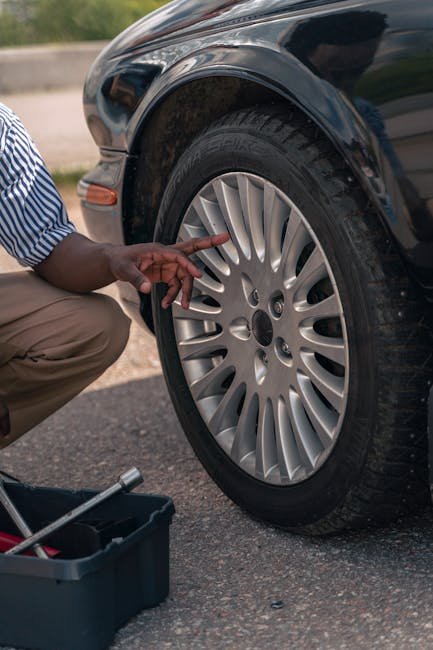
Imagine you’re driving down the road, enjoying the journey, when suddenly your car feels a bit off. You might suspect a tire leak but aren’t sure how to confirm it.
Don’t worry, you’re not alone. Tire leaks are common and can sneak up on anyone, affecting your vehicle’s performance and your safety. But here’s the good news: checking for tire leaks doesn’t have to be complicated or stressful. You’ll discover simple, effective methods to identify leaks before they become bigger problems.
We’ll guide you through easy steps that can save you time and money, and keep you safe on the road. By the end of this article, you’ll be equipped with the knowledge to spot leaks with confidence and maintain your tires in top condition. Let’s dive in and ensure your journey is as smooth as possible!

Credit: www.youtube.com
Signs Of A Tire Leak
Spot a tire leak by checking for visible punctures or hissing sounds. Use soapy water to reveal bubbles on the tire surface. Monitor tire pressure regularly for unexpected drops.
Visible Damage
Look for cracks and cuts in the tire. Check for nails or sharp objects stuck in the rubber. Bulges or blisters on the tire surface are warning signs. These signs often mean air is escaping. A flat spot on the tire also indicates a leak.
Air Loss Symptoms
Notice if the tire looks flatter than usual. Use a pressure gauge to check tire air levels. Low pressure can mean a slow leak. Tires needing frequent air refills might have a problem. Hearing a hissing sound when near the tire is a clue.
Handling Issues
Feel if the car pulls to one side. Difficulty steering may suggest uneven tire pressure. Notice vibration or wobbling while driving. These symptoms might mean one tire loses air. Handling problems can point to a hidden tire leak.
Tools For Tire Leak Detection
Checking for tire leaks can be easy with the right tools. Use soapy water to find air bubbles. A tire pressure gauge helps monitor air levels efficiently.
Basic Tools
A tire pressure gaugeis essential for checking air levels. It helps find low pressure quickly. A simple spray bottle with soapy watercan reveal leaks. Bubbles form where air escapes. A flashlight is useful in dark areas. It helps spot small punctures on the tire surface.
Advanced Equipment
Electronic leak detectorscan find leaks faster. They beep when detecting air escaping. Ultrasonic devicesare precise. They use sound waves to locate hard-to-see leaks. These tools save time and are great for professionals. But they can be expensive for casual users.
Safety Gear
Glovesprotect hands from sharp objects. They keep your hands safe when inspecting tires. Safety gogglesshield eyes from debris. They are important when using high-pressure air. Always wear a protective apron. It keeps clothes clean and safe from soapy water.
Visual Inspection Techniques
Visual inspection helps detect tire leaks effectively. Look for bubbles after applying soapy water to the tire surface. Examine the tread and valve stem carefully for any visible punctures or damage.
Surface Examination
Look closely at the tire surface for visible damage. Check for cuts, punctures, or embedded objects. Gently run your hand across the tread. Feel for any unusual bumps or rough spots. These might indicate a problem.
Valve Stem Check
Inspect the valve stem for cracks or wear. Wiggle it gently to see if it moves too much. A loose valve stem might leak air. Listen closely for a hissing sound. This could mean air is escaping.
Sidewall And Tread Analysis
Check the sidewalls for cracks or bulges. These can be dangerous. Examine the tread for uneven wear. Use a coin to measure tread depth. Shallow tread means less grip on the road. Always ensure your tires are safe to drive.

Credit: www.facebook.com
Soap And Water Method
Gather all needed items. You’ll need a spray bottle, soap, and water. Mix soap with water in the bottle. Shake well to combine the mixture. The solution should be soapy and bubbly.
Spray the tire with the soapy mix. Cover the tire completely. Pay attention to the valve and tread area. Ensure all parts are soaked with the solution. This helps in finding leaks.
Look closely for bubbles forming on the tire. Bubbles mean air escaping. Check carefully around the valve and tread. Small bubbles show tiny leaks. Big bubbles indicate larger leaks. Inspect thoroughly to find all leaks.
Using Tire Pressure Gauge
Choose a gauge that fits well in your hand. It should have a clear display. Digital gauges are easy to read. Analog gauges have a needle that points to numbers. Make sure your gauge is suitable for your tire type.
Place the gauge on the tire valve stem. Press firmly to avoid air escape. Read the pressure number on the gauge. Check the number twice to be sure. Compare it to the recommended pressure level.
If the number is lower, your tire needs air. If it’s higher, the tire may be over-inflated. Proper pressure keeps tires safe and lasts longer. Use this check every month for your safety.
Submersion Testing
Submersion testing helps identify tire leaks by immersing the tire in water and observing air bubbles. Detecting bubbles pinpoints the location of leaks, allowing for quick repairs.
Setting Up
Fill a large container with water. Make sure the tire fits inside. Slowly place the tire into the water. Ensure it’s fully submerged. Bubbles will show where the leak is. This helps find even small leaks.
Monitoring Air Escapes
Watch for bubbles rising from the tire. They point to air escaping. Focus on any steady stream of bubbles. These indicate a consistent leak. Check around the valve, tread, and sidewalls closely. Repeat if necessary to ensure accuracy.
Safety Precautions
Always wear protective gloves and goggles. These keep you safe from debris. Work in a well-lit area. This helps spot bubbles easily. Ensure the container is stable. Avoid water spills to prevent slips. Safety first is always key.
Temporary Fix Solutions
Checking for tire leaks can be simple. Listen for hissing sounds or apply soapy water to the tire. Bubbles indicate leaks.
Tire Sealants
Tire sealants can be a quick fix. They fill small leaks and holes. The sealant forms a protective layer inside the tire. This stops air from escaping. Always follow the instructions on the bottle. It is important to use the right amount of sealant. Too much can damage your tire.
Plugging Kits
Plugging kits are handy for small punctures. Each kit has plugs and a tool. First, remove any debris from the hole. Then, insert the plug using the tool. This creates a tight seal to stop the leak. Make sure the plug is secure before driving.
Patching Techniques
Patching is a more permanent fix. You need a patch and adhesive. Start by cleaning the area around the hole. Apply adhesive to the patch and tire. Press the patch onto the tire. Hold for a few minutes. This ensures a strong bond. Patching takes more time but lasts longer.

Credit: www.youtube.com
When To Seek Professional Help
Persistent tire leaks may require expert attention. If the leak persists after checking for punctures and valve issues, consult a professional. They can identify hidden problems and ensure safe driving conditions.
Complex Leak Indicators
Strange sounds when driving may mean a complex leak. Unusual vibrations could also hint at a problem. If the tire loses air quickly, it’s a concern. Tire bulges or bumps can be dangerous. Such signs need expert attention.
Recurring Issues
Constantly filling your tires with air is a problem. Frequent flat tires mean something is wrong. Patching may not always solve the issue. Repeated leaks can point to deeper problems. Professional help ensures safety and peace of mind.
Expert Diagnosis
Experts have special tools for checking leaks. They can find hidden issues that are hard to see. Professionals know what to look for in tricky spots. They give accurate solutions for tire problems. Trusting experts saves time and keeps you safe.
Frequently Asked Questions
What Is The Best Way To Find A Leak In A Tire?
Use soapy water to identify tire leaks. Spray the tire with soapy solution, watch for bubbles forming. Check valve stem and rim areas. Inspect tread for punctures or sharp objects. Use a tire pressure gauge to verify air loss. Ensure thorough examination for accurate detection.
Why Is My Tire Losing Air But Can’t Find A Leak?
Your tire may lose air due to a damaged valve stem, wheel corrosion, or temperature changes. Check for hidden punctures, valve issues, or rim damage to resolve the problem. Regular tire maintenance and professional inspection can help identify and fix air loss causes effectively.
What Is Considered A Slow Leak For A Tire?
A slow leak in a tire loses air gradually, often 1-3 PSI per week. It can be caused by a puncture, valve issue, or rim damage. Regularly check tire pressure to identify slow leaks early and maintain safety. Prompt repair prevents further damage and maintains optimal vehicle performance.
How To Fix A Slow Leak In A Tire?
Locate the leak by inflating the tire and listening for escaping air. Clean the area around the leak. Apply a tire repair sealant or patch kit following instructions carefully. Reinflate the tire to recommended pressure and check for further leaks.
Regular maintenance prevents future tire issues.
Conclusion
Tire leaks are a common issue. Checking them is easy and quick. Listen for hissing sounds. Feel for air escaping. Use soapy water for bubbles. Keep tires in good shape. Regular checks prevent big problems. Safe driving depends on healthy tires.
A small leak can cause trouble. Ignoring it leads to flat tires. Fix leaks early. Save money and time. Enjoy a smooth ride with well-maintained tires. Stay alert and proactive. Happy driving!



