
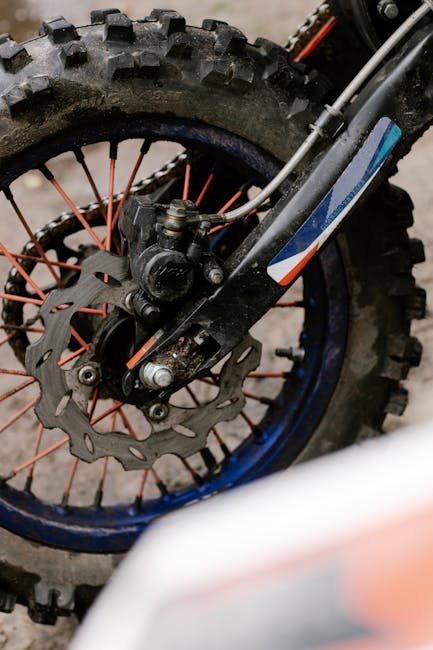
You love the feeling of freedom that comes with riding your bike. But to keep that freedom safe and enjoyable, you need to pay attention to your bike tire tread wear.
Imagine cruising down the road, feeling the wind in your hair, only to be caught off guard by a slippery or uneven surface because your tires aren’t up to the task. You wouldn’t want that, right? By learning how to check your bike tire tread wear, you can ensure every ride is as smooth and secure as possible.
In this guide, you’ll discover simple steps to evaluate your tire condition and understand when it’s time for a replacement. Keep your rides safe and thrilling by mastering this essential skill. Are you ready to take control of your biking experience? Let’s dive in!

Credit: www.facebook.com
Signs Of Tire Tread Wear
Check tire tread wear by examining the depth and pattern. Look for uneven wear or bald spots. Regular inspection helps ensure safe rides and prolongs tire life.
Visual Indicators
Crackson tire surfaces show wear. Look for missing chunks. Tires might have unusual bulges. These are not normal. Ensure no stones are stuck in the tread. Flat spots indicate issues too.Uneven Wear Patterns
Tires wear unevenly sometimes. One side might wear more. This can cause trouble. Check if your tires seem tilted. Irregular wear can also mean alignment issues. Proper tire balance is key.Tread Depth Measurement
Use a coin to measure tread. Insert it into the groove. If you see too much coin, tread is low. A depth gauge gives exact numbers. 2/32 inch means replace your tires. Keep an eye on tread regularly. `Tools For Tread Inspection
Bike tire tread wear can be checked using tools like a tread depth gauge or a simple coin test. These tools help ensure safe rides by identifying worn-out tires needing replacement. Regular inspection keeps your bike performing well and prevents accidents.
Tread Depth Gauge
A tread depth gauge is a simple tool. It checks the tread depth of your bike tire. Place the gauge on the tire’s tread. Push the pin into the groove. The reading shows how deep the tread is. This tool gives an accurate measurement. It’s easy to use for everyone.
Penny Test
The penny test is quick and easy. Take a penny and place it in the tread. If you see the top of Lincoln’s head, the tread is too low. This means you might need new tires. The penny test is a simple trick to check safety.
Digital Calipers
Digital calipers are more advanced. They measure the exact depth of the tread. Place the caliper’s jaws on the tread. Read the digital display for the measurement. They provide a precise reading and are easy to use.
Steps For Checking Tread Wear
Inspect the tire tread visually for uneven wear or bald spots. Use a coin to measure tread depth. Rotate tires regularly to ensure even wear and extend tire life.
Preparing The Bike
Ensure your bike is on a flat surface. This helps you see the tires clearly. Keep the bike stable to avoid accidents. Clean the tires with a cloth. Remove any dirt that might hide the tread.Inspecting The Tread
Look closely at the tire’s surface. Search for the tread patterns. These patterns help with grip on the road. Compare the tread depth with a coin or gauge. Notice any uneven spots or bald areas. These indicate wear.Recording Wear Levels
Take note of the tread depth. Write it down in a notebook. Keep track of wear over time. This helps you know when to replace tires. Regular checks can prevent accidents. Always prioritize safety first. `
Credit: m.facebook.com
When To Replace Tires
Tire tread must be above certain limits for safety. Tread depth ensures grip on wet roads. Use a penny test to check tread. If Lincoln’s head is visible, replace tires. Cracks and bulges signal danger. Check regularly for uneven wear.
Worn tires affect bike speed. Less tread means less grip. Braking distance increases with old tires. Cornering becomes risky. Replace tires to maintain smooth rides. Check for signs of slipping during turns.
Weather affects tire wear. Hot climates cause faster wear. Cold weather makes rubber stiff. Rain and snow need deeper tread. Inspect tires after long rides in harsh conditions. Sun exposure can dry out tires.
Maintaining Tire Health
Look at your bike tires often. Check for cuts or bulges. Feel the tire surface. Are there any bumps or smooth areas? These can be signs of wear. Tread wear can lead to accidents. Safety comes first.
Keep your tires at the right pressure. Use a tire gauge to check. Low pressure can cause more wear. Too much pressure can burst the tire. Find the right balance. Your bike will ride better and last longer.
Do not carry too much weight on your bike. Overloading can damage tires quickly. Check the bike’s weight limit. Stick to it. This keeps the tires safe. Safe tires mean safer rides.

Credit: www.reddit.com
Frequently Asked Questions
How Do I Tell If My Bike Tires Are Worn?
Check for visible cracks, flat spots, or worn tread on your bike tires. Inspect sidewalls for fraying or damage. Feel for decreased grip or frequent flats during rides. Regularly measuring tread depth helps gauge wear. Replace tires when these signs appear to ensure safety and optimal performance.
How Can I Test My Tire Tread For Wear?
Use a penny for the tread test. Insert it into the groove with Lincoln’s head down. If you see the top of his head, replace the tire. Regularly check for uneven wear and ensure proper inflation for longer tire life.
How Many Miles Should A Bicycle Tire Last?
Bicycle tires typically last between 1,000 to 3,000 miles. Factors like terrain, tire quality, and riding style affect lifespan. Regular maintenance can help extend tire longevity. Always inspect for wear and replace when necessary to ensure safety.
How Do I Know When To Replace My Bike Tires?
Check for worn tread, frequent flats, or visible cracks. Replace tires if they show significant wear or damage. Ensure proper traction and safety by inspecting tire condition regularly. Look for uneven wear or punctures. Riding quality and control diminish with old tires, so timely replacement is crucial.
Conclusion
Checking bike tire tread wear is crucial for safety. Regular inspection helps prevent accidents. Worn-out tires may lead to poor grip and control. Always ensure your tires are in good condition. Visual checks are simple and quick. Don’t forget to measure tread depth often.
Replace tires if tread is too low. Good tires mean better rides. Safety should always come first. Keep your bike ready for any road. Enjoy smoother, safer journeys with proper tire care. Remember, well-maintained tires boost confidence and performance. Stay alert, stay safe, and enjoy the ride!



