
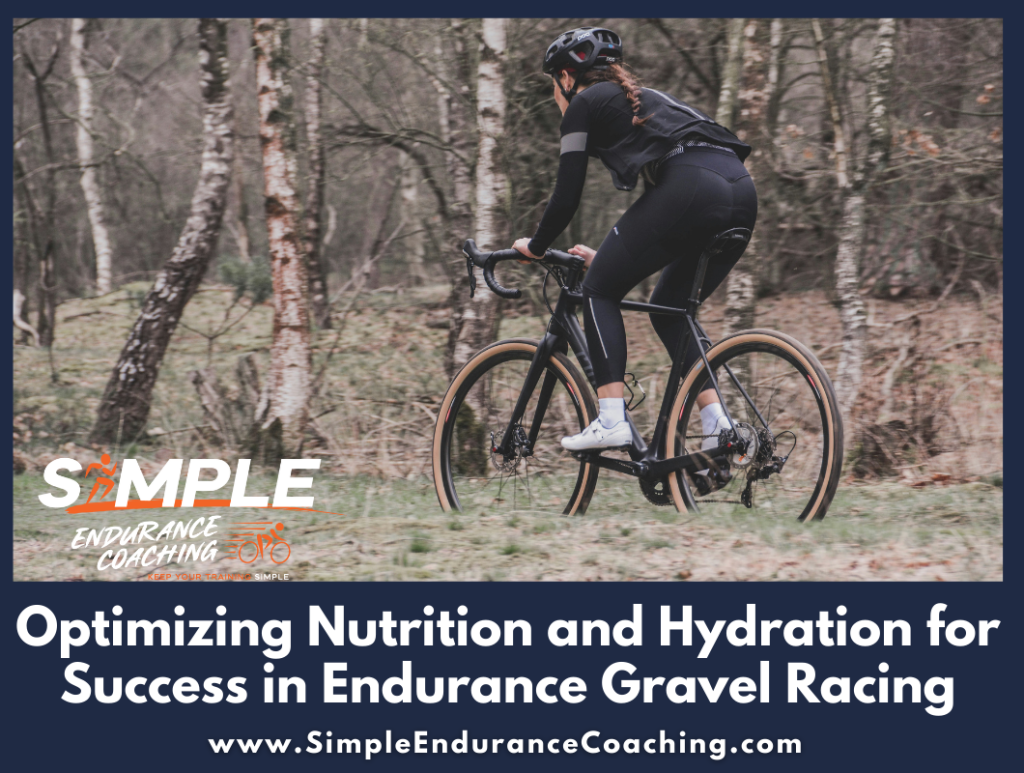
Are you ready to push your limits in cyclocross but worried about staying fueled during those intense races? Carrying the right nutrition can make the difference between finishing strong and hitting a wall.
You need a simple, effective plan that fits your ride and keeps your energy steady from start to finish. You’ll discover easy ways to carry and consume the right nutrition during cyclocross events—so you can focus on your performance, not your hunger.
Keep reading to unlock the secrets that will keep you powered up every lap.

Credit: rideparc.com
Nutrition Needs For Cyclocross
Cyclocross needs short bursts of high energyand quick recovery. This sport mixes running, cycling, and jumping. Riders burn a lot of calories fast. Energy comes mostly from carbohydrates. Fats and proteins play smaller roles during races but are still important for recovery.
| Macronutrient | Role | Suggested Intake |
|---|---|---|
| Carbohydrates | Main energy source | 60-70% of calories |
| Proteins | Repair muscles | 15-20% of calories |
| Fats | Support endurance | 15-20% of calories |
Hydration is keybefore, during, and after races. Water helps keep muscles working well. Electrolytes like sodium and potassium stop cramping. Drink fluids often, even if you don’t feel thirsty. Sports drinks can replace lost salts and give quick energy.

Credit: simpleendurance.medium.com
Pre-race Fueling
Optimal mealsbefore racing should be rich in carbohydratesand low in fat. Foods like oatmeal, bananas, and toast are good choices. Avoid heavy or greasy meals to prevent stomach discomfort. Eating a balanced meal about 3-4 hoursbefore the race helps provide steady energy.
Timing your intakeis key. Have a small snack rich in carbs, such as a granola bar or fruit, about 30-60 minutesbefore the event. This helps keep energy levels up without feeling too full. Drink water regularly but avoid too much right before the start.
Supplements to considerinclude electrolytesto replace minerals lost by sweat. Simple options like sports drinks or electrolyte tablets work well. Some athletes use caffeine in small amounts to improve focus and endurance. Test any supplements during training to see how your body reacts.
Nutrition During The Race
During cyclocross races, carrying portable snacks and gelsis vital. Small, easy-to-eat items like energy bars, gels, or bananas help maintain energy. Choose snacks that are light and won’t upset your stomach. Keep them in a jersey pocket or bike bag for quick access.
Hydrationis key. Sip water regularly to stay refreshed. Avoid drinking too much at once. Use a water bottle or hydration pack. Drink before feeling thirsty to avoid dehydration.
| Electrolyte Replacement | Why It Matters | Sources |
|---|---|---|
| Electrolytes | Help muscles work and keep balance | Sports drinks, salt tablets, electrolyte powders |
Electrolytes replace minerals lost through sweat. Choose drinks with sodium and potassium. They help prevent cramps and fatigue.
Post-race Recovery Nutrition
After a cyclocross race, refueling your bodyis key for quick recovery. Eat foods rich in carbohydratesto restore energy. Combine them with proteinsto help muscle repair. Examples include rice with chicken or yogurt with fruit.
Rehydrationis just as important. Drink plenty of water and consider drinks with electrolyteslike sodium and potassium. This helps replace what you lost through sweat and keeps your body balanced.
| Muscle Repair Foods | Benefits |
|---|---|
| Lean meats (chicken, turkey) | High in protein, supports muscle growth |
| Dairy (milk, yogurt) | Contains protein and calcium for repair |
| Nuts and seeds | Healthy fats and protein |
| Legumes (beans, lentils) | Plant protein and fiber for recovery |
Carrying Nutrition Efficiently
Choosing the right storage solutionhelps keep nutrition easy to reach. Common options include jersey pockets, frame bags, and hydration packs. Jersey pockets offer quick access but hold less. Frame bags carry more but may be harder to reach. Hydration packs add water and snacks but can feel bulky.
Accessibility during the race matters a lot. Nutrition must be easy to grab without stopping. Keep items where hands can reach fast. Practice grabbing gels or bars before the event. This saves time and energy.
| Factor | Considerations |
|---|---|
| Weight | Light gear reduces fatigue. Avoid heavy storage options. |
| Comfort | Choose solutions that don’t chafe or bounce. |
| Capacity | Bring enough nutrition without overload. |
Common Mistakes To Avoid
Carrying too much or too little food can disrupt your energy during cyclocross. Avoid packing items that are hard to eat or digest while racing. Staying hydrated but not overloading on fluids is key to steady performance.
Overeating And Undereating
Eating too much can make you feel heavy. Eating too little can cause weakness. Balance is key. A small, healthy snack is smart. It gives you energy. Avoid junk foods. They make you tired. Choose foods like bananas or nuts. They help you stay strong.
Ignoring Hydration
Drinking water is very important. Stay hydrated to perform well. Thirst means you’re already dehydrated. Sip water often. Don’t wait until you’re thirsty. Electrolyte drinks can help too. They replace lost salts. Always carry a water bottle. It’s your best friend during events.
Using Unfamiliar Foods
Trying new foods on race day is risky. Stick to foods your body knows. New foods might upset your stomach. Practice with foods during training. Find what works best for you. Safe choices lead to better performance. Race day is not the time to experiment.
Customizing Nutrition Plans
Carrying the right nutrition during cyclocross events boosts energy and endurance. Pack easy-to-eat snacks like energy bars and gels for quick refueling on the go. Tailor your plan to match the race length and your body’s needs.
Assessing Personal Needs
Each rider is unique. Understanding personal nutrition needs is crucial. Check your energy levels before and after rides. Track foods that give the best energy. Some need more carbs, others need more protein. Balance is the key. Keep a food diary for a week. Notice what helps and what doesn’t. This helps in planning better meals.
Adjusting For Weather Conditions
Weather affects your nutrition needs. Cold weather burns more calories. Warm weather demands more hydration. Carry extra water on hot days. Electrolytes are important for long races. Salty snacks can help replace lost salts. Be ready to adjust plans based on weather forecasts. This ensures you stay strong during the race.
Experimenting During Training
Training is the best time to try new foods. Test different snacks and drinks. See what your body accepts. Never try new things on race day. Practice with energy gels or bars. Find out what works best for you. This helps avoid surprises during important events. Stick to what makes you feel good and strong.

Credit: www.bikeradar.com
Frequently Asked Questions
What Are The Best Nutrition Options For Cyclocross Events?
Energy gels, bars, and electrolyte drinks work well. They provide quick carbs and hydration during intense riding. Choose easily digestible snacks to avoid stomach issues.
How Much Nutrition Should I Carry During A Race?
Carry enough to fuel your ride, typically 200-300 calories per hour. Adjust based on race length and intensity. Pack compact, high-energy foods for convenience.
When Should I Consume Nutrition During Cyclocross Races?
Start fueling early and eat small amounts every 20-30 minutes. This maintains energy levels and prevents fatigue. Don’t wait until you feel hungry.
How To Carry Nutrition Efficiently On A Cyclocross Bike?
Use a lightweight frame bag, jersey pockets, or a small saddle pack. Keep items secure and accessible for quick energy boosts without slowing down.
Conclusion
Carrying the right nutrition boosts your cyclocross performance. Choose light, easy-to-carry foods that give quick energy. Keep snacks within reach to avoid stopping mid-race. Drink fluids regularly to stay hydrated and focused. Practice your nutrition plan during training days. This helps avoid surprises on race day.
Small, smart choices make a big difference. Enjoy the race with good energy and stamina. Nutrition matters as much as your bike and skills. Stay prepared, ride strong, and finish well.



