
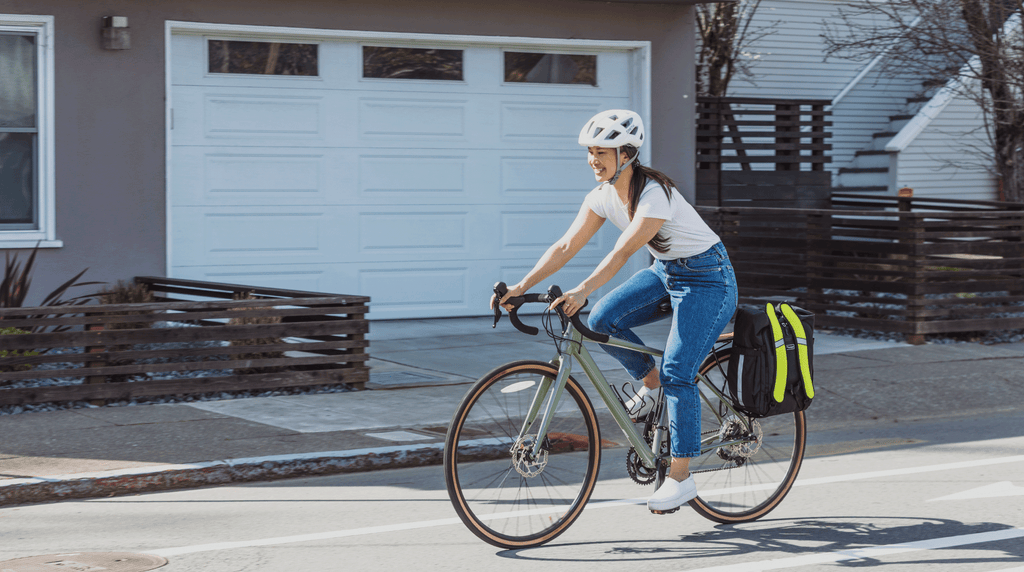
Imagine the freedom of the open road, the wind in your hair, and the thrill of adventure on two wheels. But wait, what happens when you need to carry more than just yourself and your bike?
Whether you’re planning a long-distance trip or simply running errands around town, knowing how to carry extra weight on your bike can transform your cycling experience from cumbersome to seamless. You might worry about balance, space, and safety, but don’t let these concerns hold you back from exploring the possibilities.
In this guide, you’ll discover practical tips to make your ride more efficient and enjoyable. You’ll learn how to distribute weight properly, choose the right gear, and ensure your bike can handle the load. Ready to unlock the secrets to a smoother ride? Let’s dive into the details and get you rolling with confidence.
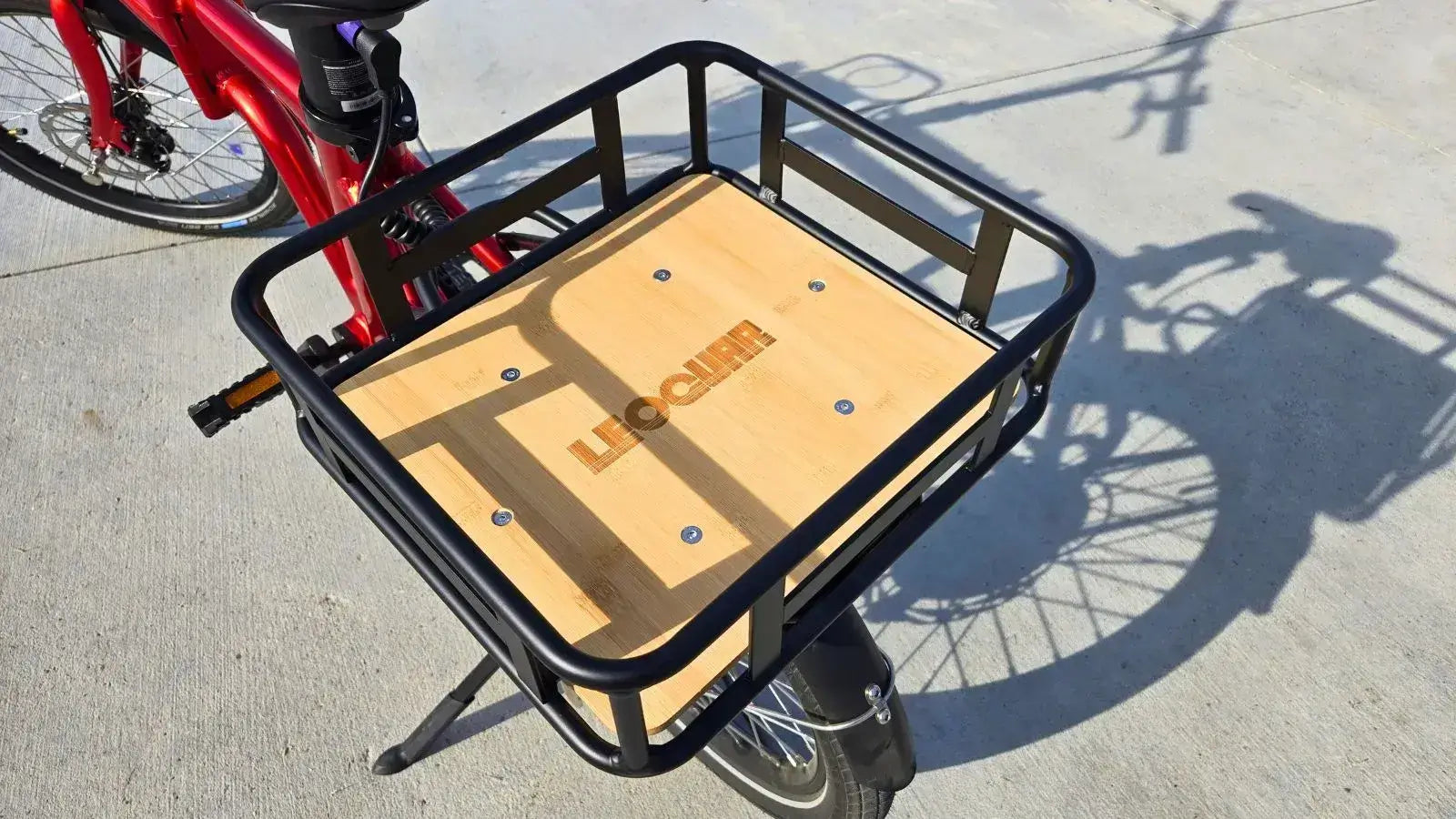
Credit: leoguarbikes.com
Choosing The Right Bike
Selecting the right bike for carrying extra weight involves considering sturdy frames and durable tires. Opt for bikes with strong racks or panniers. Ensuring proper weight distribution can enhance stability and safety during rides.
Types Of Bikes For Heavy Loads
Some bikes can carry heavy stuff. Cargo bikeshave strong frames. They can hold large loads. Touring bikesare good for long trips. They have strong racks for bags. Electric bikeshelp with heavy loads. They give extra power when needed. Choose a bike that suits your needs.
Assessing Bike Frame Strength
A strong frame is important for carrying weight. Steel framesare very strong. They can handle heavy loads well. Aluminum framesare light but strong. They also work well for extra weight. Check the frame for cracks or damage. A strong frame means safer rides.

Credit: www.pocampo.com
Essential Gear And Accessories
Racks attach to the bike frame. They hold bags or panniers. Panniers are large bags that hang from racks. They can carry many things. Both racks and panniers keep weight balanced. This balance helps the bike stay stable. Choose strong racks for heavy loads. Waterproof panniers protect items from rain. Easy to use zippers make access simple.
Bike trailers are carts pulled by bikes. They have wheels for easy movement. Trailers carry big and heavy items. They attach to the bike seat post. Trailers can hold groceries or camping gear. They are great for long trips. Some trailers have covers for weather protection. Choose a trailer that fits your bike.
Handlebar bags sit in front of the bike. They are small and easy to reach. Perfect for keys, snacks, or maps. They attach with straps or clips. Handlebar bags must not block the view. Lightweight bags are best for easy steering. Some bags have clear tops for maps. Others have pockets for small items.
Packing Techniques
Secure your load with sturdy straps to keep it balanced on the bike. Distribute weight evenly in side bags or a backpack. Choose lightweight items to minimize strain and improve comfort during your ride.
Balancing The Load
Always place heavy itemslow and centered on your bike. This helps keep the bike stable. Use saddlebagsor panniersto distribute weight evenly. Avoid putting everything on one side. Keep the weight balanced for safer riding. A balanced load makes turns smoother and easier.
Securing Your Gear
Use strapsor bungee cordsto keep your items secure. Check that nothing can fall off while riding. Items should not move around too much. Make sure bags are tightly closed. Loose items can cause accidents. Always double-check your gear before starting your ride. This ensures everything stays in place.
Adjusting Bike Setup
Enhancing bike setup for extra weight involves careful adjustments. Install sturdy racks or panniers for balanced load distribution. Ensure tire pressure is optimal to support added weight effectively.
Tire Pressure Adjustments
Keep tire pressure at a good level for carrying extra weight. More weight needs higher pressure. Check tire pressure regularly. Use a pump if needed. Never let tires get too flat. Flat tires make biking hard. Look for tire pressure numbers on the tire side. Follow those numbers.
Brake System Considerations
Good brakes are important for safety. Extra weight makes stopping harder. Check your brake pads often. Make sure they are not worn out. Adjust brakes for better grip. Test brakes before every ride. Listen for strange noises. Noises mean brakes need fixing. Always keep brakes in top shape.
Safety Measures
Securely attach bags or panniers to distribute weight evenly on your bike. Use bungee cords or straps to prevent shifting. Ensure your bike’s stability by keeping the center of gravity low.
Visibility Enhancements
Riding with extra weight needs extra visibility. Use bright lights on your bike. Wear a reflective jacketto be seen. Add reflectors to your bike wheels and pedals. Bright colors help others notice you. Keep your lights clean and bright. Check them before each ride.
Handling Heavy Loads Safely
Carry weight evenly on your bike. Use a sturdy rack or basket. Make sure the load is secure and won’t fall off. Keep your bike balanced while riding. Slow down when turning with heavy loads. Practice riding with weight in a safe place. Be careful on bumpy roads. Always wear a helmet for protection.
Maintenance Tips
Carrying extra weight on a bike requires a sturdy rack and balanced load distribution. Securely fasten bags or panniers to avoid shifting during rides. Regularly check tire pressure and brakes for safety, ensuring a smooth and stable biking experience.
Regular Check-ups
Keep your bike in top shape with frequent inspections. Check tires for proper air pressure. Look at brakes to ensure they work well. Examine chains and gears for wear and tear. Clean your bike to remove dirt and grime. Lubricate moving parts to keep them smooth. Inspect frames for cracks or damage. Regular check-ups prevent problems before they start.
Repair Essentials
- Carry a small repair kit for emergencies.
- Include a compact pump for flat tires.
- Bring a multi-tool for quick fixes.
- Pack spare tubes in case of punctures.
- Have tire levers to change tires easily.
- Bring chain oil for smooth rides.
- Carry patches to fix small holes in tubes.
Training For Heavy Loads
Carrying extra weight on a bike requires strategic packing and balance. Securely distribute items in panniers or bike trailers. Ensure even weight distribution to maintain stability and avoid strain.
Strength traininghelps muscles grow stronger. Lift weights or use resistance bands. Start with light weights. Slowly increase as you get stronger. Include exercises like squats and lunges. These help build leg strength. Strong legs support heavy loads better. Endurance training keeps you going for longer. Ride your bike regularly. Start with short rides. Gradually increase the time and distance. Long ridesbuild stamina. This helps when carrying extra weight. Learn to balance well on your bike. Practice riding with a heavy backpack. Keep your body steady. Avoid wobbling. Try riding on different surfaces. Gravel, grass, and pavement feel different. This builds confidence. Practice turning corners smoothly. Use your body to lean. These skills make carrying weight easier. `Planning Your Route
Consider using panniers or bike trailers for extra weight. Distribute items evenly to maintain balance. Check tire pressure to handle added load efficiently.
Avoiding Steep Inclines
Steep inclines are tough on bikes with extra weight. Choose routes with gentle slopes. It makes biking easier. Check maps for elevation changes. Avoid hills to save energy. If hills are unavoidable, take breaks. Resting helps regain strength.
Choosing Smooth Paths
Smooth paths make biking smoother and safer. Avoid rough trails that can damage your bike. Flat surfaces are best for carrying extra weight. Bike paths and paved roads are ideal. Unpaved roads can slow you down. Check local biking trails for smoothness. Enjoy a comfy and safe ride.

Credit: m.youtube.com
Frequently Asked Questions
How To Carry Heavy Things On A Bike?
Use panniers or bike trailers for carrying heavy items. Securely strap loads for stability. Balance weight evenly to maintain control. Consider using cargo bikes for larger loads. Always ensure safety by checking weight limits and bike handling.
Can A 300lb Person Ride A Bike?
Yes, a 300lb person can ride a bike. Many manufacturers offer bikes with high weight limits, up to 400lbs. Ensure the bike is sturdy and has appropriate components like reinforced frames and wider tires. Regular maintenance is essential for safety and performance.
Always check the manufacturer’s specifications for weight limits.
How To Make A Bike Hold More Weight?
Upgrade your bike’s frame, wheels, and suspension for enhanced weight capacity. Choose high-quality materials for durability. Install stronger spokes and tires to support extra load. Regular maintenance ensures optimal performance. Consider professional advice for customized solutions.
How To Carry More On A Bike?
Attach a rear rack or front basket to carry more items. Use panniers or saddlebags for additional storage. Secure items with bungee cords or straps. Consider a trailer for heavy loads. Always distribute weight evenly for balance and safety.
Conclusion
Carrying extra weight on a bike is simpler than it seems. Start with the right gear. Panniers and trailers help distribute weight evenly. Balance is key. Practice riding with extra load gradually. Check tire pressure regularly. Make sure your bike can handle the weight.
Safety first. Always secure your load properly. These tips make biking with extra weight manageable. Don’t rush. Enjoy the ride, even with extra baggage. Biking is a journey, not just a destination. Keep these tips in mind and pedal with confidence.



