
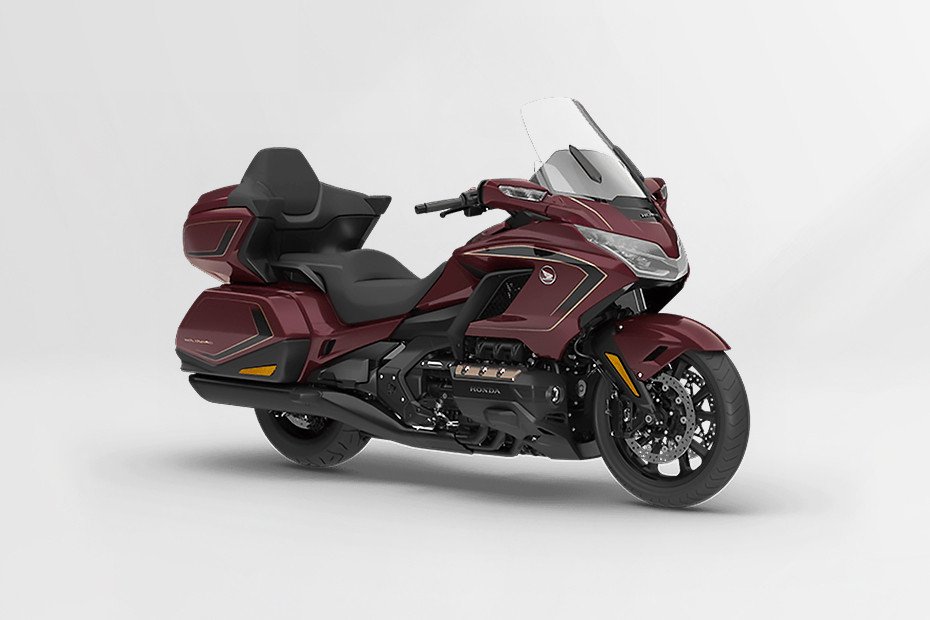
Are you planning a long-distance ride on your touring bike? Knowing your bike’s weight limits is essential for a safe and smooth journey.
Overloading your bike can cause damage, affect handling, and even put your safety at risk. But how do you figure out exactly how much weight your touring bike can carry? You’ll learn simple, clear steps to calculate your bike’s weight limits.
By the end, you’ll feel confident packing just the right amount for your next adventure—no guesswork, no surprises. Keep reading to protect your bike and enjoy every mile with ease.
Factors Affecting Weight Limits
Frame materialaffects how much weight a touring bike can hold. Steel frames are strong and can carry more weight. Aluminum frames are lighter but may hold less weight. The frame designalso matters. Some frames are made for heavy loads, others for speed.
Wheel strengthdepends on the number of spokes and rim quality. Bigger wheels spread weight better than smaller wheels. Strong wheels reduce the risk of damage when carrying cargo.
Tire load capacityshows how much weight each tire can handle. Tires with higher load ratings are better for heavy loads. Always check the tire sidewall for this info.
The brake systemmust support the added weight safely. Disc brakes offer better stopping power with heavy loads than rim brakes.
Cargo and rack specsset limits on how much you can carry. Racks have maximum weight ratings. Use racks designed for touring to avoid damage or accidents.
Calculating Rider And Gear Weight
Estimate your rider weightby using a scale or recent data. This is the base figure for calculating weight limits.
Consider all the gear you will carry. This includes clothes, tools, food, and camping items. Use a scale to weigh each item if possible.
Balance load distributioncarefully. Place heavier items low and near the bike center. This keeps the bike stable.
Use the table below to track your weight and gear:
| Category | Weight (lbs) |
|---|---|
| Rider Weight | ___ |
| Bike Weight | ___ |
| Essential Gear | ___ |
| Total Weight | ___ |
Manufacturer Weight Guidelines
Bike manufacturers list weight limitsin the bike specifications. These numbers show the maximum weightthe bike can safely carry. This includes the rider, gear, and any extra items.
Check the weight ratingon the bike frame or in the manual. It tells the total allowed weight. Exceeding this can cause damage or accidents.
Manufacturers include a safety marginin their limits. This means the actual limit is a bit higher than stated. Still, do not rely on this margin. Keep your load within the recommended limitfor safety.
Credit: www.zigwheels.com
Tools For Accurate Weight Measurement
Calculating weight limits on touring bikes ensures a safe and balanced ride. Use reliable tools like digital scales and load distribution charts. Maintain proper weight distribution for optimal performance and safety.
Using A Digital Scale
A digital scale offers precise and easy weight readings. Place the bike or part on the scale. Read the weight shown in pounds or kilograms. Make sure the scale is on a flat surface for accuracy. This tool helps track small changes in bike weight.
Weighing Individual Components
Weighing each bike part helps find total weight. Remove wheels, frame, and accessories one by one. Note each weight separately. Adding these gives a clear idea of the bike’s total load. It also helps spot heavy parts to replace.
Tracking Weight During Trips
Carry a small portable scale on trips. Weigh luggage or gear before packing. Keep a list of weights for all items. This keeps total weight within safe limits. Adjust gear as needed to avoid overload.
Adjusting Setup For Heavier Loads
Upgrading wheels and tires helps carry heavier loadssafely. Choose wheels with stronger spokesand durable rims. Tires with a higher load ratingresist punctures and wear better. Wider tires spread the weight more evenly on the ground.
Reinforcing the frame and racks improves bike strength. Use racks made of steel or aluminumfor better support. Check that the frame has extra mountsfor racks and bags. Adding braces can stop frame bendingunder pressure.
Optimizing tire pressure is key for load balanceand comfort. Inflate tires close to the maximum recommended pressure. This keeps tires from squashing too much under heavy weight. Too low pressure can cause damageand poor handling.
Credit: www.91wheels.com
Common Mistakes To Avoid
Ignoring the bike’s specified weight limit can cause damage or accidents. Forgetting to include gear and rider weight leads to incorrect calculations. Always check the manufacturer’s guidelines carefully before loading your touring bike.
Ignoring Weight Limits
Ignoring weight limitscan cause bike damage. Bicycles are not built for heavy loads. Overloading can make your ride unsafe. Always check the bike’s weight limit. This helps prevent accidents and breakdowns.
Overpacking Without Assessment
Overpackingcan make your bike hard to control. It’s important to pack wisely. Only take what you need. This keeps the bike light and easy to handle. Check your items before packing.
Neglecting Regular Maintenance
Neglecting maintenancecan lead to bike problems. Regular checks keep the bike in top condition. Look at the tires, brakes, and chain. Fix small issues before they get bigger. This ensures a safe and smooth ride.
Credit: www.bikewale.com
Frequently Asked Questions
How Do I Find My Touring Bike’s Weight Limit?
Check the manufacturer’s manual or website for the exact weight limit. It includes the rider, gear, and bike combined. If unavailable, contact the manufacturer directly for accurate information.
Why Is Knowing The Weight Limit Important?
Exceeding the weight limit can damage the bike frame and components. It also affects your safety by reducing bike stability and control during rides.
How To Calculate Total Weight On A Touring Bike?
Add your body weight, bike weight, and all carried gear. Include water, food, and accessories to get an accurate total load.
Can I Increase My Touring Bike’s Weight Capacity?
Upgrading to stronger wheels, tires, and racks can help. However, do not exceed the manufacturer’s recommended limits for safety reasons.
Conclusion
Calculating weight limits on touring bikes keeps your ride safe and smooth. Check your bike’s manual for weight details. Add your body weight and gear weight carefully. Avoid overloading to prevent damage and accidents. Remember, proper balance helps you ride longer and feel comfortable.
Take time to pack wisely and distribute weight evenly. This simple step protects your bike and ensures fun trips ahead. Stay safe, enjoy your journey, and bike smart!



