
Planning your bikepacking adventure starts with one key question: how far can you realistically ride each day? Knowing your daily mileage helps you create a route that matches your pace, keeps you energized, and ensures you reach your destinations on time.
But calculating this isn’t always simple—there are many factors to consider, from terrain to your fitness level. You’ll learn easy and practical ways to figure out your daily mileage, so you can plan smarter and enjoy every mile of your trip.
Ready to unlock the secret to perfect bikepacking routes? Let’s dive in.
Factors Affecting Daily Mileage
Calculating daily mileage for bikepacking depends on several factors. These affect how far you can ride comfortably each day.
Understanding these factors helps plan realistic routes and avoid overexertion.
Terrain And Elevation
Rough terrain slows you down. Dirt, rocks, and roots require more effort than smooth roads. Hills and elevation gain also reduce speed and increase fatigue.
Steep climbs take longer and require breaks. Flat or gently rolling terrain allows for longer distances.
Weather Conditions
Weather impacts your pace and comfort. Rain can make trails slippery and muddy. Strong wind slows progress and uses more energy.
- Hot weather increases dehydration risk and fatigue
- Cold weather requires extra clothing and can reduce stamina
- Wind direction affects speed: headwinds slow you, tailwinds help
Bike And Gear Weight
Heavier bikes and gear make pedaling harder. Extra weight slows acceleration and climbing. It also tires your muscles faster.
| Item | Effect on Mileage |
| Light bike and minimal gear | Allows longer daily distances |
| Heavy bike with full camping gear | Reduces daily mileage significantly |
Rider Fitness And Experience
Fit riders with experience bike longer and faster. Beginners may tire quickly and need more breaks. Fitness improves endurance and recovery.
- Regular training builds stamina
- Experience helps with pacing and route choices
- Good nutrition and rest improve performance
Planning Your Route
Planning your bikepacking route helps you ride safely and enjoy your trip. It also makes sure you cover the right distance each day.
Good planning includes checking distances, rest spots, and alternate ways to avoid problems on the road.
Estimating Distance Between Stops
Check the distance between each stop on your route. Use maps or GPS tools to get accurate numbers. This helps you know how far you will ride each day.
Keep in mind that off-road trails or hills may slow you down. Add extra time or distance to your estimate to be safe.
- Use digital maps or apps for exact distances
- Note changes in elevation or rough terrain
- Allow extra distance for detours or breaks
Considering Rest And Resupply Points
Plan stops to rest and get food or water. These points help keep your energy up and your bike stocked.
Choose places that fit your daily mileage goals. Avoid very long rides between resupply spots to stay comfortable.
- Look for towns or campsites along your route
- Check availability of water and food supplies
- Plan rest breaks every 20-30 miles or as needed
Mapping Alternative Paths
Find backup routes in case of bad weather or closed trails. Alternative paths keep your trip flexible and safer.
Mark these routes on your map. Compare distances and difficulty to your main path to choose the best option if needed.
- Identify easy detours near your main route
- Check for road or trail closures before your trip
- Keep options for shorter or longer rides ready
Calculating Average Speed
Average speed helps you estimate how far you can bike each day. It is the distance divided by time spent riding.
Knowing your average speed allows you to plan daily mileage and rest stops better. It depends on many factors.
Adjusting For Terrain Difficulty
Riding on flat roads is faster than on hills or rough trails. Steep climbs slow you down a lot.
Soft or rocky ground also lowers your speed. You should reduce your average speed to match the terrain.
- Flat road: use your normal average speed
- Gravel or dirt: reduce speed by 10-20%
- Hilly terrain: reduce speed by 20-40%
- Technical trails: reduce speed by 40-60%
Impact Of Load On Speed
Carrying extra weight makes pedaling harder. Your bike moves slower with a heavy load.
Heavier packs need more energy and reduce your average speed. Plan to ride fewer miles on heavy days.
- Light load (under 15kg): little speed change
- Moderate load (15-25kg): reduce speed by 10-15%
- Heavy load (over 25kg): reduce speed by 20-30%
Using Past Ride Data
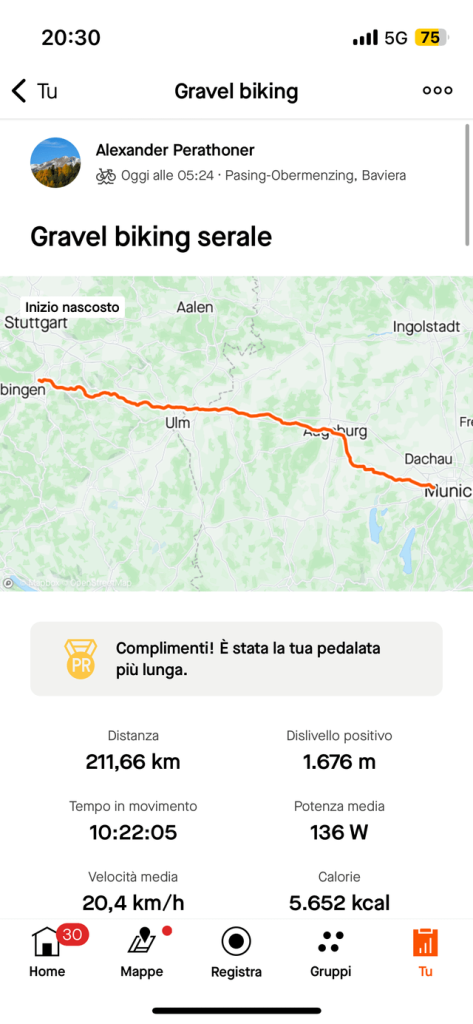
Look at your past rides to find your true average speed. Use a bike computer or smartphone app to track rides.
Compare speeds on different routes and conditions. Use this data to set realistic daily mileage goals.
- Note distance and time for each ride
- Calculate average speed from these values
- Adjust speeds based on terrain and load
- Use the adjusted speed for planning

Credit: bikepackingnv.blog
Setting Realistic Daily Goals
Planning daily mileage is key for a successful bikepacking trip. Setting goals you can reach helps keep you safe and happy.
Think about your skill level, terrain, and weather before choosing your daily distance. It is better to plan less and enjoy more.
Balancing Ambition And Safety
It is tempting to push hard and cover many miles. But overdoing it can cause injuries or exhaustion. Find a pace that feels challenging but safe.
- Know your fitness and bike skills
- Study the route’s elevation and trail type
- Plan shorter days on tough terrain
- Carry enough gear for emergencies
- Adjust your plan if you feel tired
Incorporating Rest Days
Rest days help your body recover and prevent burnout. Adding breaks lets you enjoy the trip more and ride longer overall.
| Rest Day Type | When to Use | Benefits |
| Full Rest | After several hard days | Muscle recovery, mental break |
| Light Activity | On easy terrain days | Keeps blood flowing, reduces stiffness |
| Short Ride | When feeling restless | Maintains fitness, refreshes mind |
Adapting To Unexpected Challenges
Weather, bike problems, or trail closures can change your plans. Be ready to adjust your daily miles and rest days.
- Check weather updates daily
- Carry basic bike tools and spares
- Have backup routes planned
- Communicate changes with your group
- Stay calm and flexible
Tools And Resources
Calculating daily mileage for bikepacking routes needs the right tools. Using good resources makes planning easier and more accurate.
This guide covers key tools like GPS devices, forums, and weather analysis apps. These help estimate how far you can ride each day.
Gps Devices And Apps
GPS devices and smartphone apps track your location and distance. They help you plan routes and measure how far you travel daily.
- Garmin Edge and Wahoo Elemnt are popular bike GPS devices.
- Apps like Komoot, Ride with GPS, and Strava offer route planning and tracking.
- These tools show elevation changes, which affect your daily mileage.
- They can record your speed and stops, helping you adjust plans.
Bikepacking Forums And Communities
Forums and online groups provide advice from experienced bikepackers. They share tips on route distances and daily riding limits.
You can learn about different terrains and weather conditions from real reports. These insights help set realistic daily mileage goals.
Weather And Terrain Analysis Tools
| Tool | Purpose | How It Helps |
|---|---|---|
| Windy | Weather Forecast | Shows wind speed and direction that affect your speed. |
| AllTrails | Route and Terrain Info | Displays trail difficulty and elevation profiles. |
| CalTopo | Topographic Maps | Helps understand landscape steepness and obstacles. |
Using these tools helps you adjust daily mileage based on weather and terrain. This leads to safer and more enjoyable rides.
Credit: us.alpkit.com
Expert Tips For Accurate Mileage Calculation
Calculating daily mileage for bikepacking routes helps you plan better rides. Accurate mileage keeps your trip safe and fun.
Use smart methods to estimate distances. Adjust your plans to fit your pace and conditions.
Tracking And Adjusting On The Go
Use GPS devices or apps to track your daily mileage. Check your progress often to stay on target.
If you fall behind or go ahead, change your plan. Adjust your daily goals based on how you feel and the terrain.
- Check your GPS data at breaks
- Note changes in weather or trail difficulty
- Reduce mileage if tired or injured
- Increase mileage if you feel strong
Learning From Previous Trips
Look at past bikepacking trips to understand your real pace. Use past mileage and time to plan new routes.
Keep a journal or use apps to record details. Learn which parts slowed you down or sped you up.
- Track your average speed on different terrains
- Note rest stops and their lengths
- Record weather conditions and how they affected you
- Compare planned versus actual mileage
Staying Flexible With Your Plan
Plans help, but stay ready to change them. Weather, trail conditions, or your energy may force changes.
Set a range for daily mileage instead of a fixed number. This lets you adapt without stress.
- Set minimum and maximum daily mileage goals
- Listen to your body’s needs
- Prepare alternate routes for different conditions
- Allow extra time for breaks and repairs

Credit: www.reddit.com
Frequently Asked Questions
How To Estimate Daily Mileage For Bikepacking Routes?
Estimate mileage by considering terrain, rider fitness, and bike load. Start with 30-50 miles per day on moderate terrain. Adjust based on elevation, weather, and rest needs. Always plan conservatively to avoid fatigue and ensure safety.
What Factors Affect Daily Bikepacking Mileage Calculation?
Terrain difficulty, rider experience, weather conditions, and bike weight impact mileage. Uphill climbs and rough paths reduce distance. Strong winds and heavy gear slow progress. Accurate mileage planning balances these elements for a realistic daily target.
How To Adjust Mileage For Elevation Gains?
Reduce daily mileage by 10-20% for every 1,000 feet of elevation gain. Steep climbs require more energy and time. Plan shorter distances on hilly sections to maintain endurance and enjoy the ride.
Why Is Rider Fitness Important In Mileage Planning?
Fitter riders can cover longer distances comfortably. Fitness affects stamina, recovery, and speed. Assess your physical condition honestly to set achievable daily goals. Overestimating fitness can lead to exhaustion and injuries.
Conclusion
Calculating daily mileage is key for successful bikepacking. Knowing your limits helps plan better routes. Consider terrain, weather, and fitness levels. These factors impact your journey. Adjust plans as needed for a pleasant trip. Keep safety and enjoyment in mind always.
Use tools and maps for accurate calculations. Staying flexible ensures a smooth adventure. Bikepacking becomes more enjoyable with proper planning. Enjoy the ride and discover new paths. Happy bikepacking!



