
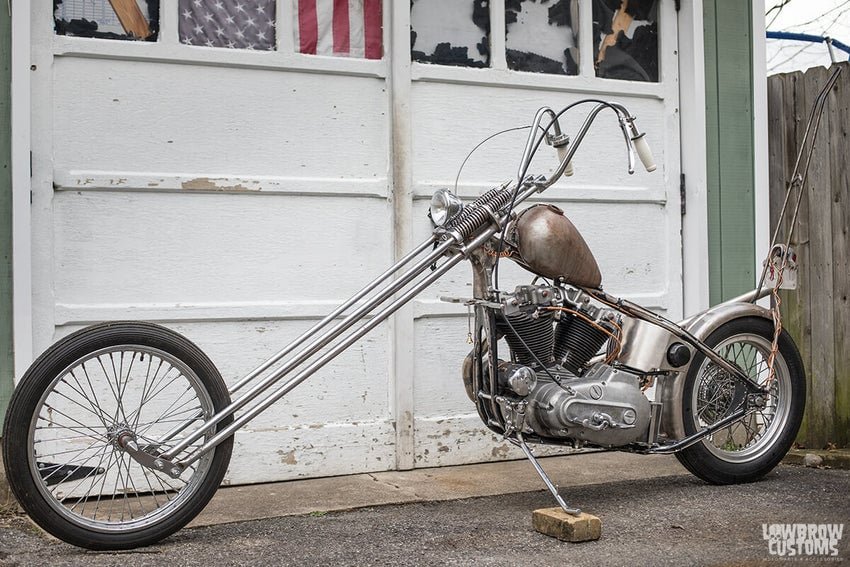
Have you ever dreamed of riding a bike that’s truly one of a kind? A custom chopper bike that turns heads wherever you go?
Building your own chopper at home might sound tough, but it’s easier than you think. This guide will show you simple, clear steps to make your dream bike a reality. Whether you want a sleek look, powerful engine, or a unique style, you’ll learn how to create a chopper that fits your personality perfectly.
Ready to start building something amazing? Keep reading, because your custom chopper awaits.
Choosing The Right Frame
Choosing the right frame is very important for building a custom chopper bike. The frame affects the bike’s style, strength, and ride comfort. Different frame types offer unique looks and handling. Here are some common frame types:
- Hardtail:Simple design, no rear suspension.
- Softail:Hidden rear suspension for smooth rides.
- Rigid:Classic chopper style, no suspension.
Frame materials also matter. Steel frames are strong and easy to weld. Aluminum frames are lighter but harder to modify. Chromoly steel blends strength and weight. Choosing the right material depends on your skills and needs.
Modifying existing frames is popular. Cutting and welding can change shape and length. Make sure to keep frame strength. Use proper tools and safety gear. Customizing frames lets you create a unique chopper bike.
Selecting The Engine
Engine sizeaffects the bike’s power and speed. Small engines (50-150cc) are easier to handle. Larger engines (250cc and above) give more power but need stronger frames.
The engine must fit the frame size and shape. Check the frame’s engine mounts to match the engine type. Not all engines fit all frames.
- Use strong bolts for mounting.
- Align the engine properly to avoid chain problems.
- Leave space for exhaust and cables.
- Check engine position for balance and stability.
Designing The Chopper Style
Extended forks and rakes give chopper bikes their unique look. They stretch the front part of the bike, making it longer and lower. This changes how the bike handles and looks cool. Be sure to measure carefully and use strong parts for safety.
Custom handlebars come in many shapes. Ape hangers rise high above the bars. Drag bars stay low and straight. Choose a style that feels comfortable and fits your bike’s look.
Seat placement affects both comfort and style. Many choppers have a low, solo seat. Some use spring suspension seats for a smoother ride. Position the seat to balance the bike and rider well.
Building The Suspension
Building the suspension involves choosing the right shocks and springs to ensure a smooth ride. Proper alignment and secure mounting keep the bike stable and comfortable on the road. Adjusting tension helps customize the feel for different terrains.
Front Suspension Choices
Choose a fork for the front. Many like the telescopic fork. It’s common and easy to find. Some use a springer fork. It looks cool and rides smooth. Both types are good for beginners.
Rear Suspension Options
The rear suspension is important for a smooth ride. Swingarm is a popular choice. It uses shocks to absorb bumps. Some prefer hardtail. It has no shocks but looks classic. Choose based on your riding style.
Adjusting For Comfort
Make sure the suspension fits your weight. Adjust the shocks to be softer or firmer. This helps in smooth riding. Test your bike on different roads. Make small changes for the best comfort.
Wiring And Electrical Setup
Basic wiring components include wires, fuses, switches,and connectors.Use wires with proper thickness for safety. Fuses protect the bike from electrical damage. Switches control the power flow. Connectors join wires securely.
Lighting and indicators are key for safety. Install headlights, tail lights,and turn signals.Use LED lights for better brightness and lower power use. Make sure all lights work before riding.
| Component | Purpose | Tips |
|---|---|---|
| Battery | Power source for electrical parts | Choose a battery with enough capacity |
| Charging System | Keeps battery charged while riding | Install a reliable charger and regulator |
Painting And Finishing
Surface preparation is key for a smooth paint job. Start by cleaning the bike frame to remove dirt and grease. Sand the surface lightly to help the paint stick better. Use a primer coat to protect the metal and create a good base. Let each layer dry completely before adding another.
| Paint Type | Best Use | Durability |
|---|---|---|
| Enamel | Glossy finish, easy to clean | High |
| Urethane | Strong and flexible, resists chips | Very High |
| Powder Coat | Thick, tough finish | Excellent |
Custom graphics add personality to your chopper. Use stencils or masking tape for sharp shapes. Airbrushing creates smooth color blends and fine details. Seal the paint and graphics with a clear coat for shine and protection. Take your time; neat work shows best results.
Safety And Legal Considerations
Building custom chopper bikes at home requires careful attention to safety gear and proper tools. Understanding local laws ensures your bike meets legal requirements for road use. Always test your bike thoroughly before riding to prevent accidents.
Helmet And Gear Recommendations
Wearing a helmet is crucial for safety. Choose one that fits well. Look for helmets with a safety certification. Protective gear like gloves and jackets is important. These can prevent injuries during rides. Sturdy boots can protect your feet. Make sure all gear is comfortable and fits properly. Safety should always come first.Registration And Licensing
Check if your bike needs registration. This depends on local laws. A license might be required to ride. Visit your local motor vehicle office for details. They can guide you on the process. Ensure you have all needed documents. This will make registration easier and faster.Inspection And Compliance
Your bike may need a safety inspection. This ensures it meets legal standards. Inspections check brakes, lights, and more. Keep your bike in good condition. Follow all rules and regulations. Compliance with laws helps avoid fines or penalties. Always prioritize safety and legal requirements. `
Credit: www.lowbrowcustoms.com
Troubleshooting Common Issues
Engine problemsoften cause the bike to stall or not start. Check the fuel supply first. Make sure the spark plug is clean and working. Tighten any loose bolts around the engine. Replace the air filter if it looks dirty.
Electrical failurescan stop lights and signals from working. Check the battery charge and connections. Look for broken wires or blown fuses. Use a multimeter to test the electrical parts.
Handling and stabilityissues make riding unsafe. Check tire pressure and make sure wheels are aligned. Tighten the handlebars and inspect the suspension. Balance the weight evenly on the bike frame.
Tools And Workshop Setup
Building a custom chopper bike needs basic toolslike wrenches, screwdrivers, and pliers. A welderis key for joining metal parts. A grinderhelps shape and smooth the frame. Measuring tools like a tape measure and calipers keep parts precise.
Organize the workspace by keeping tools within reach. Clear the floor to avoid trips. Use sturdy tables for heavy work. Good lighting helps see small parts clearly. A wall-mounted rack or toolbox keeps tools tidy.
Safety gear protects during work. Wear safety glassesto guard your eyes. Use gloveswhen handling sharp or hot parts. A helmetprotects your head when testing the bike. Earplugs reduce noise from loud tools.
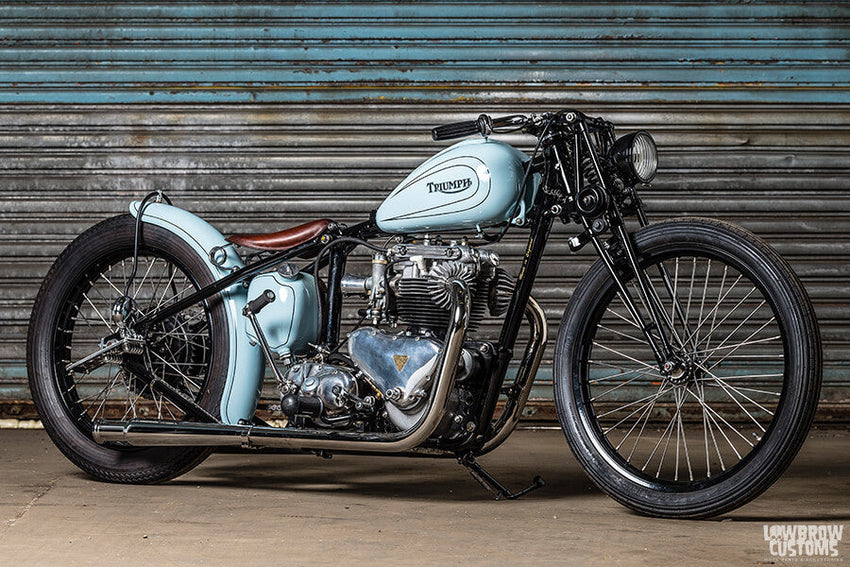
Credit: www.lowbrowcustoms.com
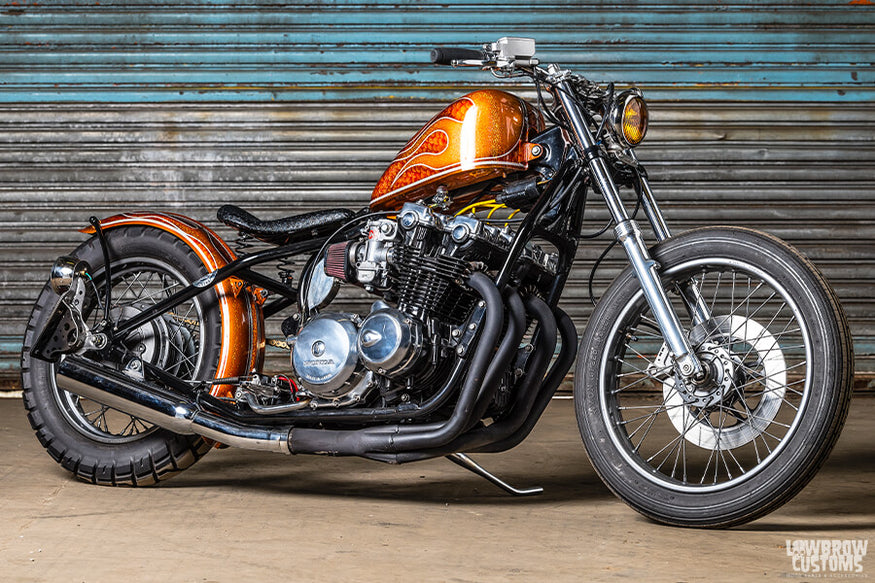
Credit: www.lowbrowcustoms.com
Frequently Asked Questions
What Tools Are Essential For Building Custom Chopper Bikes?
Essential tools include a welder, grinder, drill, and mechanic’s toolkit. Safety gear like gloves and goggles is crucial. Precision tools help ensure accurate assembly and finishing.
How Long Does It Take To Build A Custom Chopper Bike?
Building a custom chopper bike typically takes several weeks to months. The duration depends on skill level, design complexity, and parts availability.
Can Beginners Build Custom Chopper Bikes At Home?
Yes, beginners can build choppers with research and patience. Start with simple designs, follow tutorials, and prioritize safety to gain skills gradually.
What Materials Are Best For Custom Chopper Frames?
Steel tubing is preferred for strength and weldability. Chrome-moly steel offers durability and lightweight benefits. Proper material choice ensures safety and performance.
Conclusion
Building your custom chopper bike at home takes time and patience. Start with a clear plan and gather the right tools. Focus on each step carefully to avoid mistakes. Enjoy the process and learn from any challenges. Your unique chopper will reflect your style and effort.
Keep improving your skills with every build. Soon, you will ride a bike made by your own hands. This journey brings pride and joy like no other.



