

Are you ready to take your dirt jumping skills to the next level? Building your own dirt jump bike is the best way to get exactly what you need for those big air tricks and smooth landings.
Imagine riding a bike that feels like it was made just for you—strong, agile, and perfect for hitting every jump with confidence. In this guide, you’ll discover simple steps to build your dirt jump bike from the ground up. Whether you’re a beginner or looking to upgrade, you’ll find tips that make the process easy and fun.
Keep reading, and soon you’ll be riding a bike that’s truly yours.
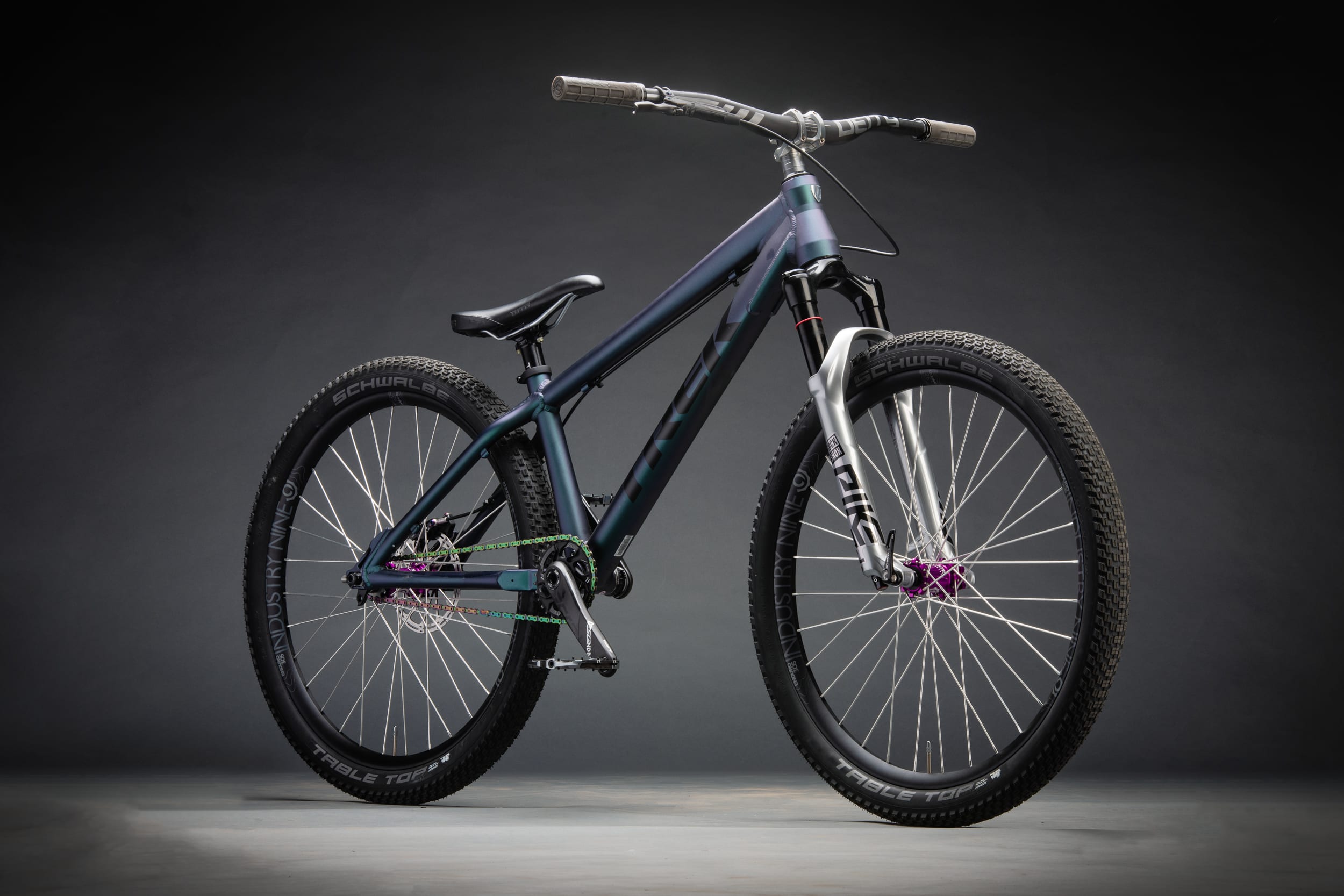
Credit: www.bikemag.com
Choosing The Right Frame
Picking the right frame is key for building a dirt jump bike. The frame affects how the bike feels and performs on jumps. You want a strong frame that fits your style and size.
In this guide, we look at frame material, geometry, and size. These factors help you find a frame that suits your riding needs and comfort.
Material Options
Frame material affects weight, strength, and price. Common materials include steel, aluminum, and carbon fiber.
- Steel:Durable and strong. It absorbs shocks well but is heavier.
- Aluminum:Lightweight and stiff. It is popular for dirt jump bikes.
- Carbon Fiber:Very light and strong. It costs more and can be less durable in crashes.
Frame Geometry
Geometry means the shape and angles of the frame. It affects how the bike handles and jumps.
| Geometry Aspect | Effect on Ride |
| Top Tube Length | Longer gives stability; shorter makes bike nimble |
| Head Tube Angle | Steeper means quicker steering; slacker adds control |
| Bottom Bracket Height | Higher helps clear obstacles; lower improves balance |
Size Considerations
Picking the right frame size improves comfort and control. A frame too big or small can cause problems.
- Stand over the bike frame. You want 1 to 2 inches of clearance.
- Check reach. You should reach the handlebars without stretching.
- Make sure you can pedal freely without hitting the frame.
Selecting Suspension Components
Choosing the right suspension parts makes your dirt jump bike safer and smoother. Good suspension helps absorb shocks and control the bike on rough landings.
Focus on the front fork, rear shock, and suspension settings. Each part affects how your bike rides and handles jumps.
Front Suspension Forks
Front forks take the first impact when you land. Choose a fork that matches your riding style and weight. Look for forks with enough travel, usually between 80mm and 120mm for dirt jumping.
- Check the fork travel length for your jump style
- Pick forks with sturdy construction and good damping
- Consider weight to keep the bike agile
- Look for easy maintenance features
Rear Shock Setup
The rear shock controls the back wheel movement. For dirt jumps, a simple coil shock or air shock with low travel is best. It helps keep the bike stable on landings.
| Shock Type | Travel Range | Best Use |
|---|---|---|
| Coil Shock | 50-80mm | Strong, reliable for big impacts |
| Air Shock | 60-90mm | Lightweight and adjustable |
Adjusting Suspension Settings
Adjust your suspension to fit your weight and riding style. Proper settings help your bike absorb bumps and landings well.
- Set sag to about 25-30% of total travel
- Adjust rebound to control how fast the suspension returns
- Tune compression for firmness on landings
- Test and fine-tune after each ride
Picking The Best Wheels And Tires
Choosing the right wheels and tires is key for a dirt jump bike. They affect how you ride and land jumps. This guide helps you pick the best options.
Focus on wheel size, tire types, and whether to use tubeless or tubed tires. Each choice changes your bike’s performance and durability.
Wheel Size Choices
Dirt jump bikes usually come with three main wheel sizes. Each size offers different control and speed. Picking the right one depends on your riding style.
- 26-inch wheels:Classic size, great for quick turns and easy control.
- 27.5-inch wheels:Balance between speed and maneuverability, popular choice.
- 29-inch wheels:Roll over obstacles easily, good for bigger jumps but less agile.
Tire Types And Tread Patterns
Tires come in different types and tread patterns. These affect grip, speed, and how the bike handles dirt and jumps.
| Tire Type | Best Use | Tread Pattern |
| Knobby | Loose dirt and rough terrain | Large, spaced knobs for grip |
| Slick | Hard-packed dirt and smooth surfaces | Low profile, minimal knobs |
| Semi-slick | Mixed terrain | Combination of knobs and smooth areas |
Tubeless Vs Tubed Tires
Tubeless tires do not have inner tubes. Tubed tires do. Each has pros and cons for dirt jumping.
- Tubeless tires:Lower risk of flats, better traction, lighter weight.
- Tubed tires:Easier to fix on the trail, usually cheaper, more common.
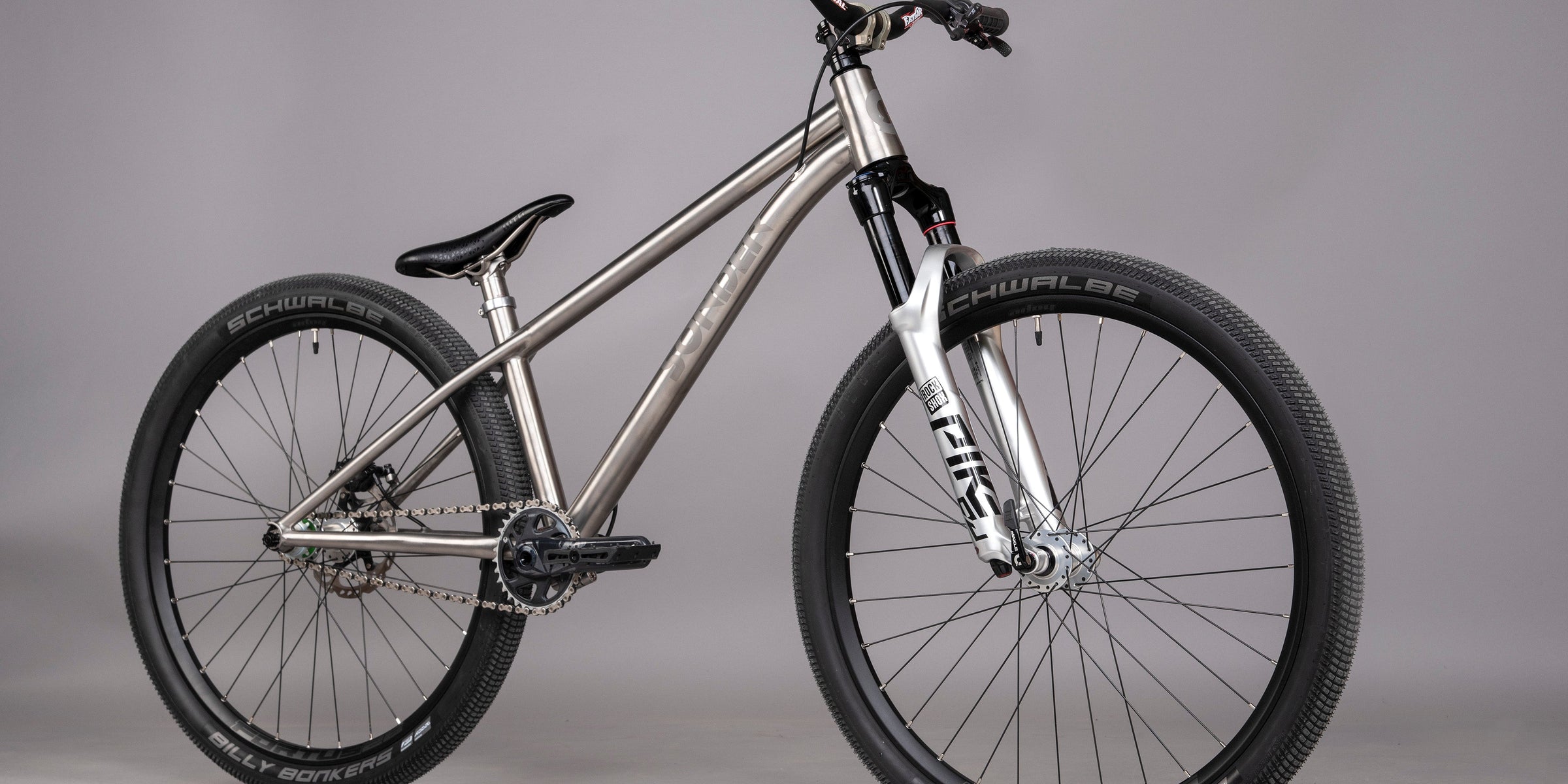
Credit: us.alpkit.com
Choosing Drivetrain And Gearing
Choosing the right drivetrain and gearing is key for a dirt jump bike. It affects how your bike performs on jumps and landings. You want a setup that feels smooth and is easy to maintain.
This guide covers single speed vs multi-speed options, crankset and chainring choices, and chain and cassette selection.
Single Speed Vs Multi-speed
Single speed bikes have one gear, making them simple and light. They need less maintenance and are popular for dirt jump riders who want reliability. Multi-speed bikes offer many gears to handle different terrains. They add weight and complexity but give more control on varied trails.
- Single speed: low maintenance, lighter, simple
- Multi-speed: more gears, heavier, requires tuning
- Choose single speed for easy jumps and tricks
- Choose multi-speed if you ride mixed terrain
Crankset And Chainring Options
The crankset connects pedals to the chainring, which drives the bike forward. For dirt jumps, a strong crankset is important to handle impacts. Chainrings come in different sizes, affecting pedaling effort and speed.
| Chainring Size | Effect |
| 28-32 teeth | Easier pedaling, better acceleration |
| 33-36 teeth | Higher top speed, harder to pedal |
| Single chainring | Less weight, simpler setup |
| Double or triple chainring | More gear options, more weight |
Chain And Cassette Selection
Chains link the crankset to the cassette on the rear wheel. Cassette gears affect your bike’s range of speeds. Dirt jump bikes often use durable chains that resist wear from dirt and jumps.
- Choose a chain matching your gear count (single or multi-speed)
- Pick a cassette with a suitable gear range for your riding style
- Look for chains with rust and dirt resistance
- Regularly check chain tension and wear for safety
Braking Systems For Dirt Jump Bikes
Brakes are very important for dirt jump bikes. They help you stop safely and control your speed.
Choosing the right braking system makes your rides smoother and safer. Let’s look at the main types and parts.
Disc Brakes Vs Rim Brakes
Disc brakes use a metal disc near the wheel hub. Rim brakes squeeze the wheel rim to slow down.
Disc brakes work better in wet or muddy places. Rim brakes are lighter and easier to fix.
- Disc brakes give stronger stopping power.
- Rim brakes are simpler and cheaper.
- Disc brakes need more care and tools.
- Rim brakes wear down the wheel rim over time.
Brake Lever And Caliper Choices
Brake levers control how you apply the brakes. Calipers hold the brake pads and press them on the wheel.
Choose levers that fit your hand size and riding style. Calipers must match the type of brakes on your bike.
- Hydraulic levers give smooth and strong braking.
- Mechanical levers use cables and need less maintenance.
- Calipers come in single or dual piston types.
- Dual pistons offer better brake pad contact.
Maintenance Tips
Regular brake checks keep your bike safe. Clean and adjust brakes to avoid problems.
Check brake pads for wear. Replace them if they are too thin. Keep cables tight and lubricated.
- Clean disc rotors with rubbing alcohol.
- Check brake fluid levels for hydraulic brakes.
- Tighten loose bolts on levers and calipers.
- Test brakes before every ride.

Credit: www.youtube.com
Handlebars, Stems, And Grips
Building a dirt jump bike needs the right handlebars, stems, and grips. These parts affect control and comfort.
Choosing the right style and size can improve your riding experience. Here are key points to consider.
Handlebar Styles
Handlebars come in different shapes and widths. The style affects how you steer and balance.
- Riser bars lift the grips higher for better control.
- Flat bars are straight and give a low profile.
- Mini risers are shorter and lighter than full risers.
- Wide bars offer more stability on big jumps.
Stem Length And Angle
The stem connects handlebars to the fork. Its length and angle change the bike’s feel.
| Stem Length | Effect on Riding |
| 30-40 mm | Quick steering, more responsive |
| 50-60 mm | Balanced control and comfort |
| 70+ mm | Stable but slower steering |
| Angle (0° to 35°) | Adjusts handlebar height and reach |
Grip Types And Comfort
Grips affect how your hands feel on the bars. Comfort helps reduce fatigue and improve control.
- Rubber grips offer good grip and shock absorption.
- Foam grips are light and soft but may wear faster.
- Lock-on grips stay firmly in place with clamps.
- Flanged grips provide extra hand support.
Saddle And Seatpost Setup
The saddle and seatpost are key parts of a dirt jump bike. They affect your comfort and control while riding.
Setting them up right helps you ride better and avoid injuries. Let’s look at what to consider for each.
Saddle Selection
Choose a saddle that fits your style and comfort needs. Dirt jump saddles are usually smaller and firmer.
- Look for a slim profile to avoid hitting the frame
- Pick a durable cover that can handle rough landings
- Consider padding that supports short, intense rides
- Check the shape to allow easy movement while jumping
Seatpost Types
Seatposts come in different types. The right one depends on your bike and riding style.
| Type | Description | Best Use |
|---|---|---|
| Rigid | Solid metal post without suspension | Most dirt jump bikes for direct control |
| Dropper | Adjustable height seatpost using lever | Rare on dirt jump but useful for varied terrain |
| Suspension | Seatpost with built-in shock absorption | Less common; adds comfort on rough landings |
Positioning For Control
Correct saddle height and angle help you stay balanced and ready for jumps.
Follow these tips for better positioning:
- Set saddle height low to allow easy standing and quick movements
- Keep the saddle angle level or slightly nose-up for comfort
- Move the saddle slightly backward for more control during landings
- Test different positions to find what feels best for you
Assembly And Tools Needed
Building a dirt jump bike needs the right tools and careful assembly. This guide covers the tools you need and the steps to put your bike together.
Follow the instructions to make sure your bike is safe and ready for jumps. Take your time and check each part carefully.
Essential Tools List
- Allen wrenches (various sizes)
- Torque wrench
- Bike grease and lubricant
- Adjustable wrench
- Bottom bracket tool
- Chain tool
- Tire levers
- Bike pump
- Screwdrivers (Phillips and flathead)
- Pedal wrench
Having these tools ready makes assembly easier. Use the right tool for each part to avoid damage.
Step-by-step Assembly
- Install the headset and fork in the frame.
- Attach the handlebars and tighten bolts securely.
- Fit the bottom bracket using the correct tool.
- Install the crankset and pedals.
- Mount the wheels and secure the axles.
- Attach the brakes and adjust for proper function.
- Install the chain and adjust its tension.
- Set up the saddle and seat post height.
- Check all bolts and screws for tightness.
- Lubricate moving parts to ensure smooth operation.
Follow each step in order. Tighten bolts to the correct torque to keep parts safe.
Safety Checks
| Check | What to Look For | Action Needed |
| Bolts and Screws | All tight and secure | Use torque wrench to tighten |
| Brakes | Responsive and aligned | Adjust cables and pads |
| Wheels | True and secure in dropouts | Spin wheels and fix if wobbling |
| Chain | Proper tension and lubrication | Adjust and apply lubricant |
| Handlebars | Centered and tight | Tighten bolts and align properly |
Perform these checks before every ride. Safety keeps your jumps fun and injury-free.
Customizing And Upgrading
Building a dirt jump bike lets you create a bike that fits your style and needs. Customizing and upgrading parts improves your ride and performance.
You can add accessories, improve bike parts, or change how it looks. Each upgrade makes your bike more fun and easier to control.
Adding Accessories
Accessories make your dirt jump bike more useful and safe. You can add parts that help with riding or protect your bike.
Common accessories include lights, grips, and guards. These add comfort and keep your bike working well.
- Handlebar grips for better hold
- Pedal pins to keep feet steady
- Chain guards to protect the chain
- Bike lights for visibility in low light
- Frame protectors to stop scratches
Performance Upgrades
Performance upgrades help your bike ride smoother and jump higher. These parts improve speed, control, and strength.
Focus on parts like tires, brakes, and suspension. Upgrading these makes riding easier and safer.
- Switch to wider tires for better grip
- Install stronger brakes for quick stops
- Upgrade suspension for smoother landings
- Use lighter rims to reduce bike weight
- Change gears for easier pedaling
Aesthetic Customization
Changing your bike’s look adds style and shows your personality. You can paint or add decals to make it unique.
Other ways to customize include colored parts and seat designs. These small changes make your bike stand out.
- Paint the frame in your favorite color
- Add decals or stickers for designs
- Use colored spokes or rims
- Choose a seat with special patterns
- Pick colored handlebar grips and pedals
Maintenance And Care
Taking care of your dirt jump bike helps it last longer. Regular checks keep it safe and fun to ride.
Simple maintenance can stop big problems. You do not need special skills to keep your bike in good shape.
Regular Cleaning
Clean your bike after every ride. Dirt and mud can cause parts to wear out faster.
Use water and a soft brush. Avoid high-pressure water on bearings and suspension.
- Rinse off loose dirt
- Scrub frame and wheels gently
- Dry the bike with a clean cloth
- Check for stuck mud in gears and brakes
Lubrication Tips
Keep your chain and moving parts lubricated. This helps them work smoothly and last longer.
Use bike-specific lubricants. Apply a small amount and wipe off the extra to avoid dirt buildup.
- Lubricate the chain regularly
- Apply lubricant to brake and gear cables
- Oil pivot points on brakes and derailleurs
- Do not over-lubricate to prevent dirt sticking
Troubleshooting Common Issues
Check your bike before rides to catch problems early. Fix small issues to avoid big repairs.
Listen for strange noises. Feel for loose parts or rough movements while riding.
- Adjust brakes if they feel soft or grab too hard
- Tighten loose bolts and screws
- Replace worn brake pads and tires
- Fix chain slips by cleaning and lubricating
- Check suspension for smooth movement and leaks
Frequently Asked Questions
What Essential Parts Do I Need For A Dirt Jump Bike?
You need a strong frame, front suspension or rigid fork, durable wheels, and wide handlebars. Quality brakes and a single-speed drivetrain also improve control and simplicity for dirt jumping.
How Do I Choose The Right Frame For Dirt Jumping?
Choose a lightweight but durable frame made from aluminum or chromoly steel. Look for a compact geometry that offers agility and strength to withstand jumps and rough landings.
What Tire Size Is Best For Dirt Jump Bikes?
Typically, 24-inch or 26-inch tires are best for dirt jump bikes. They provide a good balance of stability, traction, and maneuverability on dirt tracks.
Should I Use Front Suspension On A Dirt Jump Bike?
Front suspension helps absorb impacts and smooths landings. However, some riders prefer rigid forks for better control and less maintenance on dirt jump bikes.
Conclusion
Building a dirt jump bike is a fun, rewarding experience. First, gather the right tools and parts. Next, follow the steps carefully. Pay attention to details, ensuring each part fits well. This ensures safety and performance. Test your bike on different terrains.
Adjust parts as needed for a smooth ride. Enjoy the thrill and freedom of riding your custom bike. Remember, practice makes perfect. Each ride offers a chance to learn and improve. Happy biking!



