
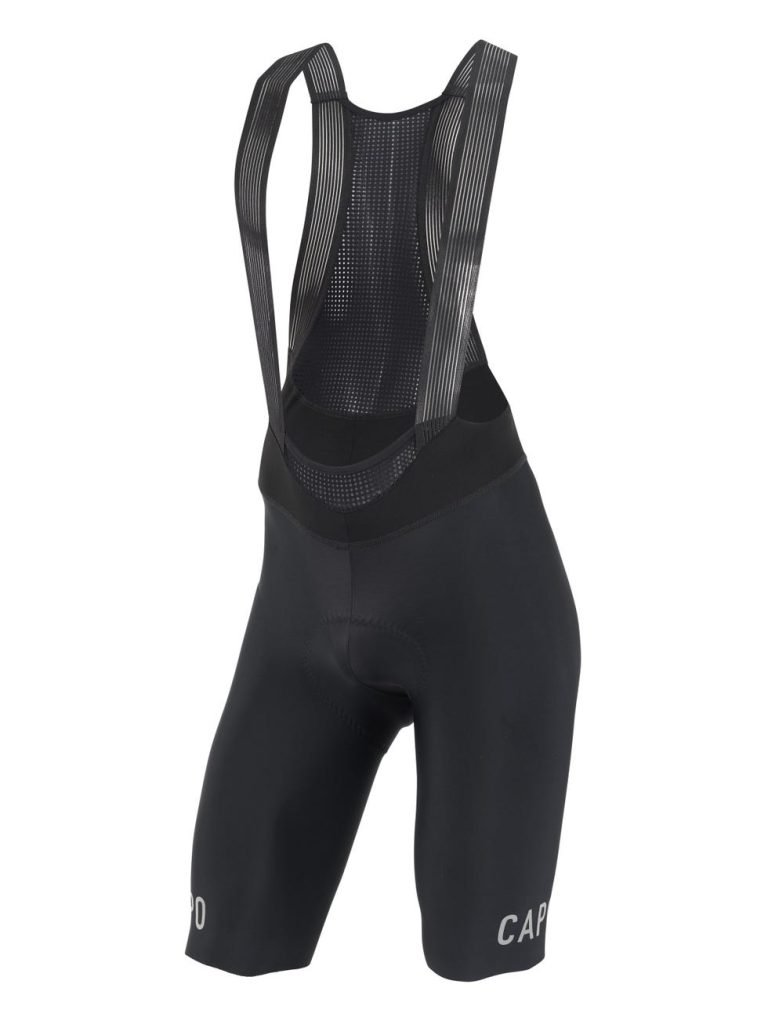
You just got a new pair of cycling shorts, and you’re eager to hit the road. But those new shorts feel stiff, tight, or even a bit uncomfortable.
You’re not alone—breaking in cycling shorts can be tricky, and wearing them the wrong way might leave you with chafing or soreness. What if you could make your shorts feel like they were made just for you, right from the start?
In this guide, you’ll learn simple, proven steps to break in your new cycling shorts quickly and comfortably. By the end, you’ll be ready to enjoy every ride without distraction. Keep reading to discover how to get the perfect fit and comfort you deserve.

Credit: www.bicycling.com
Choosing The Right Shorts
Choosing the right cycling shorts is a crucial step to ensure comfort and performance on your rides. The shorts you pick can make a big difference in how quickly they break in and how enjoyable your cycling experience becomes. Let’s look at the key factors that will help you select shorts that fit perfectly and feel great from the start.
Material Matters
The fabric of your cycling shorts affects comfort, durability, and breathability. Look for shorts made from high-quality synthetic fibers like Lycra or polyester, which stretch well and wick moisture away from your skin.
Natural fibers like cotton can feel soft but tend to retain sweat, causing discomfort and chafing. A blend that includes elastane offers flexibility, allowing the shorts to move with your body. Have you noticed how some shorts feel stiff at first? That often comes down to the material choice.
Correct Size And Fit
Proper sizing is essential to avoid discomfort and skin irritation. Shorts that are too tight can restrict movement and cause pressure points, while loose shorts may lead to chafing due to excess fabric rubbing against your skin.
Try on different brands and sizes to find your best fit. Pay attention to how the waistband and leg grippers feel; they should hold the shorts in place without digging into your skin. How do your current shorts fit during long rides? That insight can guide your selection.
Types Of Padding
Padding, or the chamois, is the part of the shorts that cushions you against the bike saddle. There are variations in thickness, density, and shape designed for different types of cycling and body shapes.
- Thin padding:Suitable for short rides where minimal cushioning is needed.
- Medium padding:Offers a balance for regular rides of moderate length.
- Thick padding:Designed for long-distance rides, providing maximum comfort.
Choosing the right padding can reduce soreness and help you ride longer without discomfort. Think about the length and type of rides you plan to do most often—does your current padding support that?
Preparing Your Shorts
Preparing your new cycling shorts properly can make a huge difference in comfort and durability during your rides. Taking a few simple steps before your first use helps prevent irritation and extends the life of your gear. These small actions ensure your shorts feel great from the very first mile.
Washing Before First Use
Always wash your new cycling shorts before wearing them. This removes any manufacturing residues and softens the fabric for a better fit. Use a gentle detergent and cold water to protect the material.
Dry them flat or hang to air dry—avoid the dryer as heat can damage elastic fibers. Have you noticed how a fresh wash makes your shorts feel less stiff and more comfortable?
Applying Chamois Cream
Chamois cream reduces friction and prevents chafing, especially on longer rides. Apply a thin layer directly onto the padded area of your shorts before putting them on.
You can also apply cream to your skin in the saddle area for extra protection. This simple step can save you from painful saddle sores and discomfort.
Inspecting Seams And Stitching
Check your shorts thoroughly for loose threads or weak seams. Strong stitching means your shorts will hold up through intense rides and multiple washes.
Gently pull along the seams to test their strength. If you spot any issues, fix them early or consider a different pair to avoid mid-ride wardrobe malfunctions.
Gradual Break-in Process
Breaking in new cycling shorts takes patience and care. A gradual break-in process helps your shorts mold to your body, improving comfort and performance. Rushing this can lead to chafing or soreness, which you want to avoid on longer rides.
Starting With Short Rides
Begin by wearing your new shorts on rides lasting 20 to 30 minutes. This gives your skin time to adjust to the chamois padding without overwhelming it. You’ll notice how the shorts feel and whether any areas cause irritation early on.
Try to keep these rides on familiar, smooth routes. This way, you focus on comfort rather than handling tricky terrain. Your body and shorts will gradually get used to each other without added pressure.
Increasing Ride Duration
Once short rides feel comfortable, slowly add more time in increments of 15 to 20 minutes. This helps the fabric and padding conform better to your shape. You might be surprised how a slight increase in ride time can reveal new pressure points.
Pay attention to how the shorts perform during longer sessions. Are they still comfortable after an hour or more? Adjust your break-in pace if you start feeling discomfort before pushing further.
Paying Attention To Discomfort
Discomfort is a clear sign your shorts need more break-in time or adjustment. Don’t ignore any hotspots or chafing—they can cause long-term pain if left unchecked. Use this feedback to decide when to rest or switch shorts for the day.
- Check for redness or irritation after each ride.
- Apply anti-chafing cream if needed during the break-in phase.
- Consider adjusting your saddle height or position to ease pressure.
Have you noticed subtle discomfort that disappears after a few rides? That’s your shorts adapting. But persistent pain means it’s time to rethink your approach.
Post-ride Care
Allow your new cycling shorts to air dry after each ride to maintain fabric quality. Gently hand wash them in cold water to keep the padding soft and comfortable. Avoid harsh detergents and high heat to extend their lifespan.
Breaking in new cycling shorts can be a rewarding yet delicate process. After a satisfying ride, it’s essential to give your shorts the care they deserve. Proper post-ride care not only extends the life of your gear but also ensures maximum comfort for future rides.Proper Washing Techniques
Start by turning your cycling shorts inside out before washing. This helps preserve the fabric and maintain the elasticity. Use a mild detergent and opt for a gentle cycle to avoid harsh agitation. Avoid using fabric softeners, as they can clog the breathable fibers of the shorts. Have you ever noticed a funky odor lingering even after a wash? That might be the culprit.Air Drying Tips
Once washed, avoid the temptation to toss your shorts in the dryer. High heat can degrade the material and reduce their lifespan. Instead, hang them in a shaded area with good airflow. Direct sunlight might seem like a quicker option, but it can cause colors to fade. Have you ever pulled out a pair of shorts that looked more pastel than intended? That’s the sun’s handiwork.Avoiding Damage
To ensure your shorts last, it’s crucial to handle them with care. Avoid wringing them out after washing, as this can stretch and weaken the fibers. Instead, gently press out excess water with a towel. Store them in a dry, cool place, away from sharp objects that could snag the fabric. Are your shorts stored safely, or are they at risk of accidental damage? Taking these precautions can save you time and money in the long run.Additional Comfort Tips
Breaking in new cycling shorts is only part of the comfort puzzle. How your bike fits and how you ride play huge roles in keeping you comfortable on every ride. These additional comfort tips will help you get the most out of your gear and avoid unnecessary discomfort.
Adjusting Saddle Position
Your saddle position affects how your shorts feel during rides. If the saddle is too high or low, it can cause chafing or pressure points that no shorts padding can fix. Try small adjustments by moving the saddle forward or backward until you find a spot where your sit bones feel supported without excess rubbing.
Ask yourself: Does my current saddle position cause numbness or soreness after an hour of riding? If yes, it’s time to tweak it. Even a few millimeters can make a big difference in comfort.
Using Quality Bike Seats
The seat you choose matters just as much as your shorts. A high-quality bike seat designed for your body type can reduce pressure and improve your riding experience. Look for seats with adequate padding, breathable materials, and ergonomic designs.
Remember, not all seats are one-size-fits-all. I switched to a seat with a cutout in the middle, and the difference was immediate—less numbness and better blood flow. Don’t hesitate to try different seats until you find one that feels right.
Maintaining Good Riding Posture
How you sit on your bike affects comfort more than you might think. Slouching or leaning too far forward puts extra strain on your lower back and can increase friction between your body and shorts. Keep a relaxed but engaged posture with a slight bend in your elbows and a neutral spine.
Pay attention to your body signals during rides. If you notice discomfort, adjust your posture rather than forcing yourself to push through pain. Small posture changes can help your shorts work better and keep your ride enjoyable.

Credit: www.loeffler.at

Credit: www.bicycling.com
Frequently Asked Questions
How Do I Break In New Cycling Shorts Comfortably?
Start by wearing your new shorts for short rides. Gradually increase the duration to let the fabric mold to your body. Avoid long rides initially to prevent chafing. Wash shorts before use to soften the material. Use chamois cream to reduce friction during the break-in period.
How Long Does It Take To Break In Cycling Shorts?
Breaking in cycling shorts typically takes about 3 to 5 rides. This allows the padding and fabric to soften and adjust to your shape. Consistent use helps improve comfort and reduces stiffness. Avoid rushing the process to prevent irritation or discomfort.
Should I Wash Cycling Shorts Before First Use?
Yes, always wash cycling shorts before the first use. Washing removes manufacturing residues and softens the fabric. It also helps the padding become more pliable. Use gentle detergent and avoid fabric softeners to maintain the shorts’ performance and durability.
Can Chamois Cream Help Break In New Cycling Shorts?
Chamois cream reduces friction and prevents chafing during rides. Applying it helps your skin adapt comfortably to new shorts. It enhances the break-in process by minimizing irritation. Use it especially on longer rides while breaking in your shorts for best results.
Conclusion
Breaking in new cycling shorts takes time and patience. Wear them on short rides at first. Gradually increase your ride length as they soften. Pay attention to fit and comfort throughout. Keep your shorts clean and dry after use. Avoid washing too often to protect padding.
Soon, your shorts will feel like a second skin. Enjoy smoother rides without discomfort or chafing. Remember, good cycling shorts improve your overall experience. Take care of them, and they will last longer. Happy cycling!



