
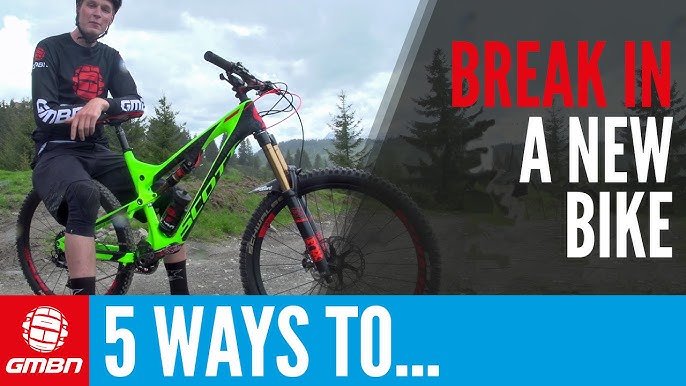
You just got your hands on a brand new mountain bike, and the excitement is real. You can already picture yourself conquering trails and feeling the rush of the wind.
But before you dive into the wild terrains, there’s one crucial step you must take: breaking in your new bike. This process ensures that every ride is smooth, safe, and enjoyable. Have you ever wondered why some rides feel like a dream and others like a struggle?
The answer often lies in how well you’ve prepared your bike for the adventure. In this guide, you’ll discover simple, effective ways to break in your mountain bike, enhancing both performance and your overall riding experience. Stick with us, and you’ll be ready to tackle those trails like a pro in no time. Are you ready to unlock the full potential of your new ride? Let’s get started.
Choosing The Right Terrain
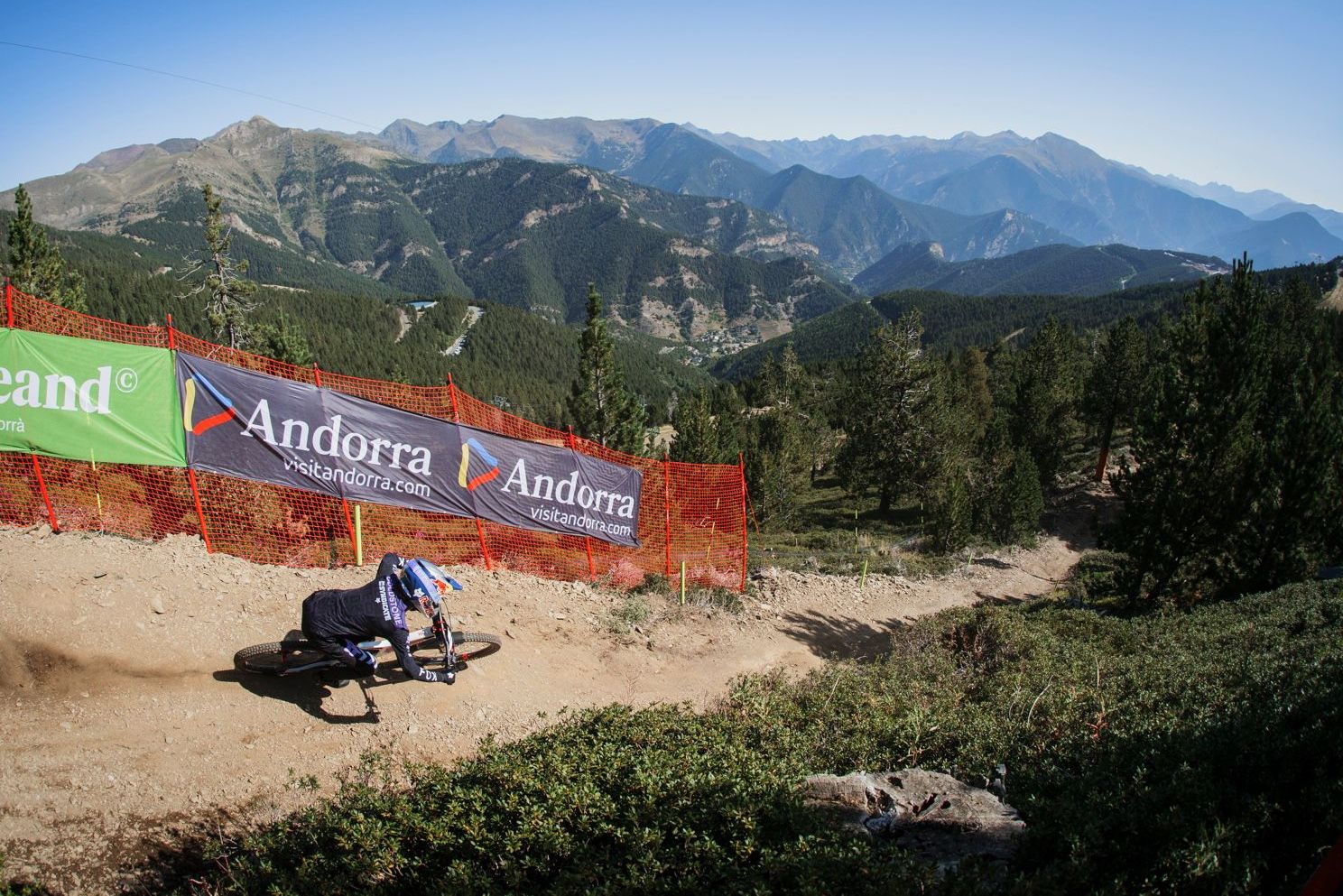
Beginner riders should start on easy trails. These trails are less steep and smooth. Intermediate riders can choose moderate trails. They may have small hills and curves. Advanced riders might enjoy difficult trails. These can have steep hills and rocks. Knowing your skill level is important. It keeps you safe and helps you enjoy the ride.
Check nearby parks for bike trails. Many parks have marked paths. Look for trail maps online. Some trails are short. Others can be very long. Choose a trail that matches your skill level. Ask friends about their favorite trails. Local bike shops can also suggest good trails. Riding local trails is a great way to practice.
Always check the weather before riding. Sunny days are best for biking. Rain can make trails slippery. Wind can make riding harder. On hot days, bring water. Wear layers on cold days. Avoid biking during storms. Safe weather means a fun ride.

Credit: www.youtube.com
Pre-ride Bike Inspection
Proper tire pressure is very important. It helps you ride safely. Use a tire gauge to check the pressure. Make sure it matches the recommended level. Too low, and the ride is bumpy. Too high, and the tires may burst. Always keep a pump handy. It can save you in emergencies.
Check your brakes before every ride. They should work well. Squeeze the brake levers. The bike should stop quickly. Listen for any strange sounds. If they squeak, they might need fixing. Ensure the brake pads are not worn out. Good brakes keep you safe.
A clean chain rides smoothly. Use bike oil to lubricate it. This stops rust and keeps it working well. Wipe off extra oil with a cloth. Too much oil attracts dirt. A smooth chain helps you pedal easily. Remember, a happy chain means a happy ride.
Adjusting Bike Settings
Setting up a new mountain bike involves adjusting seat height, handlebars, and suspension to match your riding style. Fine-tuning these elements ensures a comfortable and efficient ride, helping you tackle various terrains with ease. Proper settings enhance your control and performance on trails.
Setting Seat Height
Seat height is very important. Your feet should touch the ground. Balance is key. Adjust the seat until you feel comfortable. Knees should be slightly bent. This helps with control. Always check the seat before riding. Make sure it is secure.
Fine-tuning Suspension
Suspension affects how the bike feels. Test the bike on rough paths. Feel how the bike moves. Adjust the suspension to suit the terrain. Soft suspension is good for bumpy trails. Hard suspension is better for smooth paths. Make small changes until you find the best setting.
Handlebar Positioning
Handlebar position impacts your comfort. Your arms should be relaxed. Adjust the handlebars up or down. Straight arms are ideal. Make sure you can reach them easily. Grip is important too. Test different positions until you are happy. Proper positioning helps with control and safety.
Credit: ucimtbworldseries.com
Building Confidence With Short Rides
Start with short ridesto feel your new mountain bike. Keep your rides simple. Focus on how the bike feels. Gradual distance increasehelps build strength. Each ride, try to go a bit further. Push yourself gently. This way, you’ll gain more confidence.
Learn to handle basic obstacles. Ride over small rocks and bumps. This teaches balance and control. Not all paths are smooth. Practice makes perfect.
Turning is important. Practice turns in safe places. Start slow, then speed up. Feel how your bike moves. Turning smoothly is key. This skill helps you in tricky paths. So, keep practicing!
Mastering Essential Skills
Learning to balance is crucial for riding. Start by practicing on flat ground. Keep your body relaxed. Use your arms to steer. Feel the bike’s movement. Shift your weight as needed. Try to stay centered. Practice makes perfect.
Braking is key to safe riding. Use both brakes gently. Avoid sudden stops. Practice slowing down smoothly. Shift your weight back when braking. This helps keep control. Always look ahead for obstacles. Be ready to brake early.
Gears help you ride on hills. Shift gears before the hill. This makes pedaling easier. Use lower gears for uphill. Higher gears are for flat surfaces. Don’t shift too quickly. Listen to your bike. It tells you when to shift.
Safety Gear And Precautions
A good helmet is very important. It protects your head. Choose a helmet that fits snugly. It shouldn’t wobble when you move. Look for one with adjustable straps. These help keep the helmet in place. Make sure it’s certified for safety. This ensures the helmet can protect you well.
Wear clothes that cover your arms and legs. Long sleeves and pants can prevent scratches. Choose clothing made from durable materials. It should be comfortable too. Bright colors are good. They help others see you easily. Consider wearing gloves. They protect your hands and improve your grip.
Always carry an emergency kit. It should have a first-aid kit. Bandages and antiseptic wipes are essential. Include a multi-tool for bike repairs. A small pump and patch kit can fix flat tires. Pack some snacks and water. These keep you fueled during long rides.
Maintaining Your Mountain Bike
Keep your bike clean to make it last longer. Dirt and mud can harm parts. Use a soft brush and water to clean. Don’t forget the chain. It needs to be clean and shiny. A clean bike rides better.
Always check your bike parts. Make sure bolts are tight. Check the brakes, they must work well. Look at the tires for any damage. Check the chain, it should not be rusty. These checks keep you safe on rides.
Visit a bike shop for a tune-up. Experts know how to adjust gears. They check every part carefully. A tune-up makes your bike ride smoothly. It’s like a doctor visit for your bike.
Joining Mountain Biking Community
Discover the thrill of mountain biking with a new bike. Start gently and gradually increase your rides to ensure comfort. Remember to adjust the seat and handlebars for a perfect fit.
Local Clubs
Joining local mountain bike clubsis a great way to make friends. These clubs often have regular meet-ups. You can learn from experienced bikers. Clubs usually plan group ridesand events. You will get tips on bike trails. It’s also a fun way to explore new places.
Online Forums
Online forums are full of useful tips. You can ask questions and get advice. Read stories from other bikers. Share your biking adventures too. These forums connect bikers worldwide. It’s a good place to find bike equipment reviews. You may also find trail maps and weather updates.
Group Rides
Group rides are exciting and social. You ride with other bikers. These rides help improve your biking skills. You learn the best routes from others. Group rides are safe and fun. You can join rides through local clubs or online forums. It’s a great way to enjoy nature and make new friends.

Credit: rfmba.org
Frequently Asked Questions
How To Break In A New Mtb?
To break in a new MTB, ride on varied terrains for short sessions. Gradually increase distance and intensity. Check and adjust the bike’s components regularly. Keep the bike clean and lubricated. Always wear safety gear while riding.
How To Bed In New Mountain Bike Brakes?
Start by riding your bike at a moderate speed. Gradually apply the brakes until you stop. Repeat this process 10-15 times to evenly distribute pad material on the rotor. Avoid sudden stops during this process. Proper bedding in ensures optimal brake performance and longevity.
How To Break In A Brand New Bike?
Ride gently for the first 500 miles, avoiding high speeds and full throttle. Vary the engine speed to ensure proper lubrication. Check tire pressure and fluid levels regularly. Avoid rough terrain and heavy loads initially. Follow the manufacturer’s guidelines for optimal performance and longevity.
How Long Do Mtb Brakes Take To Bed In?
MTB brakes typically take around 30 to 50 stops to bed in properly. During this period, performance improves as the pads and rotors align. To expedite the process, apply consistent pressure and avoid sudden stops. Proper bedding in ensures optimal braking efficiency and safety during rides.
Conclusion
Breaking in a new mountain bike takes time and patience. A few rides help adjust to its feel. Regular maintenance ensures smooth performance. Check your bike after each ride. Look for any issues or loose parts. Adjust settings for comfort and better control.
Ride on varied terrains to understand your bike’s capabilities. This builds confidence and skill. Enjoy the ride as your bike becomes an extension of you. The journey transforms your biking experience. Embrace each ride and learn. You’ll soon find joy in every pedal.



