
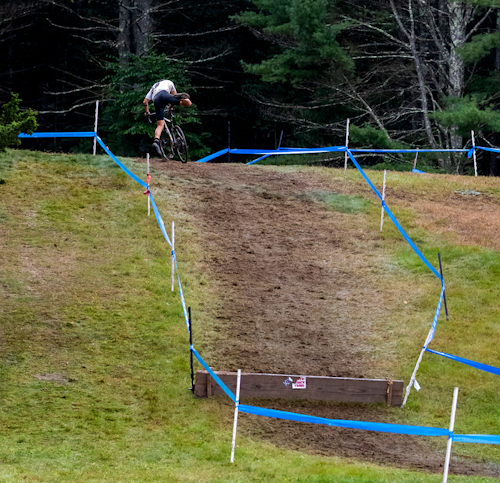
Have you ever faced a tricky obstacle on your cyclocross ride and felt your bike wobble or lose control? Balancing your cyclocross bike over obstacles is a skill that can make a huge difference in your ride’s smoothness and safety.
Imagine gliding confidently over barriers without losing speed or footing. You’ll discover simple yet effective techniques to keep your balance and master those challenging sections. Ready to boost your confidence and ride like a pro? Let’s dive into how you can take control and balance your cyclocross bike over any obstacle.

Credit: www.bikeradar.com
Bike Handling Basics
Keep your body low and centeredover the bike. Bend your knees and elbows slightly to absorb shocks. This helps stay balancedon rough surfaces.
Hold the handlebars firmly but not too tight. Use your fingers to control the brakes smoothly. This gives better grip and controlduring obstacles.
- Keep a steady speed to avoid stopping.
- Use momentum to roll over bumps and barriers.
- Pedal evenly to maintain balance and power.

Credit: www.bikeradar.com
Approaching Obstacles
Check the ground before reaching obstacles. Notice if it is wet, loose, or hard. These affect your bike’s grip and balance.
Slow down or speed up to match the terrain. Going too fast can cause you to lose control. Too slow, and you may get stuck.
- Look for a clear path with fewer bumps.
- Choose a line that keeps your bike steady.
- Avoid deep mud or sharp rocks if possible.
Good line choice helps keep your balance and speed steady.
Techniques For Balancing
Maintaining steady body weight helps keep the bike balanced over obstacles. Focus on smooth pedal strokes and controlled speed for better stability. Practice shifting your weight forward and backward to adjust quickly on uneven surfaces.
Track Stands
Track standshelp keep your bike steady without moving. Keep your pedals level and your body relaxed. Use small back and forth movements to hold your balance. Focus on the front wheel to keep control. Practicing track stands builds confidence on tricky parts.
Slow-speed Maneuvers
Slow speeds need precise control. Use your brakes gently and pedal smoothly. Keep your eyes ahead to plan your path. Small handlebar movements help adjust balance. Staying calm and steady makes it easier to cross obstacles.
Weight Distribution
Shift your body weight to stay balanced. Lean forward on climbs and backward on descents. Keep your center of gravity low. Use your arms and legs to absorb bumps. Good weight distribution prevents slips and falls.
Specific Obstacles Strategies
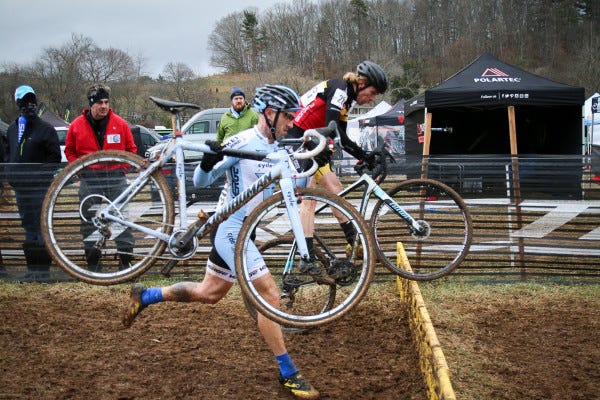
Riding Over Barriersrequires quick dismount and remount skills. Approach barriers at a slow speed. Lift the bike over with your arms while hopping over. Keep balance by shifting weight forward and back. Practice smooth transitions to save time and energy.
Navigating Logs and Rootsdemands steady control and balance. Lower your center of gravity by bending knees and elbows. Keep a firm grip on handlebars. Roll over obstacles slowly but with enough momentum to avoid getting stuck. Look ahead to pick the best path around or over.
Handling Steep Rampsneeds strong pedal power and good balance. Lean slightly forward to keep the front wheel down. Maintain a steady, strong pedal stroke. Avoid sudden movements that can cause slipping. Look up to prepare for the top of the ramp.
Training Drills
Balance exercises help improve control on cyclocross bikes. Practice standing still on your bike without moving. Try slow pedaling on flat surfaces to build stability. Use a balance board to train your body to stay steady.
Obstacle simulation prepares you for real race conditions. Set up small barriers or logs to ride over. Practice going up and down ramps at low speed. Focus on smooth transitions and keeping your bike steady.
Core strength workouts support better balance. Exercises like planks and sit-ups build strong abdominal muscles. Strong core muscles help keep your body steady on rough terrain. Try simple yoga poses to increase body control and flexibility.
Credit: resultsboy.medium.com
Common Mistakes To Avoid
Braking too much makes the bike slow and hard to control. Keep brakes light for smooth rides. This helps maintain speed and balance. Use brakes only when needed. Save energy and avoid falls.
Keep your body balanced on the bike. Lean too much, and you might fall. Stay centered with your feet on pedals. Look ahead, not down. This helps you see obstacles early. It keeps the ride steady.
Momentum helps you move over bumps. Slow down, and it gets tough. Keep a steady pace for easy rides. Use the bike’s speed to glide over obstacles. It makes cycling fun and less tiring.
Equipment Tips
Choosing the right tiresis very important. Cyclocross races have different surfaces. You need tires that grip well. Look for tires with a good tread pattern. This helps in both mud and grass. Keep them a bit soft for a better grip. The correct tire pressure can make a big difference. Lower pressure helps with balance.
Adjust your bike setupfor comfort. Make sure your seat is at the right height. This helps in better control. Handlebar position matters too. It should be easy to reach. Adjust brakes for quick stops. Test the bike before racing. Small tweaks can improve performance a lot.
Wearing the right safety gearis crucial. Always wear a helmet to protect your head. Gloves can help with grip and protect hands. Knee pads can prevent injuries in falls. Safety gear keeps you safe during races. Make sure everything fits well. This ensures better movement and comfort.
Frequently Asked Questions
How Do You Balance A Cyclocross Bike On Obstacles?
To balance a cyclocross bike on obstacles, shift your weight evenly. Keep your eyes forward, use your core muscles, and maintain a steady speed. Practice slow, controlled movements to improve your balance and confidence over uneven terrain.
What Techniques Improve Cyclocross Bike Obstacle Balance?
Techniques include practicing bunny hops, lifting the front wheel first, and using body weight shifts. Focus on smooth pedal strokes and maintaining momentum. Regular drills on small obstacles build muscle memory and control for better balance.
Why Is Body Position Important On Cyclocross Obstacles?
Body position affects stability and control. Lean slightly forward, keep elbows bent, and stay relaxed. Proper positioning helps absorb shocks and react quickly, making it easier to balance and navigate obstacles smoothly.
How Can I Practice Balancing On Cyclocross Obstacles Safely?
Start with low, stable obstacles like curbs or small logs. Use open spaces with soft ground for falls. Wear protective gear and practice at slow speeds. Gradually increase difficulty as your skills and confidence improve.
Conclusion
Balancing your cyclocross bike on obstacles takes practice and focus. Keep your body relaxed and eyes ahead. Use small, steady movements to stay stable. Trust your bike and your skills. Each ride builds confidence and control. Try different obstacles to improve balance.
Soon, you will feel smoother and safer. Enjoy the challenge and ride with care. Balance is key to better cyclocross riding. Keep practicing, and you will get better every time.



