
Are you struggling to find the perfect balance for your bike tire weight? Whether you’re a casual rider or a cycling enthusiast, getting your bike tires just right can make a big difference in your ride.
It affects speed, stability, and even your overall biking experience. Imagine gliding effortlessly, each pedal stroke smooth and powerful, all because your bike tires are perfectly balanced. Sounds great, right? You’ll discover simple tips and tricks to help you achieve that ideal tire weight balance.
You’ll learn how small adjustments can lead to a big impact on your ride, turning your cycling into a more enjoyable and efficient activity. Ready to enhance your biking experience? Let’s dive in!
Importance Of Tire Weight
Tire weight affects bike speed and control. Lighter tires help you go faster. They also make pedaling easier. Heavy tires slow you down. They need more effort to move. This can tire you out quickly. Lighter tires are ideal for smooth roads. For bumpy paths, heavier tires are better. They offer more grip and stability. Choosing the right tire weight is important. It helps you ride safely and comfortably. Always check tire weight before buying. This ensures a better biking experience. Remember, the right tires make a big difference.
Factors Affecting Tire Weight
Bike tires can be made from different materials. Rubber is common for its durability. Some tires use composite materials for lighter weight. The construction method affects weight too. Tubeless tires can be lighter than those with tubes. This impacts the overall bike performance.
The tread design plays a big role in tire weight. Deep treads add more material and weight. Smooth treads are lighter and faster. Racing bikes often use less tread. Mountain bikes need more grip, thus heavier treads.
Bigger tires are heavier due to more material. Thinner tires weigh less and are faster. Wide tires provide stability but add weight. Choosing the right size depends on bike use. Consider balance between weight and performance.
Choosing The Right Tire Weight
Your riding style affects tire weight choice. If you ride fast, lighter tires are better. They make the bike go quicker. For rough terrains, heavier tires provide stability. They help in keeping balance on bumpy roads. Consider your riding needs before choosing.
Different terrains need different tires. Smooth roads suit lightweight tires. They help in easy pedaling. Heavy tires are good for rocky paths. They protect from sharp objects. Match your tire weight with the terrain for a safe ride.
What do you want from your bike? If speed is key, choose lighter tires. They help in moving fast. For long rides, durable tires last longer. They handle wear and tear well. Align your goals with tire choice for a better ride.

Credit: www.amazon.com
Balancing Techniques
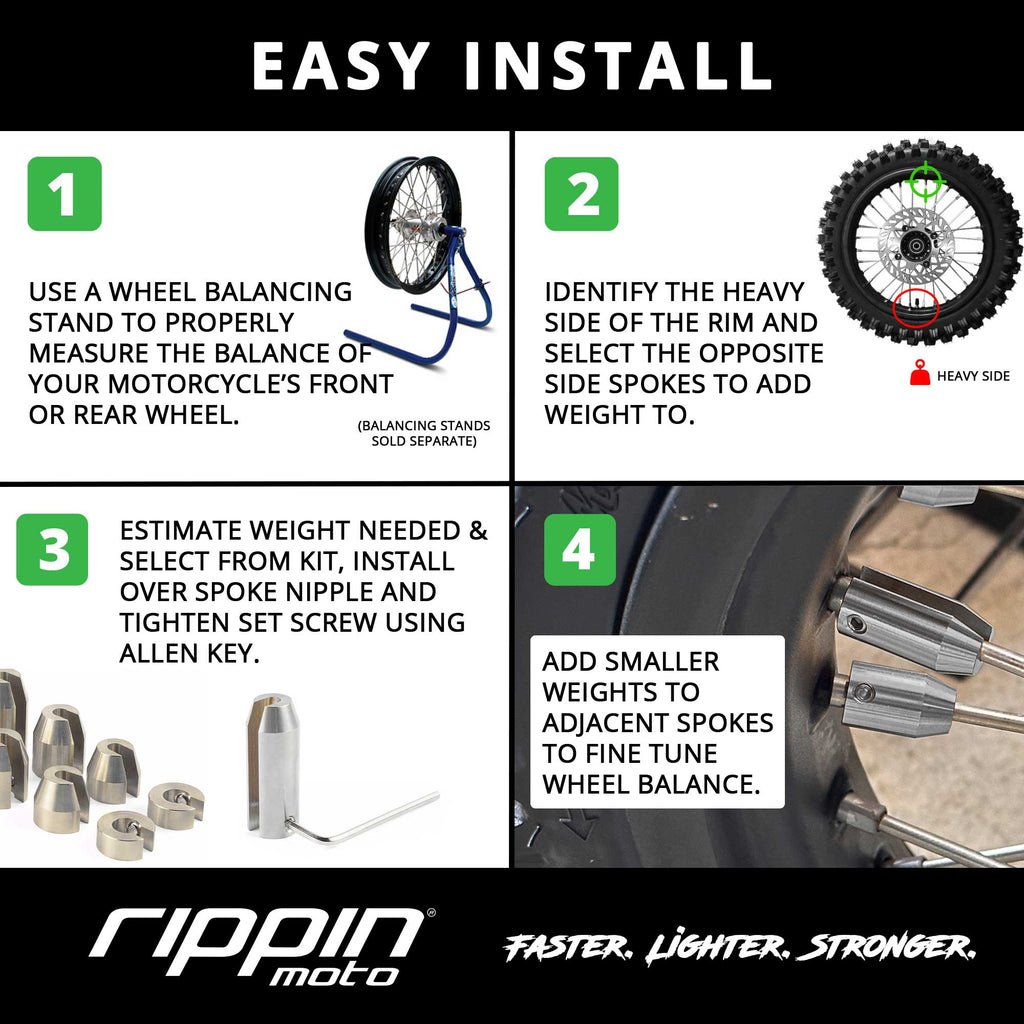
Balancing bike tire weight ensures a smoother ride and better handling. Begin by checking for any uneven weight distribution. Use small adhesive weights to balance the tires, attaching them opposite the heavy spot. Regularly rotating and balancing tires prolongs their life and enhances bike performance.
Weight Distribution
Distribute weight evenly on the bike. This helps the tires balance. Use sandbagsor weights on both sides. Keep the bike steady when adding weight. Check the balance by spinning the wheel.
Tire Pressure Management
Maintain correct tire pressure for balance. Use a pump to add air. Check with a gauge to be sure. Proper pressure helps the bike ride smooth. It also keeps tires from wearing out fast.
Using Balancing Kits
Balancing kits help tires stay even. These kits include weights and tools. Attach weights to the wheel rim. Make sure they are even on both sides. This keeps the tire stable on the road.
Pros And Cons Of Lightweight Tires
Balancing bike tire weight involves understanding lightweight tires. They offer faster speeds and improved handling. But they can wear out quickly and may cost more.
Speed And Agility
Lightweight tires make bikes go faster. They help with quick turnsand stops. Riders feel more controlon the road. These tires help in races and long rides. They are perfect for smooth pathsand tracks. But not ideal for rocky surfaces.
Durability Concerns
Lightweight tires wear out faster. They are less strongthan heavier ones. Rocks and sharp objects can damage them. Riders might need to replace them more often. This can be a problem for long trips. Planning ahead is important for spare tires.
Cost Implications
Lightweight tires are often more expensive. They cost more because of special materials. Riders must decide if speed is worth the price. Some may prefer cheaper, heavier tires. Budget is a big factor in choosing tires. Think about how often you ride and on what surfaces.

Credit: www.amazon.com
Expert Recommendations
Some brands make light and strongbike tires. Schwalbeis known for its durable tires. Continentaloffers tires with great grip. Maxxisis popular for mountain bike tires. Each brand has unique features. Choose one that fits your needs.
Professional riders say tire weight affects speed. Lighter tires are faster. Heavier tires provide better control. Riders choose tires based on their style. For racing, they prefer lighter tires. For mountain biking, they choose heavier tires.
- Check tire pressure often.
- Inspect for cuts or wear.
- Keep tires clean.
- Rotate tires for even wear.
- Replace worn-out tires quickly.

Credit: kriddo.com
Frequently Asked Questions
Where Do Weights Go When Balancing Tires?
Weights are placed on the rim of the wheel to balance tires. They counteract imbalances and ensure smooth rotation. Typically, weights are clipped onto the outer or inner edge of the wheel rim, depending on the type of imbalance. Proper placement is crucial for vehicle stability and tire longevity.
Can I Balance A Tire Myself?
Yes, you can balance a tire yourself using a bubble balancer. Ensure you have the right tools and follow instructions carefully. Proper tire balancing improves vehicle performance and extends tire life. For best results, consider professional balancing for accuracy.
How Do You Balance A Bicycle Tire?
To balance a bicycle tire, spin it and mark the heaviest spot. Attach a small weight opposite this spot. Repeat until the tire spins evenly. Check tire pressure and ensure proper installation for optimal balance.
How To Balance Your Weight On A Bike?
Maintain a relaxed posture with knees slightly bent. Distribute weight evenly between the handlebars and seat. Keep your eyes ahead to anticipate obstacles. Use core muscles for stability and shift your weight during turns. Practice regularly to improve balance and confidence.
Conclusion
Balancing bike tire weight is crucial for a smooth ride. Properly balanced tires improve control. It prevents unnecessary strain on the bike frame. Check tire pressure regularly. Use tools designed for weight distribution. This ensures longer tire life. Enjoy a safer cycling experience.
Practice these tips consistently. Notice the difference in your ride quality. Remember, small adjustments lead to big improvements. Stay attentive to changes in tire feel. Ride confidently with balanced tires. Keep exploring new terrains with ease. Happy cycling adventures await!



