
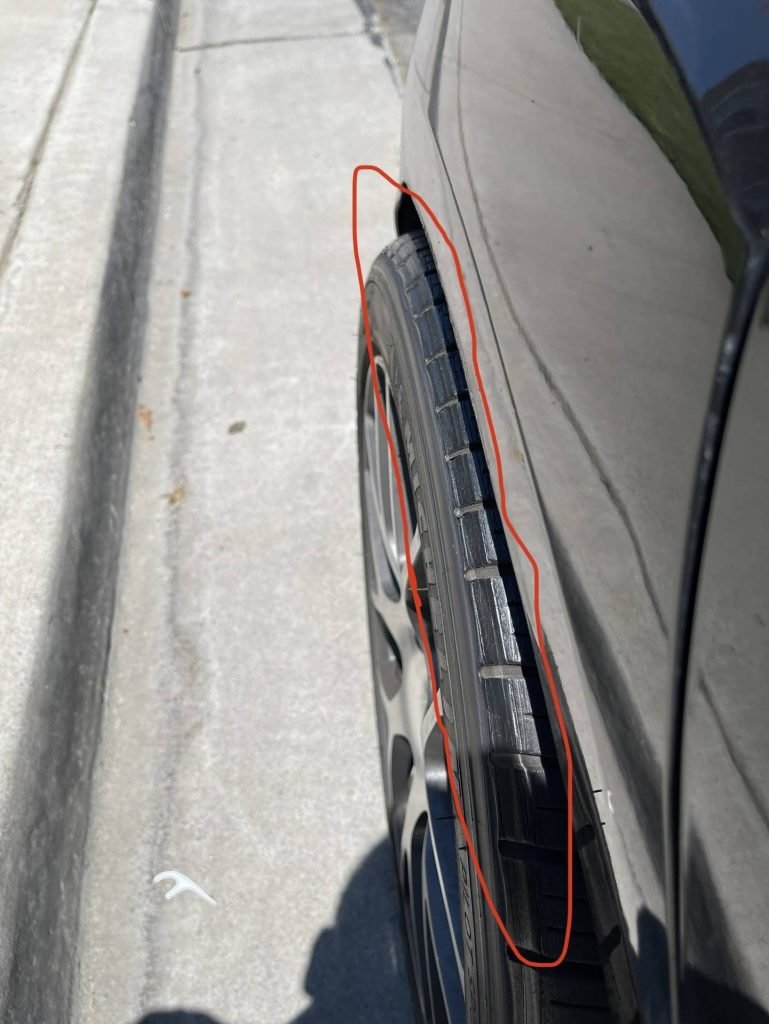
Imagine cruising down the road, feeling the wind against your face, and suddenly, you hear that dreaded sound—tire rub. It’s not just annoying; it can damage your tires and fenders, leading to costly repairs.
You might wonder, “How can I prevent this from happening? ” Well, you’re in the right place. Understanding how to avoid tire rub on your fenders is crucial for a smooth and safe driving experience. This article will guide you through simple steps and practical tips that will keep your tires and fenders safe.
By the end, you’ll have the knowledge to ensure your vehicle runs smoothly, saving you time, money, and headaches. Keep reading to discover how you can protect your car from this common issue.
Understanding Tire Rub
Prevent tire rub on fenders by ensuring proper tire size and alignment. Check suspension components regularly to avoid issues. Adjust wheel spacers if needed for optimal clearance.
Causes Of Tire Rub
Tire rub happens when tires touch the car’s fender. This can be caused by oversized tires or incorrect wheel alignment. Lowered vehicles often experience tire rub. Heavy loads can also lead to this issue. Suspension problems might be a reason too. Rough roads increase the chance of tire rub.
Common Signs And Symptoms
Listen for a scraping sound while driving. Uneven tire wear is a clear sign. Check for marks on the fender. Vibrations might occur when tires rub. Difficulty steering can be a symptom too. Smell of burnt rubber is a warning sign. Tire damage can be a result of tire rub.

Credit: www.facebook.com
Assessing Vehicle Specifications
Checking the tire size is crucial to prevent fender rub. Ensure tires match the vehicle’s specifications. Adjusting suspension can provide extra clearance.
Proper Tire Size And Fitment
Choosing the right tire sizeis crucial. It prevents rubbing against the fenders. Check your vehicle’s manual for recommended tire sizes. Using tires that are too wide can cause issues. Ensure the tires fit well within the wheel wells. Proper fitment avoids contact with the fender during turns. Regular checks can help maintain safety and performance.
Impact Of Wheel Offset
Wheel offset affects tire position relative to the fender. A correct offsetensures the tire sits properly. Too much offset can push the tire outwards. This can lead to rubbing. Verify the offset with your car’s guidelines. It’s essential for smooth and safe driving. Adjustments might be needed to achieve the perfect fit.
Evaluating Suspension Components
Suspension kits can change a car’s height. Lift kits raise the car. Lowering kits bring it down. Both affect tire clearance. Make sure to choose the right kit for your car. Check the instructions carefully. Incorrect installation can cause tire rub.
Proper alignment keeps tires safe. Bad alignment can make tires rub. Check alignment when you feel a problem. A mechanic can help with alignment. Regular checks prevent tire issues. Tires should be straight and balanced. A good alignment increases tire life. Always keep tires aligned to avoid rub.
Modifying Fender And Wheel Wells
Adjust fender and wheel wells to prevent tire rub effectively. Trim edges and reposition liners for better clearance.
Trimming And Rolling Fenders
Trimming fenders is a useful way to stop tire rub. Cut away the extra metal or plastic. This gives the tire more space. Rolling fenders is another method. Use a special tool to bend the fender’s edge. This creates a smooth curve. It helps avoid sharp edges. Both methods need care and patience. Be sure to check for sharp edges. These can damage tires over time. Always wear safety gear while working.
Installing Fender Flares
Fender flares add extra space for tires. They attach to the fender’s edge. This gives tires more room to move. Choose flares that fit your car’s style. They can be made from plastic or metal. Make sure they match your car’s color. Installation can need drilling. Be careful with the car’s paint. Fender flares also protect from mud and debris. They are a stylish and functional choice.
Adjusting Driving Habits
Adjust driving habits to prevent tire rub on fenders. Slow down when turning corners and avoid overloading your vehicle. Regularly check tire pressure and alignment to maintain safe driving conditions.
Avoiding Sharp Turns
Sharp turns can cause tires to rub against fenders. This can damage your car. Try to make wide turns instead. Slow down before making a turn. It helps control the car better. Keep a safe distance from other vehicles. This gives you more room to turn smoothly.
Navigating Speed Bumps Carefully
Speed bumps can be tricky for tires. Drive over them slowly. This reduces the risk of tire rub. Approach the bump straight on. Don’t hit it at an angle. Keep both hands on the wheel. This helps you maintain control.
Credit: www.vintage-mustang.com
Regular Maintenance Checks
Look at your tires often. Check for uneven wear. Uneven wear can cause tire rub. Keep tires properly inflated. Overinflated or underinflated tires wear out faster. Rotate tires regularly. This helps them last longer. Use a tire gauge to check pressure. Make sure it matches the recommended level. Proper tire care keeps your car safe.
Check the suspension system regularly. Worn suspension parts can lead to tire rub. Listen for strange noises while driving. Noises can mean suspension issues. Inspect shocks and struts. They should not leak or be damaged. Test car stability. It should not sway or bounce too much. Fix suspension problems quickly. Healthy suspension helps smooth rides.
Consulting With Professionals
Consulting professionals can help prevent tire rub on fenders. Experts suggest proper tire sizing and suspension adjustments. They ensure optimal clearance and safe driving.
When To Seek Expert Advice
Sometimes, fixing tire rub is tricky. If unsure, ask an expert. Experts know about cars and can help. They check if your tires fit right. They also look for damage or problems. It’s smart to talk to them if you hear strange noises. This keeps your car safe and running well.
Choosing The Right Auto Shop
Find a good auto shop by asking friends. Read reviews online, too. Look for shops with trained workers. They should know about tires and fenders. A good shop gives you honest advice. They also use quality parts for repairs. This makes sure your car stays in top shape.
Credit: www.vintage-mustang.com
Frequently Asked Questions
How Do I Stop My Tires From Rubbing My Fender?
Adjust your car’s suspension to increase clearance. Opt for smaller tires or use wheel spacers. Ensure proper tire alignment and check for worn-out shocks. Regular inspection can prevent rubbing.
Will Wheel Spacers Stop Tire Rubbing?
Wheel spacers can help stop tire rubbing by creating more clearance. They push the wheels outward, reducing contact with the wheel well. Ensure proper size and installation for effectiveness. Always consult with a professional to avoid potential issues.
Why Do My Tires Rub Against?
Tires may rub due to improper alignment, worn-out suspension components, or incorrect tire size. Check for damaged wheel bearings, bent rims, or aftermarket modifications affecting wheel clearance. Regular maintenance and proper installation can prevent tire rubbing, ensuring smoother rides and longer tire lifespan.
How To Stop Wheels Rubbing Arches?
To stop wheels rubbing arches, adjust suspension height or install wheel spacers. Choose narrower tires or roll fender arches. Regularly check alignment and tire pressure.
Conclusion
Tire rub on fenders can cause serious damage. Follow simple steps to prevent it. Check tire size and wheel alignment regularly. Ensure proper suspension settings for your vehicle. Avoid overloads that stress your car’s frame. Regular maintenance helps avoid costly repairs.
Listen to your vehicle. Pay attention to unusual sounds or tire wear. These tips keep your ride smooth and safe. Simple adjustments make a big difference. Protect your car and enjoy smoother drives. Stay proactive and your tires will thank you.
Safety and comfort go hand in hand. Keep your vehicle in top shape.



