

Riding BMX is thrilling, but it can also be risky if you’re not careful. You want to push your limits and enjoy every ride without ending up hurt.
The good news? You can avoid injuries by making smart choices and following simple safety tips. You’ll discover practical ways to protect yourself and keep your BMX adventures fun and injury-free. Ready to ride safer and stronger? Let’s dive in!
Choose The Right Gear
Choosing the right gear is key to staying safe while riding BMX. The right equipment protects your body from falls and impacts. It also boosts your confidence on the bike. Invest time in selecting gear that fits well and suits your riding style.
Helmet Selection
A good helmet shields your head from injury. Pick a helmet designed for BMX or skate sports. It should fit snugly without being too tight. Look for helmets with proper ventilation and adjustable straps. Check for safety certifications like CPSC or ASTM. Replace your helmet after any big crash.
Protective Pads
Pads guard your elbows, knees, and wrists from scrapes and bruises. Choose pads with hard shells and soft padding inside. Make sure they stay in place during tricks and jumps. Comfortable pads help you ride longer without distraction. Some riders also wear padded shorts for extra hip protection.
Appropriate Footwear
Good shoes improve bike control and protect your feet. Use flat-soled shoes with strong grip to avoid slipping off pedals. Shoes should cover your ankles for added support. Avoid sandals or running shoes that lack grip and protection. Keep your footwear clean and in good condition for safe rides.
Bike Maintenance
Keeping your BMX bike in top shape isn’t just about performance—it’s a key factor in staying safe while riding. Neglecting bike maintenance can lead to unexpected breakdowns or accidents. Taking a few simple steps regularly can save you from injuries and keep your ride smooth.
Regular Inspections
Make it a habit to give your bike a quick check before every ride. Look for loose bolts, worn-out parts, or cracks in the frame. Even a small issue like a slightly loose handlebar can cause serious problems when you’re landing tricks or racing.
Think about the last time you ignored a strange noise or wobble. Could that have led to an accident? Catching problems early helps you fix them before they become dangerous.
Tire Pressure Check
Proper tire pressure affects how your BMX handles and reacts to different surfaces. Too low, and you risk flats or poor control; too high, and the ride feels harsh and unstable. Keep a pressure gauge handy and check your tires weekly or before a big session.
Remember, tire pressure isn’t one-size-fits-all. It changes based on your weight, riding style, and terrain. Experiment with small adjustments to find the sweet spot that gives you confidence and control.
Brake Functionality
Brakes are your best friend when it comes to avoiding crashes. Test your brakes regularly to ensure they respond quickly and evenly. If you feel any sponginess or delayed stopping power, it’s time to tighten cables or replace pads.
Don’t wait for a brake failure to realize its importance. Imagine needing to stop suddenly and your brakes let you down—how would that affect your safety? Keeping brakes sharp protects you and everyone around you.
Mastering Basic Skills
Mastering the basic skills of BMX riding is essential to keeping yourself safe and confident on the bike. These foundational abilities form the backbone of your riding technique and help prevent common injuries. If you focus on perfecting these core skills, you’ll find your control and stability improve dramatically.
Balancing Techniques
Balance is the first skill you need to master to avoid falls. Start by practicing riding slowly in a straight line, keeping your body relaxed and your eyes looking ahead, not down at the wheels.
Try standing on one pedal while coasting to develop better weight distribution. This small exercise helped me stop wobbling and gave me the confidence to tackle more challenging terrain without fear of tipping over.
Have you noticed how your body shifts when you lean into a turn? Learning to counterbalance your weight during those moments keeps you steady and reduces the risk of slipping out.
Braking Techniques
Effective braking is about control, not just stopping quickly. Avoid slamming the brakes, which can cause you to lose traction or flip over the handlebars.
Practice gentle, gradual pressure on the brakes to slow down smoothly. Using both front and rear brakes together distributes force evenly, giving you better stopping power.
Remember, braking early before turns or obstacles gives you more time to react. Have you ever panicked and braked too late? Training yourself to brake calmly changes everything.
Steering Control
Steering is more than just turning the handlebars; it’s about guiding your entire body. Keep your elbows slightly bent and your fingers ready on the brakes to react quickly.
Focus on where you want to go, not where you don’t want to go. Your bike follows your eyes, so looking through turns helps your steering stay smooth and accurate.
Try practicing figure-eights and tight circles in an open area. These drills sharpen your precision and teach you how subtle handlebar movements influence your path.

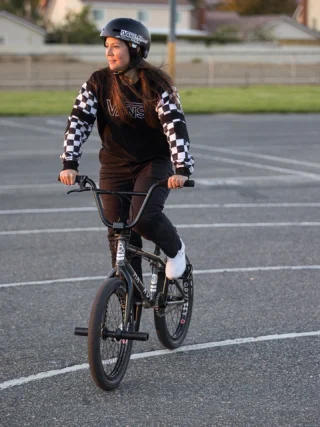
Credit: www.reddit.com
Understanding Terrain
Understanding the terrain is key to staying safe while riding BMX. Different surfaces and obstacles can affect your control and balance. Knowing what lies ahead helps you react better and avoid falls. Pay close attention to the ground and path you choose.
Identifying Hazards
Scan the area for any dangers before you ride. Look for loose gravel, wet spots, cracks, or sharp objects. These can cause your bike to slip or stop suddenly. Spotting hazards early lets you plan a safer route.
Adjusting To Different Surfaces
Each surface feels different under your tires. Hard concrete offers fast speed but less grip. Dirt trails may be softer but can hide bumps or holes. Slow down and adapt your riding style to match the surface. This keeps you steady and reduces injury risk.
Navigating Obstacles
Obstacles like rocks, roots, or ramps need careful attention. Approach them with steady speed and control. Use your body to absorb shocks and keep balance. Practicing different ways to cross obstacles builds confidence and safety.
Warm-up Exercises
Warm-up exercises are crucial before you hit the BMX track. They prepare your muscles and joints for the intense movements ahead, reducing the risk of injury. Skipping this step can lead to strains or worse, cutting your ride short unexpectedly.
Stretching Routines
Start with dynamic stretches that target your legs, hips, and arms—key areas used in BMX riding. Leg swings, arm circles, and lunges help increase blood flow and loosen tight muscles. Hold each stretch for about 15-20 seconds without bouncing to avoid muscle tears.
Think about your last ride—did you feel stiff or limited in movement? Adding a solid stretching routine can make a noticeable difference in how agile you feel on the bike.
Strength Building
Strong muscles protect your joints and improve control over your BMX bike. Focus on exercises like squats, push-ups, and planks that build core and leg strength. Even short, consistent workouts can boost your power and reduce injury risks.
Have you noticed fatigue kicking in early during your rides? Strength training can help you maintain energy and stability, especially during tricks or jumps.
Flexibility Drills
Flexibility drills improve your range of motion, making it easier to handle sudden movements or recover from slips. Incorporate yoga poses or simple movements like toe touches and hip openers to stay limber. Aim to do these drills regularly, not just before riding.
How often do you feel restricted while trying a new trick? Improving your flexibility might be the key to smoother, safer rides.
Learning Advanced Moves Safely
Learning advanced BMX moves safely requires more than just enthusiasm. It demands a clear plan, the right environment, and proper guidance. Ignoring these elements can lead to injuries that stall your progress and passion.
Step-by-step Progression
Break down complex tricks into smaller, manageable parts. Master each part before moving on to the next. For instance, if you want to learn a tailwhip, start by perfecting your bunny hop and body positioning first.
Have you ever tried to rush a trick and ended up crashing? Taking it slow builds muscle memory and confidence, reducing the risk of injury. Celebrate small wins—they’re the foundation of bigger achievements.
Use Of Practice Areas
Choose spaces designed for BMX practice, like skateparks or dirt tracks. These areas offer safer surfaces and obstacles suited for learning advanced moves. Avoid busy streets or rough terrains where unexpected hazards can catch you off guard.
Practice areas often have softer landings or foam pits, which allow you to try risky moves with less fear. Have you noticed how practicing in the right environment makes you push your limits safely?
Supervised Training
Training under an experienced rider or coach can transform how you approach advanced tricks. They spot mistakes you might miss and offer immediate corrections. This guidance helps you avoid bad habits that could lead to injuries later.
Think about the last time someone gave you real-time feedback—didn’t it save you from repeating errors? Supervision provides not only safety but also motivation and faster skill improvement. Don’t hesitate to ask for help; it’s a smart move, not a sign of weakness.
Importance Of Rest And Recovery
Rest and recovery are crucial parts of riding BMX safely. Your body needs time to heal and strengthen after intense rides. Ignoring rest can lead to burnout and increase your risk of injury, which no rider wants.
Listening To Your Body
Pay attention to the signals your body sends. Soreness, stiffness, or unusual pain are signs you might need a break. Pushing through pain can make small issues turn into serious injuries.
Remember, every rider has different limits. Trust your instincts and take rest days seriously to keep riding strong and injury-free.
Managing Fatigue
Fatigue affects your focus and reaction time, two things you need most on your BMX. When you feel tired, your form can slip, increasing the chance of falls or accidents.
Try spacing out your rides and mixing in lighter sessions. This helps you recover better and keeps your performance sharp.
Injury Recovery Strategies
If you do get hurt, don’t rush back too soon. Use ice, compression, and elevation to reduce swelling right after an injury. Follow up with gentle stretching and strengthening exercises once pain decreases.
Sometimes, seeking advice from a professional like a physiotherapist can make a big difference. Proper recovery helps you come back stronger and lowers the chance of re-injury.
Credit: odysseybmx.com
Credit: leoguarbikes.com
Frequently Asked Questions
What Safety Gear Is Essential For Bmx Riders?
Wearing a helmet, knee pads, elbow pads, and gloves is crucial for BMX safety. These protect against common injuries during falls and crashes. Proper gear reduces impact and prevents serious harm, making riding safer and more enjoyable.
How Can Beginners Avoid Bmx Injuries?
Start with basic skills and practice on flat, smooth surfaces. Gradually progress to tricks and rough terrains. Always warm up before riding and wear protective gear. Learning proper techniques reduces the risk of falls and injuries.
Why Is Bike Maintenance Important For Safety?
Regularly checking brakes, tires, and chains ensures your BMX is in top condition. Proper maintenance prevents mechanical failures that can cause accidents. Keeping your bike well-maintained enhances control and safety during rides.
How Does Terrain Affect Bmx Injury Risk?
Riding on uneven or rough terrain increases the chance of falls. Beginners should avoid technical trails until they gain experience. Choosing appropriate terrain for your skill level minimizes injury risks and improves riding confidence.
Conclusion
Riding BMX is fun but can be risky without care. Always wear proper gear like helmets and pads. Practice skills slowly before trying big tricks. Check your bike often to keep it safe. Stay alert and avoid risky moves that cause falls.
Protecting yourself helps you enjoy BMX longer. Stay safe and ride smart every time you hit the track.



