
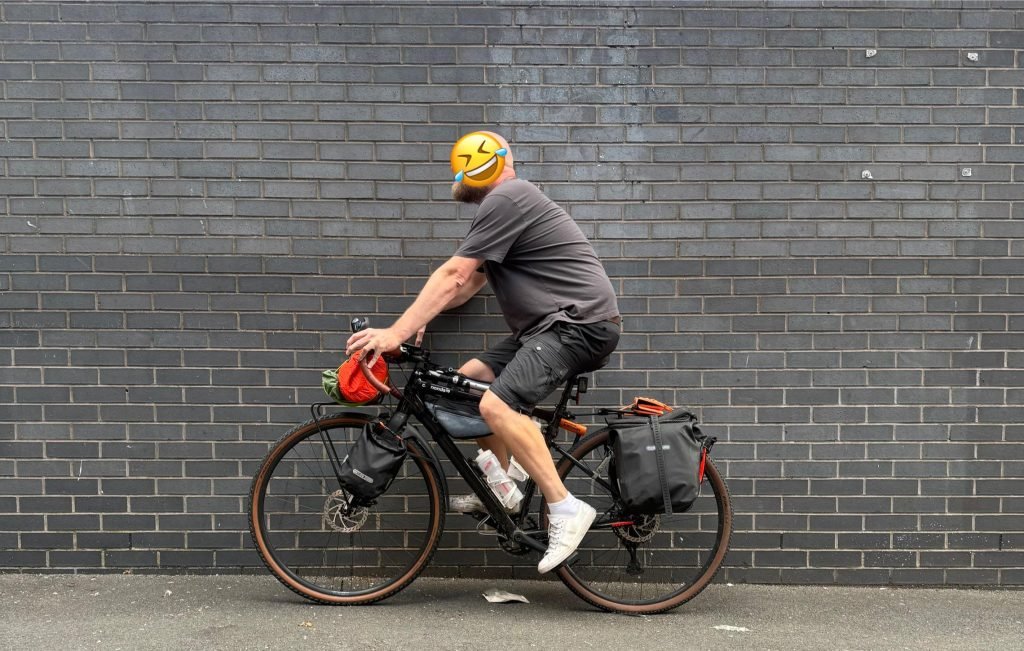
Nothing ruins a great bikepacking trip faster than a flat tire. You’re miles away from help, with heavy gear and rough trails ahead.
But what if you could prevent those frustrating flats before they happen? In this guide, you’ll discover simple, practical tips to keep your tires tough and your ride smooth. Imagine riding confidently, knowing you’re prepared for whatever the trail throws at you.
Keep reading to learn how to protect your tires and make your next adventure hassle-free.
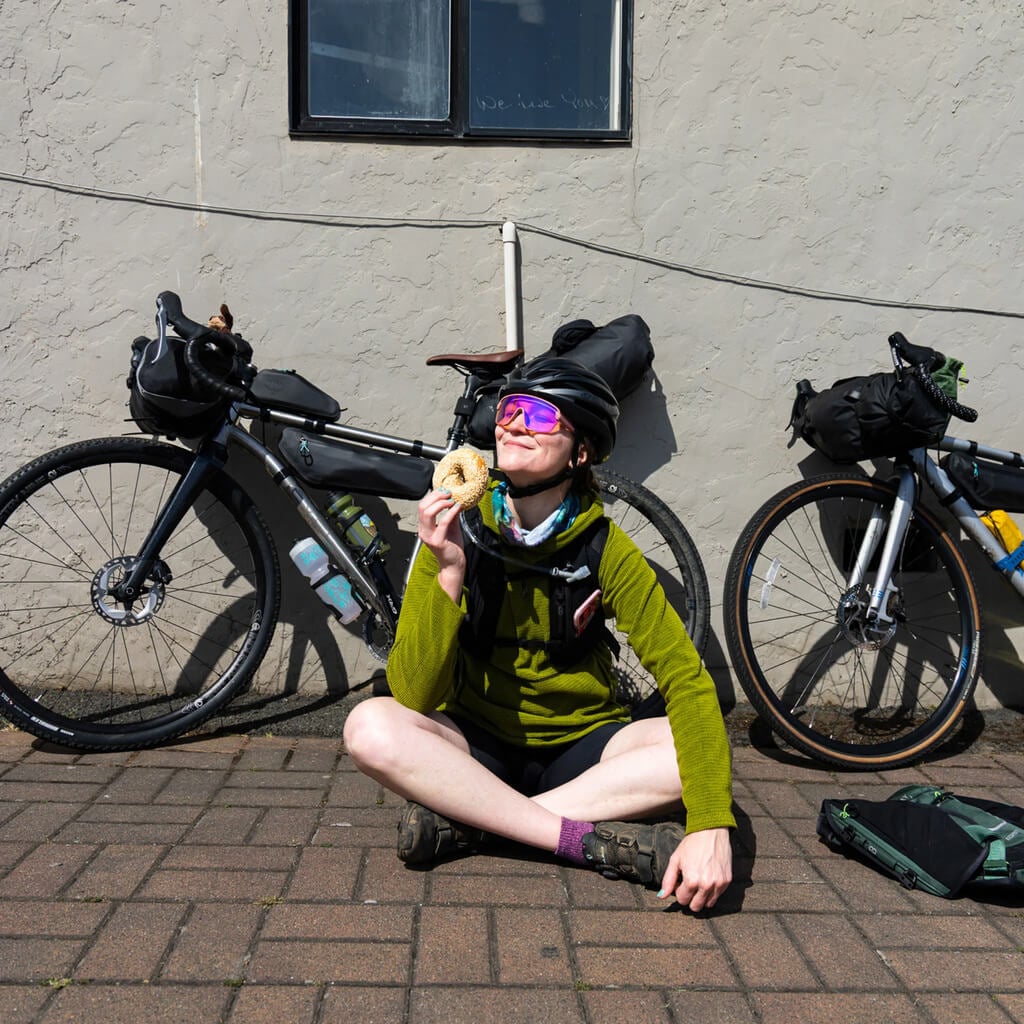
Credit: www.osprey.com
Choose Durable Tires
Flat tires can ruin a bikepacking trip. Choosing strong tires helps you avoid this problem. Durable tires last longer and resist punctures better.
Picking the right tires is important for a smooth ride. Look for tires designed to handle rough paths and sharp objects.
Select Puncture-resistant Models
Puncture-resistant tires have extra layers to stop sharp objects from causing flats. These tires are good for rocky or thorny trails.
Many brands offer tires with built-in protection. Look for features like Kevlar belts or thick rubber layers to reduce puncture risks.
Consider Tire Width And Tread
Wider tires give more grip and absorb bumps better. They also lower the chance of punctures by spreading pressure evenly.
Tread patterns help tires grip different surfaces. Choose tread that fits your route, like smooth for roads or knobby for dirt trails.
- Narrow tires are faster but less stable on rough roads
- Wide tires offer more comfort and puncture resistance
- Deep treads work well on loose or muddy surfaces
- Smooth treads are best for paved or hard trails
Evaluate Tire Material And Construction
Tire materials affect strength and weight. Natural rubber is flexible, while synthetic rubber can be tougher and more durable.
Look at the tire’s casing. More layers mean better protection but add weight. Find a balance that fits your ride style.
- Thicker casings resist cuts and punctures
- Lightweight tires save energy but may be less durable
- Reinforced sidewalls protect against sharp rocks
Maintain Proper Tire Pressure
Proper tire pressure helps prevent flat tires on bikepacking trips. It keeps your tires strong and ready for all kinds of paths.
Checking and adjusting pressure takes little time. It makes your ride safer and more comfortable.
Check Pressure Before Every Ride
Always check your tire pressure before you start riding. Tires lose air over time, even when not used. A quick check stops surprises on the trail.
- Use a pressure gauge to get an exact reading.
- Fill tires to the recommended pressure found on the sidewall.
- Do this every time before you leave.
Adjust Pressure Based On Terrain
Different surfaces need different tire pressures. Hard roads need higher pressure. Soft trails need lower pressure for better grip.
| Terrain Type | Recommended Tire Pressure (psi) |
| Paved Roads | 50 – 70 |
| Gravel Trails | 35 – 50 |
| Soft Dirt or Sand | 25 – 35 |
Use Reliable Pressure Gauges
Good pressure gauges give accurate readings. Cheap or broken gauges can mislead you. This causes over or under-inflation, raising the chance of flats.
Look for these features in a pressure gauge:
- Clear and easy-to-read dial or digital display
- Durable build for outdoor use
- Works with your valve type (Presta or Schrader)
- Portable size for bikepacking
Inspect Tires Regularly
Checking your bike tires often helps avoid flat tires during bikepacking. Regular inspections catch problems early.
Careful tire checks keep your ride safe and smooth on long trips.
Look For Cuts And Embedded Debris
Examine your tires for cuts or sharp objects stuck in the tread. Small cuts can grow and cause flats.
Remove any stones, glass, or thorns carefully to protect the tire surface.
- Use your fingers to feel for small cuts or holes
- Check tire sides and tread areas
- Clear out any debris stuck deep in the tire
Replace Worn-out Tires Promptly
Old or worn tires lose grip and tear easily. Replace tires before they become too thin or cracked.
New tires reduce the chance of flats and improve bike handling on rough trails.
- Check tire tread depth regularly
- Look for cracks or dry rot on the sidewalls
- Swap tires that show heavy wear or damage
Clean Tires After Rough Terrain
After riding on rough paths, clean your tires well. Dirt and mud hide damage and debris.
Cleaning helps you find problems early and keeps tires in good shape.
- Use water and a soft brush to remove dirt
- Dry tires fully before storing your bike
- Inspect tires closely after cleaning for hidden cuts or debris

Credit: alpkit.com
Use Protective Accessories
Flat tires can ruin a bikepacking trip. Using protective accessories helps prevent flats. These tools add extra defense to your tires.
Choosing the right accessories keeps your ride smooth. It also saves time and effort on the trail.
Install Tire Liners
Tire liners fit between the tire and tube. They protect tubes from sharp objects on the trail. Liners reduce the risk of punctures and pinch flats.
They are easy to install and remove. Tire liners add little weight but offer strong protection.
- Made from tough materials like Kevlar or plastic
- Fit most tire sizes
- Reusable and durable
Apply Sealant Inside Tubes
Sealant is a liquid that fills small holes fast. Adding sealant inside tubes helps fix tiny punctures while riding. This reduces the chance of a flat tire.
Sealant works best with latex or compatible tubes. It spreads around inside the tube to seal cuts and holes quickly.
- Seals holes up to a few millimeters
- Lasts for several months
- Requires occasional top-ups
Consider Tubeless Tire Systems
Tubeless tires do not have inner tubes. They use a sealant inside the tire to prevent flats. This system reduces pinch flats and small punctures.
Tubeless tires need special rims and valves. They provide a smoother ride and can run at lower pressure for better grip.
- Uses liquid sealant to close small holes
- Less chance of pinch flats
- Lightweight and efficient
- Requires proper setup and maintenance
Pack Essential Repair Tools
Flat tires can stop your bikepacking trip fast. Carrying the right tools helps you fix problems quickly. Prepare well to keep riding without long delays.
Focus on tools that fix flats and keep your tires in good shape. This guide shows what to pack for safe and smooth rides.
Carry Spare Tubes And Patch Kits
Spare tubes let you fix a flat tire fast. Patch kits help repair small holes in tubes to avoid extra weight. Both are must-haves for any trip.
- Carry at least one or two spare tubes matching your tire size.
- Use a patch kit with glue, patches, and sandpaper for quick fixes.
- Store tubes and patches in a waterproof bag to keep them dry.
Bring A Portable Pump Or Co2 Inflator
Inflating your tire after repair is vital. Portable pumps and CO2 inflators work well for this task. Each has its pros and cons depending on your needs.
| Tool | Pros | Cons |
|---|---|---|
| Portable Pump | Reliable, no extra cartridges needed | Can be slow and requires effort |
| CO2 Inflator | Fast inflation, lightweight | Cartridges run out, extra cost |
Include Tire Levers And Multi-tools
Tire levers help remove tires from rims safely. Multi-tools have various functions to tighten bolts or adjust parts. Both are essential for tire repairs and adjustments.
- Use tire levers made of durable plastic to avoid rim damage.
- Choose a multi-tool with hex keys, screwdrivers, and a chain tool.
- Keep these tools easily reachable in your pack for quick access.
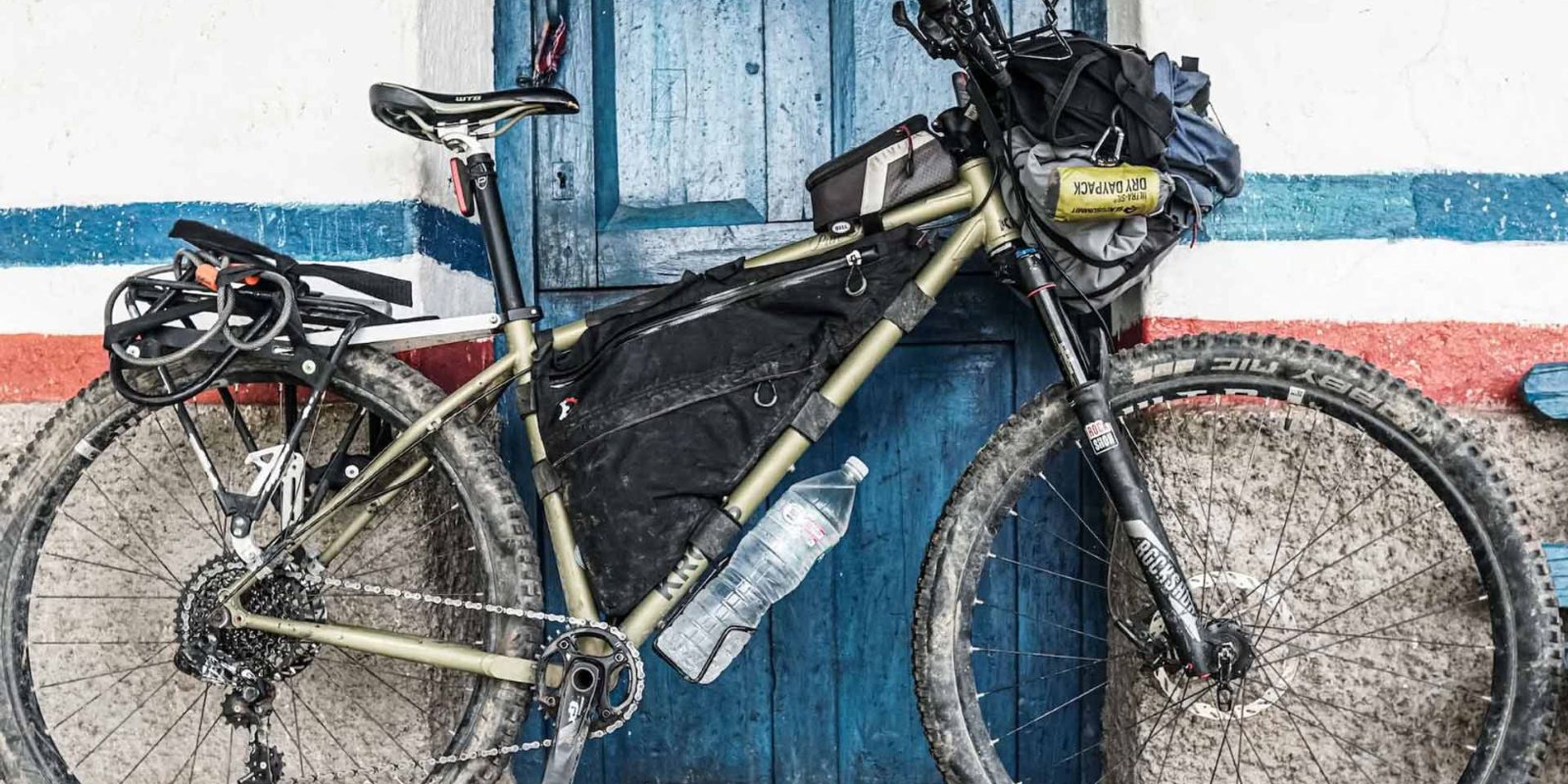
Credit: www.calltoadventure.uk
Ride With Smart Techniques
Flat tires can ruin your bikepacking trip. Using smart riding techniques helps avoid flats. Stay safe and enjoy your adventure with care.
Focus on riding skills and bike handling. This lowers the chance of punctures and tire damage. Learn ways to protect your tires on the trail.
Avoid Sharp Objects And Rough Surfaces
Sharp rocks, glass, and thorns cause many flat tires. Watch your path and avoid these hazards whenever possible. Riding on rough surfaces can also stress tires.
- Scan the trail ahead for sharp debris
- Choose smoother lines on rocky trails
- Ride around glass or metal pieces
- Avoid deep ruts and potholes
- Use wider tires for rough terrain
Distribute Weight Evenly On The Bike
Uneven weight can cause tire damage and affect balance. Keep your load balanced between front and rear racks. This helps tires last longer and improves control.
| Load Position | Effect on Tires | Tip |
| Heavy Rear Load | More rear tire flats | Shift some weight forward |
| Uneven Side Load | Sidewall damage risk | Pack evenly on both sides |
| Low Center of Gravity | Better stability | Place heavy items low |
Stay Alert To Changing Trail Conditions
Trail conditions change fast. Wet, muddy, or sandy paths can hide sharp objects. Being alert helps you avoid hazards and pick safer lines.
Tips for staying alert:
- Look ahead and scan the trail
- Slow down on new or tricky sections
- Listen for sounds of loose rocks or debris
- Adjust tire pressure for different surfaces
Frequently Asked Questions
How Can I Prevent Flat Tires On Bikepacking Trips?
Use puncture-resistant tires and tire liners. Regularly inspect tires for sharp objects. Maintain proper tire pressure to reduce flats.
What Gear Should I Carry To Fix Flat Tires?
Carry a spare tube, tire levers, a mini pump, and a patch kit. These tools help fix flats quickly and efficiently.
How Often Should I Check Tire Pressure On Bikepacking Rides?
Check tire pressure before each ride and during long trips every few hours. Proper pressure prevents flats and improves ride comfort.
Are Tubeless Tires Better For Avoiding Flats?
Yes, tubeless tires reduce flat risks by sealing small punctures automatically. They also provide better traction and ride quality.
Conclusion
Embarking on a bikepacking adventure? Protect your tires from flats. Start by checking tire pressure before every ride. Avoid sharp objects and rough paths. Always carry a repair kit and spare tubes. This ensures quick fixes on the road. Regularly inspect your tires for wear and tear.
Replace worn tires promptly. Lightweight tires might seem appealing, but sturdier ones last longer. Plan your routes to minimize debris encounters. With these tips, enjoy a smooth ride. Stay prepared, stay safe. Happy bikepacking!



