
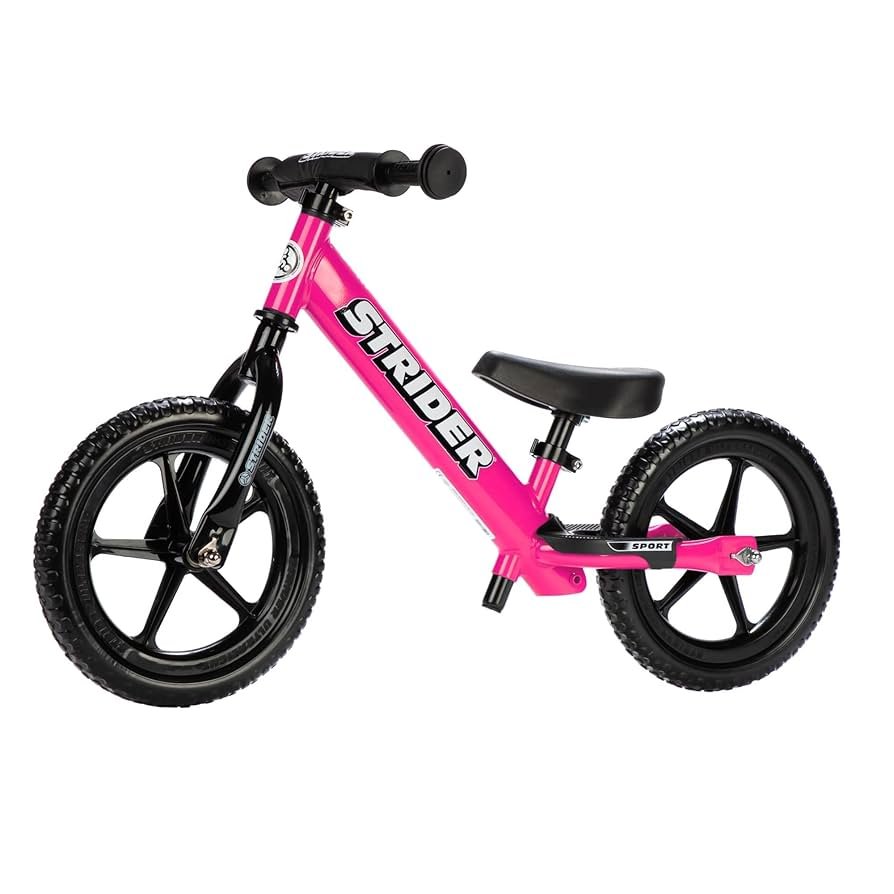
Buying a bike for your child should be exciting, not stressful. But with so many fake products out there, it’s easy to end up with a low-quality bike that won’t last or, worse, could be unsafe.
You want the best for your child, and that means knowing exactly how to spot genuine bikes from the fakes. In this guide, you’ll discover simple, practical tips that protect your money and your child’s safety. Keep reading to make sure your next kids’ bike purchase is smart, safe, and truly worth it.
Spotting Fake Kids’ Bikes
Buying a bike for kids is exciting. You want a safe and real product. Fake bikes can look like the real thing. They may be unsafe or break fast.
Learn how to spot fake kids’ bikes. This helps you avoid bad purchases. Check for signs before you buy.
Common Signs Of Counterfeit Bikes
Fake bikes often have small mistakes. Look carefully at the details. These signs can help you tell if a bike is fake.
- Price is much lower than usual
- Packaging looks cheap or damaged
- Missing user manuals or warranty cards
- Parts feel loose or poorly fixed
- Seller has no official store or website
Differences In Materials And Build Quality
Real kids’ bikes use strong materials. Fake bikes may use plastic or thin metals. Check the weight and feel of the bike. Real bikes feel solid and steady.
| Feature | Real Bike | Fake Bike |
| Frame Material | Sturdy steel or aluminum | Light, cheap metal or plastic |
| Paint Quality | Even and smooth | Uneven, chipped or faded |
| Welding and Joints | Clean and strong | Rough and weak |
| Weight | Heavy and balanced | Light and shaky |
Checking Brand Logos And Labels
Brand logos help confirm a bike’s authenticity. Fake bikes often have wrong or blurry logos. Labels may miss details like serial numbers or contact info.
- Compare the logo with the official brand website
- Check spelling and font style carefully
- Look for a serial number on the frame
- Verify the label’s quality and printing
- Ask the seller for proof of authenticity if unsure

Credit: www.amazon.ca
Trusted Places To Buy Kids’ Bikes
Buying a bike for kids can be exciting and fun. It is important to get real products that last long and are safe to use.
Fake bikes may look cheap but can cause problems. Choosing trusted places helps avoid fake products and ensures quality.
Authorized Retailers And Dealers
Authorized retailers sell bikes directly from the brand. They follow strict rules to offer original products.
Dealers often have certificates to prove they sell genuine bikes. They can also provide warranty and support services.
- Check for official brand logos in the store
- Ask for proof of authorization if unsure
- Look for warranty and return policies
Reputable Online Stores
Online stores with good reviews usually sell real kids’ bikes. They work with trusted brands and verified suppliers.
These websites offer clear product details and customer support. They help you make the right choice without stepping outside.
- Read customer reviews before buying
- Check return and refund policies
- Verify seller ratings and history
Local Bike Shops With Verified Stock
Local bike shops are good for checking bikes in person. Shops with verified stock ensure products are not fake or damaged.
Staff in these shops know about kids’ bikes and can help you find the right size and style.
- Visit shops with good local reputation
- Ask about the bike brand and model origin
- Look for certifications displayed in the shop
Verifying Authenticity Before Purchase
Buying a kids’ bike is exciting, but fake products can cause problems. Checking if the bike is real keeps your child safe.
Always verify the bike’s authenticity before you buy. This helps avoid poor quality and unsafe rides.
Requesting Warranty And Documentation
Ask the seller for warranty papers and original documents. Genuine bikes come with proper proof of purchase.
Check if the warranty covers parts and repairs. Fake sellers often avoid giving official documents.
- Request the warranty card or certificate
- Look for the original purchase receipt
- Check for user manuals and safety instructions
- Verify if the warranty period matches brand standards
Inspecting Serial Numbers
Serial numbers help confirm the bike’s maker and model. Check these numbers carefully on the bike frame.
Use the brand’s website to verify the serial number. Fake bikes may have missing or altered numbers.
- Find the serial number on the bike frame
- Compare it with the number on the warranty card
- Visit the brand’s official site to check authenticity
- Reject bikes with scratched or missing serial numbers
Testing The Bike’s Safety Features
Check brakes, tires, and frame for quality. Real bikes have tested safety features that protect kids.
Test the bike in person to see how it feels. Fake bikes may have weak parts or unsafe designs.
- Test both front and rear brakes
- Check tire quality and air pressure
- Inspect the frame for cracks or weak spots
- Look for proper handle grips and seat support
Price As An Indicator
Price often tells a lot about the product you want to buy. This is true for kids’ bikes too. Knowing how to read price signals helps you avoid fake products.
Fake bikes may look good but often cost much less than real ones. Understanding price differences protects your child’s safety and your money.
Comparing Market Prices
Check prices from different sellers before buying. Real brands usually keep prices in a similar range. If you see a bike priced very low, be careful.
| Seller | Bike Model | Price |
| Store A | Kids Bike X | $120 |
| Store B | Kids Bike X | $115 |
| Store C | Kids Bike X | $60 |
Beware Of Deals That Are Too Good
Very low prices may seem like a great deal. These deals often hide poor quality or fake products. Think twice before buying from unknown sellers.
- Check if the seller has good reviews
- Look for product warranty or guarantee
- Compare price with official brand prices
- Avoid very cheap offers without clear details
Understanding The Cost Of Quality
Good kids’ bikes use quality parts and safe materials. These costs add up and reflect in the price. Cheap bikes often cut corners on safety.
| Feature | Quality Bike | Fake Bike |
|---|---|---|
| Frame Material | Strong aluminum or steel | Cheap metal or plastic |
| Brakes | Reliable and tested | Low-quality or missing |
| Weight | Light but sturdy | Heavy or fragile |
| Safety Certification | Meets safety standards | No certification |
Expert Advice On Safe Buying
Buying a bike for kids can be fun but tricky. Fake bikes look real but can be unsafe. It is important to buy safe and good quality bikes.
Follow expert advice to avoid fake products. Learn how to check bikes carefully before buying.
Consulting Bike Experts And Reviews
Bike experts know how to spot fake bikes. They check parts, brands, and quality closely. Reading reviews from experts helps you learn what to look for.
Experts often share tips on safe places to buy and how to check serial numbers. Use this advice to avoid fake bikes.
- Check expert blogs and videos about kids’ bikes
- Look for reviews on trusted bike websites
- Ask experts about common fake bike signs
Asking For Recommendations
Friends and family can help you find safe kids’ bikes. They often share good buying experiences. Ask them where they bought bikes and what brands they trust.
Store staff and bike clubs also give useful recommendations. They know which sellers offer real products and good service.
- Talk to parents who recently bought kids’ bikes
- Visit local bike stores for advice
- Join bike groups to ask for tips
Learning From Customer Feedback
Customer feedback shows real experiences with bikes and sellers. Read what buyers say about bike quality and seller honesty. This helps find safe products and avoid fakes.
Check reviews on online shops and forums. Pay attention to common problems and how sellers respond to complaints.
- Look for detailed reviews about bike parts and safety
- Note if many buyers mention fake or poor quality
- Check if sellers offer good returns and support

Credit: www.amazon.ca

Credit: www.amazon.ca
Frequently Asked Questions
How Can I Spot Fake Kids’ Bikes Online?
Check for brand authenticity, seller reviews, and product details. Avoid deals that seem too good. Verify serial numbers and official logos to ensure genuineness.
What Are Common Signs Of Counterfeit Kids’ Bikes?
Poor build quality, misspelled brand names, missing safety certifications, and inconsistent logos are red flags. Always compare with official product images.
Where Should I Buy Kids’ Bikes To Avoid Fakes?
Purchase from authorized dealers, brand stores, or reputable online platforms. These sources offer genuine products with warranties and customer support.
How Important Are Safety Certifications In Kids’ Bikes?
Safety certifications ensure the bike meets required safety standards. Always check for certifications like CPSC or EN to guarantee your child’s safety.
Conclusion
Protecting your kids is vital when buying bikes. Always check the seller’s reputation. Inspect the bike thoroughly. Verify safety certifications. Trust only reliable brands and stores. Avoid deals that seem too good. Research and compare prices. Stay informed about common scams.
Ask questions and seek advice from experienced buyers. Your vigilance ensures your child’s safety and enjoyment. Buying genuine products leads to peace of mind. Make informed decisions for your little one’s adventures. Happy and safe cycling!



