
Your bike is more than just a means of transportation; it’s your companion on adventures and a key part of your daily life. But nothing can ruin your biking experience faster than a rusty, unreliable lock.
You know the frustration of trying to secure your bike only to find your lock corroded and jammed. It’s not just inconvenient; it puts your bike at risk. Imagine the peace of mind you’ll feel knowing your lock is dependable, no matter the weather.
We’ll guide you through simple, effective strategies to prevent bike lock corrosion, ensuring your bike stays safe and secure. Keep reading to discover how you can protect your investment and ride without worry.

Credit: www.instagram.com
Choosing The Right Bike Lock
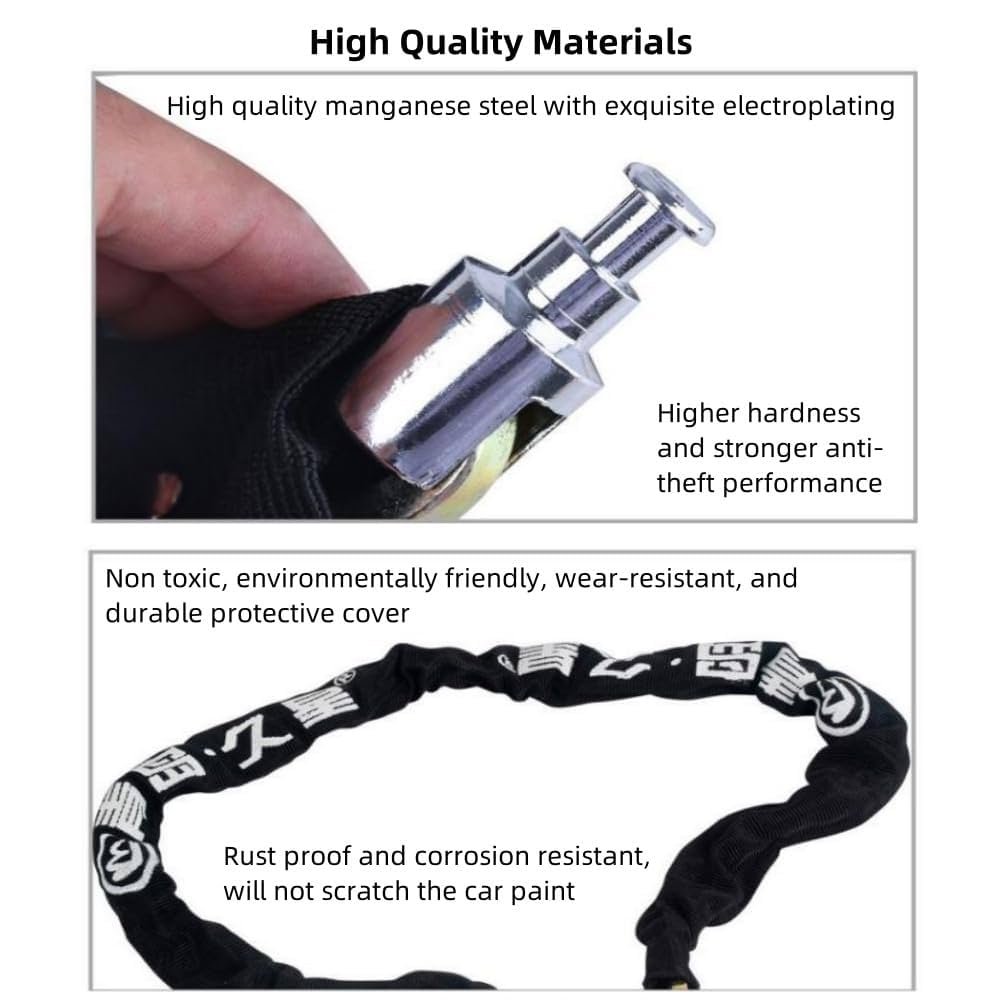
Choosing a bike lock with anti-corrosion properties is essential for long-lasting protection. Stainless steel or coated locks resist rust effectively. Regular cleaning and lubrication also help keep corrosion at bay.
Material Considerations
Steel locksare strong and durable. They resist cutting and breaking. Avoid locks made from cheap materials. They break easily. Stainless steelresists rust better. Plastic-covered locks protect against scratches. Choose locks with anti-corrosion coatings. These last longer.
Weather Resistance Features
Locks need to resist rain and snow. Look for waterprooflocks. They stay dry and strong. A lock with a dust coveris useful. It keeps dirt out. Protect your lock from harsh weather. Choose locks with UV protection. They don’t fade in the sun.
Proper Lock Maintenance
Protect your bike lock from corrosion by keeping it dry. Regularly clean it with a soft cloth. Apply a light layer of lubricant to prevent rust. Store your bike in a dry place. Avoid exposure to rain and moisture to maintain lock durability.
Regular Cleaning Routine
Bike locks need regular cleaning. Use a soft cloth to wipe off dust. Clean stubborn dirt with mild soap and water. Dry the lock thoroughly to prevent moisture build-up. Moisture can lead to rust. Check for any signs of wear or damage. Make sure every part is working well.
Lubrication Techniques
Lubrication keeps the lock smooth. Use a good-quality lubricant. Apply it to the moving parts. Avoid putting too much lubricant. Excess can attract dirt. Wipe off any extra lubricant with a clean cloth. Keep the lock working smoothly for a long time.
Storage Solutions
Protect bike locks from corrosion with regular cleaning and lubrication. Store them in dry places to prevent rust. Use covers or bags to shield locks from moisture.
Indoor Vs Outdoor Storage
Indoor storage keeps bike locks dry and safe. Moisture causes corrosion. Outdoor storage exposes locks to rain and snow. Choose a dry spot indoors. Basements or garages are great options. Outdoor storage needs extra protection. Use waterproof covers or shelters.
Protective Covers And Shelters
Covers shield bike locks from harsh weather. Shelters provide extra protection. Invest in high-quality covers. Make sure they fit well. Shelters keep locks dry and clean. Some are portable and easy to use. Store locks under covers when not in use.

Credit: www.amazon.com
Environmental Factors
Keep your bike lock dry and clean to prevent corrosion. Regularly apply a thin layer of lubricant to protect against rust. Store the lock indoors during harsh weather to maintain its longevity.
Humidity And Temperature Effects
Humiditycan make bike locks rust. Water in the air gets into metal. It causes rust over time. High temperaturescan speed up this process. Metal gets hot and changes shape. This makes it easier for rust to form. Keep your bike lock in a dry place. Try to avoid storing it outside. Use a cover if needed. This will help keep the lock safe.
Impact Of Salt And Debris
Saltfrom roads can harm your bike lock. It sticks to the metal and causes rust. Debrislike dirt and leaves can also cause issues. They get stuck in the lock. This makes it hard to use. Clean your lock often. Use a cloth to wipe away salt and dirt. This will help it last longer.
Signs Of Corrosion
Early Warning Signsof corrosion on bike locks include small rust spots. Check for a rough surface and fading color. A lock may feel less smooth when used. These are clues your lock might be starting to corrode. It’s important to notice these signs early.
When to Replace Your Lockis crucial for safety. If your lock is hard to open or close, it might be time. Rust can weaken the lock’s strength. A lock should feel solid and strong. If it feels weak, consider a replacement. A broken lock can lead to bike theft. Always ensure your lock is in good condition.
Preventive Products
Anti-corrosion sprays can help protect your bike lock. These sprays form a protective layer. This layer keeps moisture and rust away. Use them regularly for best results. Make sure to cover all parts of the lock. Don’t forget the small areas and joints. A little spray goes a long way.
Rust-resistant coatings are like a shield for your lock. They stop rust from forming. These coatings are easy to apply. Just brush or spray them on. Make sure your lock is clean before applying. Check the coating from time to time. Reapply if you see any wear or damage.
Expert Advice
Prevent bike lock corrosion by keeping it clean and dry. Use protective sprays or lubricants to shield against rust. Regularly check for signs of wear and tear to maintain longevity.
Professional Maintenance Services
Bike locks can get rusty over time. A professional maintenance servicecan help keep your lock in good shape. They have the right tools for cleaning and oiling. This keeps the lock parts moving smoothly. Regular check-ups by experts prevent rust buildup. Also, they can spot any damage early. This saves you from buying a new lock later. It’s a smart move to use professional services.
Consulting A Bike Technician
Bike technicians know a lot about locks. They give valuable tipson keeping your lock rust-free. A technician can show you the best cleaning methods. They might suggest special oils or sprays to use. Technicians can also check if your lock is working well. They make sure it stays in top condition. Visiting a technician helps your lock last longer.

Credit: www.reliance-foundry.com
Frequently Asked Questions
How To Prevent Bike Lock From Rusting?
Apply a rust-resistant lubricant regularly to the bike lock. Store the lock indoors when not in use. Dry it thoroughly after exposure to rain or moisture. Use a protective cover for added protection. Regular maintenance helps prevent rusting effectively.
Is Wd-40 Good For Bike Locks?
WD-40 is not ideal for bike locks as it can attract dirt and grime. Use a graphite-based lubricant instead for better protection and smooth operation. Regular maintenance with the right lubricant ensures longevity and reliability of your bike lock.
How To Stop A Lock From Rusting?
Apply a rust-resistant lubricant to the lock regularly. Keep the lock dry and covered when not in use. Use a rust remover if rust appears. Consider using a stainless steel or brass lock for better resistance against rust. Regular maintenance helps prevent rust formation.
How To Protect A Bicycle From Corrosion?
Regularly clean and dry your bicycle to prevent moisture buildup. Apply rust-resistant spray or wax to metal parts. Store it in a dry, sheltered place. Ensure proper drainage in storage areas. Use protective covers during rainy seasons to shield from water exposure.
Conclusion
Protecting your bike lock from corrosion is simple and effective. Regular cleaning helps remove dirt and moisture. Dry the lock thoroughly after cleaning. Apply a protective spray to keep rust away. Store your bike indoors when possible. Outdoor storage increases the risk of corrosion.
Cover your lock during rainy days for extra protection. Inspect your lock often for early signs of rust. Early action can prevent serious damage. By following these steps, your bike lock stays strong and durable. A little care goes a long way in keeping your bike secure.



