
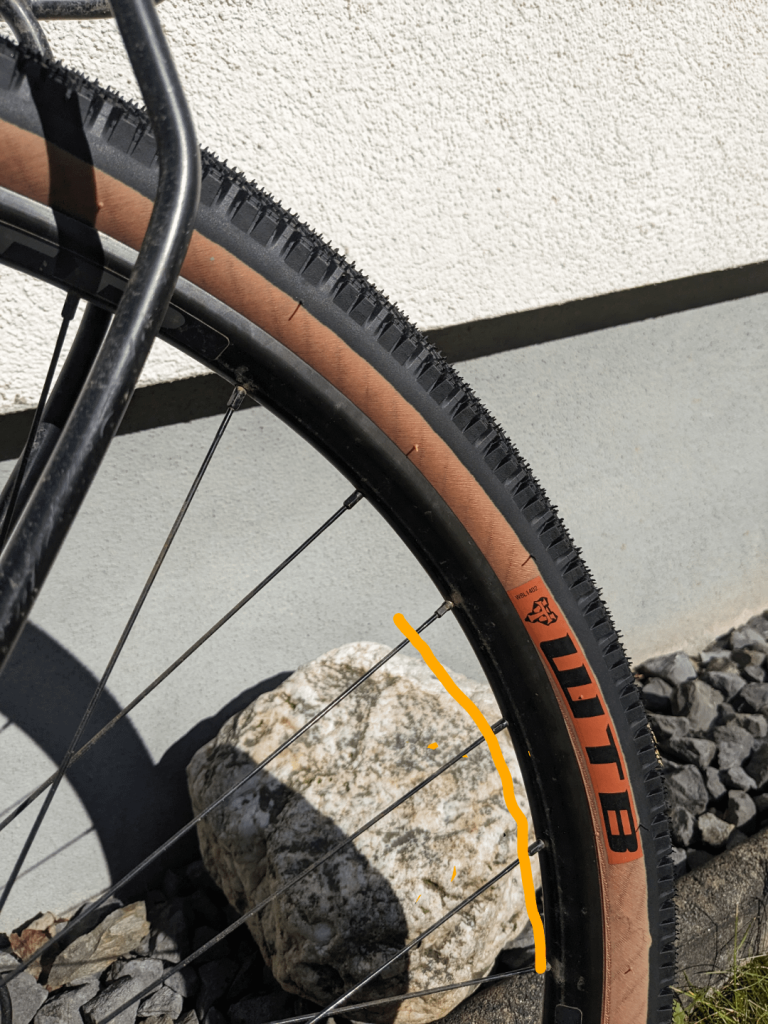
Imagine cruising down the road on your bike, the wind in your hair, feeling the thrill of speed. But suddenly, you notice a wobble, and your ride isn’t as smooth as it should be.
The culprit? A misaligned tire. If you’ve been there, you know how frustrating it can be. Aligning your bike tire on the rim is not just a matter of comfort; it’s crucial for safety and performance. You want every ride to be smooth and enjoyable, right?
Getting your tire aligned correctly can make all the difference. In this guide, you’ll learn how to align your bike tire on the rim with ease. Whether you’re a seasoned cyclist or just starting out, mastering this skill is essential. You’ll discover simple steps that can save you time and enhance your riding experience. Keep reading, because by the end of this article, you’ll be ready to hit the road with confidence.
Tools Needed
- Wrench:Adjust nuts and bolts easily.
- Screwdriver:Tighten screws on the rim.
- Tire Lever:Remove and replace tires safely.
- Air Pump:Inflate the tire to the right pressure.
- Ruler:Measure alignment accurately.
- Protective Gloves:Keep hands safe while working.
Each tool is crucial. They help in aligning the tire properly. Always wear gloves for protection. Use the wrench for nuts. The screwdriver is for screws. Tire levers assist in removing tires. An air pump keeps the tire firm. Measure alignment with a ruler. These tools make the job easier. They ensure safety and accuracy.
Credit: www.michelin.ca
Preparing The Bike
Ensure the bike is on a flat surface. This helps in proper alignment. Gather all necessary tools. A wrench and tire lever are essential. Check the tire pressure. Proper pressure helps in smooth alignment.
Remove the wheel from the bike. Loosen the nuts on the axle. Carefully slide the wheel out. Inspect the tire and rim for damage. A damaged rim can affect alignment.
Spin the wheel gently. Look for any wobble in the tire. A wobble indicates misalignment. Clean the rim and tire thoroughly. Dirt can hinder proper alignment.
Prepare to adjust the tire. Ensure the bead sits evenly around the rim. This prevents uneven alignment. Always double-check your work. A correctly aligned tire ensures a safe ride.
Removing The Tire
First, press the valve stem to release air. Make sure the tire is fully deflated. This makes it easier to remove from the rim. Use a small tool if needed for stubborn valves. Be gentle to avoid damaging the valve.
Use tire levers to loosen the tire from the rim. Insert the lever between the tire and rim. Gently pry the tire away from the rim. Work around the tire, moving the lever a few inches each time. Slowly, the tire will become loose enough to remove.
Inspecting The Rim
Inspecting the rim is crucial for proper tire alignment. Ensure the rim is clean and free from debris. Position the tire evenly around the rim, checking for consistent gaps and symmetry.
Checking For Damage
Examine the rim closely. Look for cracks or bends. These can affect tire alignment. Rims should be smooth and even. No bumps or dents. Use a flashlight for better view. Check the spoke holes. Ensure they are not damaged. If damage is found, repairs may be needed. Proper rim condition is important.
Cleaning The Rim
Start by removing dust and dirt. Use a soft cloth. Warm soapy water works well. Rinse the rim thoroughly. Dry with a clean towel. Avoid harsh chemicals. They can damage the rim. Clean rims help in better tire grip. Regular cleaning keeps rims in good shape. Ensure no residue remains.
Aligning The Tire
Hold the tire close to the rim. Make sure the valve aligns with the valve hole. Push one side of the tire onto the rim. Ensure it fits snugly. Check that the tire is straight. Avoid any twists or kinks. If there are twists, gently adjust the tire.
Push the second side of the tire onto the rim. Use your fingers and palms for a firm grip. Work around the tire evenly. Check that both sides are seated correctly. Look for any bulges or gaps. Adjust if necessary. Double-check the alignment. The tire should sit smoothly on the rim.
Credit: flatbike.com
Inflating The Tire
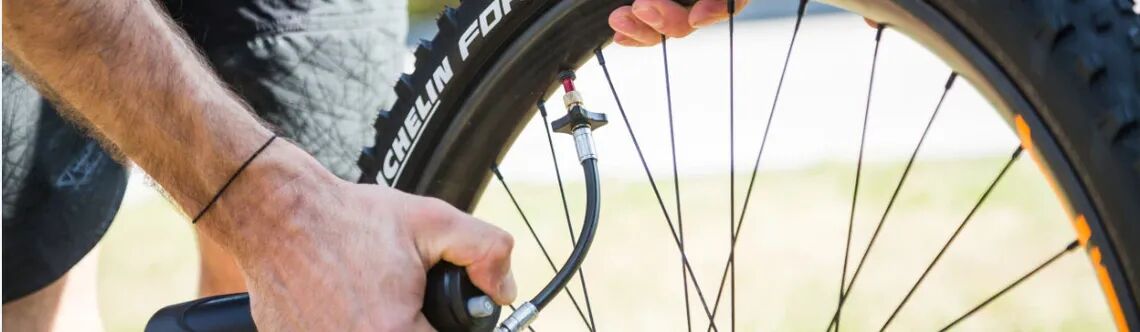
Begin by checking the tire’s valve. Make sure it is clean and clear. Attach the pump securely to the valve. Inflate the tire slowly to avoid overpressure. Watch the tire closely as it fills with air. Ensure it doesn’t bulge on one side. Correct any uneven bulging by deflating slightly. Repeat until the tire sits evenly on the rim. Proper inflation helps with smooth rides.
Check the tire for even pressure around the rim. Use a pressure gauge for accuracy. Compare the pressure on both sides of the tire. Adjust by letting air out or adding more. Balance is key for safe biking. Uneven pressure can lead to wobbly rides. Ensure uniform pressure for a stable bike.
Spin the tire gently to test alignment. Observe how it moves on the rim. Look for wobbling or uneven spinning. Adjust if necessary until it spins smoothly. Proper alignment prevents accidents. A well-aligned tire means safer rides.
Reattaching The Wheel
Place the wheel back in the bike frame. Ensure it sits properly in the slots. Align the axle with the fork dropouts. Tighten the nuts or quick-release lever. Make sure they are secure but not too tight. Spin the wheel to check if it’s straight. Adjust if it wobbles.
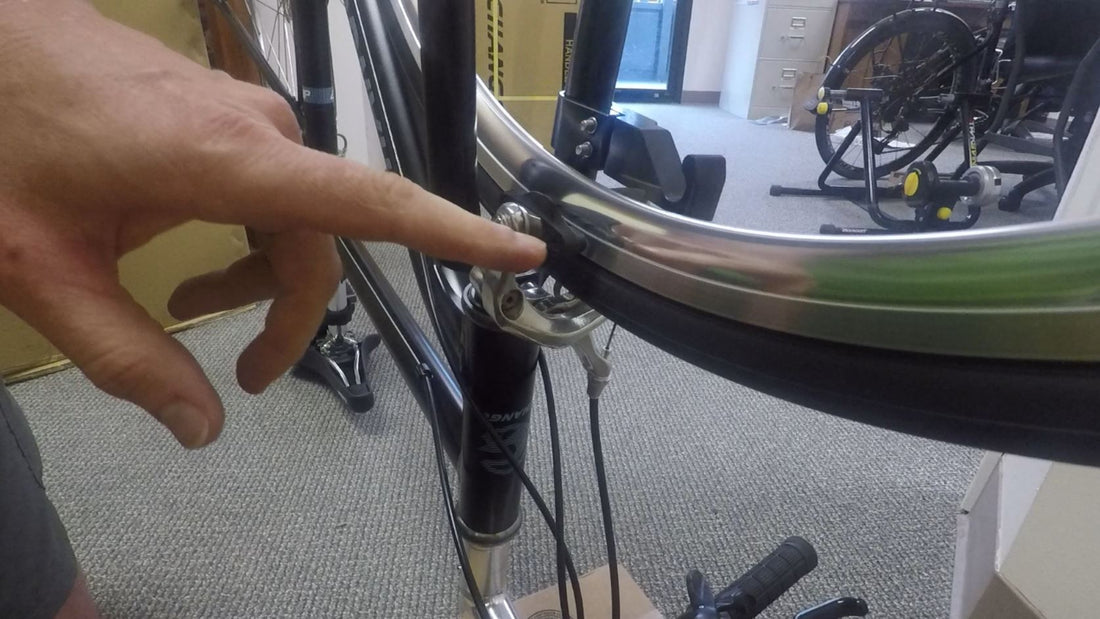
Check the brake alignment. Ensure the brake pads don’t rub the tire. If they do, adjust the brake position. Test the brakes by squeezing the levers. They should stop the wheel quickly. If not, tighten the brake cables. Ensure everything is tight and secure before riding.
Troubleshooting Tips
Many people make mistakes when aligning bike tires. One common mistake is using too much force. This can damage the tire or rim. Another mistake is not checking for debris. Small stones or dirt can cause issues. Incorrectly tightening the wheel nuts is also a problem. Nuts should be snug but not too tight. Always ensure the tire is centered. A crooked tire can cause wobbles. Avoid rushing the process. Take your time for the best results.
First, loosen the nuts on the bike’s wheel. Gently adjust the tire so it sits evenly on the rim. Spin the wheel to check for wobbles. If it wobbles, adjust again until smooth. Tighten the nuts carefully. Make sure they are not too tight. Check the tire pressure as well. It should be firm but not too hard. Always test ride the bike after adjustments. This ensures everything is aligned correctly.

Credit: www.levelninesports.com
Frequently Asked Questions
How To Align A Bicycle Rim?
To align a bicycle rim, use a truing stand. Spin the wheel and locate wobbles. Adjust spoke tension with a spoke wrench, tightening or loosening as needed. Check alignment frequently. Ensure even tension across spokes for a balanced rim. Test ride to confirm smooth operation.
How Do You Match A Bike Tire To A Rim?
Ensure the tire size matches the rim diameter and width. Check the tire’s sidewall for size details. Match these numbers with the rim specifications. Use compatible valve types for the rim. Verify the tire’s bead type suits the rim for a secure fit.
How To Seat A Tire On A Rim Bike?
To seat a tire on a bike rim, align the tire bead with the rim. Inflate slowly until seated. Check for even seating around the rim. Deflate slightly if needed, then reinflate to recommended pressure. Ensure the tire is secure and properly seated before riding.
Can A Bicycle Rim Be Straightened?
Yes, a bicycle rim can be straightened using specialized tools. Visit a bike shop for professional assistance. Adjusting tension on spokes might also help. Regular maintenance prevents further warping. Ensure proper techniques to avoid damaging the rim. Always prioritize safety when dealing with bicycle repairs.
Conclusion
Aligning a bike tire on the rim is simple with practice. Start by checking the tire’s position. Ensure it sits evenly on the rim. Use your hands to adjust any uneven spots. Spin the wheel to confirm alignment. Listen for rubbing sounds.
If you hear them, adjust again. Tighten the bolts securely after aligning. Test ride your bike to ensure smooth movement. Regular checks keep your bike in top shape. Proper alignment ensures safe and efficient rides. Happy cycling!



