
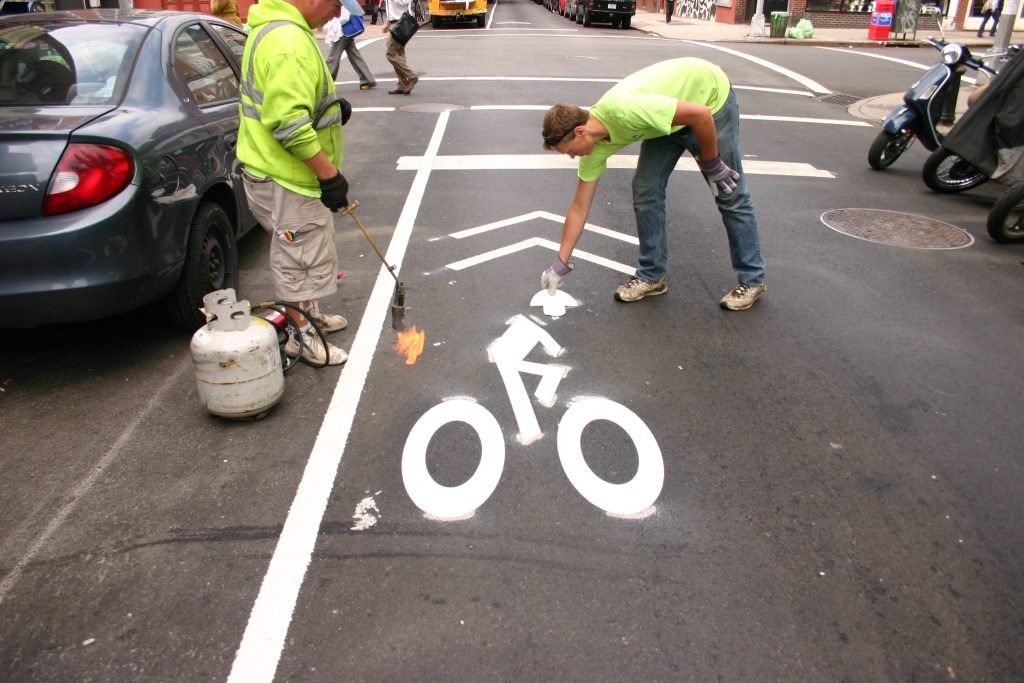
Are you tired of unsafe streets and crowded sidewalks? Imagine having safe, dedicated bike lanes that make your daily rides smoother and stress-free.
Advocating for bike lanes in your city isn’t just about cycling—it’s about making your community safer, healthier, and more connected. You’ll discover simple, effective steps to help you push for bike lanes where you live. Ready to make a real difference?
Keep reading to find out how you can turn your vision into reality.

Credit: www.halifaxexaminer.ca
Benefits Of Bike Lanes
Bike laneshelp people stay healthyby encouraging more cycling. Cycling is a good exercise that improves heart and lung health. It also lowers stress and boosts mood. Cleaner air results from fewer cars on the road. This means less pollution and better breathing for everyone.
Bike lanes reduce traffic congestion. They give cyclists a safe space, lowering accidents and crashes. Drivers and cyclists both benefit from clearer road rules and space. This safety makes cities friendlier and easier to move around in.
| Economic Advantages |
|---|
|
Building Community Support
Engaging local residents builds strong support for bike lanes. Host community meetings to listen to concerns and ideas. Share clear benefits like safer streetsand healthier lifestyles. Provide easy ways to get involved, such as signing petitions or attending events.
Partnering with advocacy groups brings experience and resources. These groups often have contacts with city officials and media. Working together can amplify your messageand show wider community backing. Join forces for campaigns, workshops, and outreach activities.
- Post regularly on social media to keep people informed.
- Use simple language and clear images to explain benefits.
- Share stories from local riders and families.
- Encourage followers to share posts and invite friends.
- Create events and polls to boost engagement.
Gathering Data And Evidence
Collecting traffic and safety statisticsshows how many people bike and where accidents happen. These numbers help prove the need for bike lanes. Tracking injury ratesand traffic flowprovides clear facts for city planners.
Sharing success storiesfrom other cities gives good examples. Cities with bike lanes often see fewer crashesand more people biking. Showing these results helps others understand the benefits.
Conducting surveysand gathering public feedback lets people share their views. Knowing what residents think helps create bike lanes that fit community needs. This also builds supportfor the project.

Credit: www.halifaxexaminer.ca
Working With City Officials
Collaborating with city officials helps in advocating for bike lanes effectively. Present data and community benefits to gain support. Engage in regular meetings to keep discussions active and constructive.
Navigating Local Government Structures
Understanding how your city government works is key. Many cities have departments like public works, transportation, and planning. Each plays a role in bike lane projects. Learning who is responsible helps direct your efforts. City councils often make final decisions, so building relationships there matters. Know the names of officials and their roles. This knowledge can open doors to better communication.
Presenting Clear Proposals
Make your ideas simple and easy to follow. Use maps or drawings to show where bike lanes should go. Explain benefits like safety and health clearly. Keep your language short and direct. Include facts and numbers if you can. Showing support from neighbors or groups adds strength. Be ready to answer questions with clear points.
Attending Public Meetings And Hearings
Public meetings let you speak directly to decision-makers. Check the schedule and attend often. Prepare a short speech focused on key points. Listen carefully to others’ views. Stay respectful and calm, even if people disagree. Bringing friends or community members shows strong support. Taking notes helps follow up later.
Campaign Strategies
Organizing events and rides brings people together to show support for bike lanes. Group rides create visibility and attract attention from city officials and the public. Events like bike festivals or safety workshops educate people on the benefits of biking. These gatherings build community spirit and encourage more cyclists.
Creating informative materials helps share key facts and benefits of bike lanes. Flyers, brochures, and posters can explain safety, health, and environmental benefits. Clear images and simple language make these materials easy to understand. Distributing them at events or public places spreads the message widely.
Leveraging media coverage gets more eyes on your campaign. Local newspapers, radio, and TV stations often look for community stories. Press releases and interviews can highlight your events and goals. Social media posts by local news also help reach larger audiences quickly.
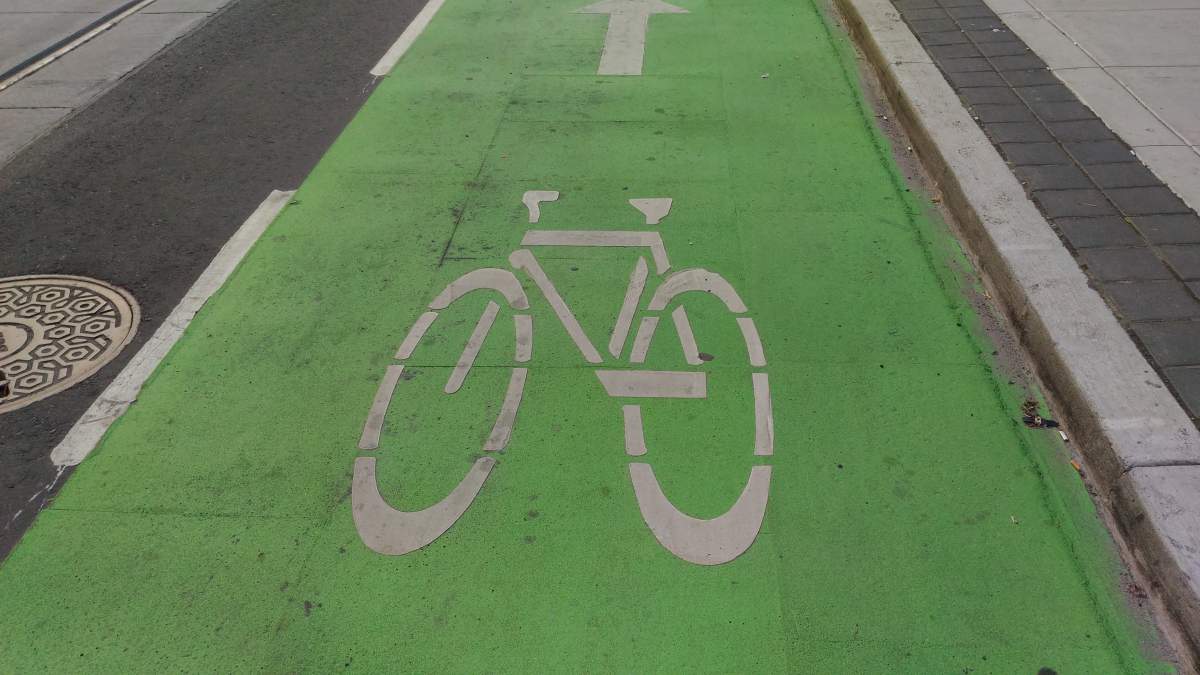
Credit: globalnews.ca
Overcoming Challenges
Advocating for bike lanes requires clear communication with city officials and community members. Building support through local events and petitions helps show the need for safer bike paths. Persistence and teamwork can overcome resistance and bring positive change to urban streets.
Addressing Opposition Concerns
Many people worry about bike lanes. They think they cause traffic. Educate them about the benefits. Share how bike lanes reduce traffic. Show how they make streets safer. Safe streets help everyone. Use real stories to explain. Stories can change minds.Managing Budget Constraints
Money is always a problem. Plan carefully to save costs. Look for grants and donations. Work with local businesses. They might help fund bike lanes. Explain how bike lanes benefit them too. More bikes mean more customers. This helps businesses grow.Ensuring Long-term Maintenance
Bike lanes need care. This keeps them safe and clean. Create a plan for upkeep. Work with city workers. Ask for volunteers to help. Community members can join. This makes them feel involved. Clean lanes keep bikers happy. Happy bikers use lanes more. `Frequently Asked Questions
What Are The First Steps To Advocate For Bike Lanes?
Start by researching local biking needs and city policies. Connect with community groups and gather supporter signatures. Present clear benefits to city officials using data and testimonials. Engaging the public through events and social media also builds momentum for bike lane projects.
How Can I Influence City Officials For Bike Lanes?
Attend city council meetings and speak during public comments. Provide evidence of bike lane benefits like safety and reduced traffic. Collaborate with local advocacy groups to strengthen your voice. Consistent, respectful communication helps officials prioritize bike lane development.
What Are Effective Ways To Raise Public Support?
Host bike rides, workshops, and information sessions to educate residents. Use social media campaigns to share success stories and facts. Partner with schools and businesses to widen outreach. Visible community support pressures local governments to act on bike lane requests.
How Do Bike Lanes Improve City Safety?
Bike lanes reduce vehicle-bicycle collisions by providing dedicated space. They encourage safer driving and cycling behaviors. Well-designed lanes lower pedestrian accidents near roads. Overall, bike lanes create a safer, more organized traffic environment for everyone.
Conclusion
Advocating for bike lanes helps make cities safer and greener. Speak up at local meetings and share your ideas. Gather friends and neighbors to show support together. Use clear facts to explain why bike lanes matter. Stay patient and keep pushing for change.
Small steps lead to bigger improvements over time. Everyone benefits from safer streets and cleaner air. Keep your community moving toward a healthier future. Your voice truly makes a difference.



