
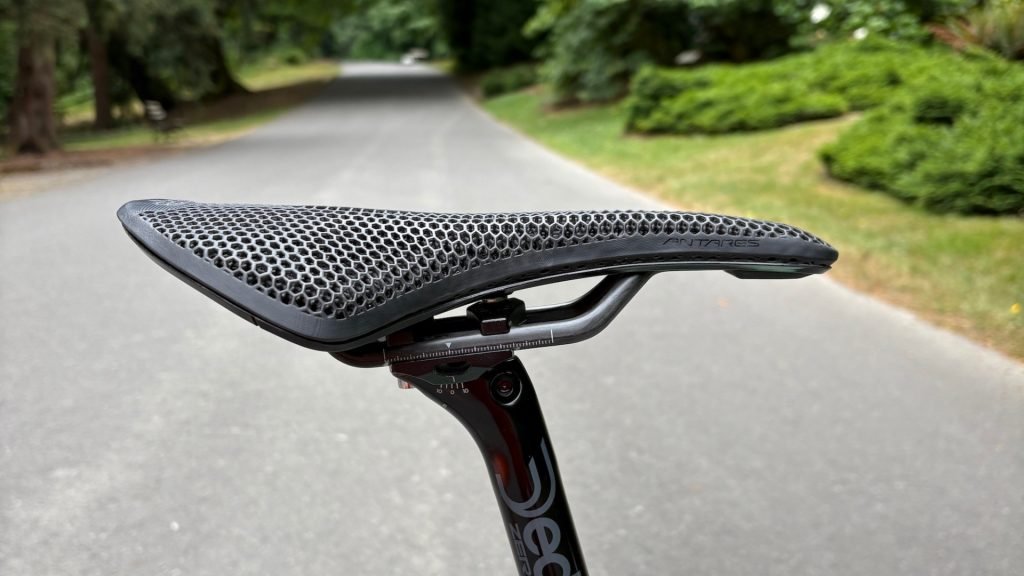
If you’re planning long bike tours, your saddle can make or break your ride. An uncomfortable seat can cause pain, distraction, and even cut your journey short.
But here’s the good news: with the right adjustments, your saddle can become your best friend on the road. You’ll discover simple, effective ways to adjust your saddle so you stay comfortable for hours. Keep reading, and you’ll learn how to enjoy every mile without the usual aches and discomfort.
Your perfect ride starts with the right saddle fit.
Choosing The Right Saddle
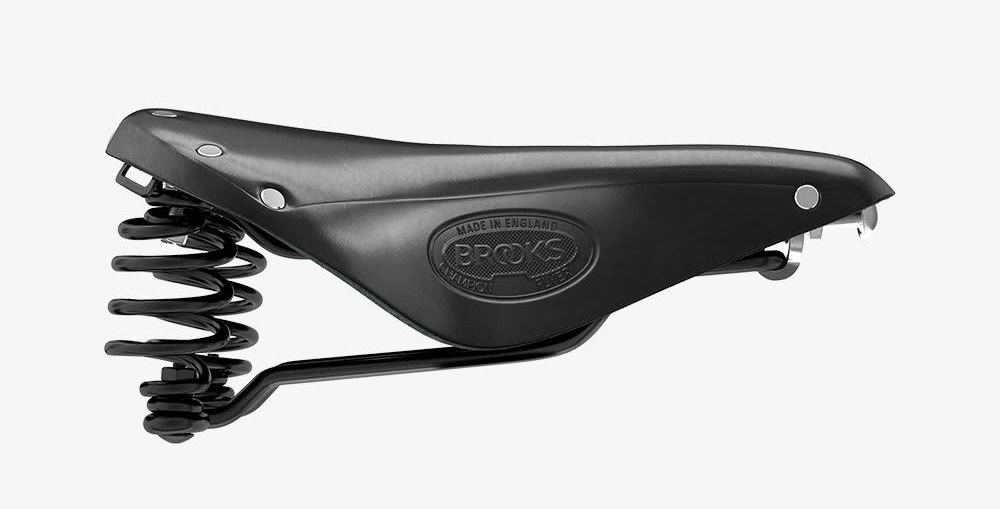
Choosing the right saddleis key for long rides. The materialsaffect comfort and durability. Leather offers a soft feel but needs care. Synthetic materials are lighter and dry fast. The designshould support your sit bones well. Look for saddles with good padding but not too soft. Too soft can cause pain over time.
The sizing and shapematter a lot. Saddles come in narrow and wide shapes. Pick one that fits your body and riding style. A saddle too wide or narrow causes discomfort. Try to measure your sit bone width before buying.
Weight matters too. Heavy saddles are strong but add load. Lightweight saddles reduce bike weight but may be less padded. Find a good balance between weightand comfort.
Tools Needed For Adjustment
Basic tools make saddle adjustment easier and faster. A multi-toolwith Allen keys is essential. It helps in loosening and tightening bolts. A wrenchor spannerfits some saddle clamps. A torque wrenchensures bolts are tightened to the right force. Carry a ruleror tape measureto check saddle height and position accurately.
Specialized equipment helps with precise adjustments. A saddle angle findershows exact tilt angle. A bike fitting toolmeasures body position for comfort. These tools improve long-term comfort on tours. They offer better control over saddle setup.
Setting Saddle Height
Proper saddle heighthelps avoid pain and improves cycling comfort. Start by sitting on the bike with your heel on the pedal. The leg should be fully extended at the bottom of the pedal stroke. This shows the right height for your saddle.
Adjust the saddle height so your leg has a slight bend when the ball of your foot is on the pedal. This helps with better leg extensionand reduces knee strain.
- Saddle too low causes knee pain and limits power.
- Saddle too high makes hips rock side to side.
- Check height by pedaling slowly and feeling for comfort.
Adjusting Saddle Tilt
Finding the neutral tiltmeans setting the saddle so it is level. Use a small level tool or a smartphone app to check. A saddle that tilts too far forward puts pressure on sensitive areas. Too much tilt backward causes sliding and discomfort.
The tilt affects comfortgreatly. A level saddle helps distribute weight evenly. This reduces pain in the sit bones and soft tissues. Adjusting tilt can also affect your bike handling and pedaling efficiency.
- Start with the saddle flat and test ride for 10 minutes.
- Make small tilt changes, about 1 degree at a time.
- Notice if pressure points increase or decrease.
- Adjust to reduce numbness or pain in soft areas.
- Check your position often during long rides.
Saddle Fore-aft Position
Balancing weight distributionon the saddle helps avoid pain and numbness. Move the saddle forward or backward until the weight feels even between the hands, feet, and sit bones. This balance reduces pressure on sensitive areas during long rides.
Adjusting for pedal strokemeans setting the saddle so your leg extends comfortably at the bottom of the pedal path. Too far forward or back can cause knee pain or reduce pedaling power. Check your knee position over the pedal axle for best comfort.
Testing different positionstakes time. Try small changes, then ride for 10-15 minutes. Notice how your body feels, especially hips, knees, and lower back. Keep adjusting until you find a position that feels natural and pain-free.

Credit: www.youtube.com
Handlebar And Saddle Coordination
Adjusting the saddle to match handlebar height reduces strain on your back and arms. Proper alignment improves comfort and bike control during long rides. Small changes can make a big difference in how your body feels over time.
Aligning For Posture
The saddle and handlebars should be at the right height. This helps keep your posture straight. Your back should not bend too much. A straight back helps avoid pain.Avoiding Overreach
Your hands should reach the handlebars easily. There should be no need to stretch. This prevents strain on your arms and shoulders. You should feel comfortable while riding.Impact On Back And Neck
A poorly adjusted saddle can hurt your back. It can also strain your neck. It’s important to find the right position. This can make long rides more enjoyable. `Padding And Accessories
Proper padding and accessories can greatly improve saddle comfort for long tours. Adjusting the saddle height and angle reduces pressure and prevents pain. Using gel pads or cushioned covers adds extra support for a smoother ride.
Choosing Seat Covers
Seat covers help in adding extra comfort. Pick covers with soft padding. They reduce pressure on the body. Choose materials that breathe well. This keeps you cool during long rides. Always check for a snug fit. Loose covers might cause discomfort.Using Gel Pads
Gel pads offer great cushioning. They absorb shocks from bumpy roads. Place them on your saddle for a softer feel. Gel pads are easy to adjust. They provide comfort for long touring rides. Remember to clean them regularly.Proper Cycling Shorts
Cycling shorts have special padding. They reduce chafing and increase comfort. Look for shorts with moisture-wicking fabric. This keeps sweat away from your skin. A good fit is crucial. Too tight or loose shorts can cause problems. `
Credit: www.youtube.com
Breaking In Your Saddle
Start riding slowly to let your body get used to the saddle. Short rides help your skin and muscles adjust. Increase ride time little by little. This stops pain and soreness from building up.
Watch your body closely. Some discomfort is normal but sharp pain is not. If pain lasts after riding, check your saddle position and padding.
| Signs to Watch | Action |
|---|---|
| Persistent pain or numbness | Adjust saddle angle or height |
| Skin sores or chafing | Use padded shorts and chamois cream |
| Saddle feels hard or uncomfortable | Consider replacing with a better fit |
Maintaining Saddle Comfort On The Road
Regularly check your saddle for signs of wear. Cracks, tears, or flattening can cause discomfort. Replace worn parts quickly to stay comfortable. Adjust saddle height and angle often to suit your body and riding style. Small changes can make a big difference on long rides.
Different terrains need different setups. For rough paths, a slightly lower saddle can help absorb bumps. On smooth roads, a higher saddle improves pedaling efficiency. Use a suspension seat post or padded cover for extra comfort on uneven trails. Testing changes on short rides helps find the best fit.
| Adjustment | Purpose | Tips |
|---|---|---|
| Height | Proper leg extension | Adjust so knee slightly bends at bottom pedal |
| Angle | Reduce pressure points | Start level, then tilt slightly up or down |
| Position | Balance weight on saddle | Slide forward or backward for comfort |
Credit: cycletraveloverload.com
Frequently Asked Questions
How Do I Find The Right Saddle Height For Touring?
Adjust saddle height so your leg nearly straightens at the pedal’s lowest point. This prevents knee strain and improves comfort on long rides.
What Is The Best Saddle Tilt For Long-distance Comfort?
Keep your saddle level or slightly nose-down. This reduces pressure on sensitive areas and promotes a natural riding posture.
How To Adjust Saddle Fore-aft Position Correctly?
Slide the saddle forward or backward until your knee aligns above the pedal axle. This balance enhances pedaling efficiency and comfort.
Why Is Saddle Padding Important For Long Tours?
Sufficient padding cushions your sit bones and reduces pressure. Too much padding can cause discomfort, so choose medium firmness for best support.
Conclusion
Adjusting your saddle properly makes long tours much more comfortable. Small changes can reduce pain and improve your ride. Check your saddle angle, height, and position often. Listen to your body during rides and adjust as needed. Comfort helps you enjoy every mile without distraction.
Keep experimenting until you find what feels best. Your bike should support you, not cause discomfort. A good saddle setup keeps you riding longer and happier.



