
If you’re planning a long-distance bikepacking trip, one thing can make or break your ride: your saddle comfort. Sitting on the wrong saddle position can cause pain, numbness, and even injury, turning your adventure into a struggle.
But the good news is, adjusting your saddle the right way can keep you comfortable for miles and miles. You’ll discover simple, effective steps to tune your saddle perfectly for long rides. Keep reading, because your comfort on the bike depends on it.

Credit: www.reddit.com
Choosing The Right Saddle
Picking the right saddle is key for comfort on long bike trips. It helps you avoid pain and sores.
A good saddle fits your body and riding style. This guide covers what to look for in a saddle.
Materials And Padding
Saddle materials affect comfort and durability. Padding cushions your sit bones on rough roads.
Gel padding feels soft but may compress over time. Foam padding is firmer and lasts longer.
- Leather saddles mold to your shape but need care
- Synthetic covers dry quickly and resist weather
- Memory foam offers good support for long rides
Saddle Shape And Width
The saddle shape should match your riding posture. Wide saddles suit upright riding, narrow suits forward posture.
Width matters most for sit bone support. Too narrow causes pressure, too wide can chafe your thighs.
- Measure your sit bone width to find the right saddle size
- Cut-out saddles reduce pressure in sensitive areas
- Flat saddles allow more movement on the bike
Weight Considerations
Lighter saddles save bike weight but may have less padding. Heavier ones often offer more comfort.
Long-distance riders balance saddle weight with comfort. Choose a saddle that feels good for hours.
- Carbon saddles are light but expensive
- Steel rails add weight but are durable
- Aluminum rails balance weight and strength
Setting Saddle Height
Setting the right saddle height is key for comfort during long bikepacking trips. The correct height helps prevent knee pain and improves pedaling efficiency.
Adjust your saddle height carefully to match your leg length. Small changes can make a big difference in how you feel on the bike.
Finding Optimal Leg Extension
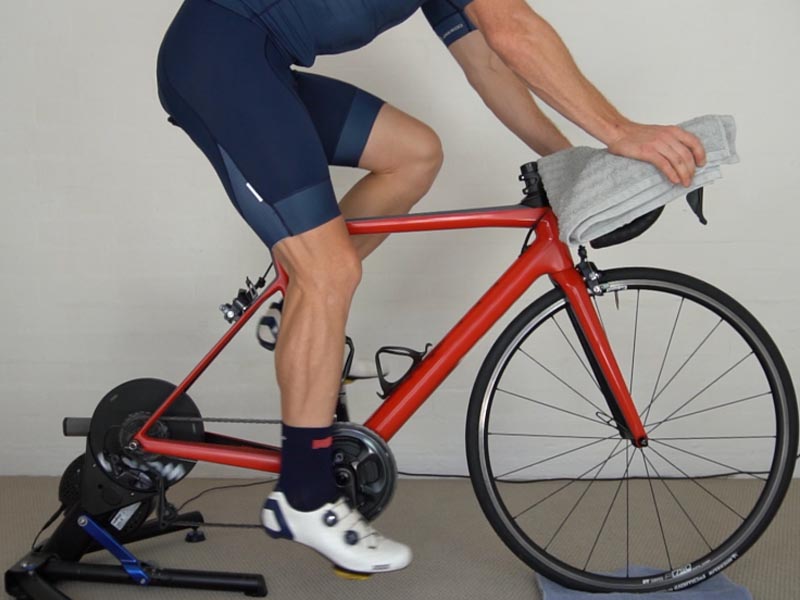
Optimal leg extension means your leg is almost fully extended at the bottom of the pedal stroke. Your knee should have a slight bend, about 25 to 35 degrees.
- Sit on the bike and place your heel on the pedal.
- Pedal backwards to the lowest point.
- Your leg should be straight with the heel on the pedal.
- If your leg bends, raise the saddle.
- If your leg locks out, lower the saddle slightly.
Common Height Mistakes
Many riders set the saddle too low or too high. Both can cause discomfort and injuries during long rides.
| Height Error | Effect on Rider |
| Saddle too low | Knee pain, less power, faster fatigue |
| Saddle too high | Hip rocking, lower back pain, loss of control |
| Uneven height side to side | Hip pain, uneven pedaling, muscle imbalance |
Tools For Accurate Measurement
Use tools to get precise saddle height. This helps avoid guesswork and saves time.
- Inseam ruler or tape measure to find leg length.
- Bike fitting app or software for better accuracy.
- Angle finder or smartphone app to check knee bend angle.
- Level tool to ensure saddle is horizontal.
Adjusting Saddle Tilt
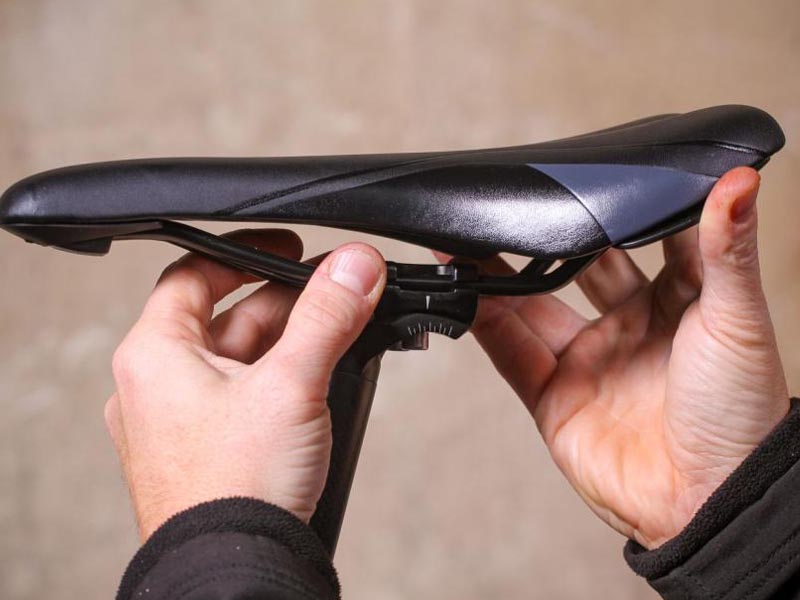
Adjusting the tilt of your bike saddle can improve comfort on long rides. A proper tilt helps reduce pain and pressure.
Small changes to the saddle angle can make a big difference in how your body feels during bikepacking trips.
Benefits Of Level Saddle
A level saddle keeps your hips stable and balanced. This helps your muscles work evenly and reduces fatigue.
It also prevents sliding forward or backward, which can cause chafing or numbness over time.
- Improves pedaling efficiency
- Reduces pressure on soft tissues
- Helps maintain proper riding posture
- Limits unwanted movement on the saddle
When To Tilt Forward Or Backward
Tilt your saddle slightly forward if you feel pressure on the front of your sit bones. This helps open your hips.
Tilt it backward if you slide too far forward or feel pressure on your soft tissues. This angle supports your sit bones better.
- Forward tilt: relieves pressure on soft tissue
- Backward tilt: supports sit bones more
- Small changes (1-3 degrees) are best
- Check fit after each adjustment
Impact On Pressure Points
The saddle tilt changes where your weight presses on the saddle. This affects comfort and blood flow.
Too much tilt can cause numbness or soreness in the perineum or sit bones. Adjust tilt to spread pressure evenly.
- Level saddle spreads pressure evenly
- Forward tilt shifts weight to soft tissue
- Backward tilt puts more weight on sit bones
- Find the angle that reduces pain and numbness
Credit: blog.rodalink.com
Positioning Saddle Fore-aft
Adjusting the saddle fore-aft position is key for comfort on long rides. It changes how you reach the handlebars and how your legs move while pedaling.
Finding the right spot helps avoid pain and improves your cycling efficiency. This guide covers important points for setting your saddle.
Balancing Reach And Comfort
Moving the saddle forward or backward changes your reach to the handlebars. A forward position shortens the reach but may put more weight on your hands.
Sliding the saddle back increases reach but can reduce upper body strain. It may also affect your back posture. Find a spot that feels natural and relaxed.
- Check if you can reach handlebars without stretching too far
- Ensure your back feels comfortable and not too bent
- Keep your weight balanced between saddle and handlebars
- Try small adjustments and test each position on short rides
Effects On Pedaling Efficiency
The fore-aft saddle position also influences how your legs push the pedals. Correct placement helps your muscles work better and reduces fatigue.
| Position | Effect on Pedaling |
| Too Far Forward | Increased knee strain, less power |
| Centered | Balanced muscle use, efficient pedaling |
| Too Far Back | Reduced power, possible hip discomfort |
Testing And Fine-tuning
Testing saddle position takes time and patience. Make small moves and ride a few miles to feel the difference.
Try this checklist during your test rides:
- Note any pain in knees, hips, or back
- Watch if pedaling feels smooth or forced
- Check your hand and wrist comfort
- Adjust saddle position by 5 mm increments
- Record each change and how you feel
Accommodating Personal Anatomy
Adjusting your bike saddle for long-distance comfort depends on your body’s shape. Every rider has a unique anatomy that affects how the saddle fits.
Knowing how to change saddle position helps reduce pain and improves riding endurance.
Considering Pelvic Structure
Your pelvic bones support most of your weight on the saddle. The width and angle of these bones affect saddle comfort. Measure your sit bone width to choose the right saddle size.
- Use a sit bone measuring tool or visit a bike shop.
- Select a saddle width that matches your sit bone spacing.
- Adjust saddle tilt to match your pelvic tilt.
- Check if your pelvis rotates forward or backward while riding.
Addressing Pressure And Numbness
Pressure on soft tissues can cause numbness and pain during long rides. You need to adjust the saddle to relieve these pressure points.
| Common Pressure Areas | Adjustment Tips |
| Perineum | Lower saddle nose or choose a cut-out saddle |
| Soft tissue | Increase saddle tilt angle slightly upward |
| Sit bones | Use padded or wider saddle to spread weight |
| Inner thighs | Ensure proper saddle width and shape to avoid chafing |
Using Specialized Saddle Designs
Some saddles are designed to fit specific body types and riding styles. These designs help reduce discomfort for long-distance bikepacking.
- Nose-less saddles for reducing pressure on soft tissues
- Cut-out saddles to relieve perineal pressure
- Gel-padded saddles for extra cushioning
- Adjustable saddles with movable parts for fine-tuning fit
Credit: blog.rodalink.com
Maintenance And Adjustment Tips
Comfort is key on long-distance bikepacking trips. A well-maintained and properly adjusted saddle helps reduce pain and fatigue. Regular checks and small adjustments keep your ride smooth.
Follow these tips to keep your saddle in good shape and comfortable for long hours on the trail.
Regular Saddle Inspection
Look over your saddle before every ride. Check for cracks, tears, or worn padding. A damaged saddle can cause discomfort or injury.
- Inspect the saddle cover for rips or holes.
- Check the rails and mounting points for bends or breaks.
- Feel the padding for any hard spots or thin areas.
- Make sure the saddle is clean and dry.
Adjusting On The Trail
Sometimes you need to adjust your saddle while riding. Small changes can improve comfort quickly. Use your multi-tool to loosen and move the saddle if needed.
- Adjust the saddle height so your leg extends comfortably.
- Change the tilt to avoid pressure points.
- Move the saddle forward or backward to find your best position.
- Tighten all bolts securely after adjustments.
When To Replace Your Saddle
Replace your saddle if it no longer supports you well. Worn-out saddles cause pain and reduce riding efficiency. Pay attention to how your body feels after rides.
- Replace if padding is compressed or missing.
- Replace if the saddle cover is badly torn.
- Replace if rails or frame are cracked or bent.
- Replace if discomfort continues after adjustments.
Additional Comfort Enhancements
Adjusting your saddle is key for comfort on long rides. You can add other items to improve your bikepacking experience.
These extra steps help reduce pain and keep you riding longer with less discomfort.
Choosing Proper Cycling Shorts
Cycling shorts with padding protect your skin and reduce pressure on sensitive areas. Look for shorts made from breathable fabric.
Good shorts fit snugly without being too tight. They should stay in place and not cause chafing during long rides.
- Padded chamois for cushioning
- Moisture-wicking fabric to stay dry
- Flat seams to prevent skin irritation
- Proper fit to avoid bunching or slipping
Using Seat Covers And Pads
Seat covers and pads add extra comfort over your saddle. They soften hard surfaces and reduce pressure points.
Choose covers made from gel or foam. These materials help absorb shock and vibrations from rough terrain.
- Gel pads mold to your body shape
- Foam pads offer lightweight cushioning
- Water-resistant covers protect from rain
- Easy to install and remove covers
Incorporating Bike Fit Services
Bike fit experts adjust your bike to match your body size and riding style. This improves comfort and riding efficiency.
They check saddle height, tilt, and fore-aft position. A good fit reduces strain on your muscles and joints.
- Measure leg length for correct saddle height
- Adjust saddle tilt to reduce pressure
- Set saddle position for balanced weight
- Fine-tune handlebar position for posture
Frequently Asked Questions
How Do I Find The Right Saddle Height For Comfort?
Set saddle height so your leg is almost fully extended at pedal bottom. This reduces knee strain and improves efficiency. Adjust gradually and test during short rides for best comfort.
What Is The Best Saddle Tilt For Bikepacking?
A level saddle is usually best to avoid pressure on sensitive areas. Slight nose-down tilt can help with comfort but avoid extreme angles. Adjust in small steps and test on longer rides.
How Can I Reduce Saddle Discomfort On Long Rides?
Use padded shorts, adjust saddle position, and take breaks. Proper bike fit and saddle choice also matter. Consider a saddle with cutouts or gel padding to reduce pressure.
Should I Change My Saddle For Bikepacking?
Yes, choosing a saddle designed for long-distance can improve comfort. Look for wider, well-padded saddles or those with ergonomic designs. Test different models to find what suits your anatomy best.
Conclusion
Finding the perfect saddle position boosts comfort on long rides. Your body will thank you. Adjust gradually for the best fit. Listen to your body’s feedback. Small tweaks can make a big difference. Use a level and tape measure for accuracy.
Check saddle height and tilt. Consider consulting a bike expert for guidance. Test adjustments during short rides first. Remember, comfort is key for long-distance bikepacking. Enjoy the journey with less discomfort. Stay safe and happy cycling!



