

Are you struggling with gears that don’t shift smoothly on your women’s bike? Adjusting your bike’s gears can seem tricky, but it’s easier than you think—and it makes every ride more enjoyable.
Imagine gliding effortlessly up hills and cruising smoothly on flat roads. In this guide, you’ll learn simple, step-by-step tips to tune your gears perfectly. Keep reading, and you’ll soon have full control over your bike’s performance, making every ride feel just right.
Tools Needed
Adjusting gears on a women’s bike is easier with the right tools. These tools help you change the gears smoothly.
Having the correct tools saves time and prevents damage to your bike parts.
Bike Repair Stand
A bike repair stand holds your bike steady while you work. It lifts the bike so you can reach the gears easily.
This stand helps you turn the pedals and shift gears without the bike moving around.
Phillips And Flathead Screwdrivers
Screwdrivers help you adjust the tension on the derailleur screws. Use the right type for your bike’s screws.
The Phillips screwdriver fits cross-shaped screws. The flathead fits straight slots.
Allen Wrenches (hex Keys)
Allen wrenches tighten or loosen bolts on the bike. Many gear parts use hex bolts that need these wrenches.
- Common sizes: 4mm, 5mm, 6mm
- Use the size that fits your bike bolts
- Keep a set handy for different tasks
Cable Cutters
Cable cutters trim the gear cables cleanly. Good cuts help gears shift smoothly and prevent fraying.
Use cutters made for bike cables, not regular scissors or pliers.
Lubricant
Lubricant keeps your gear parts moving smoothly. Apply it to the chain and derailleur pivots after adjustments.
Choose a lubricant made for bikes to avoid dirt build-up.
Rag Or Cloth
A clean rag helps wipe off dirt and excess lubricant. Keep your bike parts clean during gear adjustment.
Use the cloth to dry your hands and clean tools too.
Credit: www.youtube.com
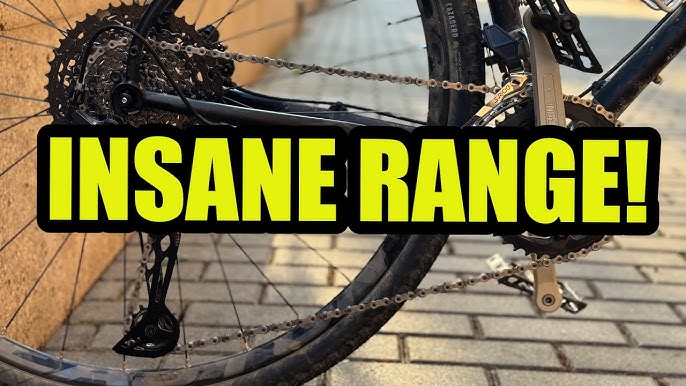
Identify Gear Components
Adjusting gears on a women’s bike starts with knowing its parts. Each component helps change the bike’s speed smoothly.
Understanding shifters, derailleurs, and cables makes gear adjustment easier. These parts work together to shift gears correctly.
Shifters
Shifters are the controls on the handlebars. You push or pull them to change gears while riding.
There are different types of shifters like trigger and twist shifters. They send signals to the derailleurs to move the chain.
Derailleurs
Derailleurs move the bike chain from one gear to another. There are front and rear derailleurs on most bikes.
The front derailleur moves the chain between the big rings near the pedals. The rear derailleur shifts the chain on the back gears.
Cables
Cables connect the shifters to the derailleurs. Pulling or releasing cables moves the derailleurs to change gears.
Good cable condition is important. Worn or loose cables make gear shifting slow or noisy.
Check Gear Alignment
Proper gear alignment is important for smooth shifting on women’s bikes. It helps prevent chain slipping and gear noise.
Checking gear alignment ensures your bike rides well and parts last longer. It is a simple process you can do at home.
Inspect The Derailleur Position
The derailleur moves the chain between gears. It must be in the right position to work properly.
Look at the derailleur from behind. It should line up with the gear you want to use.
- Check if the derailleur hanger is straight
- Make sure the derailleur cage is parallel to the gears
- Adjust the derailleur if it looks bent or misaligned
Check The Chain Line
The chain line is the path the chain follows from front to back gears. It should be straight.
A crooked chain line can cause poor shifting and chain wear. Look for any twists or bends.
- Shift to the smallest front and rear gear
- Look from above to see if the chain is straight
- Adjust the front or rear derailleur if the chain is off-center
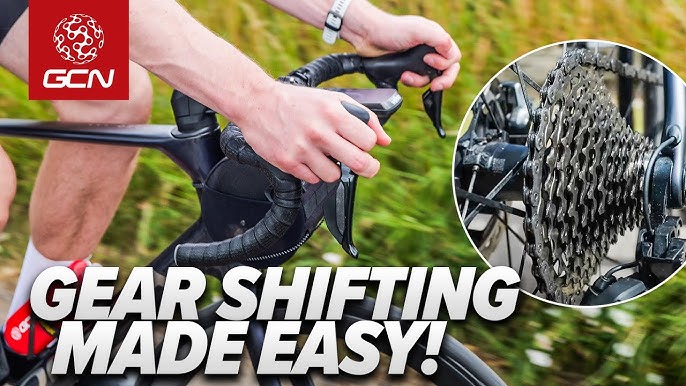
Test Gear Shifting Smoothness
Shift through each gear slowly while pedaling. Listen and feel for rough changes.
If shifting is not smooth, gear alignment may be off. Check cable tension and derailleur limits.
- Shift one gear at a time
- Note any skipping or hesitation
- Adjust limit screws or cable tension if needed
Credit: www.youtube.com
Adjust Rear Derailleur
Adjusting the rear derailleur on a women’s bike helps the gears shift smoothly. Proper adjustment stops the chain from slipping or jumping.
This guide focuses on setting high and low limits and fine-tuning cable tension for better gear performance.
Set High And Low Limits
The high and low limit screws stop the derailleur from moving the chain off the gears. Adjust these screws carefully to protect the bike.
- Locate the high (H) and low (L) limit screws on the derailleur.
- Shift the chain to the smallest rear cog. Turn the H screw so the derailleur aligns with this cog.
- Shift the chain to the largest rear cog. Turn the L screw to line up the derailleur with this cog.
- Make small turns and check chain position each time.
- The derailleur should move smoothly between gears without the chain falling off.
Fine-tune Cable Tension
Cable tension controls how quickly the derailleur moves. Too loose or too tight cables cause poor shifting.
| Action | Effect | Adjustment Tip |
|---|---|---|
| Turn barrel adjuster counterclockwise | Increases cable tension | Use if chain hesitates to shift to larger cogs |
| Turn barrel adjuster clockwise | Decreases cable tension | Use if chain struggles to shift to smaller cogs |
| Check shifting after each turn | Ensures smooth gear changes | Make small adjustments only |
Adjust Front Derailleur
Adjusting the front derailleur on a women’s bike improves gear shifting. It helps the chain move smoothly between gears.
This guide explains how to set the height and angle of the derailleur. It also covers how to adjust the limit screws.
Set Height And Angle
First, check the height of the front derailleur cage. It should be 1 to 3 millimeters above the largest chainring.
Next, adjust the angle of the derailleur so it is parallel to the chainrings. This helps the chain shift cleanly.
- Loosen the clamp bolt holding the derailleur.
- Move the derailleur up or down for correct height.
- Rotate it to be parallel with the chainrings.
- Tighten the clamp bolt firmly.
Limit Screw Adjustment
The limit screws stop the chain from falling off the gears. There are two screws marked “H” and “L”.
Adjust the “L” screw to set the lowest gear limit. Adjust the “H” screw to set the highest gear limit.
- Shift to the smallest chainring and largest rear cog.
- Turn the “L” screw until the derailleur cage is close to the chain without rubbing.
- Shift to the largest chainring and smallest rear cog.
- Turn the “H” screw until the cage is close but not touching the chain.

Credit: www.wikihow.com
Test Shifting Performance
Testing gear shifting is important after adjusting your bike’s gears. It helps ensure smooth and safe rides.
Good shifting performance means the bike changes gears without noise or delay. Let’s check how to test it well.
Check Gear Changes While Stationary
Keep your bike still and slowly turn the pedals. Shift through all the gears to feel resistance and listen for noise.
If the chain moves smoothly and quietly, the adjustment is good. If it skips or makes noise, adjust again.
Test Gears While Riding
Ride your bike on a flat road. Shift through all gears one by one to see if the chain moves cleanly.
Try shifting under light pedaling pressure. Notice if the gear changes feel smooth or rough.
- Shift to easier gears going uphill
- Shift to harder gears on flat or downhill
- Listen for any chain slipping or delays
Fine-tune Adjustments Based On Test
Use the barrel adjuster to fix small shifting issues. Turn it slightly and test again.
Make small changes until shifting is smooth. Avoid large turns that cause new problems.
- Turn barrel adjuster clockwise to tighten cable
- Turn counterclockwise to loosen cable
- Test after each small adjustment
Common Issues And Fixes
Adjusting gears on a women’s bike can solve many common problems. Proper gear adjustment keeps your ride smooth and safe. This guide explains common issues and how to fix them.
Knowing these fixes helps you avoid costly repairs. You can enjoy a better biking experience with simple steps.
Chain Slippage
Chain slippage happens when the chain jumps off the gear teeth. This causes loss of power and can be dangerous. It usually means the gears need adjustment or the chain is worn out.
- Check if the chain is stretched or damaged.
- Tighten the derailleur cable if it is loose.
- Clean and lubricate the chain regularly.
- Replace worn chainrings or cassette gears.
- Adjust the derailleur limit screws to prevent the chain from slipping off.
Noisy Gears
Noisy gears can distract you and show poor gear alignment. Noise often means the derailleur is not shifting smoothly or the chain is dirty.
| Cause | Fix |
| Dirty chain or gears | Clean and lubricate all parts |
| Loose derailleur cable | Tighten cable tension |
| Misaligned derailleur | Adjust derailleur position and limit screws |
| Worn out chain or cassette | Replace worn parts |
Skipping Gears
Skipping gears means the chain jumps when pedaling. It can make riding unsafe and damage the bike. This usually happens if the gear cable is loose or the derailleur is out of alignment.
- Check and tighten the gear cable.
- Adjust the derailleur to align with the gears.
- Replace worn chains or sprockets.
- Make sure the derailleur hanger is straight.
Maintenance Tips
Keeping your women’s bike gears in good shape helps you ride smoothly. Regular gear adjustments prevent wear and tear.
This guide shares simple tips to adjust and maintain your bike gears easily at home.
Check The Gear Shift Levers
Start by inspecting the gear shift levers on your handlebars. Make sure they move freely without sticking.
Adjust The Cable Tension
The cable tension controls how the gears change. Too tight or too loose cables cause poor shifting.
- Shift to the smallest chainring and smallest rear sprocket.
- Turn the barrel adjuster counterclockwise to loosen tension.
- Turn it clockwise to tighten tension.
- Test shifting after each adjustment.
Align The Derailleur
The front and rear derailleurs guide the chain between gears. They must be aligned correctly.
| Derailleur Part | Adjustment Tip |
| Limit Screws | Set to stop chain from falling off. |
| Height | Keep 1-3mm above the largest chainring or sprocket. |
| Angle | Make sure it is parallel to the chainrings or sprockets. |
Lubricate The Chain
A clean and oiled chain improves gear shifting and extends bike life. Use bike-specific lubricant.
Lubrication steps:
- Clean the chain with a rag or brush.
- Apply a drop of lubricant to each chain link.
- Wipe off excess oil to avoid dirt buildup.
- Shift through all gears to spread lubricant evenly.
Frequently Asked Questions
How Do I Know When To Adjust Bike Gears?
You should adjust bike gears if shifting feels rough or noisy. Also, check if the chain slips or hesitates while pedaling. Regular inspection helps maintain smooth gear changes and extends bike component life.
What Tools Are Needed To Adjust Women’s Bike Gears?
You need a Phillips screwdriver, Allen keys, and a bike stand. A bike-specific gear adjustment tool can help fine-tune derailleur settings easily. These tools ensure precise and safe gear adjustments.
How To Adjust Front And Rear Derailleurs Correctly?
Shift to the smallest chainring and smallest rear cog before adjusting. Use limit screws to align the derailleur’s position. Fine-tune cable tension until gears shift smoothly without skipping or hesitation.
Can I Adjust Gears On My Women’s Bike At Home?
Yes, most gear adjustments can be done at home with basic tools. Follow step-by-step guides and take safety precautions. Regular home maintenance saves money and improves riding experience.
Conclusion
Adjusting gears on a women’s bike keeps your ride smooth and easy. Small changes to the derailleur and cable tension make a big difference. Check your gears often, especially before long rides. Practice shifting in a safe place to feel more confident.
A well-tuned bike helps you enjoy every trip more. Keep your bike clean and parts lubricated for best results. Simple steps can improve your cycling experience a lot. Try these tips and notice how your bike performs better.



