
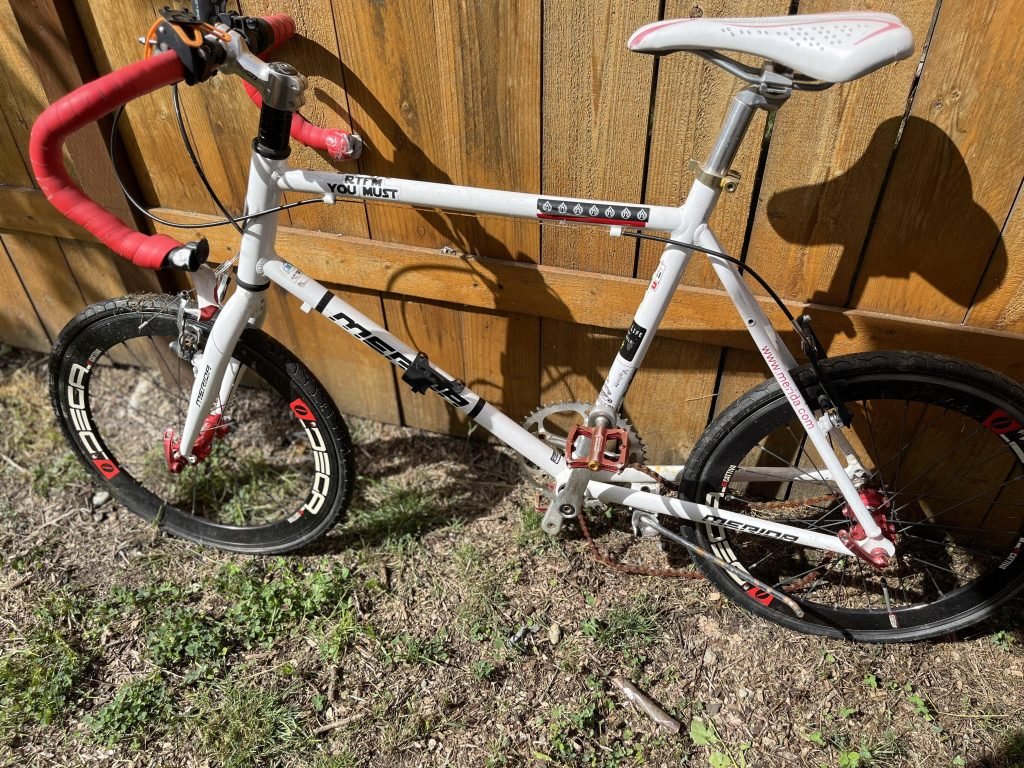
Are your mini velo bike gears feeling sticky or not shifting smoothly? If you want a ride that’s smooth and effortless, knowing how to adjust your gears is a game-changer.
Imagine effortlessly switching gears whether you’re climbing a hill or cruising flat streets. In this guide, you’ll discover simple steps to fine-tune your mini velo’s gears so every ride feels just right. Keep reading, and you’ll learn how to take control of your bike’s performance like a pro.
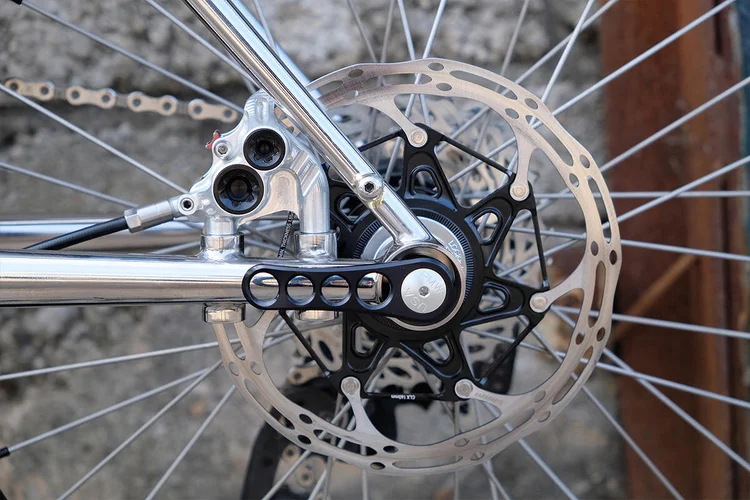
Credit: www.svencycles.co.uk
Mini Velo Gear Basics
Mini Velo bikes often use two main gear types: internal hub gearsand external derailleur gears. Internal gears sit inside the rear hub and offer smooth shifting with less maintenance. External gears use a derailleur to move the chain across different sprockets.
Key gear parts include the shifter, derailleur, chain, and gear cassette or internal hub. The shifter controls gear changes through cables. The derailleur moves the chain on external gear systems. Chains link pedals to wheels, transferring power.
| Component | Function |
|---|---|
| Shifter | Changes gears by pulling or releasing cables |
| Derailleur | Moves chain between sprockets on external gears |
| Chain | Transfers pedal power to the wheel |
| Gear Cassette / Internal Hub | Houses different gear sizes for speed control |
Tools Needed
Essential tools make gear adjustments simple and precise. A Phillips screwdriveris needed to tighten or loosen screws on the derailleur. A 5mm Allen wrenchhelps adjust the derailleur mount bolt. Needle-nose pliersassist in pulling and holding the cable tight. A bike standholds the mini velo steady while working.
Optional accessories can make the job easier. A gear cable cuttertrims cables cleanly. Lubricantkeeps gears moving smoothly after adjustment. A small mirrorhelps see hard-to-reach spots. Having a ragto wipe dirt and grease is also useful.
Preparing Your Bike
Start by cleaning the drivetrainto keep gears smooth. Use a brush and mild soap to remove dirt and grease. Dry the parts well to avoid rust.
Check the cable tensionnext. The cable moves the gears when you shift. If it is too loose or tight, shifting will feel rough or skip gears. Adjust the tension by turning the barrel adjuster near the shifter. Turn it slowly and test the gear change until it feels right.

Credit: www.reddit.com
Adjusting The Derailleur
Set the limit screwsto stop the derailleur from moving too far. The high limit screwcontrols the smallest gear. The low limit screwcontrols the largest gear. Turn screws slowly and test gear shifts after each turn. This stops the chain from falling off the gears.
Check the cable tensionto make gear changes smooth. Turn the barrel adjusterto tighten or loosen the cable. Tighten if gears skip or don’t shift up. Loosen if shifting feels sticky or slow. Small changes make a big difference.
Testing Gear Shifts
Test the gear shifts by moving through all gearson your Mini Velo bike. This helps ensure the chain moves smoothly across each sprocket. Pay attention to any delaysor rough shifts. Listen for unusual noises like clicking or grinding.
Common issues include:
- Chain skipping:Chain jumps over sprockets during pedaling.
- Gear slipping:Gear changes but chain does not catch properly.
- Sticky shifts:Difficulty moving the gear lever or slow response.
- Chain rubbing:Noise caused by misalignment of the derailleur.
Fix these by adjusting the cable tensionor checking the derailleur alignment. Proper testing helps keep rides smooth and safe.
Troubleshooting Tips
Adjusting gears on Mini Velo bikes improves riding comfort and performance. Check the tension on the gear cable and fine-tune the derailleur for smooth shifting. Small tweaks can fix common gear problems quickly and easily.
Fixing Chain Slippage
Chain slippage can be a problem on mini velo bikes. Check the chain for any wear or damage. Ensure the chain is properly lubricated. A dry chain can cause slipping. Adjust the derailleurif needed. Make sure the chain is alignedwith the gears. Tighten the chain if it feels loose. Always ensure the chain is on the correct gear. This will help prevent slippage.
Resolving Gear Noise
Gear noise is often due to misalignment. Start by checking the gear alignment. Adjust the derailleur screws. These screws control the gear alignment. Ensure the gears are clean and freeof dirt. Dirt can cause noise. Lubricate the gears to ensure smooth movement. If noise persists, check for any damaged components. Replace any parts if necessary.
Maintenance For Smooth Shifting
Lubrication keeps gears moving smoothly. Use oil on chains and gears. Make sure to apply it every two weeks. Wipe off extra oil with a cloth. This avoids dirt and dust buildup. Clean gears work better and last longer. Always check for rust. Rust can damage the bike.
Cables stretch and wear over time. Replace them every six months. This ensures crisp and accurate shifting. Check cables for fraying or damage. Damaged cables can snap and cause problems. New cables make shifting feel like new. Always use quality cables for the best performance.

Credit: harubina.co.jp
Frequently Asked Questions
How Do I Know When To Adjust Mini Velo Gears?
You should adjust mini velo gears if shifting feels rough or slips. Smooth gear changes indicate proper adjustment. Regular checks prevent wear and improve riding comfort.
What Tools Are Needed To Adjust Mini Velo Gears?
You typically need a Phillips screwdriver and a 5mm Allen key. Some models may require a gear cable tensioner tool. Always check your bike’s manual for specific tools.
Can I Adjust Mini Velo Gears Myself Safely?
Yes, with basic tools and instructions, you can adjust gears safely. Follow step-by-step guides and test shifts after each adjustment. Avoid forcing components to prevent damage.
How Often Should Mini Velo Gear Adjustments Be Done?
Gear adjustments should be done every few months or after heavy use. Regular tuning keeps gears shifting smoothly and extends component life. Inspect gears more often in wet conditions.
Conclusion
Adjusting gears on a Mini Velo bike keeps your ride smooth and easy. Small changes can make a big difference in how your bike feels. Regular checks help avoid problems on the road. Take your time and adjust carefully for the best results.
With practice, gear shifting will feel natural and quick. Enjoy your rides more with a well-tuned bike. Keep these tips in mind and ride confidently every time.



