
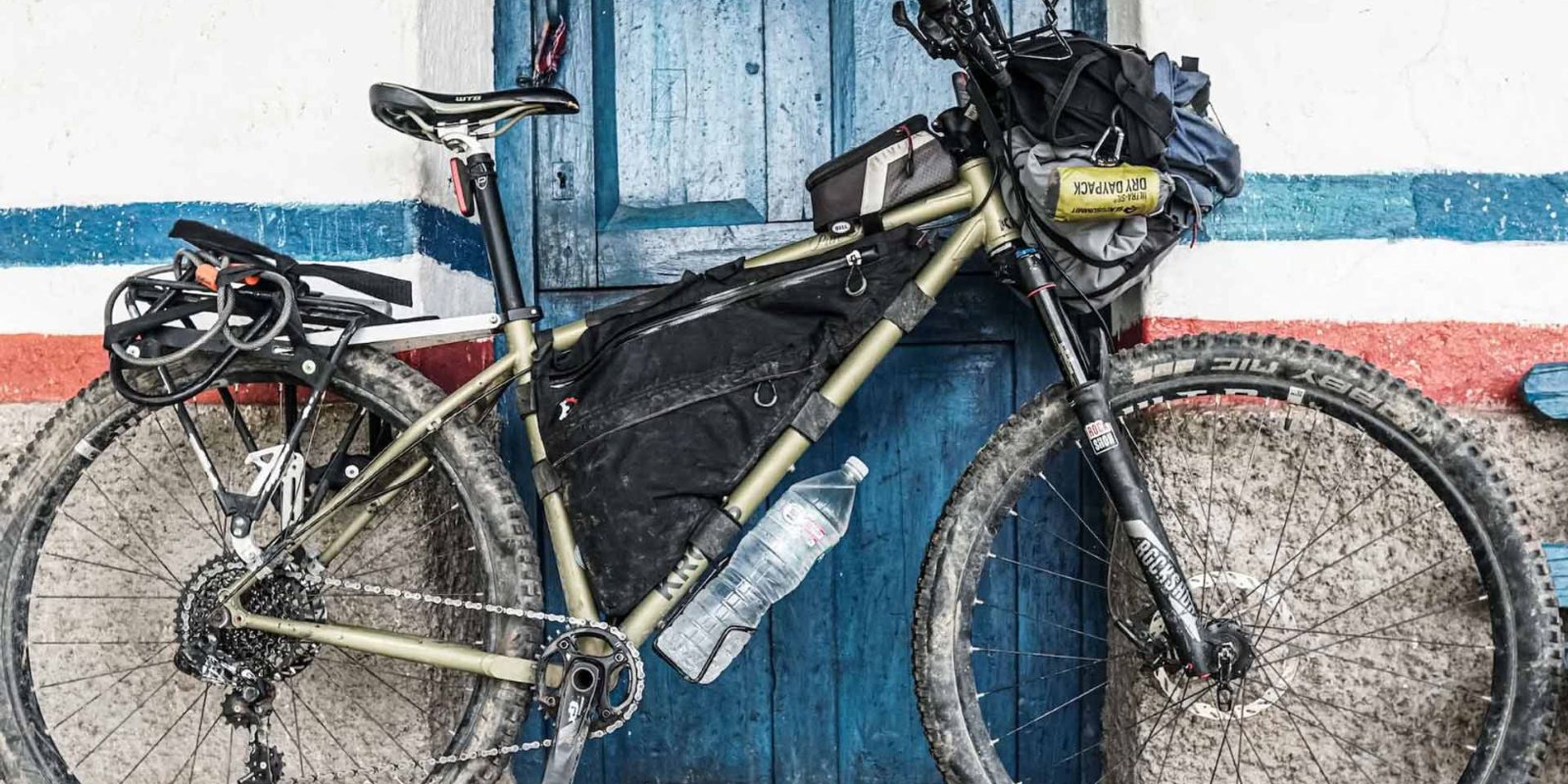
If you’re planning a loaded bikepacking trip, knowing how to adjust your gears can make all the difference between a smooth ride and a frustrating struggle. Your bike will feel heavier with all your gear, and without the right gear setup, climbing hills or cruising long distances can drain your energy fast.
But don’t worry—this guide will show you simple, effective ways to fine-tune your gears so you can ride stronger, longer, and with more confidence. Keep reading to discover how a few small adjustments can transform your bikepacking experience.

Credit: www.reddit.com
Choosing The Right Gear Setup
Adjusting your bike’s gears is important for loaded bikepacking rides. The right gear setup helps you pedal smoothly with heavy weight.
Choosing good gears can make climbing hills easier and keep your ride comfortable over long distances.
Selecting Gear Ratios For Heavy Loads
For heavy loads, use lower gear ratios. Low gears let you pedal with less effort on hills.
Look for gears that give you a wide range between the easiest and hardest gears.
- Choose small chainrings with more teeth on the cassette
- Low gear ratios help keep your legs from tiring
- High gears still let you ride fast on flat ground
Single Vs. Multiple Chainrings
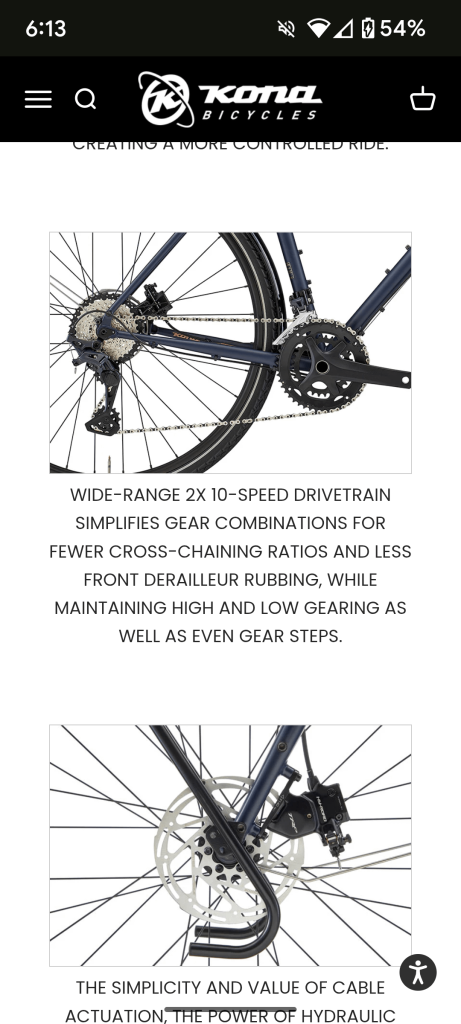
Single chainrings are simpler and lighter. They have fewer parts to break or adjust.
Multiple chainrings offer more gear options. They help you find the right gear for any hill or speed.
- Single chainring: easier maintenance, lighter weight
- Multiple chainrings: more gears, better for varied terrain
- Consider your route and load when choosing
Benefits Of Wide-range Cassettes
Wide-range cassettes have a big difference between the smallest and largest sprockets. This gives you many gear choices.
They help you climb steep hills with heavy gear and still ride fast on flat trails.
- More low gears for climbing with weight
- High gears for faster riding on flat ground
- Better cadence control to save your energy
Preparing Your Drivetrain
Adjusting your bike’s gears is key for loaded bikepacking rides. A well-prepared drivetrain helps you climb hills and ride smoothly.
Before hitting the trail, check your bike’s gears and parts. This keeps your ride safe and efficient.
Inspecting And Maintaining Components
Look closely at your chain, cassette, and derailleur. Check for wear, dirt, or damage. Replace parts if needed.
Keep bolts tight and make sure the derailleur hanger is straight. Misalignment can cause shifting problems.
- Check chain for stretch or rust
- Inspect cassette teeth for wear
- Examine derailleur for damage or bends
- Tighten all bolts on the drivetrain
- Align the derailleur hanger properly
Upgrading For Durability
Use stronger parts designed for heavy loads. Durable chains and cassettes last longer on rough rides.
Choose components that match your riding style. Wide-range gears help with steep climbs and heavy packs.
- Pick a chain rated for heavy use
- Use a cassette with a wide gear range
- Select a sturdy derailleur with good tension
- Consider reinforced gear cables
Lubrication Tips For Long Rides
Keep your chain lubricated to reduce wear and noise. Use a lubricant that suits your ride conditions.
Apply lubricant before your trip and clean the chain regularly. This prevents dirt buildup and keeps shifting smooth.
- Use dry lube for dusty trails
- Choose wet lube for wet or muddy rides
- Clean and relube your chain every 100 miles
- Wipe off excess lube to avoid attracting dirt
Adjusting Derailleurs For Smooth Shifting
Proper gear adjustment makes your bike ride easier and safer. Smooth shifting is key, especially on loaded bikepacking rides.
Derailleurs guide the chain between gears. Fine-tuning them helps avoid chain drops and noisy shifts.
Fine-tuning Front Derailleur
Adjust the front derailleur to shift cleanly between chainrings. Start by checking its height and angle.
- Loosen the clamp and position the derailleur 1-3 mm above the largest chainring.
- Align the cage parallel to the chainrings.
- Tighten the clamp to hold it firmly.
- Adjust limit screws to stop the chain from falling off the rings.
Setting Rear Derailleur Limits
Limit screws prevent the chain from shifting past the smallest or largest sprockets. Set them carefully for safe riding.
| Limit Screw | Function | Adjustment Tip |
| High (H) | Stops chain at smallest sprocket | Turn clockwise to move limit inward |
| Low (L) | Stops chain at largest sprocket | Turn counterclockwise to move limit outward |
Indexing The Gears Precisely
Indexing makes each gear shift crisp. Use the barrel adjuster to fine-tune cable tension for perfect alignment.
- Shift to the smallest rear sprocket.
- Turn the barrel adjuster counterclockwise if the chain hesitates to shift up.
- Turn it clockwise if the chain tries to shift down by itself.
- Test shifts through all gears to confirm smooth movement.
Credit: www.calltoadventure.uk
Shifting Techniques On Loaded Rides
Riding a loaded bikepacking setup changes how you shift gears. The extra weight affects bike handling and gear choice.
Good shifting helps you keep a steady pace and protects your bike parts on long trips.
Anticipating Terrain Changes
Look ahead on the trail to spot hills, rough patches, or flat sections. Shift before you reach these areas to keep your pedaling smooth.
- Shift to lower gears before climbing steep hills
- Use higher gears on flat or downhill parts
- Adjust gears early to avoid sudden effort spikes
- Plan shifts to keep your cadence steady
Shifting Under Load Safely
Shifting while pushing hard can harm your chain and gears. To avoid damage, ease your pedaling pressure during shifts.
| Action | Effect |
| Lighten pedaling force before shifting | Reduces wear on drivetrain |
| Shift one gear at a time | Keeps shifts smooth and precise |
| Avoid shifting on steep climbs if possible | Prevents chain slipping or breakage |
| Keep your drivetrain clean and lubricated | Improves shift quality under load |
Using Cadence To Manage Effort
Cadence means how fast you pedal. Keeping a steady cadence helps you avoid tiring out too fast on loaded rides.
- Shift gears to keep cadence between 70 and 90 rpm
- Lower gears help keep cadence high on climbs
- Use higher gears to maintain cadence on flats
- Adjust gears to match your energy and terrain
Handling Common Gear Issues
Loaded bikepacking rides put extra strain on your gears. Adjusting them properly helps keep your ride smooth. This guide covers common gear problems and how to fix them.
Understanding these issues can prevent damage and improve your biking experience. Learn how to troubleshoot chain slippage, fix gear skipping, and reduce noise and resistance.
Troubleshooting Chain Slippage
Chain slippage occurs when the chain slips over the teeth of the gears. This can happen under heavy loads or worn parts. It affects pedaling efficiency and safety.
- Check if the chain or cassette is worn out. Replace if needed.
- Make sure the derailleur is aligned and the limit screws are set correctly.
- Tighten the cable tension to improve shifting response.
- Clean and lubricate the chain regularly to avoid slipping.
Fixing Gear Skipping
Gear skipping happens when your bike jumps between gears unexpectedly. It may cause loss of control or damage to the drivetrain.
| Cause | Fix |
| Loose or stretched cables | Tighten or replace cables |
| Dirty or worn chain | Clean or replace chain |
| Misaligned derailleur | Adjust derailleur hanger and limit screws |
| Damaged cassette teeth | Replace cassette |
Addressing Noise And Resistance
Noise and resistance make pedaling harder and less enjoyable. They often signal mechanical issues that need attention.
Follow these tips to reduce noise and resistance:
- Inspect the chain for rust or stiff links and clean or replace it.
- Check the derailleur pulleys for wear and lubricate them.
- Ensure the bottom bracket and crankset are tightened and lubricated.
- Adjust the chain tension to prevent rubbing against the derailleur cage.
Gear Adjustments For Different Terrains
Adjusting your bike gears helps you ride better on different terrain. The right gear makes pedaling easier and safer. This guide covers how to change gears for steep hills, descents, and mixed surfaces.
Knowing how to shift gears correctly will save your energy. It also protects your bike from damage during loaded bikepacking rides.
Climbing Steep Hills
Use low gears when climbing. Low gears reduce pedaling effort and help keep a steady pace. Shift early before the hill gets too steep to avoid strain.
- Shift to the smallest chainring in front
- Use the largest sprocket on the rear cassette
- Keep a smooth and steady pedal stroke
- Shift gears before you slow down too much
- Maintain a comfortable cadence around 60-80 RPM
Descending With Control
When going downhill, use higher gears to keep speed without spinning pedals too fast. This helps maintain control and balance. Avoid sudden shifts to prevent chain slips.
| Gear Setting | Reason |
| Largest chainring front | Allows higher speed |
| Small to medium sprocket rear | Controls pedal spin rate |
| Shift smoothly | Prevents chain drops |
| Use brakes carefully | Maintains stability |
Riding On Mixed Surfaces
Mixed terrain needs frequent gear changes to match the surface. Balance power and speed by shifting gears often. Use medium gears for flat dirt or gravel roads.
Tips for gear use on mixed surfaces:
- Shift down for rocky or loose patches
- Shift up on smooth or packed paths
- Keep cadence steady to save energy
- Anticipate changes in terrain ahead
- Test gear feel on different surfaces before a long ride

Credit: www.reddit.com
Frequently Asked Questions
How Do I Shift Gears Smoothly On Loaded Bikepacking Rides?
To shift smoothly, anticipate terrain changes and ease pedaling pressure before shifting. Use smaller gear steps to avoid chain slipping. Regularly clean and lubricate your drivetrain for optimal performance.
What Gear Ratio Is Best For Heavy Bikepacking Loads?
Lower gear ratios work best for heavy loads. They reduce pedaling effort on climbs and rough terrain. Choose a wide-range cassette and a compact chainring setup for versatility.
How Often Should I Adjust Gears During Long Rides?
Adjust gears frequently to match terrain and load changes. Shifting often prevents strain on your drivetrain. Stay attentive to cadence and resistance for timely gear changes.
Can Improper Gear Adjustment Damage My Bike On Loaded Rides?
Yes, improper adjustments can cause chain skipping, wear, and drivetrain damage. Regular tuning and correct indexing prevent mechanical issues. Proper gear setup enhances safety and efficiency.
Conclusion
Tuning your bike’s gears ensures a smoother ride. Especially on loaded trips. Proper adjustments help maintain control and energy. Start with a clean chain and lubricated gears. Use your tools wisely. Make small tweaks for big improvements. Always test your bike after adjustments.
Feel the difference in your ride. Practice makes perfect. Soon, adjusting gears will feel natural. Remember, safety first. Happy bikepacking adventures await!



