
Have you ever felt frustrated trying to get your cantilever brakes to work just right? You’re not alone.
Many cyclists face the same challenge, struggling to find the perfect balance between safety and performance. Properly adjusted brakes can make a world of difference in your biking experience, ensuring smooth stops and keeping you safe on the road or trail.
Imagine gliding through your ride with confidence, knowing your brakes are precisely tuned to your needs. This article will guide you through the simple steps to adjust your cantilever brakes, transforming your biking experience from ordinary to extraordinary. Whether you’re a seasoned cyclist or just starting out, mastering this skill will empower you to tackle any terrain with ease. Dive in, and discover how a few adjustments can elevate your ride to new heights.
Tools Needed
Before adjusting cantilever brakes, gather the necessary tools. A Phillips screwdriver is essential for most adjustments. You’ll also need a 5mm Allen wrench for loosening and tightening bolts. A needle-nose pliers helps in pulling brake cables tightly. Have a ruler or tape measure to ensure even brake pad spacing. A light source can be useful for better visibility.
Consider wearing gloves to protect your hands. They also provide a better grip. It’s helpful to have a clean rag to wipe off any dirt. Lastly, keep a small container handy for holding loose screws or parts. This prevents losing them during the process.
Credit: www.mtbr.com
Preparing The Bike
Adjusting cantilever brakes ensures safe and efficient bike rides. Begin by loosening the brake cable and aligning the brake pads with the rim. Tighten the cable and test the brake lever for proper tension. Make small adjustments until the brakes feel responsive.
Cleaning The Brake Area
Make sure the brake areais clean before adjusting. Use a damp cloth to wipe away dirt. Check for any stuck debris or grime. Clean around the brake pads and rims. This ensures brakes work well. Dirt can affect brake performance. Clean the area regularly for safety.
Inspecting Brake Components
Check all brake parts carefully. Look at the brake padsfor wear. Ensure pads are not too thin. Examine the brake cables for fraying. Replace worn cables immediately. Check that the brake levers move smoothly. Tighten any loose bolts or screws. Make sure all parts are in good condition.
Adjusting Brake Pads
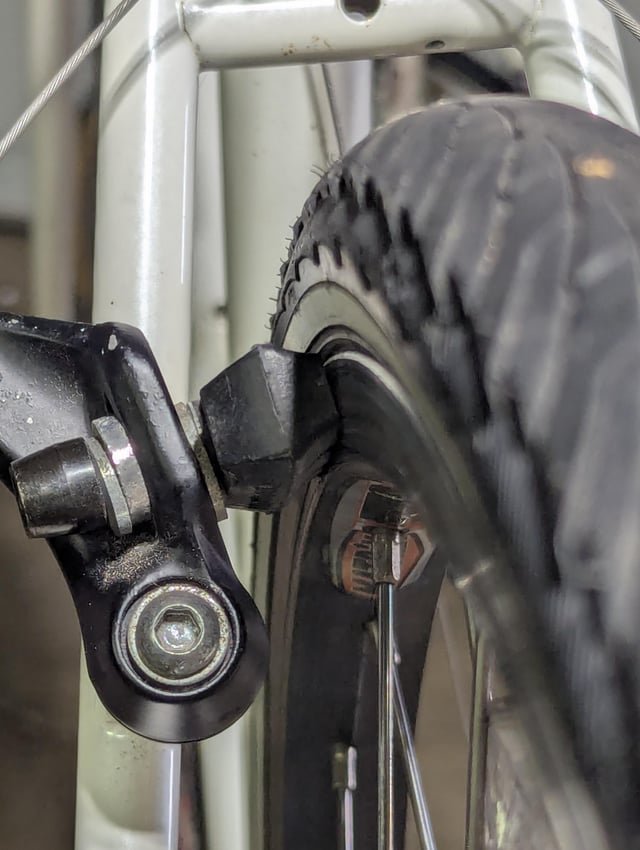
Brake pads must be centered on the rim. Check both sides are even. Keep pads parallel to the rim’s surface. Avoid touching the tire. Use a wrench to adjust pad position. Tighten bolts firmly to secure pads.
Align pads with the rim’s curve. Pads must touch the rim evenly. Spin the wheel to test alignment. Adjust if pads rub the tire. Loosen the bolt if alignment is off. Re-tighten after adjusting.
Setting Cable Tension
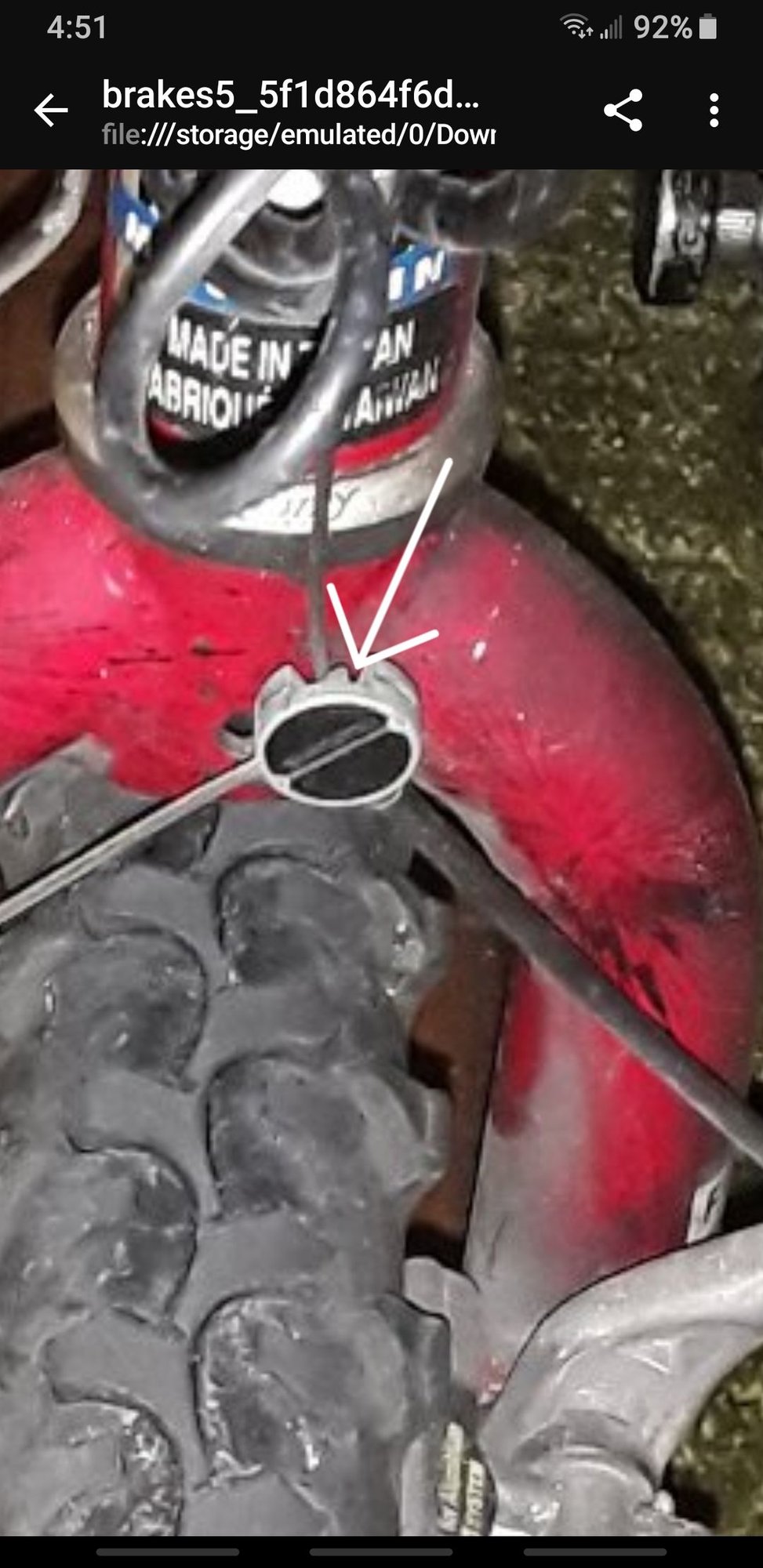
Find the cable anchor bolt on your bike. Use a wrench to loosenit. This helps the cable move freely. Make sure the bolt is not too tight.
Pull the cable to set the right tension. The brakes should feel firm but not too tight. Check the brake pads. They should touch the rim evenly. Make small adjustments until it feels right.
Once the tension is set, tighten the anchor bolt. This keeps the cable in place. Test the brakes by squeezing the brake lever. Make sure everything is secure and working well.
Balancing Brake Arms
Adjust cantilever brakes by first loosening the cable clamp. Then, balance the brake arms evenly for smooth performance. Ensure pads align with the rim, avoiding contact with the tire for optimal braking efficiency.
Identifying Uneven Arms
Check both brake arms for evenness. Squeeze the brake lever slowly. Notice if one arm moves more than the other. Uneven movement means adjustment is needed. Look for the pivot bolt on each arm. This is where adjustments happen. Make sure both arms have the same tension.
Tweaking Spring Tension
Locate the small screw near the pivot. This screw controls spring tension. Use a screwdriver to turn it. Turn clockwise to increase tension. Turn counterclockwise to decrease it. Adjust both sides until arms move evenly. Test the brakes by squeezing the lever again. Make sure both arms stop at the same time.
Testing Brake Performance
Adjusting cantilever brakes enhances bike safety and control. Begin by loosening the bolt holding the brake pad. Align the pad with the rim, ensuring it contacts evenly. Tighten the bolt securely, then test by squeezing the brake lever. Repeat adjustments if necessary for optimal performance.
Checking Brake Engagement
Press the brake levers gently with your hands. The brake pads should touch the rim evenly. Ensure there is no delay in contact. If the brakes are too tight, adjust the cable tension. Loosen the cable bolt slightly for better response. Check if the wheel stops quickly and smoothly. Listen for any noise like squeaking or rubbing.
Ensuring Smooth Release
Release the brake levers and observe the brake pads. They should move away from the rim easily. Ensure the pads return to their original position. Check if the wheel spins freely without any drag. Adjust the spring tension if necessary. Tighten or loosen the spring screws for balanced movement. Test several times to ensure consistency.
Troubleshooting Common Issues
Adjusting cantilever brakes can fix common issues like poor alignment or squeaking. Begin by loosening the brake pads and centering them. Ensure the pads touch the rim evenly, then tighten them securely for optimal performance.
Squeaking Brakes
Brakes squeak when pads touch the rim unevenly. Check the alignment. Pads should hit the rim evenly. Adjust the angle if needed. Tighten the bolts securely. Clean the rim and pads. Dirt causes noise. Use a soft cloth. Avoid harsh chemicals. If squeaking persists, replace pads. New pads grip better. Ensure they fit properly. This helps in avoiding squeaks.
Poor Brake Response
Poor response means brakes are not gripping well. Check cable tension. Loose cables reduce braking power. Adjust the cable tightness. Ensure it is secure. Inspect brake pads for wear. Worn pads don’t grip well. Replace if necessary. Check the rim surface. It should be clean and smooth. Dirty rims affect performance. Clean them with a soft cloth. Ensure brakes are aligned properly. Misalignment causes poor response.

Credit: www.reddit.com
Maintenance Tips
Properly adjust cantilever brakes to ensure safe biking. Begin by loosening the brake cable and centering the brake arms. Tighten the cable and check for even pad alignment against the rim. Test the brakes for responsive stopping power, making minor tweaks if needed.
Regular Inspection
Check your brakes every week. Look for worn-out brake pads. Replace them if they are thin. Ensure bolts are tight. Loose bolts can cause accidents. Inspect brake cables for rust. Rusty cables need changing. Make sure the brake arms move freely. Stuck arms affect braking.
Lubrication Advice
Use oil on brake pivots. This helps them move smoothly. Do not use too much oil. Excess oil attracts dirt. Dirt makes brakes work poorly. Wipe off extra oil with a cloth. Keep brake pads and rims clean. Dirty pads can slip. Slipping brakes are dangerous.
Credit: www.bikeforums.net
Frequently Asked Questions
How To Properly Adjust Cantilever Brakes?
To adjust cantilever brakes, first ensure the brake pads align with the rim. Tighten or loosen the cable tension for proper clearance. Adjust the spring tension screws equally on both sides for even braking. Test the brakes to ensure effective stopping power.
How To Properly Set Up V Brakes?
Ensure the brake pads align with the rim. Adjust the cable tension using the barrel adjuster. Tighten the anchor bolt securely. Check that the brake arms move evenly. Test the brakes for effective stopping power.
What Is The Angle Of A Cantilever Brake?
The angle of a cantilever brake is typically around 90 degrees. This angle helps optimize braking power and control. Adjusting the angle can influence brake performance, ensuring efficient stopping and stability. Proper installation and adjustment are crucial for effective operation and rider safety.
Why Do Cantilever Brakes Squeal?
Cantilever brakes squeal due to misalignment, dirty surfaces, or worn pads. Ensure proper installation and clean pads regularly. Adjust toe-in, where the front of the brake pads touch the rim first, to reduce noise. Regular maintenance and correct setup can minimize brake squeal effectively.
Conclusion
Adjusting cantilever brakes improves your bike’s performance. It ensures safe rides. Follow the steps to make adjustments correctly. Check the alignment frequently. Make sure brake pads touch the rim evenly. Test the brakes after adjustments. Listen for any unusual sounds.
Tighten the bolts securely. Properly adjusted brakes reduce wear and tear. This prolongs the life of your brakes. Regular maintenance keeps your bike in good condition. Enjoy smoother, safer cycling experiences. Remember to check your brakes before every ride. Safe biking starts with well-adjusted brakes.
Keep them in top shape always. Happy cycling!



