
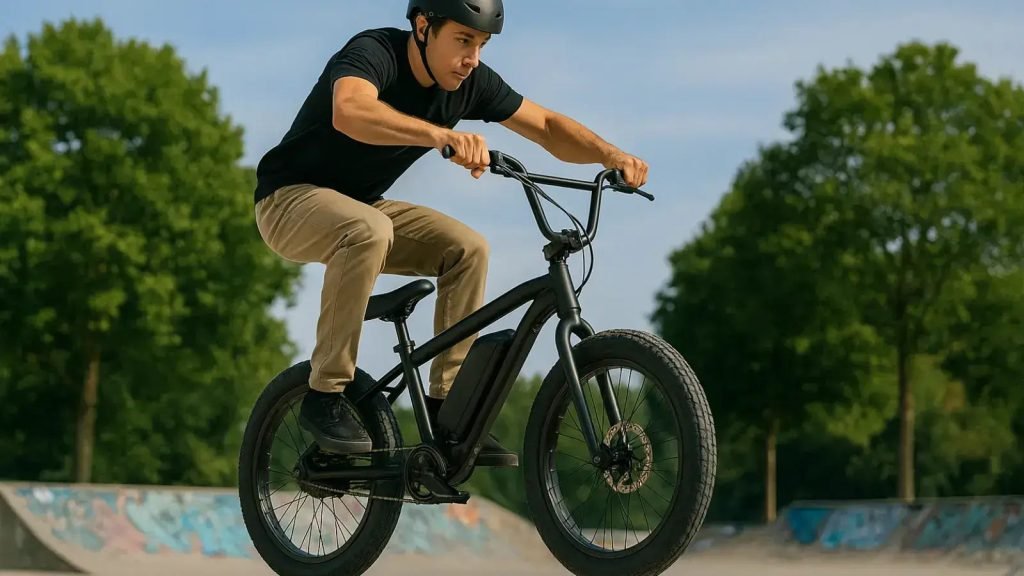
If you’re serious about dirt jumping, having your brakes perfectly adjusted is a must. Imagine hitting the ramps with confidence, knowing your bike will respond exactly when you need it to stop.
But if your brakes feel loose, squeaky, or just not right, it can ruin your ride—and even put you at risk. Don’t worry, adjusting your dirt jump bike brakes isn’t as tricky as it sounds. In this guide, you’ll learn simple, step-by-step tips to get your brakes working smoothly and safely.
Keep reading, and take full control of your bike every time you jump.
Tools Needed
Adjusting brakes on a dirt jump bike requires a few simple tools. Having the right tools makes the job easier and safer.
Gather all tools before starting. This saves time and helps you focus on the brake adjustment.
Allen Wrenches (hex Keys)
Allen wrenches come in different sizes. You will need them to loosen and tighten bolts on the brake calipers and levers.
Cable Cutters
Cable cutters help you cut brake cables cleanly. Using the right cutter prevents frayed ends that can cause problems.
Screwdrivers
You need screwdrivers to adjust brake pad position and tension screws. Both Phillips and flat-head types may be required.
Adjustable Wrench
An adjustable wrench helps with nuts that hold brake parts in place. It fits various sizes, making it versatile.
Optional Tools
- Bike stand to hold the bike steady
- Rag or cloth to clean brake parts
- Lubricant for cables and moving parts
- Tire lever to remove the wheel if needed
| Tool | Purpose |
| Allen Wrenches | Loosen/tighten brake bolts |
| Cable Cutters | Cut brake cables cleanly |
| Screwdrivers | Adjust brake pads and tension |
| Adjustable Wrench | Turn nuts on brake parts |
| Bike Stand (Optional) | Hold bike steady |
| Rag or Cloth (Optional) | Clean brake parts |
| Lubricant (Optional) | Smooth cable movement |
| Tire Lever (Optional) | Remove wheel if needed |

Credit: blogs.aladdin365.com
Types Of Brakes On Dirt Jump Bikes
Dirt jump bikes need strong brakes for safety and control. There are two main types of brakes used on these bikes. Each type works differently and has its own benefits.
Understanding the brake types helps you adjust them properly. This guide covers rim brakes and disc brakes on dirt jump bikes.
Rim Brakes
Rim brakes use pads that press on the wheel rims to stop the bike. They are common on older and lighter dirt jump bikes. Rim brakes are simple and easy to fix.
These brakes work best in dry conditions. Dirt and mud can reduce their stopping power. You need to check the brake pads often for wear and replace them as needed.
- Brake pads press on wheel rims
- Simple design, easy to adjust
- Better for dry riding conditions
- Check pads for wear regularly
Disc Brakes
Disc brakes use a metal rotor attached to the wheel hub. Brake pads squeeze the rotor to slow down the bike. These brakes provide strong stopping power in all weather.
Disc brakes are common on modern dirt jump bikes. They need more care and tools for adjustment but offer better performance on rough trails.
- Uses a metal rotor on the wheel hub
- Strong stopping power in wet and dry
- Requires regular maintenance
- More complex to adjust than rim brakes
Signs Your Brakes Need Adjustment
Good brakes keep you safe on your dirt jump bike. They need to work well every time you ride. If your brakes do not stop your bike properly, they need adjusting.
Watch for warning signs that show your brakes are not working right. Fixing them early helps avoid accidents and keeps your bike ready to ride.
Squeaking Or Squealing Sounds
If your brakes make loud noises when you use them, this means they need attention. Dirt, water, or worn pads can cause this sound. Adjusting or cleaning the brakes can stop the noise.
Brake Lever Feels Loose Or Spongy
The brake lever should feel firm when you pull it. A loose or soft lever means the brakes are not tight enough. This can cause slow stopping or no stopping at all.
Brakes Do Not Stop Quickly
If you need to pull the brake lever very hard or far to stop, the brakes need adjusting. This can happen if the brake pads are too far from the rim or rotor.
Uneven Brake Pad Wear
When one brake pad wears out faster than the other, your brakes are out of balance. This can reduce stopping power and cause the bike to pull to one side.
- Check if one pad touches the rim before the other.
- Look for pads that are thinner on one side.
- Notice if the bike pulls left or right when braking.
Brake Pads Touch Wheel Without Lever Pull
If the brake pads rub the wheel when you do not pull the brake lever, the brakes are too tight. This will slow you down and waste energy while riding.
| Sign | What It Means |
| Squeaking or Squealing | Dirt, water, or worn pads |
| Loose or Spongy Lever | Brake cable or fluid needs tightening |
| Slow Stopping | Pads too far from wheel |
| Uneven Pad Wear | Imbalanced brakes |
| Pads Touch Wheel Without Pull | Brakes too tight |

Credit: www.starunion-store.com
Adjusting Rim Brakes
Rim brakes are common on dirt jump bikes. They help you stop safely and control your speed. Adjusting them correctly keeps your bike working well.
This guide shows you how to adjust rim brakes. You will learn how to center brake pads, tighten the brake cable, and test brake response.
Centering The Brake Pads
Brake pads must be centered on the rim to work right. If they touch the tire or miss the rim, braking will be weak or unsafe.
To center the pads, loosen the pad bolts. Move the pads so they touch the rim evenly. Make sure pads do not touch the tire or hang off the rim.
- Loosen pad bolts using an Allen wrench
- Align pads to the rim surface
- Check that pads are parallel to the rim
- Tighten bolts while holding pads in place
Tightening The Brake Cable
The brake cable controls how the brakes move. If it is loose, brakes will feel weak or slow. Tighten the cable for better brake power.
Start by loosening the cable bolt. Pull the cable tight but not too hard. Then, re-tighten the bolt to hold the cable in place.
- Open the cable fixing bolt
- Pull the cable until it feels firm
- Secure the bolt tightly
- Check brake lever for proper tightness
Testing Brake Response
After adjusting, test how the brakes respond. Squeeze the brake lever to see if the pads hit the rim quickly and firmly.
If the brakes feel soft or slow, repeat the steps. Make small changes and test again until the brakes work well and stop your bike safely.
- Squeeze brake lever firmly
- Check if pads contact rim evenly
- Ensure lever does not touch handlebar
- Repeat adjustments if needed
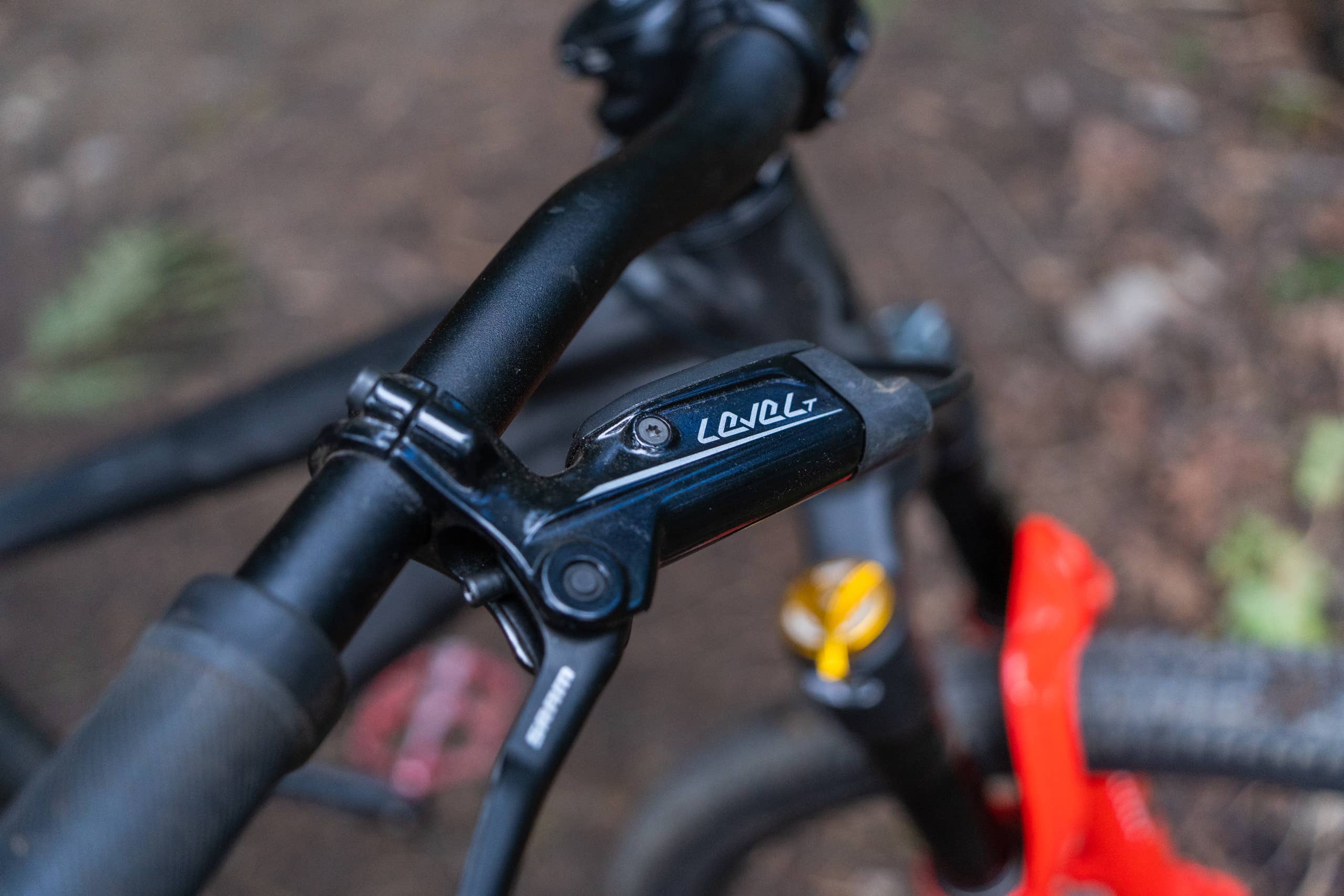
Adjusting Disc Brakes
Disc brakes on a dirt jump bike need regular adjustment for safe riding. Proper brake setup gives you better control and stopping power.
Here are clear steps to adjust your disc brakes, focusing on the caliper, brake lever, and bleeding the system.
Aligning The Caliper
Start by loosening the caliper mounting bolts slightly. Squeeze the brake lever to center the caliper over the disc rotor. Keep holding the lever and tighten the bolts evenly.
Check if the rotor spins without rubbing on the brake pads. If it rubs, adjust the caliper position by loosening and shifting slightly until the rubbing stops.
Adjusting The Brake Lever
The brake lever should feel firm but not too tight. Use the reach adjustment screw to set the lever distance from the handlebar to fit your hand size.
- Squeeze the brake lever fully.
- Turn the barrel adjuster to fine-tune cable tension.
- Ensure the lever stops just before the handlebar.
- Test the lever feel and make small adjustments if needed.
Bleeding The Brakes
Bleeding removes air bubbles that reduce brake performance. Use the correct brake fluid for your system, usually mineral oil or DOT fluid.
| Tool | Purpose |
| Bleed kit | To push fluid through the brake system |
| New brake fluid | Replace old or contaminated fluid |
| Clean rags | Wipe spills and keep area clean |
| Allen keys | Open bleed ports and remove caliper bolts |
Follow the brake maker’s instructions carefully. Keep the brake lever pressed during bleeding to avoid air return. After bleeding, check lever feel again.
Credit: www.bikemag.com
Common Brake Problems And Fixes
Dirt jump bikes need good brakes for safe rides. Problems with brakes can stop you quickly or cause accidents.
Fixing common brake issues helps keep your bike ready. Learn to spot problems and make simple repairs.
Squeaking Noises
Squeaks happen when brake pads rub the rim or rotor wrong. Dirt, dust, and wet parts cause noise.
Clean the brake pads and rims with rubbing alcohol. Check if pads are worn out and replace if needed.
- Remove dirt and oil from brake parts
- Sand brake pads lightly if glazed
- Align pads to hit the rim squarely
- Replace pads if they are thin or cracked
Brake Drag
Brake drag means brakes stay on slightly when released. It makes pedaling hard and wears parts fast.
Check if the brake cable is too tight. Adjust the barrel or cable tension to fix drag. Also, check caliper alignment.
- Loosen brake cable slightly
- Center brake caliper over the rotor or rim
- Clean and lubricate brake pivots
- Inspect brake pads for sticking
Loose Brake Lever
A loose brake lever feels floppy and weak. It lowers control and stops power. This needs quick fixing.
Tighten the lever pivot bolt. Check the brake cable for slack and adjust it. Replace worn parts if needed.
- Tighten lever pivot screws
- Adjust brake cable tension
- Replace stretched or frayed cables
- Lubricate lever pivot points
Maintenance Tips For Long-lasting Brakes
Keeping your dirt jump bike brakes in good condition is important for safety. Regular care helps brakes last longer and work better.
This guide shares simple tips to keep your brakes strong and reliable on every ride.
Check Brake Pads Regularly
Brake pads wear down from use. Check them every few rides to see if they need replacing. Thin pads can reduce stopping power and damage the brake rotor.
Look for cracks, glazing, or uneven wear. Replace pads if they are less than 1 mm thick or show damage.
Keep Brake Rotors Clean
Dirt and oil can build up on brake rotors and reduce braking power. Clean the rotors often to keep them working well.
- Use isopropyl alcohol and a clean cloth
- Avoid touching rotors with bare hands
- Clean after muddy or wet rides
Adjust Brake Lever Reach
Brake levers should fit your hands comfortably. Adjust the reach so you can brake without strain. This helps you react quickly and brake smoothly.
Use the reach adjustment screw on the lever to set the right distance.
Bleed Hydraulic Brakes Properly
Hydraulic brakes need fresh fluid to work well. Old fluid can cause spongy brakes or poor stopping power. Bleed the brakes to remove air and old fluid.
Follow your brake manufacturer’s instructions for bleeding. Do this once or twice a year or if brakes feel soft.
Inspect Brake Cables And Housing
For mechanical brakes, check cables and housing for rust or damage. Frayed cables can break and cause brake failure.
- Replace rusted or frayed cables immediately
- Lubricate cables to reduce friction
- Check housing for cracks or splits
Align Brake Calipers Correctly
Brake calipers must line up with the rotor for even braking. Misaligned calipers cause noise and uneven pad wear.
Loosen the caliper bolts, squeeze the brake lever, and tighten bolts while holding the lever. This centers the caliper on the rotor.
Frequently Asked Questions
How Often Should I Adjust Brakes On A Dirt Jump Bike?
Brake adjustment depends on usage frequency. Check and adjust brakes every 3-4 rides or if you notice reduced stopping power. Regular maintenance ensures safety and optimal performance during jumps.
What Tools Do I Need To Adjust Dirt Jump Bike Brakes?
You typically need an Allen wrench, a screwdriver, and sometimes a cable cutter. These tools help you tighten or loosen brake cables and align brake pads accurately.
How Do I Know If My Dirt Jump Bike Brakes Need Adjustment?
If brakes feel spongy, have excessive lever travel, or pads don’t touch the rim evenly, it’s time to adjust. Properly adjusted brakes should engage quickly and firmly.
Can I Adjust Hydraulic Brakes On A Dirt Jump Bike?
Yes, but hydraulic brakes require different methods. Usually, you need to bleed the brake fluid and adjust caliper alignment. Consult the brake manufacturer’s guide for specifics.
Conclusion
Adjusting dirt jump bike brakes is simple with practice. Follow the steps carefully. Safety improves with well-adjusted brakes. Regular maintenance ensures smooth rides. Your bike responds better on trails. Remember to check brake pads often. Replace worn-out ones promptly. Tighten the brake cable to the right tension.
Test the brakes in a safe area. Feel the difference in control. These small adjustments enhance biking experience. Stay safe and enjoy your rides.



