
Your bike helmet is more than just a piece of gear; it’s your trusty shield on every ride. But how effective is it if it doesn’t fit just right?
Adjusting your bike helmet’s retention system can be the difference between a comfortable ride and a distracting nuisance. Have you ever felt your helmet wobble as you cycle, leaving you anxious about your safety? Or perhaps you’ve experienced the discomfort of a helmet that’s too tight, resulting in pressure headaches?
You’re not alone. Many riders unknowingly compromise their safety and comfort simply because they haven’t adjusted their helmet properly. Imagine riding with the confidence that your helmet is snug, secure, and perfectly aligned. This guide will walk you through the simple steps to adjust your bike helmet retention system, ensuring you ride safely and comfortably every time. Stay with us, and let’s make every ride a safe adventure.
Credit: advantia.com.au
Choosing The Right Helmet
Proper fitis key for safety. A helmet too loose can fall off. A tight helmet can hurt your head. Measure your head with a tape. Match your head size with the helmet size. Try on different helmets. The helmet should sit level on your head. It should not wobble. The straps should form a V under each ear. Buckle the helmet snugly. You should feel comfortable.
Proper fit keeps you safe. It protects your head in a fall. A good fit also feels comfy. Always check the helmet’s position. Adjust the straps regularly. Clean the helmet to keep it in shape. Replace it after a crash. Regular checks are important. Helmets keep us safe.
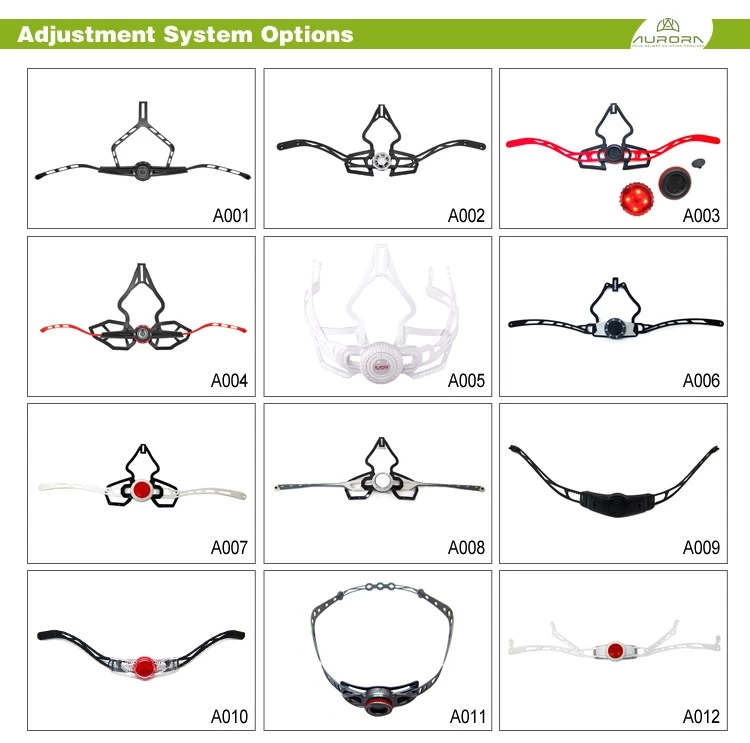
| Retention System | Description |
|---|---|
| Dial Fit | Turn a knob to adjust. |
| Cradle Fit | Uses straps to secure. |
| Elastic Fit | Stretches to fit the head. |

Credit: www.instagram.com
Preparing For Adjustment
Before adjusting, have a few tools ready. A small screwdriver is useful for some helmets. Check if you need extra pads or cushions. These help fit the helmet snugly. A mirror can help you see the helmet fit. Make sure all tools are within reach.
Learn the parts of your helmet. The shellis the hard outer part. Inside, there’s foam for safety. The retention systemkeeps the helmet in place. It includes straps and a dial or buckles. Knowing these parts helps adjust better. Each part has a role for your safety.
Adjusting The Chin Strap
Adjusting the chin strap ensures a snug helmet fit, enhancing safety. Position the straps evenly under your chin and adjust for comfort. Secure the buckle, allowing just enough room for one or two fingers between the strap and chin.
Correct Strap Positioning
Make sure the chin strap sits flat against your chin. It should form a V-shape under your ears. The strap should not twist. Make sure it’s not too loose or too tight. You should be able to fit one finger under it. This ensures it is secure but comfortable.
Ensuring Comfortable Fit
The helmet should not move when you shake your head. Adjust the slider on the straps. This helps in keeping the helmet in place. Always check the fit before riding. Your safety depends on it. A properly fitted helmet keeps you safe. Take the time to adjust it well.
Credit: www.helmetsupplier.com
Adjusting The Rear Stabilizer
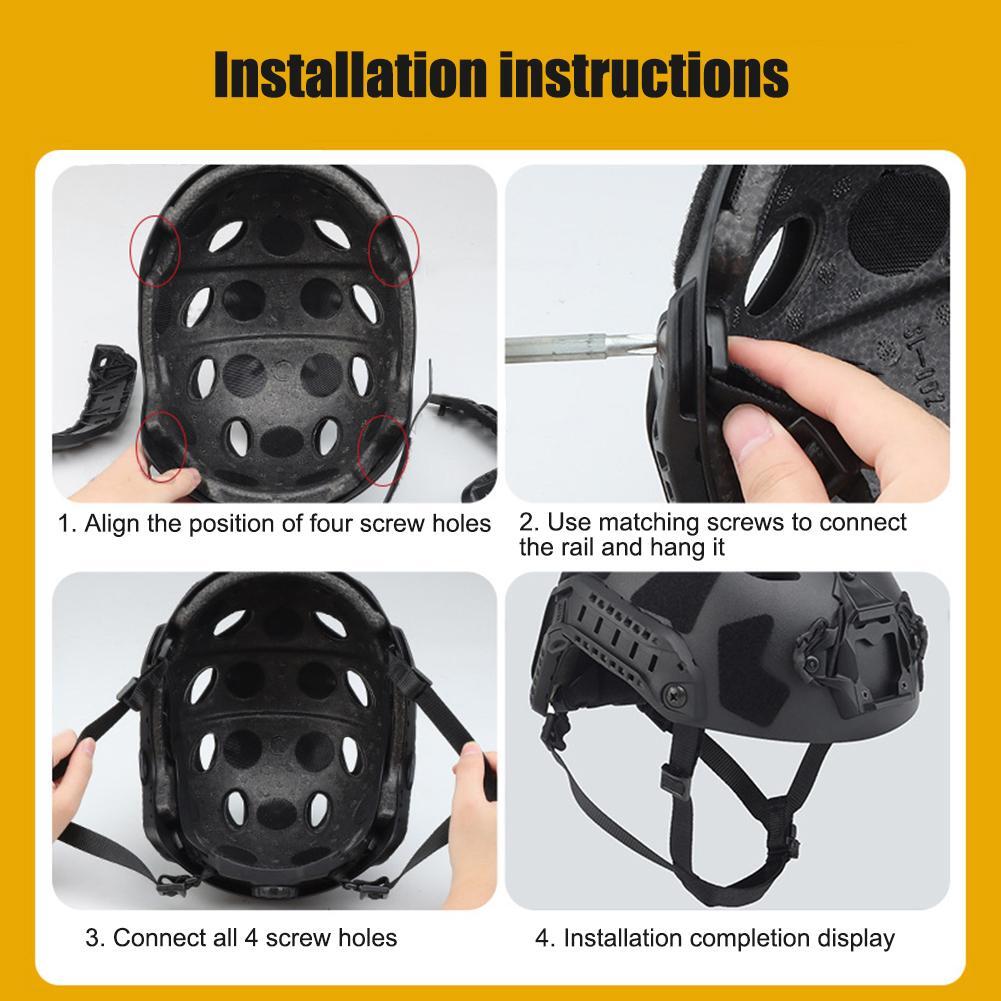
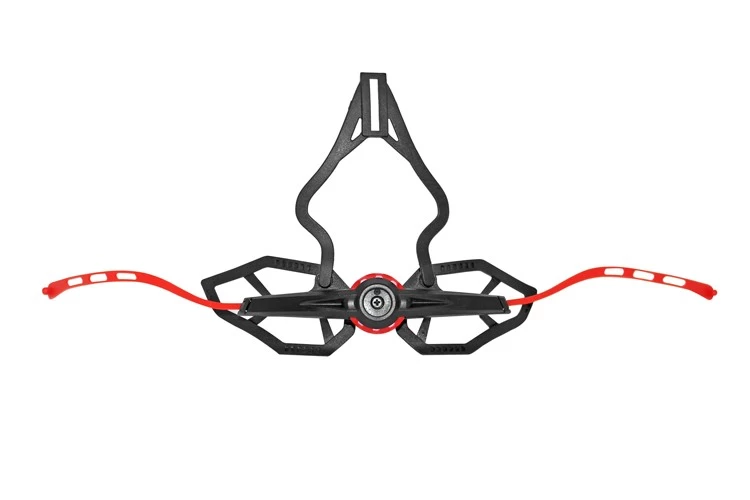
Find the rear stabilizer at the back of the helmet. It’s a small piece that helps hold the helmet in place. Feel for a knob or slider. This is what you will adjust.
Turn the knob to tighten or loosen the fit. Make sure it’s snug but not too tight. You should feel comfortable without any pressure. Test by shaking your head gently. The helmet should not move around. If it does, adjust more.
Fine-tuning The Fit
Adjusting a bike helmet’s retention system ensures a snug and secure fit. Begin by loosening the straps. Position the helmet level on your head. Tighten the rear dial or straps until comfortable. Check the side straps form a V-shape under your ears.
Ensure it feels stable without wobbling.
Evaluating Helmet Stability
The helmet should sit snugly on your head. It must not wobble or shift. Try moving your head side to side. If the helmet moves, it’s not stable. Check the straps and buckles. Ensure they are tight enough. The helmet should feel secure but comfortable. If it feels loose, adjust the retention system. This ensures a better fit. A stable helmet protects your head well.
Making Minor Adjustments
Start with the rear dial or slider. Turn it to tighten or loosen. Make small adjustments at a time. Test the fit after each tweak. The helmet should not press too hard. Comfort is key. If it feels tight, loosen slightly. Adjust the chin strap as well. It should allow you to open your mouth easily. A proper fit ensures safety and comfort.
Safety Checks
Adjusting a bike helmet’s retention system ensures a snug fit for safety. Align the helmet on your head. Tighten the back dial until it feels secure but comfortable.
Ensuring Secure Fit
Make sure the helmet fits snuglyon your head. Adjust the straps to keep it from moving. The helmet should sit level and low on your forehead. Use the retention system to tighten it. It should not be too tight or too loose. Check if the helmet moves when you shake your head. If it does, adjust it again.
Test Riding For Comfort
Go for a short ride to test the helmet. Ensure it is comfortableduring the ride. Make sure it doesn’t shift or become loose. Check if the straps stay in place. If you feel any discomfort, adjust again. The helmet should feel natural on your head.
Common Mistakes To Avoid
Improperly aligning the helmet can lead to discomfort and reduced protection. Ensure the retention system is snug but not too tight. Avoid ignoring manufacturer instructions, as they provide essential guidance for correct adjustment.
Over-tightening Straps
Tight straps can cause discomfort and pain. It’s important to ensure the helmet fits snugly but not too tight. Allow room for breathing and movement. A too-tight helmet may cause headaches or pressure marks. Check the straps often for the right fit. Adjust them so they do not pinch or pull.
Neglecting Regular Checks
Regular checks help keep the helmet safe and secure. Examine the straps and buckles for wear or damage. Make sure the helmet sits correctly on your head. Inspect for cracks or dents regularly. Replace any worn parts immediately. This ensures the helmet offers proper protection.
Frequently Asked Questions
What Is The 2 2 2 Rule When Fitting A Helmet On Your Head?
The 2 2 2 rule ensures a proper helmet fit. Keep two fingers above eyebrows, two fingers under the chin strap, and two fingers between the strap and jaw. This rule provides optimal comfort and safety while wearing a helmet.
How To Properly Adjust A Bike Helmet?
Ensure helmet sits level on your head. Adjust straps to form a V under ears. Tighten chin strap snugly. Ensure no more than two fingers fit under chin strap. Check helmet does not tilt forward or backward.
How To Adjust Helmet Padding?
Adjust helmet padding by removing or adding foam inserts. Ensure a snug fit without pressure points. Align padding evenly inside the helmet. Check comfort and stability by shaking your head gently. Make adjustments as needed for a secure fit. Regularly inspect padding wear and replace if necessary for optimal protection.
How To Fix Bike Helmet Lock?
First, check for debris blocking the lock mechanism. Lubricate the keyhole using graphite powder or silicone spray. Tighten any loose screws or bolts. If the lock remains stuck, consider professional repair or replacement. Regular maintenance prevents future issues.
Conclusion
Adjusting your bike helmet is crucial for safety. A snug fit protects your head. Remember to check the retention system regularly. A well-fitted helmet reduces the risk of injury. Always ensure comfort without compromising safety. Practice adjusting your helmet before each ride.
This habit ensures preparedness. It’s a small step, but it makes a big difference. Helmets save lives, so wear yours correctly. Share these tips with fellow riders. Everyone benefits from a safer ride. Stay safe, and enjoy your biking adventures.



