

Is your bike ride less enjoyable because of mud splatters on your clothes? Do your bike fenders seem more decorative than functional?
You’re not alone. Many bike enthusiasts find themselves struggling with improperly adjusted fenders that fail to keep them dry and clean. But there’s good news—you can fix this! Imagine cruising along your favorite trail, rain or shine, without worrying about mud and water spraying up onto you.
In this guide, you’ll learn exactly how to adjust your bike fenders to keep you comfortable and your bike looking pristine. We’ll break down the process into simple, actionable steps, so you can spend less time tinkering and more time enjoying your ride. Don’t let poorly adjusted fenders keep you from a perfect biking experience. Read on and discover how a few tweaks can transform your rides forever.

Credit: www.ebay.com
Choosing The Right Fenders
Bike fenderskeep you dry and clean. They block mud and water. Picking the right ones is important. Make sure they fit your bike. Check their size and style.
Some bikes need longer fenders. Others need shorter ones. Think about the places you ride. Are they muddy or dry? Materialmatters too. Plastic is light but metal lasts longer.
Color can match your bike. Or make it stand out. Look for fenders that are easy to attach. Some clip on quickly. Others need tools. Durabilityis key. You want fenders that survive bumps and falls.
Price is also important. Don’t spend too much. But don’t buy cheap ones that break. Choose wisely. Good fendersmake biking better.
Tools And Materials Needed
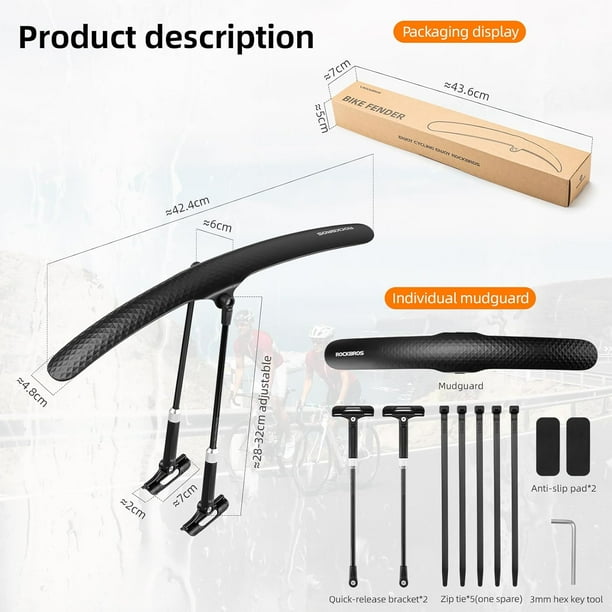
To adjust bike fenders, a few tools are essential. You will need a screwdriverfor loosening screws. An adjustable wrenchhelps in tightening bolts. Make sure to have pliersfor bending metal parts. A measuring tapeis useful for precise adjustments.
For materials, get rubber washersto prevent vibrations. These washers help reduce noise. Spare screwsmight be necessary for replacements. Keep a clean clothhandy for wiping dirt off. Gather everything before starting the task.
Preparation Steps
First, gather all your cleaning tools. Use a soft cloth and a bucket of soapy water. Start by wiping down the bike frame. Remove dirt and grime from every corner. Focus on the tires and chain area. Make sure everything is clean and shiny.
Check the fenders for any cracks or bends. Look closely at the mounting points. Ensure all screws are tight and secure. Adjust anything that seems loose. Examine the fender edges for sharp areas. Smooth them out if needed. Keep the fenders in good shape. This helps in riding safely.
Adjusting Front Fenders
Adjusting bike fenders ensures they don’t rub against tires. Loosen the bolts and reposition the fenders carefully. Tighten the bolts while checking alignment to prevent noise during rides.
Positioning The Fender
Make sure the fender is centered over the tire. Check that it covers the tire evenly. It should not touch the tire or frame. Leave a small gap for tire movement. This prevents rubbing and noise.
Securing The Attachments
Tighten all screws and bolts securely. Use a wrench to make them tight. Check each attachment point. Ensure nothing is loose or shaky. Look for any missing screws or bolts. Replace them if needed. A secure fender stays in place while riding. This ensures safety and comfort.
Adjusting Rear Fenders
How to Adjust Bike Fenders Align the rear fender with the wheel for proper coverage. Loosen bolts, adjust position, and tighten securely. Check clearance to prevent tire rub.
Aligning With The Tire
Make sure the fender sits close to the tire. Keep the fender centered. Check both sides for equal space. Use your hands to adjust it. It should not touch the tire. You might need to loosen screws first. Tighten screws after aligning. This keeps the fender steady.
Ensuring Stability
Check for any loose parts. Wiggle the fender gently to see if it moves. If it moves, tighten the screws more. Use a screwdriver or wrench. Look for brackets holding the fender. Make sure they are tight. The fender should not shake when you ride. This helps avoid noise and damage. If needed, ask an adult for help.
Fine-tuning The Fit
Ensure the fenders are not too close to the tires. Leave enough space so they don’t touch. Use a ruler to check this space. Adjust the fender stays if needed. Make sure they are even on both sides. Tighten all the bolts securely. This prevents the fender from moving while riding.
Gently shake the fenders to check for any noises. Listen closely for any rattling sounds. If rattles occur, find the loose parts. Tighten the bolts around the fenders. Check the fender stays for secure attachment. Ensure all parts are snug and properly aligned. This helps keep your ride smooth and quiet.
Common Mistakes To Avoid
Proper alignment ensures fenders protect effectively. Avoid over-tightening screws to prevent damage. Check for tire clearance to avoid rubbing.
Loose Bolts
Loose bolts can make fenders wobble. Always check the bolts. Tighten them if they feel loose. Secure bolts keep fenders in place.
Wrong Fender Size
Fenders must fit your bike. Wrong size causes poor performance. Check your bike’s wheel size before buying. Choose the right fender to avoid problems.
Improper Alignment
Fenders need proper alignment. Misaligned fenders rub the tires. Adjust them to sit evenly. Ensure the gap is consistent for smooth riding.
Ignoring Clearance
Always check the clearance. Fenders should not touch tires. Ensure enough space to avoid friction. Proper clearance prevents tire damage.
Skipping Maintenance
Regular maintenance is crucial. Clean fenders to remove dirt. Check for damages often. Well-maintained fenders last longer.

Credit: www.youtube.com
Maintenance Tips
Adjusting bike fenders ensures they don’t rub against tires. Begin by loosening the bolts holding the fenders. Align them with the tire curvature, ensuring proper clearance. Tighten the bolts securely, and check for any wobbling or noise during a test ride.
Regular Inspections
Check your bike fenders often for any damage. Look for cracks or bends. Ensure the screws are tight. Loose screws can cause fenders to fall off. Adjusting them might require a screwdriver or wrench. Tighten the screws gently to avoid damage. If a fender is bent, use your hands to straighten it. Be careful not to use too much force. Regular checks keep fenders working well.
Cleaning Tips
Keep your bike fenders clean to avoid rust. Use a soft cloth with water. Wipe the fenders gently. You can use mild soap if needed. Avoid harsh chemicals as they can damage fenders. Rinse off all soap to prevent residue. Dry the fenders with a towel to stop rust. Clean fenders look nice and last longer.
Troubleshooting Issues
Adjusting bike fenders can prevent splashes and ensure a smoother ride. Begin by loosening the fender bolts. Align the fender with the tire, ensuring equal clearance on both sides. Tighten the bolts securely, keeping the fender stable. Check for any rubbing or misalignment before your ride.
Dealing With Vibration
Vibration can make your ride uncomfortable. Check if fender bolts are tight. Loose bolts cause unwanted shaking. Inspect brackets for damage or wear. Bent brackets need replacement. Use rubber washers to reduce vibration. They provide a cushion effect. Maintain regular checks on your fenders.
Fixing Alignment Problems
Misaligned fenders may rub against tires. Check the fender angle. It should be parallel to the tire. Adjust by loosening bolts slightly. Push or pull the fender into place. Tighten bolts to secure. Make sure the fender stays are evenly balanced. Uneven stays lead to misalignment. Regular adjustments keep fenders aligned.
Credit: www.leoalmanac.org
Frequently Asked Questions
How To Set Up Bike Fenders?
Attach the fender brackets to your bike frame using screws. Align the fenders with your tires. Adjust the position to ensure clearance. Secure all bolts tightly. Test for stability by gently shaking the fenders. Ensure no interference with tires or brakes.
Enjoy a smoother, cleaner ride.
How To Extend Bike Fenders?
Extend bike fenders using flexible material like rubber or plastic. Attach securely with zip ties or screws. Customize length according to need for better coverage. Ensure proper alignment for effective protection against dirt and water. Regularly check for wear and tear, replacing extensions as necessary for optimal performance.
How To Adjust Bike Brake Arms?
Align brake arms by loosening their bolts. Adjust so they’re symmetrical and re-tighten. Ensure pads contact rim evenly. Test by squeezing the brake lever. Adjust tension if needed for optimal performance. Regularly check for wear and tear. Proper alignment ensures safety and effective braking.
How To Adjust A Bike For Your Height?
Adjust the seat height to allow a slight knee bend when pedaling. Ensure handlebars are level with the seat. Check saddle position; it should be comfortable for your reach. Test your adjustments by riding. Adjust if necessary for comfort and control.
Conclusion
Adjusting bike fenders can be simple and rewarding. Properly adjusted fenders keep you dry and clean on wet roads. Start by loosening the bolts and aligning them evenly. Ensure they cover your tires well. Tighten the bolts securely. Check for any rubbing or noise.
Make sure everything feels sturdy. Regular checks ensure optimal performance. This keeps your ride smooth and hassle-free. Happy cycling with your perfectly adjusted fenders! Enjoy the journey without the splash. Keep your bike in top shape and ride with confidence.
Safe travels on your next biking adventure!



