
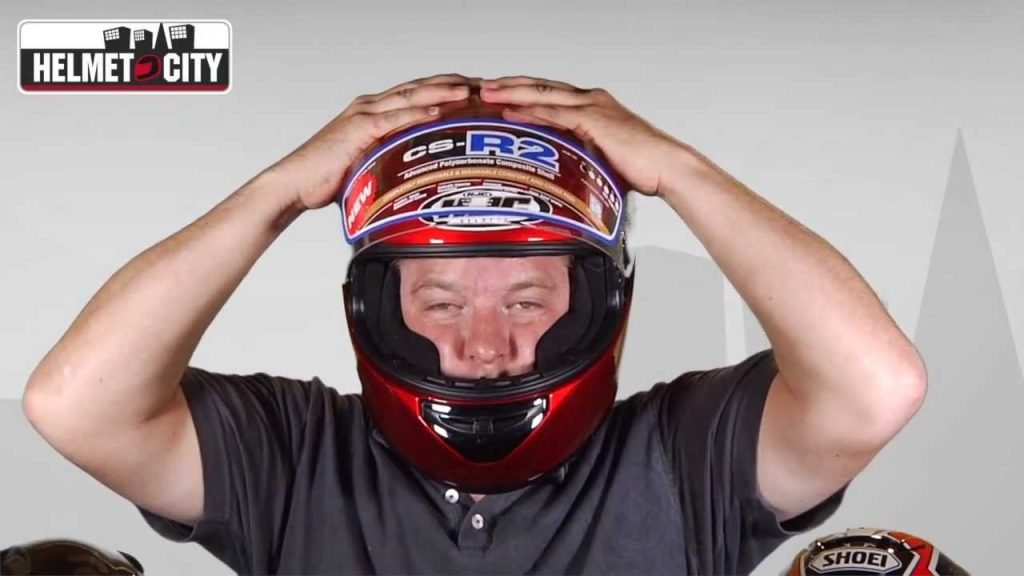
When it comes to safety, wearing the right helmet is crucial. But knowing how tight a helmet should fit can be confusing.
You want to ensure maximum protection without sacrificing comfort. Imagine riding your bike or skiing down a slope, feeling both secure and comfortable, knowing your helmet is doing its job perfectly. The right fit not only keeps you safe but also enhances your experience.
You’ll discover the secrets to achieving that perfect fit. You’ll learn how to strike the right balance between snugness and comfort, so you can enjoy your activities with peace of mind. Stay with us, and you’ll never second-guess your helmet fit again.

Credit: www.reddit.com
Importance Of Helmet Fit
A helmet that fits properly keeps you safe. It should not move around. A loose helmet can come off in an accident. A tight helmet can be painful. Your helmet must fit just right. This ensures maximum protection. Always check the fit before riding. Safety comes first!
Comfort is crucial for a good ride. A helmet that fits well feels good. It should not press hard on your head. You should wear it for hours without discomfort. Performance improves with comfort. You can focus better on the road. A well-fitted helmet helps you ride better and safer.

Credit: www.reddit.com
Measuring Head Size
Use a soft measuring tape. A ruler or string can also work. Wrap it around your head. Place it above your eyebrows and ears. Make sure it’s snug but not too tight.
- Stand in front of a mirror.
- Wrap the tape around your head.
- Keep it level all the way around.
- Read the number where the tape meets.
- Record the measurement in centimeters or inches.
Choosing The Right Helmet Size
Helmet size charts help find the right fit. Measure the head size. Use a tape measure around the forehead. Check the size chart for the helmet brand. Compare measurements. Choose the closest size. Guidelines tell you how tight a helmet should be. It should fit snugly, not too tight. It shouldn’t wobble or move. You should feel comfortable wearing it.
Helmets have adjustable features. These help with fitting. Straps are important. They should be easy to adjust. Some helmets have rotating dials. These help in making the helmet snug. Padding inside can be changed or moved. Adjust to suit your head shape. Remember, a good fit is key for safety.
Signs Of A Proper Fit
Pressure Points and Comfort:Helmets should not pinch or rub. If you feel a tight spot, adjust the helmet. Comfort is key. The helmet should rest evenly. No pushing or pressing in one area. If it’s too tight, it causes discomfort. If too loose, it won’t protect well. Check the straps. They should be snug. Not too tight, just firm. Feel balanced pressure all around. Your head should feel secure, but not squashed.
Movement and Stability:A helmet should stay put. It shouldn’t slide or move around. Try shaking your head. If the helmet shifts, it’s too loose. Adjust the straps. Make sure they hold the helmet steady. The helmet should fit snugly. Not wobbling or moving. Stability is important for safety. A stable helmet protects better. If it moves, it can’t do its job. So, adjust until stable.
Common Fit Mistakes
Helmets that are too loosecan be very dangerous. They might slip off during a fall. A loose helmet often moves when you shake your head. This can block your vision. Adjust the straps to make it snug. The helmet should not move side to side. Make sure it sits level on your head. It should cover your forehead. Check if you can fit two fingers under the chin strap. If you can, it’s too loose. A snug helmet is safer for you.
An overly tighthelmet can cause discomfort. You might feel pressure on your forehead. This can lead to headaches. It should not leave marks on your skin. When you wear it, you should feel comfortable. You should not feel squeezed. A tight helmet can distract you. Always adjust it until it feels just right. The right fit keeps you safe and comfy.
Tips For Helmet Fitting
Always try the helmet before buying. It should fit snugly on your head. No gaps between your head and the helmet. Check if it stays in place when you move. Shake your head from side to side. The helmet should not shift. If it does, it’s too loose.
Wear it for a few minutes. Comfort is key. If it feels uncomfortable, try another one. The right helmet will not press too hard on any spot.
Helmets can change over time. Check your helmet regularly. Ensure it fits like it did before. Tighten any loose straps. If it feels different, adjust it. Look for signs of wear and tear. If it’s damaged, replace it.
Always keep the helmet in good condition. Safety first. Remember, a well-fitted helmet protects your head.
Impact On Safety Standards
Helmets must meet safety regulationsto protect riders. These rules ensure helmets can absorb impact. They help keep heads safe in accidents. A helmet should fit snugly. No loose or wobbly helmets. A good fit means better protection. Safety comes first for all riders.
New designs make helmets safer and more comfy. Some helmets have adjustable straps. Others use soft padding for better fit. Many have ventilationto keep heads cool. These features help helmets fit snugly. Riders feel more comfortable with new designs. Safety and comfort go hand in hand.
Credit: schuttsports.com
Frequently Asked Questions
What Is The 2 2 2 Rule When Fitting A Helmet On Your Head?
The 2 2 2 rule for helmet fitting includes: 2 fingers above eyebrows, 2 fingers for strap tightness, and 2 fingers for strap positioning under the chin. Ensure a snug fit for safety.
Is It Good To Wear A Tight Helmet?
Wearing a tight helmet is not recommended. It should fit snugly but comfortably to ensure safety and prevent discomfort. A proper fit helps protect your head during impacts. Always choose a helmet that meets safety standards and adjust straps for a secure fit.
Remember, comfort and protection are key.
Is It Better For A Helmet To Be Too Small Or Too Big?
A helmet should fit snugly, not too small or too big. Proper fit ensures safety and comfort. An oversized helmet can shift, reducing protection. A tight helmet can cause discomfort and headaches. Always measure your head and consult sizing charts for the best fit.
Safety depends on fit.
Should A Motorcycle Helmet Be Able To Wiggle?
A motorcycle helmet should fit snugly without wiggling. A loose helmet can compromise safety during a crash. Ensure it fits properly, with no movement when shaking your head. Always choose a helmet that meets safety standards and provides a secure fit for maximum protection.
Conclusion
Finding the perfect helmet fit ensures your safety on the road. A helmet should sit snugly without causing discomfort. It shouldn’t move when you shake your head. Remember, comfort is as important as protection. Check the fit regularly as helmets can loosen over time.
Always prioritize a proper fit over style. Your head’s protection is worth it. Trying different sizes can help you find the right one. Don’t rush the process. A well-fitted helmet boosts confidence and safety. Choose wisely for peace of mind while riding.
Stay safe, enjoy the ride.



