
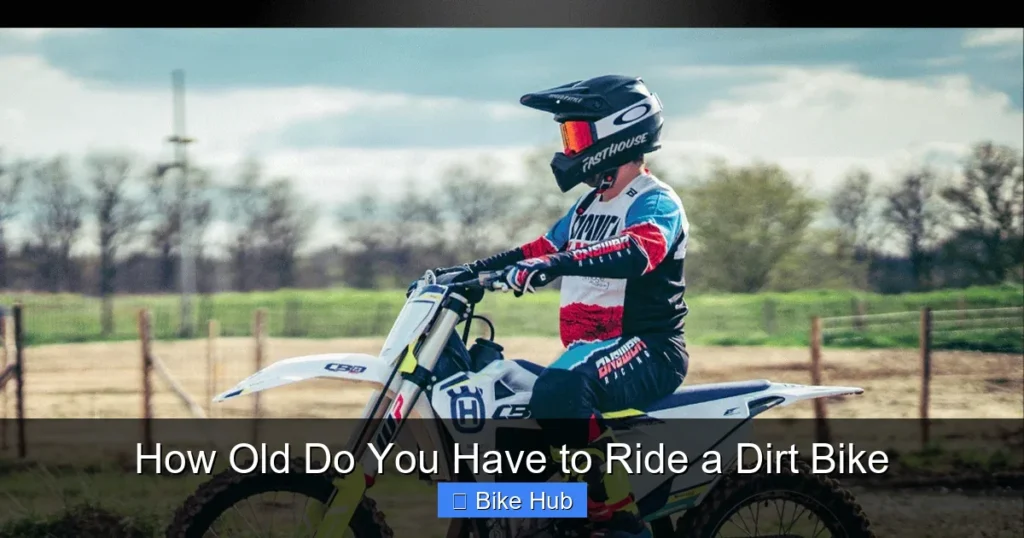
This guide explains the minimum age requirements for riding a dirt bike, covering legal rules, safety gear, and skill development. Whether you’re a parent or a new rider, you’ll learn how to start safely and responsibly.
Key Takeaways
- Minimum age varies by location: Most states and countries set dirt bike riding ages between 6 and 16, depending on engine size and supervision.
- Supervision is essential for young riders: Children under 12 should always ride under adult supervision, especially on public trails or tracks.
- Proper safety gear is non-negotiable: Helmets, gloves, boots, and protective clothing are required to prevent injuries.
- Start with the right bike size: Choose a dirt bike that matches the rider’s height, weight, and skill level—smaller engines for beginners.
- Training and practice matter: Enroll in a certified dirt bike safety course to build confidence and control.
- Legal rules differ for public roads vs. private land: Most dirt bikes aren’t street-legal; check local laws before riding off-road.
- Age isn’t the only factor: Physical ability, maturity, and responsibility play big roles in safe riding.
How Old Do You Have to Ride a Dirt Bike? A Complete Guide
If you’re wondering, “How old do you have to ride a dirt bike?” you’re not alone. Dirt biking is an exciting, adrenaline-filled sport that attracts riders of all ages—from curious kids to seasoned adults. But before you or your child hit the trails, it’s important to understand the age requirements, safety guidelines, and training needed to ride responsibly.
This guide will walk you through everything you need to know about dirt bike age limits, from legal rules to practical tips for beginners. Whether you’re a parent looking to introduce your child to off-road riding or an adult starting late, this guide will help you make smart, safe decisions.
Understanding Age Requirements for Dirt Biking
Visual guide about How Old Do You Have to Ride a Dirt Bike
Image source: bikeforgeeks.com
There’s no single answer to “how old do you have to ride a dirt bike” because rules vary by location, bike type, and riding environment. However, most experts and regulations agree on a few general guidelines.
In the United States, for example, the American Motorcyclist Association (AMA) recommends that children as young as 6 can begin riding small, low-powered dirt bikes—typically under 50cc—under strict adult supervision. These mini bikes are designed for kids and help build balance, coordination, and confidence.
As riders grow older and more skilled, they can move up to larger bikes with bigger engines. Most states allow teens aged 14 to 16 to ride more powerful dirt bikes, especially if they’ve completed a safety course. However, riding on public roads is usually prohibited for dirt bikes, regardless of age, unless the bike is street-legal and registered.
Age Recommendations by Bike Size
Choosing the right bike for the rider’s age and size is crucial. Here’s a general breakdown:
- Ages 4–7: 49cc or smaller bikes (electric or gas). Ideal for flat, open areas with no traffic.
- Ages 8–11: 50cc to 110cc bikes. These offer more power but are still manageable for younger riders.
- Ages 12–15: 125cc to 250cc bikes. Suitable for teens with some experience and supervision.
- Ages 16 and up: 250cc and above. Full-sized bikes for experienced riders. Some states allow licensed teens to ride on public trails.
Always check your local Department of Motor Vehicles (DMV) or off-road vehicle authority for specific laws. For instance, California requires riders under 18 to complete a dirt bike safety course and wear a helmet at all times.
Safety First: Gear and Supervision

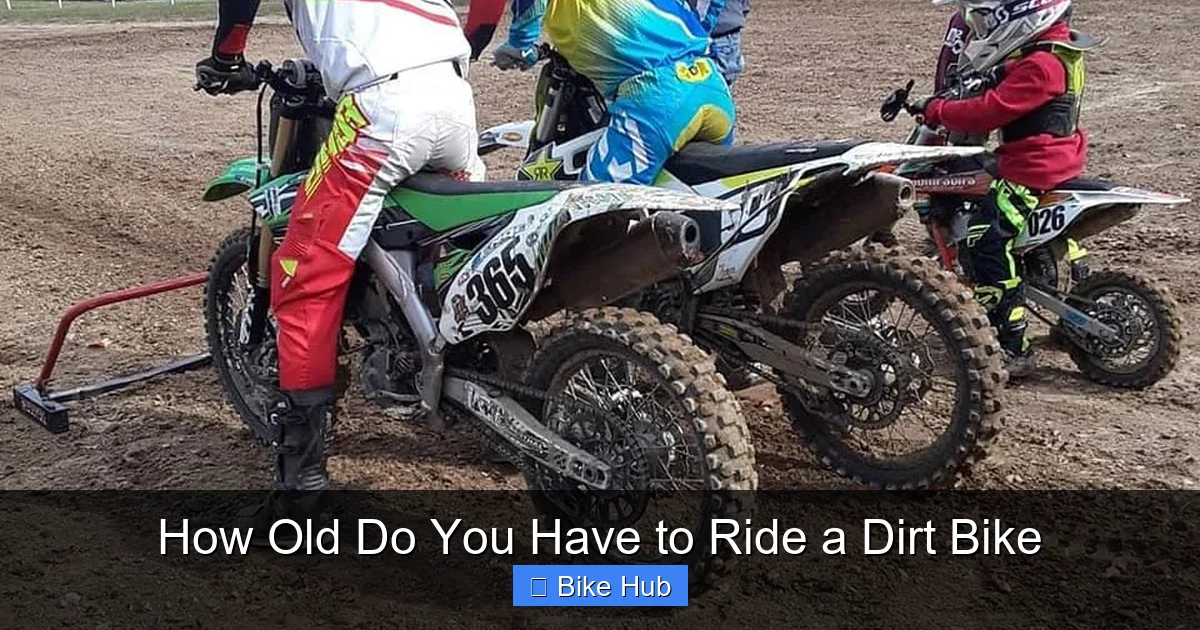
Visual guide about How Old Do You Have to Ride a Dirt Bike
Image source: riiroo.com
No matter the age, safety should always come first. Dirt biking can be dangerous without the right precautions.
Essential Safety Gear
Every rider—regardless of age—must wear proper protective equipment:
- Helmet: A DOT-approved full-face helmet is mandatory. It protects against head injuries, which are the leading cause of serious harm in crashes. Learn how to properly fit a bike helmet to ensure maximum protection.
- Goggles: Keep dirt, debris, and insects out of the eyes.
- Gloves: Improve grip and protect hands from blisters and impacts.
- Boots: Sturdy, over-the-ankle boots prevent foot and ankle injuries.
- Chest protector and knee pads: Especially important for younger or less experienced riders.
Supervision and Training
Children under 12 should never ride alone. An adult should always be present to monitor speed, terrain, and behavior. Consider enrolling young riders in a certified training program. These courses teach basic controls, braking, turning, and emergency stops in a safe environment.
For example, the how to teach kids to ride a BMX bike guide offers useful techniques that also apply to dirt biking—like starting on flat ground and using gradual progression.
Choosing the Right Dirt Bike for Your Age
Picking the wrong bike can lead to frustration or accidents. A bike that’s too big or too powerful can be hard to control, especially for beginners.
Match the Bike to the Rider
Consider these factors when choosing a dirt bike:
- Height and weight: The rider should be able to touch both feet flat on the ground when seated.
- Engine size: Start small. A 50cc bike is perfect for most 6-year-olds. Avoid jumping to a 250cc bike too soon.
- Electric vs. gas: Electric dirt bikes are quieter, easier to maintain, and great for beginners. Gas bikes offer more power but require more skill.
For teens and adults, a 125cc or 250cc four-stroke bike is a solid starting point. These bikes are reliable, manageable, and widely used in beginner motocross programs.
Where to Ride
Dirt bikes are designed for off-road use. Most are not street-legal, so riding on public roads is illegal in many areas. Instead, look for:
- Private land with owner permission
- Designated off-road parks or motocross tracks
- Public trails open to off-highway vehicles (OHVs)
Always check local regulations. Some parks require permits, safety inspections, or proof of training.
Legal Considerations and Licensing
Even if you’re old enough to ride, you may still need to follow legal rules.
Do You Need a License?
In most cases, you don’t need a motorcycle license to ride a dirt bike on private property. However, if you plan to ride on public trails or roads, requirements vary:
- Under 16: Often need a learner’s permit or special OHV license.
- 16 and older: May need a standard motorcycle endorsement, especially for street-legal dirt bikes.
Some states, like Texas and Florida, require all off-road riders to complete a safety course and carry an OHV safety certificate.
Registration and Insurance
While dirt bikes don’t need to be registered for private land use, many public trails require registration stickers. Insurance is rarely mandatory but highly recommended—especially if riding in organized events or on shared land.
Training and Skill Development
Age is just one factor. Skill, confidence, and experience matter just as much.
Start Slow and Build Confidence
Begin in a safe, open area like a backyard or empty field. Practice basic skills:
- Starting and stopping
- Balancing at low speeds
- Turning and leaning
- Using the clutch and throttle smoothly
Avoid hills, jumps, or rough terrain until the rider is fully comfortable.
Take a Safety Course
Look for local dirt bike schools or AMA-approved training programs. These courses cover:
- Machine familiarization
- Rider safety and etiquette
- Emergency maneuvers
- Trail rules and environmental responsibility
Even experienced riders can benefit from refresher courses. For example, learning how to 360 spin on a dirt jump bike requires advanced control and should only be attempted after mastering basics.
Troubleshooting Common Issues
Even with the best preparation, problems can arise.
Bike Won’t Start
Check the fuel, spark plug, and battery (for electric models). Make sure the kill switch is off and the choke is set correctly for cold starts.
Loss of Control
This often happens when riders panic or grip the handlebars too tightly. Practice relaxed steering and gradual braking. If the bike feels unstable, stop and reassess the terrain or bike fit.
Overheating or Strange Noises
Turn off the bike immediately. Let it cool and check for loose parts, low oil, or debris in the engine. Regular maintenance prevents most mechanical issues.
For help with upkeep, see our guide on how to maintain a road bike—many principles apply to dirt bikes too.
Conclusion
So, how old do you have to ride a dirt bike? The short answer: it depends. Most kids can start as young as 6 on small, supervised bikes, while teens and adults can ride larger models with proper training and gear. The key is to prioritize safety, choose the right equipment, and follow local laws.
Remember, age is just one part of the equation. Physical ability, maturity, and responsibility are equally important. With the right approach, dirt biking can be a fun, rewarding activity for riders of all ages.
Start slow, stay safe, and enjoy the ride.



