
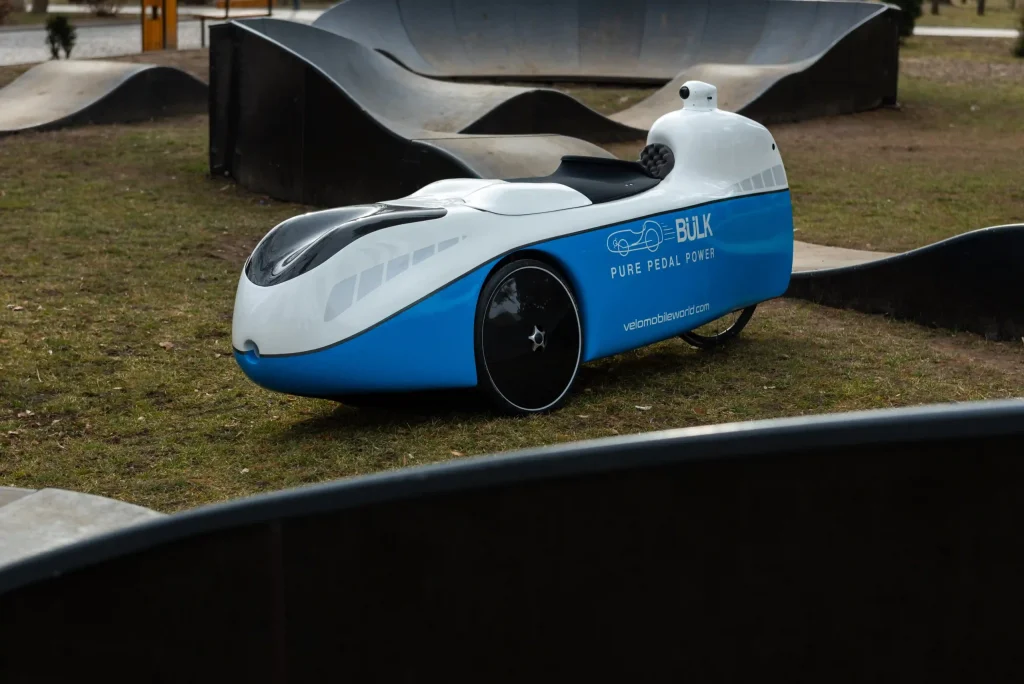
Have you ever wondered how much energy you could save by riding a velomobile instead of a regular bike or car? Imagine cutting down your effort and still moving faster, all while helping the environment.
This isn’t just a dream—it’s what velomobiles offer. You’ll discover exactly how much energy a velomobile can save you on every ride. Keep reading, and you might find yourself rethinking your daily commute and your impact on the planet.
Energy Efficiency Of Velomobiles
Velomobiles are human-powered vehicles with a streamlined shape. They save energy by reducing effort needed to move.
This article explains how velomobiles save energy. It looks at their design and how it affects energy use.
Aerodynamics And Drag Reduction
Velomobiles have a smooth, enclosed body. This shape cuts air resistance or drag. Less drag means less energy is needed to pedal.
Good aerodynamics lets riders go faster with the same effort. It also helps keep steady speeds on flat roads.
- Streamlined shapes lower drag force
- Enclosed wheels reduce wind resistance
- Smaller frontal area means less air pushed
Weight And Rolling Resistance
Velomobiles weigh more than regular bikes due to their shells. Extra weight can raise energy use on hills.
Rolling resistance depends on tires and surface. Velomobile tires are often wider but designed for low resistance.
- Heavier weight needs more energy uphill
- Low rolling resistance tires help save energy
- Rigid frames reduce energy lost in flex
Comparison With Traditional Bicycles
Traditional bikes have more drag because they are open. Riders face wind directly, using more energy.
On flat roads, velomobiles can use 2 to 5 times less energy than normal bikes at the same speed.
| Vehicle | Energy Use |
|---|---|
| Velomobile | Low (due to aerodynamics) |
| Traditional Bicycle | Higher (due to drag) |
Impact Of Design On Energy Use
Design choices affect how much energy a velomobile saves. Shape, weight, and materials matter a lot.
Better design means less effort for the rider. Small changes can improve energy efficiency by large amounts.
- Using lightweight materials reduces weight
- Optimizing shape cuts drag further
- Good tire choice lowers rolling resistance
Factors Influencing Energy Savings
Energy savings in a velomobile depend on several important factors. Each factor affects how much effort a rider puts in and how much energy the vehicle uses.
Understanding these factors helps riders get the most benefit from their velomobiles. The main points include terrain, rider comfort, weather, and maintenance.
Terrain And Route Selection
Choosing the right terrain and route is key to saving energy. Flat and smooth roads require less effort than hilly or rough paths. Avoiding stop-and-go traffic also helps keep energy use low.
- Flat roads reduce pedal resistance
- Smoother surfaces lower rolling friction
- Shorter routes save time and energy
- Less traffic means steady speed
Rider Position And Comfort
The position of the rider inside the velomobile affects how much energy is needed. A comfortable and aerodynamic posture lowers wind resistance and muscle strain.
| Factor | Effect on Energy Use |
| Seating posture | Better posture reduces drag |
| Cushioning | Comfort reduces fatigue |
| Handlebar height | Proper height improves control |
Weather Conditions And Their Effects
Weather can increase or decrease energy savings. Wind resistance grows with strong headwinds. Rain and cold can make riding harder. Dry and mild weather helps save energy.
- Headwinds raise energy needed
- Rain makes roads slippery and slow
- Cold weather can stiffen muscles
- Warm, dry days are best for efficiency
Maintenance And Mechanical Efficiency
Keeping the velomobile well-maintained saves energy. Clean and oiled chains, proper tire pressure, and smooth bearings reduce friction and effort.
| Maintenance Task | Benefit |
|---|---|
| Lubricate chain regularly | Lower drivetrain resistance |
| Maintain tire pressure | Reduce rolling resistance |
| Check wheel bearings | Ensure smooth movement |
| Clean body and parts | Prevent drag and wear |
Measuring Energy Consumption
Understanding how much energy a velomobile saves requires careful measurement. This helps compare its efficiency with other vehicles. Measuring energy consumption shows the real benefits of using a velomobile.
Different methods and tools help gather accurate data. These methods also help calculate power used and saved during travel. Testing can be done in labs or on real roads.
Tools And Techniques For Data Collection
Data collection starts with choosing the right tools. Common tools include power meters, speed sensors, and GPS devices. These tools track how much energy the velomobile uses over time.
- Power meters measure the rider’s pedaling effort.
- Speed sensors record the velocity of the velomobile.
- GPS devices track distance and route details.
- Heart rate monitors estimate rider effort indirectly.
- Data loggers store all collected information for analysis.
Calculating Power Output And Input
Power output is the energy the rider produces by pedaling. Power input is the total energy needed to move the velomobile forward. Comparing these values shows how much energy the velomobile saves.
| Measurement | Purpose | Unit |
|---|---|---|
| Power Output | Energy from rider’s pedaling | Watts (W) |
| Power Input | Total energy to move vehicle | Watts (W) |
| Energy Consumption | Energy used per distance | Watt-hours per kilometer (Wh/km) |
Real-world Testing Vs Laboratory Results
Laboratory tests control conditions for precise data. Real-world tests show actual use on roads and hills. Both types are important for accurate energy savings estimates.
- Laboratory tests use treadmills or wind tunnels.
- Real-world tests include varied terrain and weather.
- Laboratory results may be ideal and not match real use.
- Real-world tests show practical energy savings better.
- Combining both methods gives the best overall picture.

Credit: www.velomobileworld.com
Maximizing Velomobile Efficiency
Velomobiles save energy by cutting wind resistance and using light frames. Riding efficiently helps save even more energy.
Small changes in riding style, upgrades, and training improve your velomobile’s performance. These tips help you get the most from your ride.
Optimal Riding Techniques
Keep a steady speed to use less energy. Sudden stops and starts use more power. Smooth pedaling saves effort and keeps your speed steady.
Use the right gear to keep your legs moving comfortably. Avoid pushing too hard or pedaling too fast. Find a balance that feels easy.
- Maintain steady speed
- Pedal smoothly
- Choose gears for comfort
- Keep a low, aerodynamic posture
Upgrades And Modifications
Improving your velomobile parts can reduce energy use. Lighter wheels and better tires lower rolling resistance. Aerodynamic covers cut wind drag.
Regular maintenance keeps everything running smoothly. Well-lubricated chains and clean parts reduce effort. Simple upgrades make big differences.
- Use lightweight wheels
- Choose low-resistance tires
- Add aerodynamic fairings
- Keep the bike clean and lubricated
Training And Conditioning For Riders
Strong muscles help you pedal longer with less effort. Regular exercise builds endurance and power. Stretching improves flexibility and comfort.
Practice riding in different weather and terrain. This prepares you for real conditions. Good fitness lowers the energy you use on each ride.
- Train regularly to build strength
- Include stretching in your routine
- Practice on hills and in wind
- Focus on endurance exercises
Environmental And Economic Benefits
Velomobiles are human-powered vehicles covered with a shell. They use less energy than cars and motorcycles. This means they help save the environment and money.
Understanding how much energy a velomobile saves shows its true value. It helps people see the benefits for the planet and their wallets.
Reduced Carbon Footprint
Velomobiles produce almost no carbon emissions. They run mainly on human power, not fuel. This lowers greenhouse gases and pollution.
- Use no gasoline or diesel
- Create fewer air pollutants
- Reduce noise pollution compared to motor vehicles
- Help improve urban air quality
Cost Savings Over Time
Velomobiles cost less to run than cars. They need little maintenance and no fuel. This saves money on gas, repairs, and insurance.
| Expense | Car | Velomobile |
| Fuel | $1,200 per year | $0 |
| Maintenance | $600 per year | $150 per year |
| Insurance | $800 per year | $100 per year |
| Total Annual Cost | $2,600 | $250 |
Contribution To Sustainable Transport
Velomobiles support cleaner transport systems. They use less space and energy. Cities can reduce traffic and pollution by encouraging their use.
- Lower demand for parking spaces
- Reduce traffic congestion
- Promote healthy living through exercise
- Complement public transit options

Credit: www.velomobileworld.com

Credit: newatlas.com
Frequently Asked Questions
How Much Energy Does A Velomobile Save Compared To A Bike?
A velomobile saves about 30-50% more energy than a traditional bike. Its aerodynamic design reduces wind resistance, requiring less effort to pedal.
Why Are Velomobiles More Energy-efficient Than Regular Bicycles?
Velomobiles have streamlined shapes that cut air drag significantly. This design lowers the energy needed to maintain the same speed on flat terrain.
Can Velomobiles Reduce Energy Usage On Long Trips?
Yes, velomobiles greatly reduce energy use on long rides. Their enclosed design helps maintain higher speeds with less physical exertion.
How Does Weather Affect Velomobile Energy Savings?
Velomobiles protect riders from wind and rain, improving efficiency. This shelter reduces energy loss caused by adverse weather, saving more effort.
Conclusion
Exploring velomobiles highlights significant energy savings. Pedal power reduces fuel dependency. Lower energy use means fewer emissions and cleaner air. Velomobiles offer a sustainable transport option. They combine efficiency with environmental benefits. Riding one can improve health and fitness. It’s a smart choice for eco-conscious commuters.
By choosing velomobiles, we contribute to a greener future. They prove that sustainable travel is possible. Embrace the change for a healthier planet. Every ride makes a difference. Together, small steps lead to big impacts. Choose velomobiles for a sustainable lifestyle today.



