
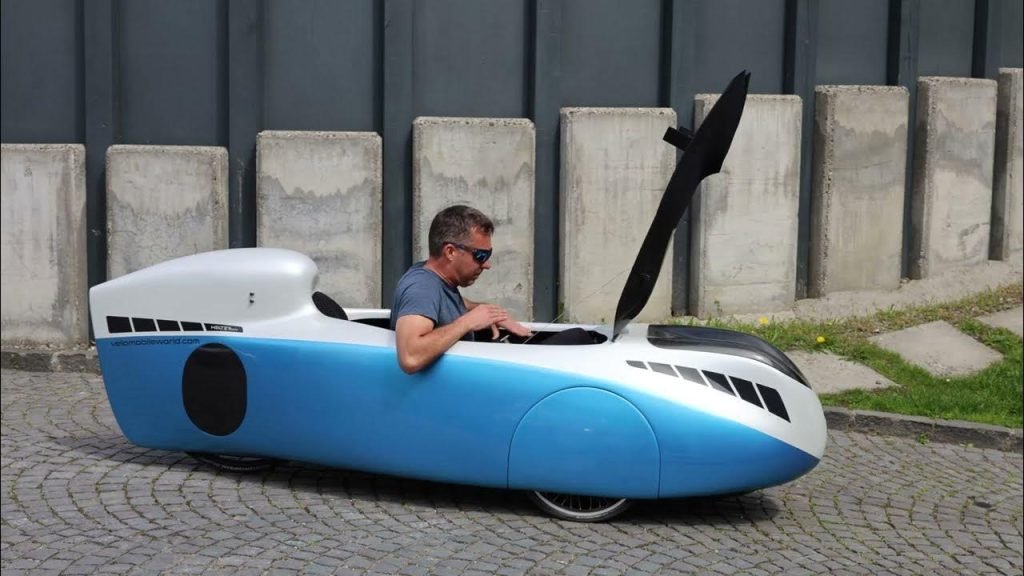
Have you ever wondered how heavy a velomobile really is? If you’re thinking about getting one or just curious about these sleek, enclosed bikes, knowing their weight is key.
It affects how fast you can go, how easy it is to handle, and even how much effort you need to pedal. You’ll discover exactly what makes velomobiles weigh what they do and how that weight impacts your ride. Keep reading, because understanding this could change the way you think about your next cycling adventure.
Velomobile Basics
A velomobile is a human-powered vehicle with a full body shell. It combines the speed of a bicycle with the weather protection of a car. Many people use velomobiles for commuting and long rides.
Knowing what makes up a velomobile helps understand its weight and performance. The materials and design affect how heavy it feels on the road.
What Is A Velomobile
A velomobile looks like a small, enclosed bike. It has three or four wheels and a shell that covers the rider. This shell helps with aerodynamics and protects from rain and wind.
Velomobiles are different from regular bicycles. The extra body and wheels add weight but improve comfort and speed on flat roads.
Common Materials Used
Velomobiles use different materials to balance strength, weight, and cost. The main parts are the frame and the body shell.
- Aluminum:Lightweight and strong, often used for frames.
- Steel:Heavier but very durable, sometimes used in cheaper models.
- Fiberglass:Common for shells, offers good strength and smooth finish.
- Carbon Fiber:Very light and strong, used in high-end velomobiles.
- Plastic Composites:Affordable and flexible, used in some shells.
| Material | Typical Use | Weight |
| Aluminum | Frame | Light |
| Steel | Frame | Heavy |
| Fiberglass | Shell | Moderate |
| Carbon Fiber | Shell | Very Light |
| Plastic Composites | Shell | Light |

Credit: www.velomobileworld.com
Weight Factors
The weight of a velomobile depends on many factors. These factors affect how easy it is to ride and carry.
Understanding what adds weight helps riders choose the best velomobile for their needs.
Frame And Body Materials
The materials used for the frame and body change the total weight a lot. Strong materials can be heavier or lighter.
Common materials include aluminum, steel, carbon fiber, and fiberglass. Each has good and bad points about weight.
- Aluminum is light and strong but can be costly.
- Steel is heavy but very durable and cheap.
- Carbon fiber is very light and strong but expensive.
- Fiberglass is light and affordable but less strong than carbon fiber.
Additional Components
Extra parts also add weight to a velomobile. These parts can be for safety, comfort, or performance.
Examples include lights, mirrors, brakes, and seats. Each part can increase the total weight by a few pounds.
- Strong brakes add safety but increase weight.
- Comfortable seats may be heavier than basic ones.
- Extra lights and mirrors add weight for safety.
- Battery packs for electric assist add significant weight.
Design Variations
The shape and size of a velomobile affect weight. Some designs use more material than others.
Streamlined designs often use less material, but larger models need more weight to cover the rider fully.
- Fully enclosed velomobiles weigh more than open designs.
- Smaller velomobiles use less material and weigh less.
- Extra features like doors and windows add weight.
- Some designs balance weight and aerodynamics for better speed.
Typical Velomobile Weights
Velomobiles are enclosed bicycles designed for speed and comfort. Their weight varies based on design and materials. Knowing typical weights helps riders choose the right model.
Weight affects speed, handling, and effort needed to ride. Lighter velomobiles are easier to pedal uphill. Heavier models may offer more durability and space.
Lightweight Models
Lightweight velomobiles usually weigh between 20 and 30 kilograms (44 to 66 pounds). They use thin materials like carbon fiber or fiberglass to reduce weight.
These models are best for racing and fast riding. They offer good speed and easy handling but less storage and protection.
- Weight range: 20–30 kg (44–66 lbs)
- Materials: carbon fiber, fiberglass
- Designed for speed and agility
Standard Models
Standard velomobiles weigh between 30 and 40 kilograms (66 to 88 pounds). They balance weight, comfort, and durability well.
These models use stronger materials and often include storage space. They suit everyday riders who want a mix of speed and practicality.
- Weight range: 30–40 kg (66–88 lbs)
- Materials: fiberglass, lightweight composites
- Good balance of comfort and speed
Heavy-duty Models
Heavy-duty velomobiles weigh over 40 kilograms (88 pounds). They use stronger frames and extra features for safety and cargo.
These models are good for long trips and carrying loads. They handle rough roads better but need more effort to pedal.
- Weight: 40+ kg (88+ lbs)
- Materials: steel frames, thick composites
- Designed for durability and cargo space

Credit: www.auntiehelen.co.uk
Comparing Velomobiles And Other Vehicles
Velomobiles are human-powered vehicles with a shell for protection and aerodynamics. Their weight differs from other common vehicles like bicycles, electric bikes, and small cars. Understanding these differences helps to know their uses and limitations.
This comparison looks at how heavy velomobiles are compared to these other types of vehicles.
Vs Bicycles
Bicycles are the lightest among these vehicles. Most standard bicycles weigh between 10 to 15 kilograms (22 to 33 pounds). Velomobiles are heavier because of their aerodynamic shells and extra parts.
A typical velomobile weighs about 40 to 50 kilograms (88 to 110 pounds). This weight is mainly due to the body made of fiberglass or carbon fiber, which adds protection and speed.
- Standard bicycle: 10-15 kg
- Velomobile: 40-50 kg
Vs Electric Bikes
Electric bikes have motors and batteries, making them heavier than regular bicycles. They usually weigh between 20 to 30 kilograms (44 to 66 pounds). Velomobiles are still heavier because of their full body design.
The extra weight in velomobiles comes from the shell and extra features, but they can protect the rider better. Electric bikes offer motor power but do not have the same aerodynamic shape.
- Electric bike: 20-30 kg
- Velomobile: 40-50 kg
Vs Small Cars
Small cars weigh much more than velomobiles. They usually weigh around 1000 to 1500 kilograms (2200 to 3300 pounds). Velomobiles are very light compared to cars because they have no engine or heavy metal body.
Even though velomobiles are heavier than bicycles, they are still easier to move and park than cars. Their light weight helps save energy while riding.
- Small car: 1000-1500 kg
- Velomobile: 40-50 kg
Impact Of Weight On Performance
The weight of a velomobile plays a key role in how it performs. It affects speed, handling, and energy use.
Understanding weight impact helps riders make better choices about their velomobile and riding style.
Speed And Efficiency
Heavier velomobiles take more effort to reach high speeds. They need more power to accelerate.
Lighter velomobiles move faster and keep speed with less energy. This improves riding efficiency.
- Less weight means quicker acceleration
- Lower weight helps maintain speed easily
- Weight affects how much effort is needed
Handling And Stability
Weight changes how a velomobile feels when turning or stopping. Heavier models tend to be more stable.
Lighter velomobiles are more agile but may feel less steady on rough roads or in strong winds.
- Heavy weight improves balance on curves
- Light weight allows quicker steering response
- Weight affects control on different surfaces
Energy Consumption
Heavier velomobiles need more energy to move, which can tire the rider faster. This affects trip length.
Lighter velomobiles use less energy, helping riders go farther with less effort and save stamina.
- More weight means higher energy use
- Less weight conserves rider’s strength
- Energy use impacts travel distance
Tips For Reducing Velomobile Weight
Velomobiles can be heavy, which makes riding harder. You can lower the weight by choosing the right materials and parts. Good care also keeps the velomobile light and fast.
Here are some tips on how to reduce the weight of your velomobile. These tips cover materials, parts, and maintenance.
Material Choices
Choosing light materials helps cut down the total weight. Carbon fiber and aluminum are strong but lighter than steel. Plastic parts can also reduce weight but may wear out faster.
- Use carbon fiber for the frame and shell
- Choose aluminum for structural parts
- Replace steel bolts with titanium bolts
- Opt for lightweight plastic covers
Component Selection
Selecting the right components can save weight without losing strength. Some parts weigh more but do not add much value for speed or comfort. Pick parts that balance lightness and durability.
| Component | Heavy Option | Light Option |
|---|---|---|
| Wheels | Steel rims and spokes | Carbon rims with titanium spokes |
| Brakes | Hydraulic disc brakes | Mechanical disc brakes |
| Seats | Full foam padding | Minimalist carbon seat |
| Drive System | Heavy chain and gears | Lightweight chain and high-end gears |
Maintenance Practices
Regular maintenance keeps parts working well and prevents adding weight from dirt or damage. Clean your velomobile often and check for worn parts. Replace or fix parts that slow you down.
- Clean the frame and components regularly
- Lubricate the chain to reduce friction
- Inspect tires for proper pressure and wear
- Replace damaged or rusted bolts and screws
- Check brakes and gears for smooth operation

Credit: www.velomobileworld.com
Frequently Asked Questions
How Much Does A Typical Velomobile Weigh?
A typical velomobile weighs between 40 to 60 kilograms (88 to 132 pounds). The weight depends on materials and design. Lightweight models use carbon fiber, while others use fiberglass or aluminum.
What Factors Affect A Velomobile’s Weight?
Materials, frame design, and additional features affect a velomobile’s weight. Carbon fiber frames are lighter than steel. Accessories like storage compartments add extra weight.
Is A Velomobile Heavier Than A Regular Bicycle?
Yes, velomobiles are heavier than regular bicycles. Their aerodynamic shells and sturdy frames add weight. However, they offer better protection and efficiency on long rides.
Can The Weight Of A Velomobile Impact Its Speed?
Yes, heavier velomobiles may have slightly reduced acceleration. However, their aerodynamic design helps maintain high speeds efficiently on flat terrain.
Conclusion
Velomobiles offer a unique blend of cycling and driving experiences. Their weight varies, affecting speed and ease of use. Lighter models provide faster rides but may lack durability. Heavier ones offer better stability and comfort. Consider your needs when choosing a velomobile.
Balance between weight and functionality matters. Remember, the right velomobile enhances your travel. Whether for commuting or leisure, choose wisely. Enjoy the ride with your perfect velomobile. Safe journeys await on your pedaled adventures.



