
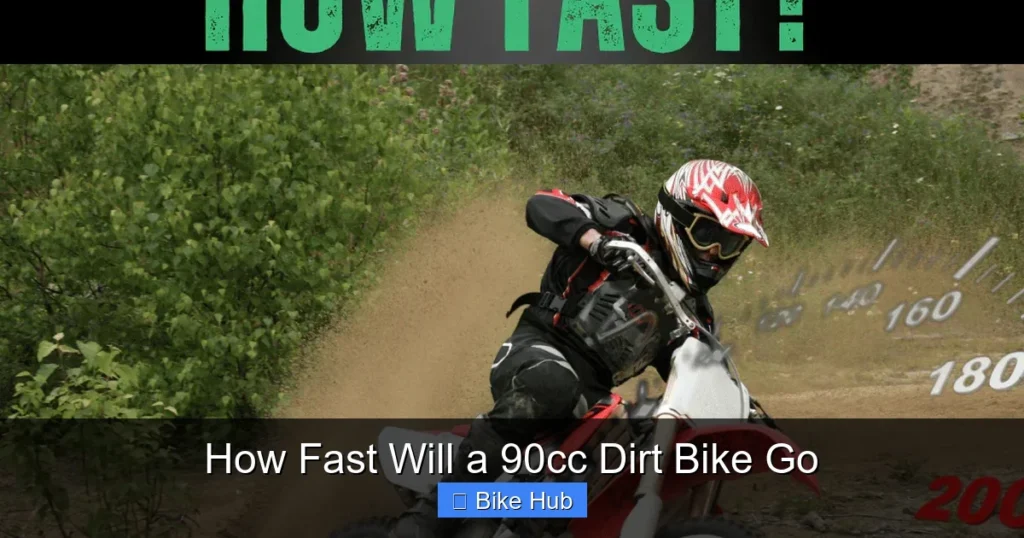
A 90cc dirt bike typically reaches speeds between 35 to 50 mph, depending on rider weight, terrain, and bike condition. This guide covers speed factors, safety tips, and how to maximize performance safely.
Key Takeaways
- Top speed range: Most 90cc dirt bikes reach 35–50 mph under ideal conditions.
- Rider weight matters: Heavier riders may experience slightly reduced top speed due to engine load.
- Terrain impacts performance: Flat, hard-packed trails allow faster speeds than muddy or hilly terrain.
- Maintenance is key: A well-tuned engine, clean air filter, and proper tire pressure boost speed and safety.
- Safety first: Always wear protective gear and ride in appropriate areas for your skill level.
- Upgrades can help: Performance exhausts or sprocket changes may increase speed—but only with proper knowledge.
- Know your bike: Different brands and models vary; consult your owner’s manual for specifics.
How Fast Will a 90cc Dirt Bike Go? A Complete Guide
If you’re new to dirt biking or shopping for a youth-sized off-road machine, you’ve probably wondered: *How fast will a 90cc dirt bike go?* The short answer? Most 90cc dirt bikes can reach speeds between **35 and 50 miles per hour (mph)**. But that number isn’t set in stone—it depends on several factors like rider weight, terrain, bike condition, and even weather.
In this guide, we’ll walk you through everything you need to know about 90cc dirt bike speed. You’ll learn what affects performance, how to safely test your bike’s limits, and tips to keep your ride running smoothly. Whether you’re a parent buying your first kid’s dirt bike or a teen eager to hit the trails, this guide has you covered.
What Determines the Top Speed of a 90cc Dirt Bike?
Not all 90cc dirt bikes are created equal. While engine displacement gives a rough idea of power, real-world speed depends on multiple variables. Let’s break them down.
1. Engine Type and Tuning
Most 90cc dirt bikes use a 4-stroke engine, which offers better fuel efficiency and smoother power delivery than 2-strokes. A properly tuned engine—clean carburetor, fresh spark plug, and correct air-fuel mixture—will perform closer to its maximum potential.
Tip: Regular maintenance is crucial. A clogged air filter or dirty carburetor can reduce power and top speed by 10% or more.
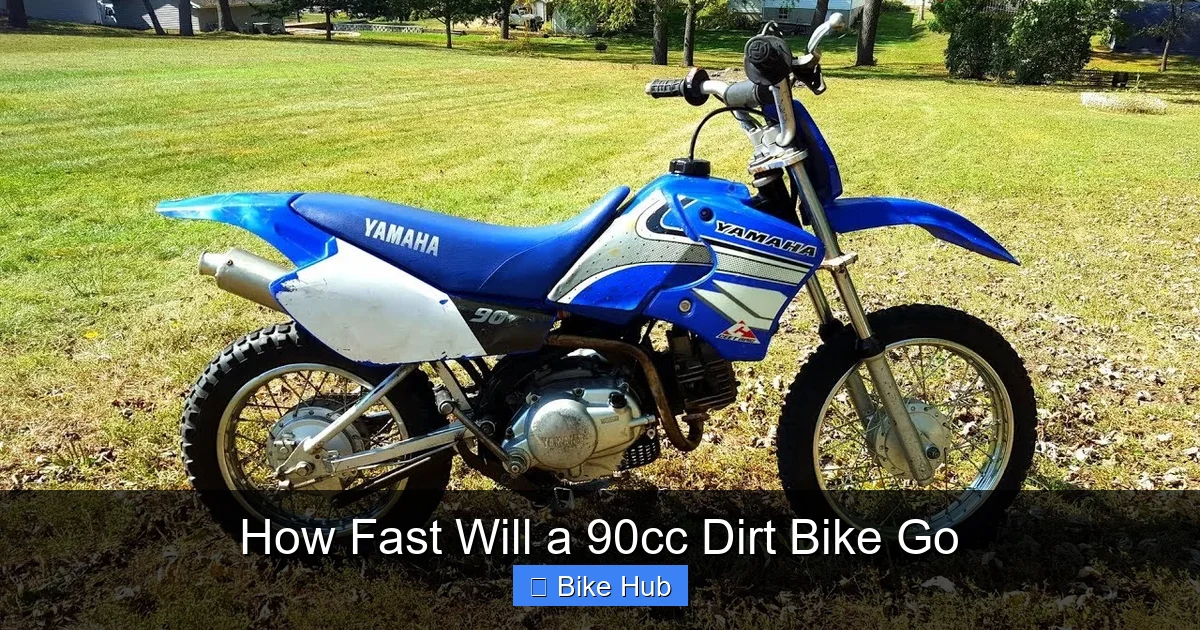
Visual guide about How Fast Will a 90cc Dirt Bike Go
Image source: i.ytimg.com
2. Rider Weight
Lighter riders accelerate faster and reach higher top speeds. A 70-pound child might hit 48 mph on flat ground, while a 120-pound rider could max out around 40 mph on the same bike.
Example: On a Honda CRF90F, a lightweight rider may outpace a heavier one by 5–7 mph under identical conditions.
3. Terrain and Surface
Hard-packed dirt or asphalt allows for the fastest speeds. Loose gravel, mud, sand, or steep inclines slow the bike down significantly. Even small hills can cut top speed in half.
Pro tip: For speed testing, choose a long, flat, and safe stretch of private land or a designated off-road park.
4. Tire Type and Pressure
Knobby off-road tires provide grip but create more rolling resistance. On smooth surfaces, slightly higher tire pressure (within manufacturer limits) can reduce drag and improve speed.
Check out our guide on best bike tires for hardpack dirt to find the right balance of traction and speed.
5. Gearing and Sprockets
The stock sprocket setup is designed for a mix of torque and speed. Swapping to a larger rear sprocket increases acceleration but reduces top speed. A smaller rear sprocket does the opposite—boosting top speed at the cost of low-end power.
Caution: Changing sprockets requires mechanical knowledge. Incorrect gearing can strain the engine or chain.
How to Safely Test Your 90cc Dirt Bike’s Top Speed
Curious how fast your bike can really go? Follow these steps to test it safely and accurately.
Step 1: Choose the Right Location
Never test speed on public roads or crowded trails. Use a private field, closed track, or approved off-road area with no traffic or obstacles.
Step 2: Wear Full Protective Gear
Always wear a DOT-approved helmet, gloves, goggles, long sleeves, pants, and over-the-ankle boots. Speed increases risk—don’t skip safety.
For helmet tips, read our guide on how to properly fit a bike helmet to ensure maximum protection.
Step 3: Warm Up the Engine
Let the bike run for 3–5 minutes before testing. Cold engines don’t perform at peak efficiency.
Step 4: Use a GPS Speedometer
Bike speedometers can be inaccurate. Use a smartphone GPS app (like Speedometer by Zentertain) or a dedicated GPS device for precise readings.
Step 5: Perform Multiple Runs
Do at least three runs in the same direction to account for wind or minor terrain changes. Average the results for a reliable top speed.
Step 6: Monitor Engine Temperature
Don’t push the bike too hard for too long. Overheating can damage the engine. Let it cool between runs.
Can You Make a 90cc Dirt Bike Go Faster?
Yes—but with limits. The 90cc engine has a performance ceiling, but small upgrades can help you get closer to it.
Performance Upgrades (With Caution)
- High-flow air filter: Improves airflow and throttle response.
- Performance exhaust: Reduces backpressure and can add 2–4 mph.
- Rejetting the carburetor: Required after exhaust or air filter changes to maintain proper fuel mix.
- Lighter wheels or components: Reduces rotational mass, improving acceleration.
Warning: Modifications may void warranties and increase wear. Only make changes if you understand the mechanics or consult a professional.
What Won’t Help (Much)
– Adding nitrous oxide or turbochargers is unsafe and impractical on a 90cc bike.
– Overinflating tires beyond specs can reduce traction and cause blowouts.
Safety Tips for Riding a 90cc Dirt Bike at High Speeds
Speed is fun—but safety is non-negotiable. Here’s how to stay protected.
1. Ride Within Your Skill Level
Just because a bike can go 50 mph doesn’t mean you should. Build confidence at lower speeds first.
2. Avoid Public Roads
Dirt bikes aren’t street-legal in most areas. Stick to trails, tracks, or private property.
3. Inspect Your Bike Before Every Ride
Check tire pressure, brakes, chain tension, and fluid levels. A loose chain or worn brake pads can cause accidents at high speed.
Learn how to maintain a road bike—many principles apply to dirt bikes too, especially drivetrain care.
4. Ride with a Buddy
Never ride alone, especially in remote areas. If something goes wrong, help should be nearby.
5. Know When to Slow Down
Wet conditions, low visibility, or unfamiliar terrain mean it’s time to ease off the throttle.
Troubleshooting Common Speed Issues
If your 90cc dirt bike feels sluggish, here’s how to diagnose and fix common problems.
Bike Won’t Go Past 30 mph
- Possible cause: Clogged air filter or fuel filter.
- Fix: Clean or replace the air filter. Check fuel lines for blockages.
Engine Overheats at High Speed
- Possible cause: Low coolant (if liquid-cooled) or poor airflow.
- Fix: Check coolant levels and ensure the radiator isn’t blocked by mud.
Loss of Power on Hills
- Possible cause: Incorrect carburetor jetting or worn piston rings.
- Fix: Rejet the carb or have the engine inspected by a mechanic.
Chain Slips or Skips
- Possible cause: Loose or worn chain.
- Fix: Adjust chain tension or replace if stretched.
Conclusion
So, how fast will a 90cc dirt bike go? On average, **35 to 50 mph**—but that number depends on rider, terrain, and bike condition. While it’s tempting to chase maximum speed, remember that control and safety matter more than raw velocity.
Regular maintenance, proper gear, and smart riding habits will keep you safe and your bike performing at its best. Whether you’re teaching a kid to ride or exploring local trails, a 90cc dirt bike offers a perfect blend of power and manageability for beginners and young riders.
Before you hit the throttle, make sure your bike is in top shape, your gear is secure, and your riding area is safe. With the right approach, you’ll enjoy every mile—without compromising safety.



