
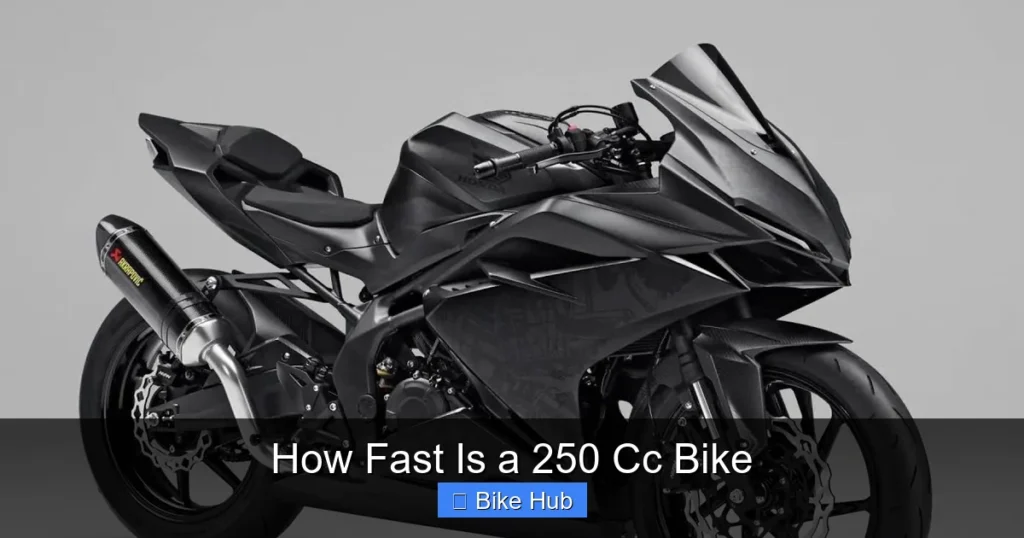
A 250 cc bike typically reaches speeds between 70 and 90 mph, depending on the model and conditions. This guide breaks down what affects speed, compares popular models, and offers practical tips for riders.
[FEATURED_IMAGE_PLACEHEROLDER]
Key Takeaways
- Top speed range: Most 250 cc bikes hit 70–90 mph, with sport models reaching up to 100 mph under ideal conditions.
- Bike type matters: Sport bikes are faster than cruisers or dual-sport models due to aerodynamics and engine tuning.
- Rider weight and terrain impact speed: Heavier riders or hilly roads reduce top speed and acceleration.
- Maintenance is key: A well-tuned engine, proper tire pressure, and clean air filters help maintain peak performance.
- Safety first: Always wear protective gear and ride within legal limits, even if your bike can go faster.
- Modifications can increase speed: Exhaust upgrades or ECU tuning may boost performance—but check local laws first.
- Not just about top speed: Acceleration, handling, and fuel efficiency are equally important for real-world riding.
How Fast Is a 250 Cc Bike? A Complete Guide
If you’re thinking about buying a 250 cc motorcycle or just curious about what these nimble machines can do, you’re in the right place. One of the most common questions new riders ask is: How fast is a 250 cc bike? The answer isn’t just a single number—it depends on several factors, including the type of bike, rider weight, road conditions, and even weather. In this guide, we’ll walk you through everything you need to know about 250 cc bike speeds, from real-world performance to tips for getting the most out of your ride.
Whether you’re a beginner looking for your first motorcycle or an experienced rider considering a lightweight option for city commuting, understanding speed capabilities helps you make smarter, safer choices. Let’s dive in.
Understanding What “250 cc” Actually Means
Before we talk about speed, let’s clarify what “250 cc” refers to. The “cc” stands for cubic centimeters, which measures the engine’s displacement—the total volume of air and fuel the engine can draw in during one complete cycle. In simple terms, a 250 cc engine is relatively small compared to larger motorcycles (like 600 cc or 1000 cc bikes), but it’s powerful enough for everyday riding.
This engine size strikes a balance between performance and efficiency. It’s light on fuel, easy to handle, and perfect for new riders or those who want a nimble bike for urban commuting. But don’t let the small size fool you—250 cc bikes can still pack a punch.
Top Speed of a 250 Cc Bike: Real-World Numbers
So, how fast can a 250 cc bike actually go? On average, most 250 cc motorcycles have a top speed between 70 and 90 mph. However, some sport-oriented models can reach up to 100 mph under ideal conditions—flat roads, light rider weight, and minimal wind resistance.
Here’s a quick breakdown by bike type:
- Sport bikes (e.g., Kawasaki Ninja 250, Yamaha YZF-R3): 85–100 mph
- Standard/naked bikes (e.g., Honda CB250F): 75–85 mph
- Cruisers (e.g., Honda Rebel 250): 70–80 mph
- Dual-sport/adventure bikes (e.g., Kawasaki KLX250): 65–75 mph
Keep in mind that these are maximum speeds under optimal conditions. In real-world riding—especially in traffic, on hills, or with a passenger—you’ll likely cruise at 50–70 mph.
Factors That Affect a 250 Cc Bike’s Speed
Not all 250 cc bikes perform the same, and even the same model can vary in speed based on several factors. Here’s what influences how fast your bike can go.
Rider Weight and Position
Heavier riders create more drag and require more power to accelerate. A 120-pound rider will likely hit a higher top speed than a 200-pound rider on the same bike. Additionally, how you sit affects aerodynamics. Leaning forward (like on a sport bike) reduces wind resistance and can add a few extra miles per hour.
Road and Weather Conditions
Uphill roads slow you down, while downhill stretches can help you reach higher speeds. Wind is another big factor—headwinds reduce speed, while tailwinds give you a boost. Rain or wet roads also affect traction and safety, so riders often go slower in bad weather.
Bike Design and Aerodynamics
Sport bikes are built for speed. Their fairings (body panels) reduce drag, and their engines are tuned for higher RPMs. Cruisers, on the other hand, prioritize comfort over speed, so they’re generally slower. Dual-sport bikes are designed for off-road use, which means they sacrifice top speed for durability and versatility.
Engine Condition and Maintenance
A poorly maintained bike won’t perform at its best. Dirty air filters, old spark plugs, low tire pressure, or worn chains can all reduce speed and acceleration. Regular maintenance—like oil changes, chain lubrication, and tire checks—keeps your bike running smoothly. For tips on keeping your bike in top shape, check out our guide on how to maintain a road bike.
Modifications and Upgrades
Some riders modify their 250 cc bikes to go faster. Common upgrades include:
- Aftermarket exhaust systems (reduce weight and improve airflow)
- ECU tuning (optimizes fuel delivery)
- High-flow air filters
- Lighter wheels or sprocket changes
While these can increase speed, they may void warranties or violate local emissions laws. Always research before making modifications.
Acceleration vs. Top Speed: Why It Matters
Top speed gets all the attention, but acceleration is often more important for everyday riding. A 250 cc bike may not win a drag race against a 600 cc sport bike, but it can still accelerate quickly from 0 to 60 mph—usually in about 6 to 8 seconds.
This quick acceleration is great for merging onto highways or overtaking slower vehicles. It also makes 250 cc bikes fun and responsive in city traffic. So while they might not be the fastest on the highway, they’re agile and easy to control.
Safety Tips for Riding a 250 Cc Bike at High Speeds
Even though 250 cc bikes aren’t the fastest on the road, riding at high speeds still requires caution. Here are some safety tips:
- Wear proper gear: Always use a DOT-approved helmet, gloves, jacket, and boots. For advice on fitting your helmet correctly, see our guide on how to properly fit a bike helmet.
- Stay within speed limits: Just because your bike can go 90 mph doesn’t mean you should. Obey traffic laws and adjust speed for conditions.
- Practice emergency braking: Know how your bike handles under hard braking. Practice in a safe, empty parking lot.
- Avoid highways until experienced: High-speed roads require confidence and skill. Build up your experience on local roads first.
- Check your bike before every ride: Tires, brakes, lights, and fluids should all be in good condition. A quick pre-ride check can prevent accidents.
Troubleshooting Common Speed Issues
If your 250 cc bike isn’t reaching expected speeds, here are a few things to check:
Bike Feels Sluggish or Slow to Accelerate
- Check the air filter—replace if dirty.
- Inspect the spark plug for wear or carbon buildup.
- Ensure the fuel system is clean and free of clogs.
- Verify tire pressure is at the recommended level.
Top Speed Is Lower Than Expected
- Confirm the bike isn’t carrying extra weight (luggage, passenger).
- Look for mechanical issues like a slipping clutch or worn chain.
- Check for exhaust restrictions or modifications that may be limiting performance.
Unusual Noises or Vibrations at High Speed
- Inspect wheel bearings and suspension components.
- Make sure all bolts and fasteners are tight.
- Visit a mechanic if the issue persists—don’t ignore warning signs.
Regular maintenance goes a long way. For detailed steps, refer to our article on how to clean a road bike drivetrain, which applies to many motorcycle systems as well.
Conclusion: Is a 250 Cc Bike Fast Enough for You?
So, how fast is a 250 cc bike? The short answer: fast enough for most riders. With top speeds between 70 and 100 mph, these bikes offer a great mix of performance, efficiency, and ease of use. They’re perfect for beginners, commuters, and anyone who wants a lightweight, fun ride without the complexity of a larger motorcycle.
While they won’t match the raw power of bigger bikes, 250 cc models excel in agility, fuel economy, and affordability. And with proper maintenance and smart riding, you can enjoy every mile—safely and confidently.
Whether you’re zipping through city streets or cruising down country roads, a 250 cc bike delivers a thrilling experience without overwhelming new riders. Just remember: speed is fun, but safety always comes first.



