
The average electric bike travels between 20 and 28 mph (32–45 km/h), depending on class, motor power, terrain, and rider input. This guide breaks down speed limits by e-bike type, explains what influences performance, and offers practical tips to ride efficiently and legally.
Key Takeaways
- Class determines speed: Class 1 and 2 e-bikes max out at 20 mph; Class 3 can reach 28 mph with pedal assist.
- Motor power matters: Most e-bikes use 250W to 750W motors—higher wattage often means more speed and torque.
- Terrain and tires affect performance: Hills, wind, and tire pressure can slow you down or boost your ride.
- Battery health is key: A weak or old battery reduces speed and range—keep it charged and stored properly.
- Legal limits vary by location: Always check local laws—some areas restrict e-bike speed or require helmets.
- Maintenance boosts speed: Clean chains, inflated tires, and aligned wheels help you ride faster and smoother.
- Safety first: Faster speeds require better brakes, lights, and protective gear—don’t skip essentials.
How Fast Does the Average Electric Bike Go?
If you’re thinking about buying an electric bike or just curious about how fast they really go, you’re in the right place. Electric bikes—or e-bikes—have surged in popularity thanks to their eco-friendly design, ease of use, and ability to make commuting faster and more fun. But one of the most common questions people ask is: How fast does the average electric bike go?
In this guide, we’ll walk you through everything you need to know about e-bike speeds. You’ll learn about the different classes of e-bikes, what factors influence speed, how to maintain your bike for peak performance, and how to ride safely at higher speeds. Whether you’re a beginner or a seasoned rider, this guide will help you understand and maximize your e-bike’s potential.
Understanding E-Bike Classes and Speed Limits
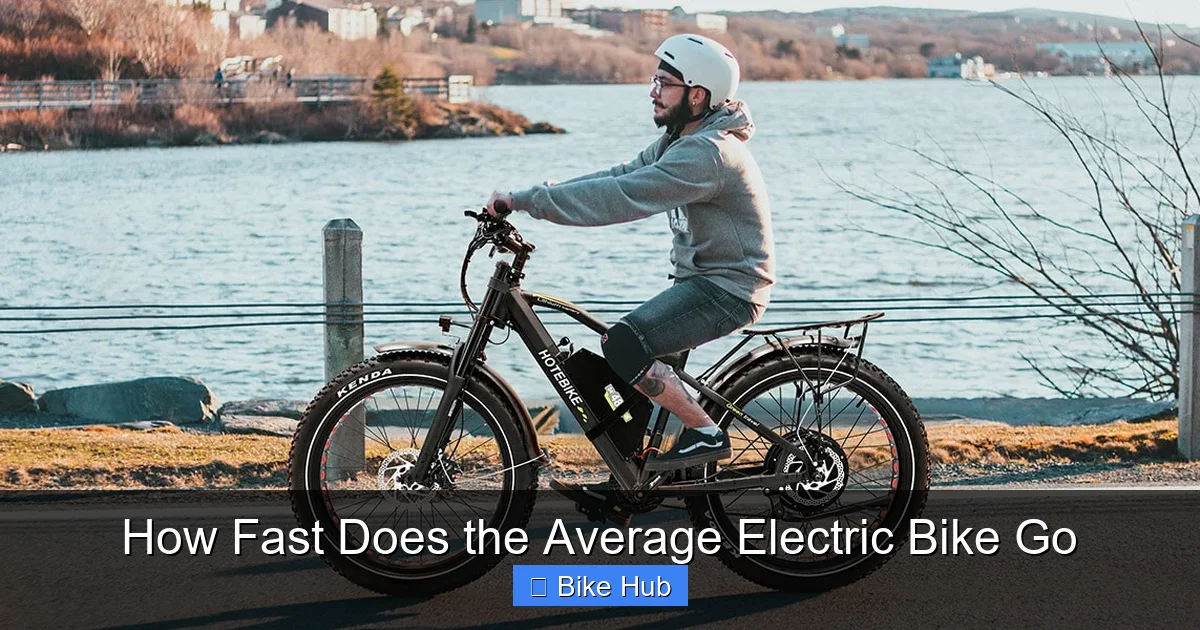
Visual guide about How Fast Does the Average Electric Bike Go
Image source: hotebike.com
Not all electric bikes are created equal—especially when it comes to speed. In the U.S., e-bikes are categorized into three main classes based on their motor assistance and top speed. These classes help regulate where and how you can ride.
Class 1: Pedal-Assist Only (Up to 20 mph)
Class 1 e-bikes provide electric assistance only when you’re pedaling. The motor cuts off once you reach 20 mph (32 km/h). These are great for casual riders, commuters, and those who want a little boost without going too fast. They’re allowed on most bike paths and trails.
Class 2: Throttle-Assist (Up to 20 mph)
Class 2 e-bikes come with a throttle, meaning you can get power without pedaling—similar to a scooter. However, like Class 1, the motor stops assisting at 20 mph. These are ideal if you want to rest your legs on hills or short trips. Note that some cities restrict throttle use on bike paths, so check local rules.
Class 3: Speed Pedelec (Up to 28 mph)
Class 3 e-bikes are the fastest legal e-bikes in most areas. They offer pedal assist up to 28 mph (45 km/h) but usually don’t have a throttle. Because of their higher speed, they often require a helmet and may be restricted from certain bike lanes or trails. These are perfect for longer commutes or riders who want to keep up with traffic.
What Affects an E-Bike’s Speed?
While class sets the legal limit, several real-world factors influence how fast your e-bike actually goes.
Motor Power and Type
Most e-bikes use motors ranging from 250W to 750W. A 250W motor is common in Europe and good for flat terrain, while 500W to 750W motors are typical in the U.S. and better for hills and heavier loads. Higher wattage generally means more speed and acceleration, but it also drains the battery faster.
Battery Capacity and Health
Your battery’s voltage (usually 36V or 48V) and capacity (measured in amp-hours, or Ah) determine how much power it can deliver. A strong, fully charged 48V/15Ah battery will give you more speed and range than a weak or aging one. Over time, batteries lose capacity—so regular charging and proper how to store bike pump practices (yes, even for batteries!) help maintain performance.
Tire Pressure and Type
Underinflated tires create more rolling resistance, slowing you down. Always check your tire pressure regularly—use a reliable pump and follow the PSI rating on the tire sidewall. For example, road e-bikes with slick tires roll faster than fat-tire models designed for sand or snow. If you’re riding on pavement, consider how to choose road bike tires for optimal speed and efficiency.
Terrain and Weather
Hills, wind, and road conditions play a big role. Going uphill? You’ll slow down unless your motor is powerful enough. Headwinds can cut your speed significantly, while tailwinds give you a free boost. Wet or muddy paths also reduce traction and speed.
Rider Weight and Pedaling Effort
Heavier riders may notice slightly lower speeds, especially on inclines. But the good news? E-bikes are designed to help. The more you pedal, the more the motor assists—so even if you’re not a fitness fanatic, you can still reach top speeds with moderate effort.
How to Maximize Your E-Bike’s Speed
Want to go faster? Here are practical tips to help you get the most out of your ride.
Keep Your Tires Properly Inflated
Use a quality pump to maintain the recommended PSI. For most e-bikes, that’s between 40 and 65 PSI for road tires. Underinflated tires waste energy and slow you down. If you’re unsure, check out our guide on how often to pump bike tires for a simple maintenance schedule.
Maintain Your Drivetrain
A clean, lubricated chain reduces friction and helps power transfer smoothly. Dirt and grime can slow you down and wear out parts faster. Regular cleaning and oiling—especially after rainy rides—keep your bike running efficiently.
Reduce Weight When Possible
Carry only what you need. Extra bags, water bottles, or gear add weight and drag. If you’re commuting, consider lightweight panniers or a backpack with ventilation.
Use the Right Assist Level
Most e-bikes have multiple pedal-assist levels (Eco, Tour, Sport, Turbo). For maximum speed, use higher levels—but remember, they drain the battery faster. On flat roads, a mid-level setting may give you the best balance of speed and range.
Check Local Laws and Ride Smart
Even if your e-bike can go 28 mph, some bike paths or cities limit speeds to 15 or 20 mph. Always follow local regulations. Also, faster speeds mean longer stopping distances—so ensure your brakes are in top shape. If you’re upgrading your ride, consider how to choose the best bike lock to protect your investment when you stop.
Troubleshooting Slow E-Bike Performance
If your e-bike feels sluggish, don’t panic—here are common issues and fixes.
Battery Not Holding Charge
If your bike slows down quickly or won’t reach top speed, the battery may be old or damaged. Try charging it fully and testing again. If problems persist, consider a replacement. Store your battery in a cool, dry place—avoid extreme temperatures.
Motor Overheating
Pushing your motor too hard on long climbs can cause overheating. If the motor cuts out or feels hot, stop and let it cool. Avoid continuous high-power use on steep hills.
Tire Pressure Too Low
Check your tires with a gauge. Even a small drop in PSI can reduce speed. Inflate to the recommended level and recheck weekly.
Brakes Dragging
Misaligned or worn brake pads can rub against the wheel, creating drag. Spin the wheel—if it slows quickly or makes noise, adjust or replace the brakes.
Chain or Gear Issues
A loose chain, dirty gears, or misaligned derailleur can reduce efficiency. Clean and lubricate the chain, and ensure gears shift smoothly.
Safety Tips for Riding at Higher Speeds
Going faster is fun—but safety should always come first.
Wear a Helmet
At 20+ mph, a fall can be serious. Always wear a certified helmet, especially on Class 3 e-bikes.
Use Lights and Reflectors
Many e-bikes come with built-in lights, but add extra front and rear lights if riding at night. Bright clothing and reflective gear also help.
Check Your Brakes Regularly
Test your brakes before every ride. If they feel soft or take longer to stop, adjust or replace them immediately.
Be Visible and Predictable
Signal turns, ride in straight lines, and avoid sudden moves. Drivers and pedestrians may not expect an e-bike to move as fast as a car.
Know Your Route
Avoid busy streets or trails not designed for higher speeds. Stick to bike lanes, quiet roads, or designated e-bike paths when possible.
Conclusion
So, how fast does the average electric bike go? Most e-bikes reach speeds between 20 and 28 mph, depending on their class, motor, and conditions. Class 1 and 2 bikes cap at 20 mph, while Class 3 models can hit 28 mph with pedal assist. Your actual speed depends on factors like battery health, tire pressure, terrain, and how much you pedal.
To get the best performance, keep your e-bike well-maintained—inflate tires, clean the chain, and charge the battery properly. Always follow local laws and prioritize safety, especially at higher speeds. With the right care and knowledge, your e-bike can be a fast, fun, and reliable way to get around.
Whether you’re commuting, exploring trails, or just enjoying the ride, understanding your e-bike’s speed capabilities helps you make the most of every journey.



