
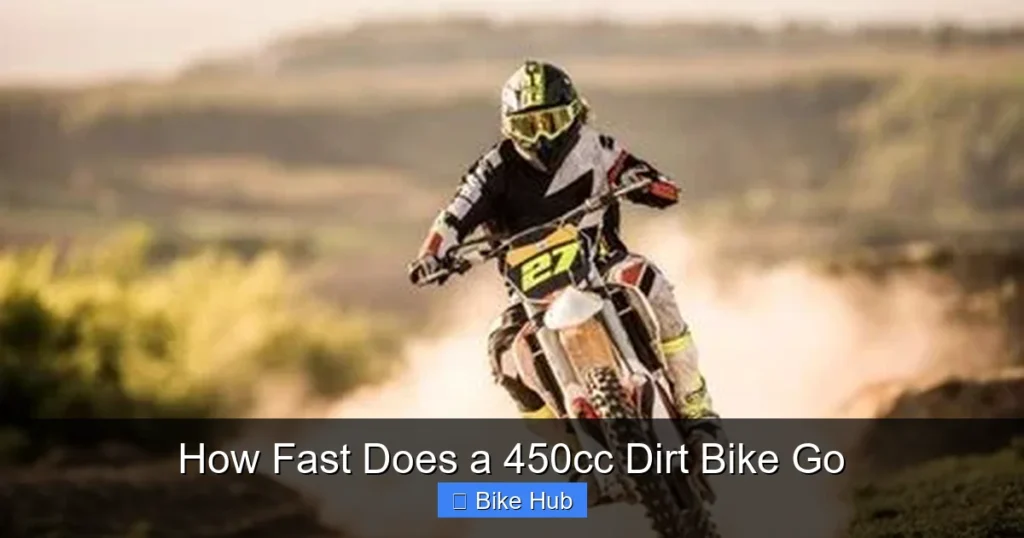
A 450cc dirt bike typically reaches speeds between 85 and 100 mph, depending on terrain, rider weight, and bike setup. This guide breaks down what affects speed, how to optimize performance, and safety tips for high-speed riding.
Key Takeaways
- Top speed range: Most 450cc dirt bikes reach 85–100 mph under ideal conditions.
- Terrain matters: Hardpack dirt and flat tracks allow higher speeds than mud or sand.
- Rider skill and weight: Lighter, experienced riders often achieve faster speeds.
- Bike setup is crucial: Gearing, suspension, and tire choice significantly impact acceleration and top speed.
- Modifications can help: Performance exhausts and ECU tuning may boost speed—but use caution.
- Safety first: Always wear protective gear and ride within your limits, even on high-performance bikes.
- Maintenance counts: A well-tuned engine and clean air filter ensure peak performance.
How Fast Does a 450cc Dirt Bike Go? A Complete Guide
If you’re wondering how fast a 450cc dirt bike can go, you’re not alone. These powerful off-road machines are built for speed, agility, and adrenaline-pumping performance. Whether you’re racing motocross, exploring trails, or just curious about what your bike can do, understanding its top speed and the factors that influence it is essential.
In this guide, we’ll walk you through everything you need to know about 450cc dirt bike speed—from average top speeds to real-world performance tips. You’ll learn how terrain, rider weight, bike setup, and maintenance all play a role in how fast your bike can go. Plus, we’ll share practical advice to help you ride safely and get the most out of your machine.
What Is the Average Top Speed of a 450cc Dirt Bike?
Visual guide about How Fast Does a 450cc Dirt Bike Go
Image source: dirtbikehouse.com
Most modern 450cc dirt bikes have a top speed between 85 and 100 miles per hour (mph). That’s impressively fast for an off-road motorcycle, especially when you consider their lightweight frames and knobby tires.
For example, popular models like the Yamaha YZ450F, Honda CRF450R, and KTM 450 SX-F all fall within this range. On a flat, hardpacked track with minimal resistance, a skilled rider can push these bikes to their limit—often hitting 95–100 mph in high gear.
But remember: these speeds are achieved under optimal conditions. In real-world riding, factors like hills, mud, or sand will reduce your top speed significantly.
Real-World Speed Examples
Let’s look at a few real-world scenarios:
- Motocross track: On a smooth, groomed MX track, a 450cc bike might reach 85–90 mph on straightaways.
- Desert or open terrain: With long stretches of flat, hard dirt, speeds can climb to 95–100 mph.
- Muddy or sandy trails: Speed drops to 50–70 mph due to increased rolling resistance.
So while the engine is capable of high speeds, the environment plays a huge role in what you’ll actually achieve.
Factors That Affect 450cc Dirt Bike Speed
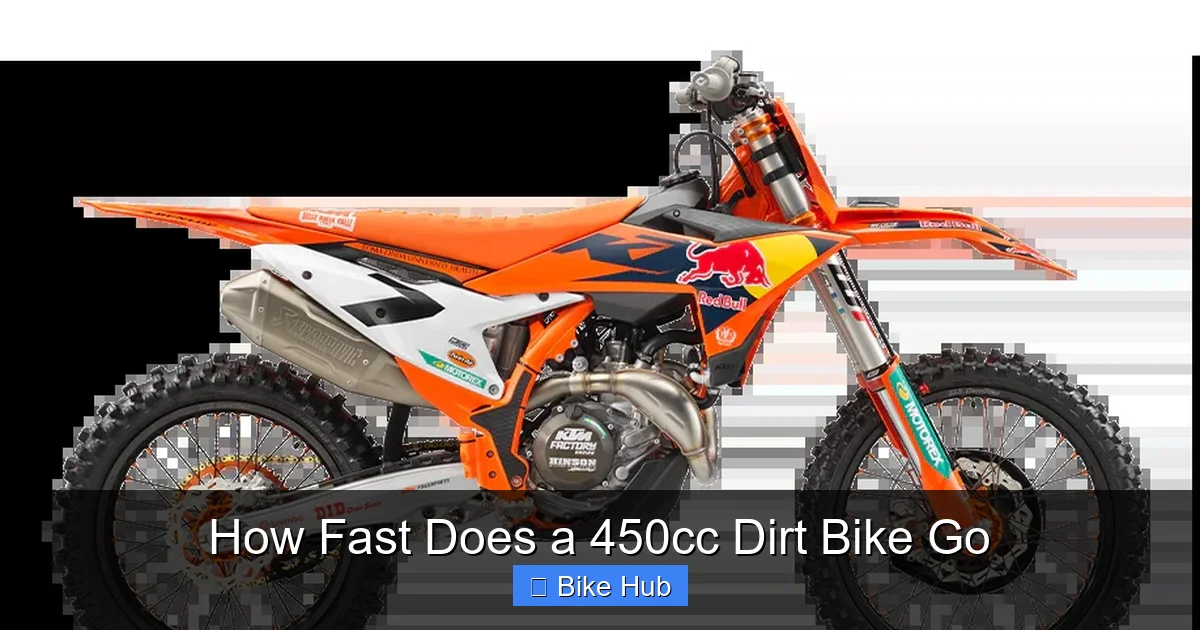
Visual guide about How Fast Does a 450cc Dirt Bike Go
Image source: cdn.shopify.com
Not all 450cc dirt bikes perform the same—even if they have similar engines. Several key factors influence how fast your bike can go.
1. Terrain and Surface Conditions
The type of ground you ride on has a major impact on speed. Hardpack dirt offers the least resistance, allowing for faster acceleration and higher top speeds. In contrast, soft sand, deep mud, or rocky trails slow you down dramatically.
For instance, riding on a desert washboard surface might let you hit 95 mph, but the same bike in a muddy forest trail may barely reach 60 mph.
2. Rider Weight and Position
Heavier riders add load to the engine and suspension, which can reduce acceleration and top speed. A 150-pound rider will generally outpace a 200-pound rider on the same bike under identical conditions.
Also, body positioning matters. Leaning forward reduces wind resistance and helps maintain momentum, especially at high speeds. Proper technique—like standing on the pegs during acceleration—can improve performance.
3. Bike Setup and Gearing
Your bike’s gearing ratio directly affects speed. A taller (higher) gearing setup allows for greater top speed but reduces low-end torque. Conversely, shorter gearing improves acceleration but limits top-end performance.
Many riders adjust sprocket sizes to fine-tune performance. For example, swapping to a larger rear sprocket increases acceleration but lowers top speed—ideal for tight tracks. A smaller rear sprocket does the opposite, favoring high-speed runs.
4. Tire Type and Pressure
Tires are your bike’s only contact with the ground. Knobby off-road tires provide excellent grip but create more rolling resistance than smoother tires.
Running the correct tire pressure is also crucial. Overinflated tires reduce traction and can make the bike skittish at high speeds. Underinflated tires increase drag and wear. Check your owner’s manual for recommended PSI, and adjust based on terrain.
For hardpack conditions, slightly higher pressure (12–14 PSI) can reduce rolling resistance and improve speed. Learn more about choosing the right tires in our guide to best bike tires for hardpack dirt.
5. Engine Tuning and Modifications
Stock 450cc engines are already powerful, but modifications can squeeze out more speed. Common upgrades include:
- Performance exhaust systems: Reduce backpressure and improve airflow, boosting horsepower.
- ECU tuning: Reprogramming the engine control unit can optimize fuel delivery and ignition timing.
- Air intake upgrades: High-flow air filters improve airflow and engine efficiency.
However, modifications should be done carefully. Over-tuning can lead to engine damage or reduced reliability. Always consult a professional mechanic before making major changes.
How to Maximize Your 450cc Dirt Bike’s Speed
Want to go faster? Here’s a step-by-step approach to getting the most out of your bike.
Step 1: Perform Regular Maintenance
A well-maintained bike runs smoother and faster. Key maintenance tasks include:
- Changing the oil and oil filter every 10–15 hours of riding.
- Cleaning or replacing the air filter after every few rides—especially in dusty conditions.
- Checking spark plug condition and gap.
- Inspecting valve clearance as recommended by the manufacturer.
A dirty air filter, for example, restricts airflow and reduces engine power. Regular upkeep ensures your engine breathes freely and performs at its best.
Step 2: Optimize Gearing for Your Riding Style
If you ride mostly on open terrain or desert trails, consider switching to a taller gearing setup (smaller rear sprocket). This will help you reach higher speeds on straights.
For tight, technical tracks, shorter gearing (larger rear sprocket) improves low-end power and acceleration out of corners.
Step 3: Reduce Weight Where Possible
Every pound counts. Remove unnecessary accessories, use lightweight components, and keep your gear minimal. Even small reductions in weight can improve acceleration and handling.
Step 4: Improve Aerodynamics
At high speeds, wind resistance becomes a major factor. Tuck your body low over the handlebars, keep your elbows in, and wear streamlined riding gear. This reduces drag and helps maintain speed.
Step 5: Practice Proper Riding Technique
Speed isn’t just about the bike—it’s about how you ride. Smooth throttle control, precise shifting, and confident body positioning all contribute to faster, safer riding.
Work on your cornering, braking, and acceleration techniques. The better your skills, the more confidently you can push your bike to its limits.
Safety Tips for High-Speed Dirt Bike Riding
With great speed comes great responsibility. Here’s how to stay safe when riding at high velocities.
Always Wear Full Protective Gear
This includes a DOT-approved helmet, goggles, gloves, chest protector, boots, and durable riding pants. A good helmet can save your life—learn how to properly fit a bike helmet for maximum protection.
Ride Within Your Skill Level
Even if your bike can go 100 mph, that doesn’t mean you should. Build up your speed gradually and only ride as fast as you can safely control the bike.
Choose the Right Terrain
High speeds are best suited for open, flat areas with good visibility. Avoid crowded trails, steep hills, or technical sections when pushing for top speed.
Inspect Your Bike Before Every Ride
Check brakes, tires, chain tension, and suspension. A loose chain or worn brake pads can turn a fast ride into a dangerous situation.
Troubleshooting Common Speed Issues
If your 450cc dirt bike isn’t reaching expected speeds, here are a few things to check:
- Weak acceleration: Could be a clogged air filter, old spark plug, or incorrect jetting.
- Bogging under load: Often caused by a dirty carburetor or fuel injector (on fuel-injected models).
- Overheating: Check coolant levels and radiator fins for blockages.
- Vibrations at high speed: May indicate wheel imbalance or worn bearings—see our guide on how to fix bike wheel wobble.
Regular maintenance and prompt repairs keep your bike running strong.
Conclusion
So, how fast does a 450cc dirt bike go? On average, between 85 and 100 mph—but that number depends on many factors, from terrain and rider skill to bike setup and maintenance. These bikes are built for performance, and with the right care and technique, you can unlock their full potential.
Remember, speed is exciting, but safety should always come first. Wear proper gear, maintain your bike, and ride within your limits. Whether you’re racing or exploring, a 450cc dirt bike offers an unbeatable mix of power and agility.
Ready to take your riding to the next level? Check out our guide on how to choose a mountain bike if you’re considering upgrading or adding a dual-sport machine to your collection.



