
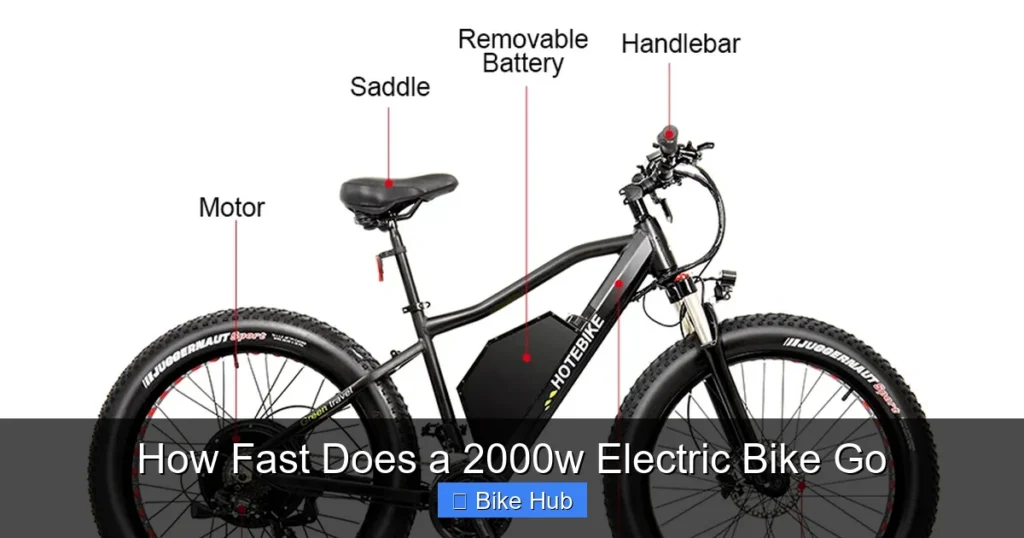
A 2000w electric bike can reach speeds of 28–35 mph (45–56 km/h) on flat terrain under ideal conditions. This guide explains the factors that influence speed, how to optimize performance, and essential safety practices for high-powered e-bikes.
Key Takeaways
- Top Speed Range: Most 2000w e-bikes reach 28–35 mph (45–56 km/h), depending on terrain, rider weight, and settings.
- Legal Limits Matter: Many regions cap e-bike speeds at 20–28 mph; riding faster may require classification as a moped or motorcycle.
- Battery and Motor Efficiency: A high-capacity battery (48V or 52V) and quality motor significantly impact sustained speed and range.
- Tire and Weight Impact: Larger tires and added weight reduce acceleration and top speed—lightweight builds perform better.
- Safety First: High-speed e-bikes need upgraded brakes, suspension, and protective gear like helmets and gloves.
- Maintenance is Crucial: Regular checks on tires, brakes, and drivetrain ensure consistent performance and safety.
- Customization Options: Firmware tuning or controller upgrades can unlock higher speeds—but may void warranties or break laws.
How Fast Does a 2000w Electric Bike Go?
If you’re considering a 2000w electric bike or already own one, you’re probably wondering just how fast it can go. The short answer? Most 2000w e-bikes can reach speeds between 28 and 35 miles per hour (45–56 km/h) on flat ground with a light rider and optimal conditions. But that’s just the beginning. In this guide, we’ll break down everything you need to know about the speed potential of a 2000w e-bike—what affects it, how to maximize it safely, and what to watch out for.
Whether you’re using your e-bike for commuting, off-road adventures, or just weekend joyrides, understanding its speed capabilities helps you ride smarter and safer. Let’s dive in.
Understanding 2000w E-Bike Speed: The Basics
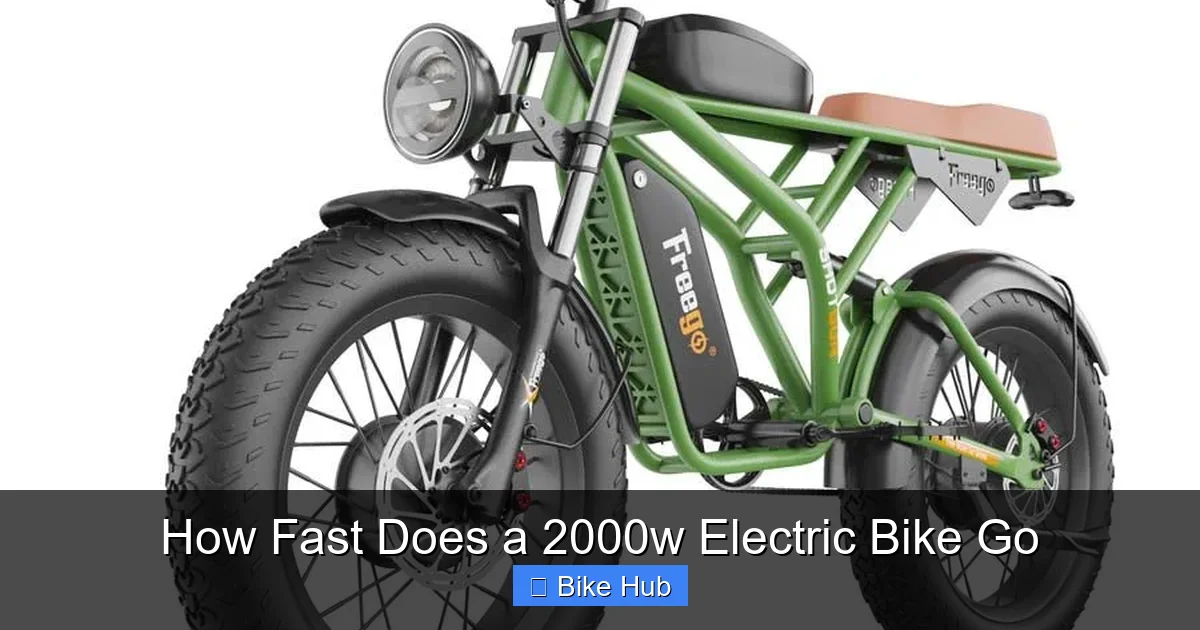
Visual guide about How Fast Does a 2000w Electric Bike Go
Image source: foldingbikerider.com
A 2000w electric bike is powered by a motor that delivers up to 2000 watts of power—nearly three times the output of a standard 750w e-bike. This extra power translates into faster acceleration and higher top speeds. But speed isn’t just about wattage. Several factors come into play.
Motor Type and Efficiency
Most 2000w e-bikes use a mid-drive or hub motor. Mid-drive motors (like those from Bafang or Bosch) are more efficient and better for hills, while hub motors (especially rear hub) offer strong torque and simplicity. A well-tuned motor can maintain high speeds even under load.
Battery Voltage and Capacity
Speed depends heavily on your battery. A 2000w motor paired with a 48V or 52V battery with at least 15Ah capacity will deliver consistent power. Lower voltage (like 36V) may struggle to sustain top speeds, especially uphill or with a heavy rider.
Speed Controller Settings
The controller regulates power flow from the battery to the motor. Many 2000w e-bikes come with programmable controllers that let you adjust speed limits. Some riders unlock higher speeds by flashing custom firmware—though this may violate local laws.
Real-World Speed Examples
Visual guide about How Fast Does a 2000w Electric Bike Go
Image source: dev.ridereview.com
Let’s look at some real-world scenarios to understand how fast a 2000w e-bike actually goes.
Flat Terrain, Light Rider (150 lbs / 68 kg)
On a smooth, flat road with no wind, a 2000w e-bike can easily hit 32–35 mph (51–56 km/h). Acceleration is quick—0 to 20 mph in under 6 seconds—making it feel more like a moped than a bike.
Hilly or Off-Road Conditions
Uphill climbs reduce speed significantly. On a 10% grade, expect speeds to drop to 15–20 mph (24–32 km/h), depending on gearing and rider input. Off-road trails with mud or sand will further slow you down, but the torque helps maintain momentum.
Heavy Rider or Cargo Load
Adding 50+ pounds (23+ kg) of weight—whether from a larger rider or gear—can reduce top speed by 3–5 mph. That’s why many high-performance e-bikes recommend a maximum load of 250–300 lbs (113–136 kg).
Factors That Affect E-Bike Speed
Now that you know the potential, let’s explore what influences how fast your 2000w e-bike actually goes.
Tire Type and Pressure
Wider, knobby tires (common on fat tire e-bikes) create more rolling resistance. Inflate tires to the recommended PSI—usually 20–30 PSI for fat tires, 40–65 PSI for road tires—to reduce drag. For maximum speed, consider switching to slick or semi-slick tires if you ride mostly on pavement.
Wind and Weather
Headwinds can cut your speed by 5–10 mph. Tailwinds help, but crosswinds make high-speed riding unstable. Rain or wet roads reduce traction, so slow down to avoid skidding.
Bike Weight and Aerodynamics
Heavier bikes take longer to accelerate. Carbon fiber frames and lightweight components improve performance. Also, tuck your elbows in and lower your body to reduce wind resistance at high speeds.
Throttle vs. Pedal Assist
Using the throttle alone gives instant power, but pedal-assist mode (especially levels 4 or 5) can sustain higher speeds over time by combining motor and human power. Some riders find they go faster and farther using pedal assist.
How to Maximize Your 2000w E-Bike’s Speed
Want to get the most out of your high-powered e-bike? Here’s how to optimize speed safely.
Upgrade Your Battery
If your bike came with a basic 48V 13Ah battery, consider upgrading to a 52V 17Ah or 20Ah pack. More voltage and amp-hours mean stronger, longer-lasting power delivery.
Check and Maintain Tire Pressure
Low tire pressure increases rolling resistance. Use a reliable electric bike pump to keep tires inflated properly. Check pressure weekly, especially before long rides.
Reduce Weight Where Possible
Remove unnecessary accessories like heavy racks or baskets. If you carry gear, use lightweight panniers or a backpack. Every pound counts at high speeds.
Use the Right Gearing
If your e-bike has multiple gears, shift up as you gain speed. Staying in a low gear wastes motor power. For single-speed bikes, ensure the gear ratio matches your riding style.
Keep the Drivetrain Clean
A dirty chain or clogged cassette reduces efficiency. Regularly clean and lubricate your drivetrain using methods from our guide on how to clean a road bike drivetrain. A smooth drivetrain means more power reaches the wheels.
Safety Tips for High-Speed E-Bike Riding
With great speed comes great responsibility. A 2000w e-bike isn’t a toy—it’s a high-performance vehicle that demands respect.
Wear Proper Protective Gear
Always wear a certified helmet. Consider full-face helmets for speeds over 30 mph. Add gloves, knee pads, and reflective clothing for visibility.
Upgrade Your Brakes
Stock brakes may not handle repeated high-speed stops. Upgrade to hydraulic disc brakes with 180mm or 203mm rotors for better stopping power. Learn how to maintain them with our guide on how to maintain a road bike.
Check Local Laws
In the U.S., federal law classifies e-bikes as Class 1, 2, or 3, with speed limits up to 28 mph. Anything faster may require registration, insurance, or a license. Check your state and city regulations before pushing your bike to its limit.
Practice Emergency Stops
Find a safe, open area to practice braking from 30 mph. Learn how to use both brakes evenly to avoid skidding or flipping.
Troubleshooting Common Speed Issues
Even the best e-bikes can underperform. Here’s how to fix common problems.
Bike Won’t Go Faster Than 20 mph
This could be due to a speed limiter in the controller. Some bikes are factory-set to comply with local laws. Check your user manual or contact the manufacturer. Unlocking may be possible—but could void your warranty.
Battery Drains Too Fast at High Speed
High speeds consume more power. Reduce speed slightly to extend range. Also, avoid full throttle from a stop—use pedal assist to ease into acceleration.
Motor Overheats on Long Rides
Continuous high power can overheat the motor. Take breaks on long climbs or hot days. Ensure the motor has proper airflow and isn’t covered by mud or debris.
Conclusion
A 2000w electric bike is a powerful machine capable of impressive speeds—up to 35 mph under the right conditions. But speed isn’t just about the motor. Battery quality, tire pressure, rider weight, and maintenance all play a role. By understanding these factors and riding responsibly, you can enjoy the thrill of high-speed e-biking while staying safe and legal.
Remember: always prioritize safety, follow local laws, and maintain your bike regularly. Whether you’re commuting, exploring trails, or just having fun, your 2000w e-bike can deliver an exhilarating ride—when used wisely.



