
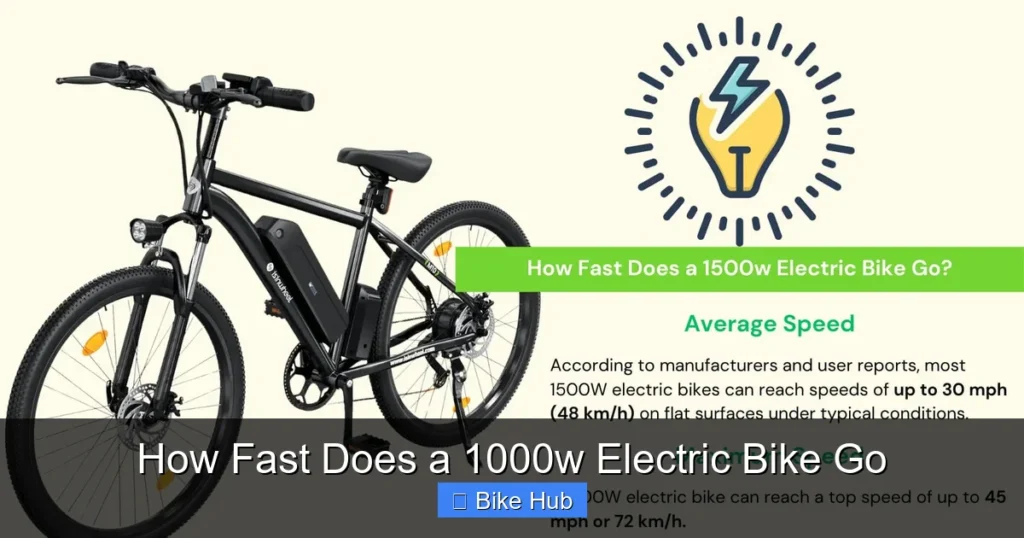
A 1000W electric bike can reach speeds of 20 to 30 mph on flat terrain, depending on terrain, rider weight, and battery power. This guide explains what influences speed, how to optimize performance, and important safety and legal considerations.
Key Takeaways
- Top speed range: Most 1000W e-bikes reach 20–30 mph, with some modified models exceeding 35 mph.
- Legal limits matter: In the U.S., Class 3 e-bikes are capped at 28 mph; check local laws before riding.
- Battery voltage impacts speed: Higher voltage (e.g., 48V vs. 36V) delivers more power and faster acceleration.
- Rider weight and terrain affect performance: Heavier riders or hilly areas may reduce top speed.
- Proper maintenance boosts speed: Clean drivetrains, inflated tires, and well-lubed chains improve efficiency.
- Safety first: Always wear a helmet, use lights, and follow traffic rules when riding at higher speeds.
- Throttle vs. pedal assist: Throttle-only mode may offer quicker bursts, but pedal assist sustains speed longer.
How Fast Does a 1000W Electric Bike Go? A Complete Guide
If you’re considering a 1000W electric bike or already own one, you’re probably wondering: just how fast can it go? The answer isn’t as simple as a single number—it depends on several factors, including battery power, terrain, rider weight, and local regulations. But one thing’s for sure: a 1000W motor delivers serious power, often pushing speeds well beyond what traditional bikes can achieve.
In this guide, we’ll break down exactly how fast a 1000W e-bike can go, what affects its top speed, how to maximize performance, and what you need to know about safety and legality. Whether you’re commuting, cruising trails, or just love the thrill of speed, this guide will help you ride smarter and safer.
Understanding E-Bike Power: What Does 1000W Really Mean?
Visual guide about How Fast Does a 1000w Electric Bike Go
Image source: isinwheel.com
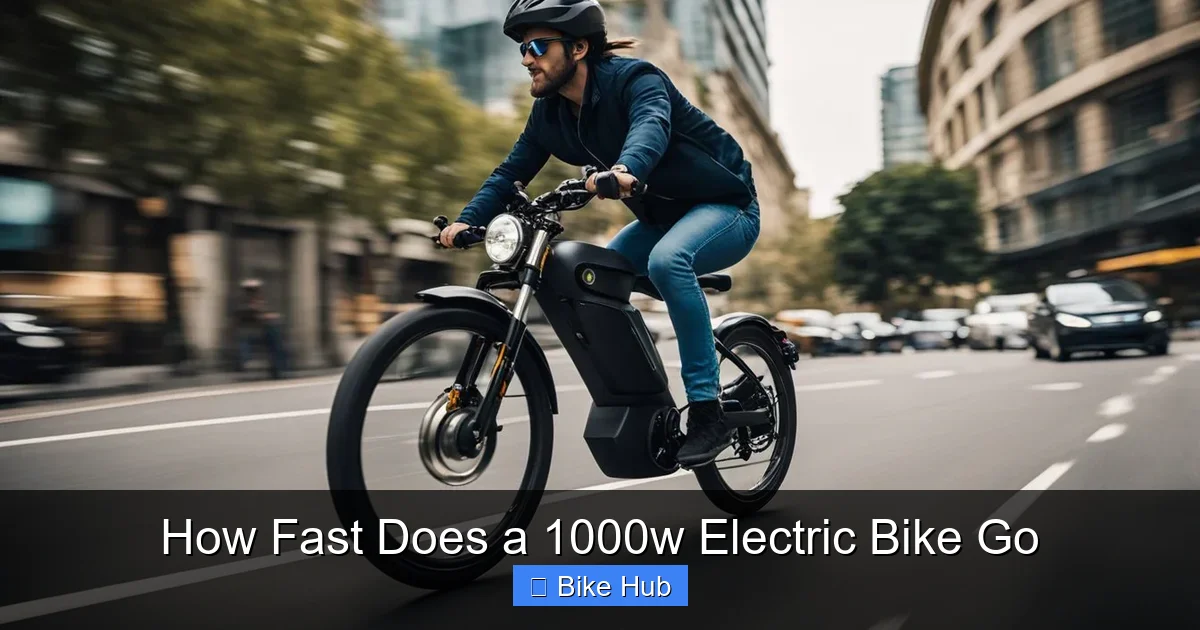
Before diving into speed, let’s clarify what “1000W” actually means. The wattage (W) of an electric bike motor refers to its power output—essentially, how much energy it can deliver per second. A 1000W motor is significantly more powerful than the standard 250W–750W motors found on most consumer e-bikes.
Why Wattage Matters
Higher wattage means:
- More torque for climbing hills
- Faster acceleration from stops
- Higher potential top speed
However, more power doesn’t always mean better. It also increases battery drain, weight, and cost. And in many places, there are legal limits on motor power.
Motor Types and Placement
Most 1000W e-bikes use either a hub motor (in the wheel) or a mid-drive motor (near the pedals). Hub motors are common on budget and fat-tire e-bikes, while mid-drives offer better balance and efficiency, especially on hills.
Top Speed of a 1000W Electric Bike
Visual guide about How Fast Does a 1000w Electric Bike Go
Image source: cdn.shopify.com
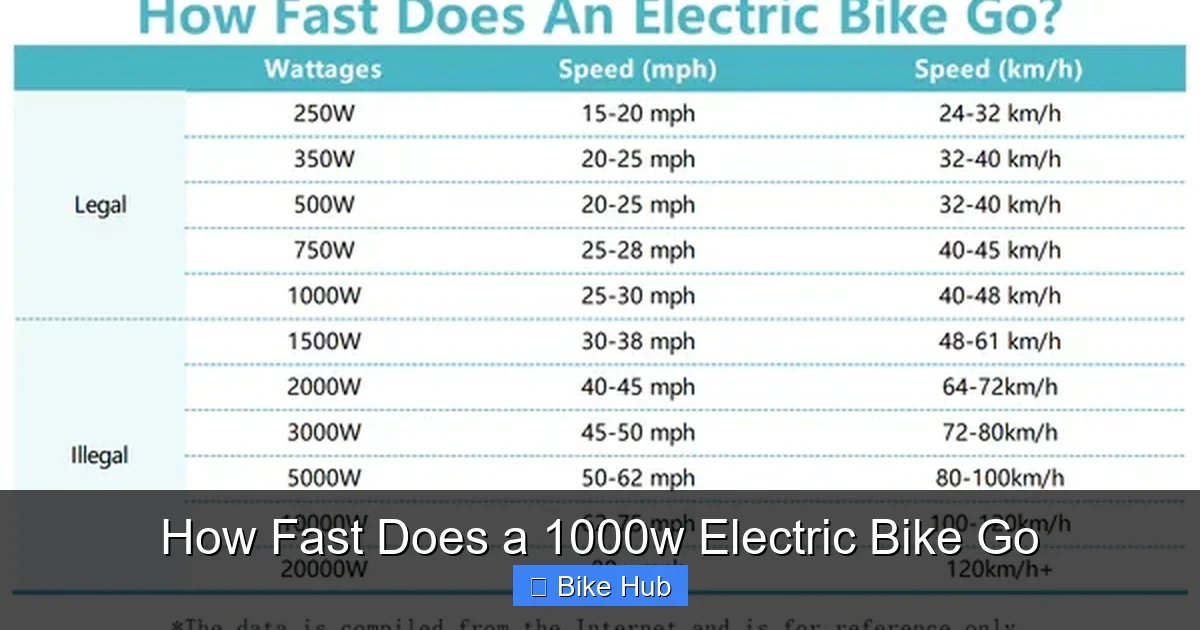
So, how fast does a 1000W electric bike go? On average, you can expect speeds between 20 and 30 miles per hour (mph) under ideal conditions.
Real-World Speed Examples
- Flat terrain, light rider, full battery: 28–30 mph
- Hilly area or heavier rider: 20–24 mph
- With pedal assist (Level 5): Up to 28 mph sustained
- Throttle-only mode: May peak at 25–28 mph, but drains battery faster
Some high-performance or modified 1000W e-bikes can even hit 35+ mph, but this often requires removing speed limiters and may violate local laws.
Speed vs. Legal Classifications
In the U.S., e-bikes are classified into three categories:
- Class 1: Pedal-assist only, up to 20 mph
- Class 2: Throttle-assisted, up to 20 mph
- Class 3: Pedal-assist only, up to 28 mph
A 1000W motor often exceeds these limits, so many manufacturers electronically limit the speed to comply with regulations. Always check your bike’s settings—some allow you to adjust or unlock higher speeds (where legal).
Factors That Affect E-Bike Speed
Speed isn’t just about motor power. Several variables influence how fast your 1000W e-bike will actually go.
Battery Voltage and Capacity
The battery is the heart of your e-bike’s performance. A 1000W motor paired with a 48V battery will perform better than one with a 36V battery. Higher voltage delivers more power efficiently, improving both speed and range.
Look for batteries with at least 13Ah capacity to support sustained high-speed riding. For long rides, consider upgrading to a 17.5Ah or 20Ah battery.
Rider Weight and Position
Heavier riders create more load on the motor, reducing top speed. For every 20–30 lbs over 150 lbs, you might lose 1–2 mph. Aerodynamics also matter—sitting upright increases wind resistance. Leaning forward slightly can help cut through air more efficiently.
Tire Type and Pressure
Underinflated tires increase rolling resistance, slowing you down. Always check tire pressure before riding. For speed, use smooth, high-pressure tires (e.g., 50–65 PSI). Fat tires are great for off-road but add drag on pavement.
Terrain and Elevation
Flat roads = maximum speed. Hills, gravel, or sand will slow you down. A 1000W motor helps on climbs, but steep inclines still reduce speed. Use pedal assist on hills to maintain momentum.
Weather Conditions
Wind, rain, and temperature affect performance. Headwinds can cut speed by 3–5 mph. Cold weather reduces battery efficiency, so expect slightly lower speeds in winter.
How to Maximize Your E-Bike’s Speed
Want to get the most out of your 1000W e-bike? Follow these practical tips.
1. Keep Your Battery Charged
A full battery delivers peak power. Avoid riding when the battery is below 20%. Use a high-quality charger and store the battery in a cool, dry place. For tips on maintaining battery health, check out our guide on how to charge a bike light—many of the same principles apply.
2. Maintain Your Drivetrain
A clean, well-lubed chain reduces friction and improves efficiency. Dirt and grime force the motor to work harder. Regular cleaning can boost speed by 1–2 mph. For detailed steps, see our article on how to clean a road bike drivetrain.
3. Inflate Tires Properly
Use a reliable pump to keep tires at the recommended PSI. Underinflated tires are one of the most common speed killers. If you’re away from home, learn how to inflate bike tires without a pump using portable CO2 inflators or mini pumps.
4. Reduce Weight
Remove unnecessary accessories like heavy racks or baskets. Every pound counts when chasing speed. If you’re carrying gear, pack light and distribute weight evenly.
5. Use the Right Assist Level
Higher pedal assist levels (e.g., Level 4 or 5) deliver more motor power. But don’t overdo it—using max assist constantly drains the battery fast. Mix in lower levels for longer rides.
6. Upgrade Components (Where Legal)
Consider upgrading to:
- Lighter wheels
- High-performance tires
- A more efficient drivetrain
Just ensure any modifications comply with local e-bike laws.
Safety and Legal Considerations
With great speed comes great responsibility. Riding a 1000W e-bike at 30 mph is not the same as cruising at 15 mph.
Wear Proper Safety Gear
Always wear a helmet. At high speeds, even a minor fall can be serious. Consider:
- Full-face helmet for off-road use
- High-visibility clothing
- Gloves and knee pads
For help choosing the right helmet, read our guide on how to properly fit a bike helmet.
Use Lights and Reflectors
At high speeds, visibility is critical. Install front and rear lights, especially if riding at dawn, dusk, or night. Reflective tape on wheels and frame helps too.
Know the Law
In many U.S. states, e-bikes over 750W are classified as mopeds or motorcycles and require registration, insurance, and a license. Always check local regulations before riding. Unauthorized speed modifications can result in fines or legal trouble.
Ride Defensively
Assume cars don’t see you. Use hand signals, stay in bike lanes when available, and avoid sudden moves. At 30 mph, stopping distance increases significantly—leave plenty of space.
Troubleshooting Common Speed Issues
If your 1000W e-bike isn’t reaching expected speeds, here’s what to check:
Battery Not Holding Charge
Symptoms: Slow acceleration, speed drops over time.
Solution: Test battery voltage with a multimeter. Replace if below 80% of rated capacity.
Motor Overheating
Symptoms: Power cuts out during long climbs.
Solution: Let the motor cool. Avoid sustained max throttle on steep hills.
Speed Limiter Active
Symptoms: Bike cuts power at 20 or 28 mph.
Solution: Check display settings. Some bikes allow speed limit adjustments (only where legal).
Dirty or Worn Chain
Symptoms: Sluggish response, chain slipping.
Solution: Clean and lube the chain. Replace if stretched.
Conclusion
A 1000W electric bike is a powerful machine capable of impressive speeds—typically between 20 and 30 mph, with potential for more under the right conditions. But speed isn’t just about the motor. Battery quality, tire pressure, rider weight, and maintenance all play crucial roles.
To get the most out of your e-bike, keep it well-maintained, ride smart, and always follow local laws. Whether you’re commuting across town or exploring backroads, a 1000W e-bike offers a thrilling, efficient way to ride.
Remember: faster isn’t always better. Prioritize safety, enjoy the ride, and respect the rules of the road. With the right setup and mindset, your 1000W e-bike can deliver both speed and reliability for years to come.



